Trump Immigration Doctor Deportation A Deep Dive
Trump immigration doctor deportation is a complex issue, raising crucial questions about medical professionals’ roles in immigration processes, the legal ramifications, and the impact on various groups. This exploration delves into the specifics of Trump’s immigration policies, from the initial executive orders to the deportation procedures, and examines the various viewpoints and consequences.
This in-depth analysis examines the historical context of Trump’s immigration policies, highlighting key initiatives and executive orders. It will further investigate the roles of doctors in immigration, covering medical examinations, asylum claims, and refugee status. The legal procedures surrounding deportation, including rights and protections, will also be thoroughly investigated. The analysis will also cover public opinions, the impact on specific groups, international relations, and comparisons with other administrations.
Trump’s Immigration Policies: Trump Immigration Doctor Deportation
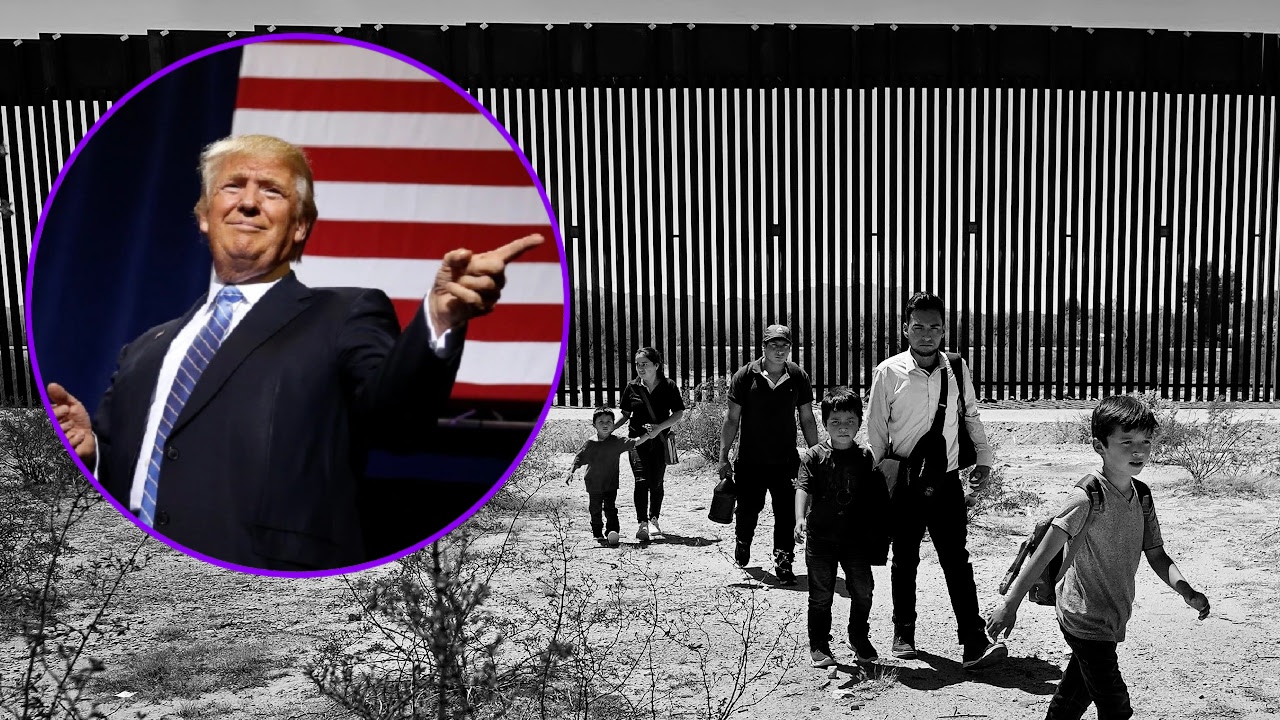
Donald Trump’s immigration policies, implemented during his presidency, significantly altered the landscape of immigration in the United States. These policies were characterized by a strong emphasis on border security, stricter visa restrictions, and controversial measures impacting various immigrant groups. The approach often generated considerable political debate and legal challenges.Trump’s immigration policies were largely driven by a desire to reduce undocumented immigration and strengthen border control.
The policies frequently aimed to create a more restrictive environment for immigrants, often with significant implications for individuals and families. The subsequent legal challenges reflected the contentious nature of these policies and their impact on various communities.
Key Initiatives and Executive Orders
Trump’s immigration policies were implemented through a series of executive orders and administrative actions. These measures aimed to address various aspects of the immigration system, from border security to visa processes. Understanding these initiatives is essential to grasping the scope and impact of his administration’s approach to immigration.
| Policy | Date | Description | Legal Outcome |
|---|---|---|---|
| Travel Ban | January 27, 2017 | Executive Order 13780, initially targeting several Muslim-majority countries, sought to limit entry of foreign nationals from specified countries. | Challenged in court and modified several times. Some aspects remain in effect, while others have been significantly altered or blocked by legal challenges. |
| Border Wall | Various | Initiatives to construct a physical wall along the U.S.-Mexico border, through various funding requests and construction efforts. | Funding for the wall was a major point of contention in Congress. Some segments of the wall have been constructed, while others remain stalled or face legal challenges. |
| Zero Tolerance Policy | 2018 | A policy aimed at prosecuting all illegal border crossings, which separated children from parents. | The policy was met with widespread condemnation and resulted in legal challenges. It was eventually abandoned. |
| DACA Rescission | September 5, 2017 | An executive order seeking to terminate the Deferred Action for Childhood Arrivals (DACA) program, providing temporary protected status to undocumented immigrants who arrived in the U.S. as children. | Challenged in court and ultimately blocked. A legal battle continues regarding the program’s future. |
| Visa Restrictions | Various | Implementation of stricter criteria and quotas for various visa categories, impacting immigrants seeking to enter the U.S. for work, study, or tourism. | Various legal challenges have been filed against these restrictions. Outcomes have been mixed and continue to evolve. |
Border Security Measures
Trump’s administration emphasized enhanced border security measures. These efforts aimed to deter illegal immigration and secure the U.S.-Mexico border. The measures involved increased border patrol presence, technological advancements, and physical barriers. These actions had a direct impact on the flow of undocumented immigrants and the overall immigration process.
- Increased border patrol agents:
- Implementation of advanced surveillance technologies:
- Construction of physical barriers:
Visa Restrictions
Visa restrictions were a prominent aspect of Trump’s immigration policies. These restrictions sought to limit the entry of individuals from specific countries or those deemed to pose security risks. The policy impacted various visa categories, including those for work, study, and tourism. The policy aimed to strengthen security measures at the border and reduce immigration overall.
Trump’s immigration policies, particularly the doctor deportation cases, are a complex issue. It’s easy to get caught up in the political firestorm, but behind the headlines, there are often technical issues, like the “fix requested operation requires elevation error” that can arise in seemingly unrelated situations. This type of error highlights the potential for miscommunication and bureaucratic snags that can impact even the most seemingly straightforward deportations.
Ultimately, the doctor deportation cases continue to spark debate, highlighting the need for a more nuanced approach to immigration reform.
- Specific country restrictions:
- Higher visa application requirements:
- Emphasis on national security concerns in visa processing:
DACA and Other Impacts, Trump immigration doctor deportation
The Deferred Action for Childhood Arrivals (DACA) program was a significant point of contention. Trump’s administration attempted to rescind the program, leading to widespread legal challenges and uncertainty for DACA recipients. The actions had a substantial impact on individuals and families.
- DACA recipients faced uncertainty about their future status:
- Legal challenges to the program’s rescission continued:
The Role of Doctors in Immigration
Doctors play a crucial role in the complex immigration process, extending far beyond basic physical examinations. Their expertise is vital in assessing health conditions, determining eligibility for various immigration statuses, and ensuring the well-being of individuals navigating the system. This intricate role necessitates a deep understanding of legal frameworks, ethical considerations, and diverse medical standards across nations.Medical professionals contribute significantly to immigration processes, impacting decisions regarding asylum claims, refugee status, and overall eligibility for immigration.
Their assessments are not merely about identifying physical ailments but also evaluating the impact of health conditions on an individual’s ability to contribute to society or potentially require significant public health resources.
Medical Examinations in Immigration
Medical examinations are integral parts of immigration procedures, often mandated for various visa types, asylum applications, and refugee status determinations. These examinations are not just cursory checks; they serve to evaluate the applicant’s health status and potential impact on public health. Thorough assessments help determine if the applicant poses any health risks or requires special considerations.
Asylum Claims and Refugee Status
Medical evaluations are critical in asylum and refugee cases, often involving a complex interplay of physical and psychological factors. Doctors assess the extent and nature of trauma, medical conditions, or disabilities that may have influenced the applicant’s need to seek refuge. These assessments can involve evaluating the severity of injuries, documenting mental health conditions, and determining the potential need for ongoing medical care.
The medical documentation becomes part of the broader evidence supporting the asylum or refugee claim.
Legal and Ethical Considerations
Medical opinions in immigration cases must adhere to strict legal and ethical guidelines. Doctors must maintain confidentiality, provide unbiased evaluations, and avoid offering opinions beyond their expertise. The legal framework surrounding medical evaluations varies by jurisdiction, and doctors need to be aware of these specific regulations to ensure their assessments are both legally sound and ethically appropriate. Furthermore, cultural sensitivity is crucial in interpreting symptoms and medical histories, particularly in cases involving individuals from diverse backgrounds.
Medical Standards and Procedures
Medical standards and procedures for immigration purposes differ significantly across countries. Some countries may prioritize specific medical conditions, while others may have stricter regulations for communicable diseases. These differences necessitate a comprehensive understanding of the standards and procedures of the specific country or countries involved in the immigration process. For example, tuberculosis screening may be mandatory in one country but not in another, highlighting the importance of tailored assessments.
Table of Medical Examinations Required for Immigration Statuses
| Immigration Status | Type of Examination | Specific Considerations |
|---|---|---|
| Tourist Visa | Basic physical examination | General health assessment, absence of contagious diseases |
| Student Visa | Basic physical examination | Verification of good health; may include specific testing for certain conditions depending on the course of study |
| Work Visa | Comprehensive physical examination | Assessment of physical capabilities relevant to the job; potentially includes specialized examinations based on the job requirements |
| Asylum Claim | Thorough physical and psychological evaluation | Assessment of trauma, mental health conditions, and any other medical needs stemming from the asylum claim |
| Refugee Status | Thorough physical and psychological evaluation | Determination of the need for ongoing medical care; assessment of potential for public health impact |
Deportation Procedures and Policies
Trump’s administration implemented significant changes to immigration enforcement, impacting the deportation process. These changes often involved expedited procedures and a focus on prioritizing individuals with criminal records or specific immigration violations. The legal framework surrounding deportation was subject to considerable scrutiny during this period, raising concerns about due process and individual rights.The deportation process under Trump’s administration was marked by a shift towards stricter enforcement measures, resulting in increased numbers of individuals facing deportation proceedings.
This often meant quicker, more streamlined procedures, leading to potential challenges for those seeking to contest their cases. These policies, while intended to address perceived national security and immigration control concerns, sparked significant debate about the balance between law enforcement and individual rights.
Trump’s immigration policies, particularly the doctor deportation issue, are definitely complex. Understanding the impact of these policies requires a deep dive into data. To effectively track the economic and social consequences, robust ecommerce analytics tools like best ecommerce analytics tools could be really useful. After all, these policies inevitably affect consumer spending and business operations, making data analysis crucial for understanding the bigger picture, especially regarding the long-term effects on the economy and healthcare system.
Legal Procedures in Deportation Cases
The legal procedures involved in deportation cases are complex and multifaceted. These cases often begin with an immigration judge’s initial order, which can include a formal notice of intent to deport. The individual facing deportation has the right to legal representation and to present evidence in their defense. A crucial aspect of these procedures is the opportunity to contest the accusations and present evidence to demonstrate their eligibility for lawful residency or other considerations.
Subsequent court proceedings, including appeals, may follow.
Rights and Protections for Individuals Facing Deportation
Individuals facing deportation possess certain legal rights and protections. These rights often include the right to legal counsel, the opportunity to present evidence, and the right to a fair hearing before an immigration judge. Furthermore, they have the right to appeal adverse decisions to higher courts. It is important to note that these rights are often subject to specific immigration laws and regulations.
Factors Influencing Deportation Decisions
Various factors influence immigration judges’ decisions in deportation cases. Criminal convictions are often a significant factor, with more serious offenses often leading to a stronger likelihood of deportation. Immigration violations, such as overstaying a visa or entering the country without authorization, are also critical considerations. The specifics of the violation and the individual’s history play a significant role in determining the outcome.
Additionally, the individual’s ties to the country, family circumstances, and length of residence can also be factors.
Flowchart of a Deportation Case

(Example Flowchart – Not exhaustive)
| Step | Description |
|---|---|
| 1. Notice of Intent to Deport | Initial formal notice issued by immigration authorities. |
| 2. Initial Hearing | Opportunity for the individual to present their case before an immigration judge. |
| 3. Evidence Presentation | Both sides present evidence to support their claims. |
| 4. Judge’s Decision | Immigration judge issues a decision on the deportation case. |
| 5. Appeal (if applicable) | Opportunity to appeal the decision to a higher court. |
Public Opinion and Reactions to Trump’s Policies
Trump’s immigration policies sparked intense reactions across the political spectrum and within various communities. Public discourse was often polarized, with strong arguments on both sides of the issues. The policies created significant anxieties and challenges for immigrants and their families, while also generating political debates and controversies that extended beyond the immediate impact on immigration.The policies, ranging from stricter border controls to increased deportations, had far-reaching consequences, affecting not only immigrants but also the broader social and political landscape.
The public’s response to these policies was diverse and multifaceted, reflecting the deeply held beliefs and values of different groups.
Diverse Perspectives on Immigration Policies
Public opinion on Trump’s immigration policies was deeply divided. Immigrant communities experienced firsthand the effects of these policies, often facing uncertainty, fear, and disruption in their lives. Many felt targeted and discriminated against, leading to widespread concern and activism. Conversely, many Americans supported the policies, believing they were essential for national security and border control.
Political Implications and Controversies
Trump’s immigration policies became a focal point of intense political debate and controversy. The policies triggered legal challenges, protests, and political maneuvering in Congress. The political implications were significant, influencing election outcomes and shaping the political discourse on immigration for years to come. The divisive nature of these policies further strained the political landscape, making consensus on immigration reform more difficult.
Public Response to Deportations
The deportation of individuals under Trump’s policies evoked strong reactions from various groups. Advocacy groups and immigrant rights organizations actively protested these actions, highlighting the human cost of these measures. Families separated by deportation experienced profound trauma and hardship. These events fueled public debate about the ethical and humanitarian implications of immigration policies.
Contrast of Viewpoints by Political Affiliation
| Political Affiliation | Viewpoint on Trump’s Immigration Policies |
|---|---|
| Democrats | Generally opposed stricter enforcement and deportation policies, emphasizing the importance of due process and humane treatment of immigrants. Many believed the policies were detrimental to national unity and social cohesion. They emphasized the economic contributions of immigrants and advocated for comprehensive immigration reform. |
| Republicans | Generally supported stricter enforcement and border control measures, viewing them as crucial for national security and the rule of law. They often cited concerns about illegal immigration and the need to protect American jobs. Arguments frequently centered on securing the border and enforcing existing laws. |
| Independents | Held a diverse range of views, often influenced by personal experiences, values, and beliefs. Some supported the policies, while others criticized them for their potential harm to individuals and communities. |
Impact on Specific Groups
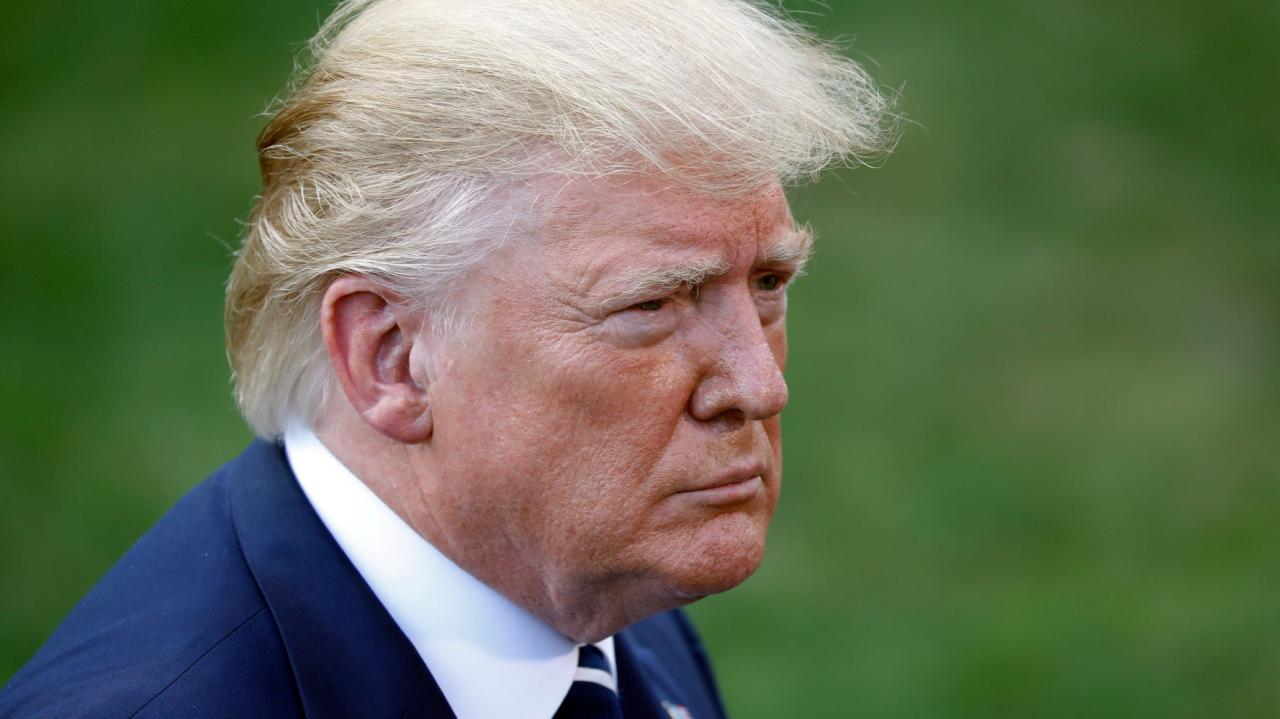
Trump’s immigration policies had a profound and multifaceted impact on various immigrant groups, leaving lasting scars on families, children, and refugees. These policies, often characterized by a zero-tolerance approach, disproportionately affected vulnerable populations, creating a climate of fear and uncertainty. The consequences reverberated across economic and social sectors, highlighting the complex interplay between immigration policy and societal well-being.The policies significantly altered the landscape of immigration in the United States, leading to heightened scrutiny, limited access to legal avenues, and profound hardships for many individuals and communities.
The specific impacts varied widely depending on the circumstances of each group, ranging from family separation to denial of asylum and access to vital services. The economic and social repercussions were far-reaching, impacting not only immigrants but also the broader society.
Impact on Families
Family separation was a particularly egregious consequence of Trump’s “zero tolerance” policy at the border. Thousands of children were separated from their parents, leading to immense trauma and long-term psychological damage. Children and parents alike endured immense stress, anxiety, and fear. These separations highlighted the devastating impact of inflexible immigration policies on vulnerable families, and the human cost of such policies.
For example, the case of a family seeking asylum, whose children were separated from them during the immigration process, became a stark symbol of the policy’s impact.
Impact on Children
The separation of children from their parents was a direct result of the zero-tolerance policy. This practice had a devastating impact on the mental and emotional well-being of children. The trauma experienced by these children could have lasting effects on their development and future prospects. Many children experienced anxiety, depression, and difficulty adjusting to life after the separation.
This issue highlighted the vulnerability of children in immigration proceedings and the urgent need for policies that prioritize their well-being. Furthermore, children born in the United States to undocumented parents were also impacted, facing uncertainty regarding their legal status and access to education and healthcare.
Impact on Refugees
Trump’s administration implemented stricter asylum policies, making it significantly harder for refugees to seek refuge in the United States. The stricter vetting processes and limitations on humanitarian parole created obstacles for individuals fleeing persecution and violence in their home countries. Many refugees faced lengthy delays in processing their applications, leading to prolonged periods of uncertainty and hardship. This policy change had significant consequences for the refugees, impacting their safety, well-being, and ability to rebuild their lives.
Impact on the Healthcare System
Undocumented immigrants face significant challenges accessing healthcare in the United States. Trump’s policies, including stricter enforcement measures, likely contributed to a decline in access to healthcare services for this population. This lack of access can lead to adverse health outcomes and strain the healthcare system in the long run, particularly in areas with high concentrations of undocumented immigrants.
Speaking of controversial topics, the Trump administration’s immigration policies, particularly the doctor deportation issue, are still generating heated debate. Meanwhile, hockey fans are buzzing about the San Jose Sharks’ lineup for their upcoming game against the New Jersey Devils, with Nico Sturm and William Eklund’s availability in question. This potential lineup change highlights the intricate nature of sports news, much like the complex legal battles surrounding the Trump immigration doctor deportation issues.
It’s a reminder that these discussions often intertwine in surprising ways.
Many undocumented immigrants, fearing deportation, avoid seeking necessary medical care, leading to potentially preventable illnesses and complications.
International Relations and Immigration
Trump’s immigration policies significantly impacted international relations, often straining diplomatic ties and hindering cooperation on shared immigration concerns. These policies, which often prioritized border security and stricter enforcement measures, were met with varied reactions from different countries, ranging from outright condemnation to cautious engagement. The consequences were far-reaching, influencing global perspectives on immigration, international law, and the role of nations in addressing shared challenges.
International Implications of Trump’s Policies
Trump’s policies, particularly the “zero tolerance” policy at the border, led to a sharp decline in international cooperation on immigration issues. This was evidenced by reduced communication and collaboration with countries like Mexico, which faced the brunt of the increased border security measures. The policy also created a climate of mistrust and uncertainty among international partners, making it more difficult to address shared challenges such as asylum seekers and human trafficking.
Effect on Diplomatic Relations
Trump’s policies had a demonstrably negative impact on diplomatic relations with many countries. Increased scrutiny of visa applications and restrictions on travel from specific regions created friction and tension with governments in those areas. For instance, the travel ban, targeting several Muslim-majority countries, was met with strong condemnation from international human rights organizations and some governments. These actions were perceived as discriminatory and violated international human rights principles.
Impact on International Cooperation on Immigration Matters
The international community faced difficulties in coordinating efforts on immigration. Trump’s policies undermined existing agreements and frameworks for international cooperation, making it harder to share information, coordinate resources, and address the challenges posed by global migration flows. The lack of consistent and predictable policy created a sense of uncertainty and distrust, hindering collaborative solutions.
Comparison of Immigration Policies
| Country | Key Policy Features | International Impact |
|---|---|---|
| United States (Trump Administration) | Emphasis on border security, stricter enforcement, travel restrictions, and reduced refugee intake. | Strained diplomatic relations with Mexico, Europe, and several other countries; reduced international cooperation on immigration issues. |
| Canada | Generally more welcoming immigration policies, with a focus on economic needs and skilled workers. | Maintained positive relations with other countries, and actively participated in international dialogues on immigration. |
| Germany | Experienced a significant influx of asylum seekers, leading to a policy shift towards stricter border controls and increased cooperation with neighboring countries. | Demonstrated a more nuanced approach to immigration, acknowledging both the humanitarian and security concerns. |
| Mexico | Facing pressure from the U.S. on immigration enforcement, with an emphasis on border security and collaboration to reduce illegal migration. | Experiencing the direct consequences of the U.S. policies, leading to complex negotiations and cooperation challenges. |
Note: This table provides a simplified overview and does not encompass all the complexities and nuances of each country’s immigration policies. Furthermore, the international impact is evaluated based on public statements, diplomatic interactions, and observed cooperation levels.
Comparison with Other Administrations
Trump’s immigration policies represented a significant departure from those of previous administrations, marked by a shift in approach and enforcement strategies. While immigration policy has always been a subject of debate and change, the intensity and scope of the shifts under the Trump administration stood out. Understanding these differences requires examining the evolution of immigration policy across various administrations.The contrasting approaches to immigration have had varied impacts on different groups and the overall social fabric of the nation.
Comparing these policies helps us understand the historical context of immigration debates and the factors driving policy changes. Different administrations have responded to immigration issues based on economic, social, and political factors, resulting in distinct policies and outcomes.
Similarities in Approach Across Administrations
Several recurring themes emerge in immigration policy across different administrations. A consistent concern revolves around border security and control. Different approaches to securing borders have been attempted, with varying degrees of success, reflecting a persistent need for effective management of the nation’s borders. Another common thread involves the desire to maintain a balance between national security and humanitarian concerns.
Finding the right balance between protecting national interests and upholding humane treatment of immigrants is a significant challenge in immigration policy.
Differences in Enforcement Strategies
Enforcement strategies have differed across administrations. Trump’s administration emphasized stricter enforcement measures, including increased deportations and the construction of a border wall. These measures aimed to deter illegal immigration, but the impact on various groups and the effectiveness of these approaches have been subjects of intense debate. Prior administrations had employed a mix of enforcement strategies, but the scale and focus of Trump’s approach were distinctive.
Changes in Legal Frameworks
Significant legal changes were implemented during the Trump administration. These changes focused on tightening immigration laws, creating new restrictions, and challenging existing legal precedents. For example, changes in visa policies, asylum procedures, and the definition of “illegal immigration” were central to the administration’s approach. These changes have been met with considerable legal challenges and have significantly altered the legal landscape surrounding immigration.
Timeline of Immigration Policy Evolution
| Administration | Key Policy Initiatives | Impact |
|---|---|---|
| Pre-Trump | Various policies focusing on border security, guest worker programs, and refugee resettlement. | Varying levels of success in managing immigration flows. Some policies faced criticism for their humanitarian impact. |
| Trump | Emphasis on stricter border security, increased deportations, travel bans, and changes to asylum laws. | Significant increase in deportations and stricter enforcement. The administration faced legal challenges and widespread criticism regarding its impact on vulnerable populations. |
| Post-Trump | Subsequent administrations have implemented policies that have attempted to refine and adjust Trump’s approach. | The effects of these policies are still being evaluated, with varying degrees of success. |
The table above offers a basic overview of how immigration policies have evolved. It is important to note that each administration’s policies have a complex interplay of factors influencing their creation and implementation.
Outcome Summary
In conclusion, Trump’s immigration policies, coupled with the involvement of medical professionals and deportation procedures, have had far-reaching consequences. This discussion highlights the multifaceted nature of the issue, considering diverse viewpoints and impacts on various groups. The implications for international relations and the evolution of immigration policy over time are also discussed. Ultimately, the analysis emphasizes the need for a nuanced understanding of the complex interplay between immigration, medical professionals, and deportation policies.