The modern kitchen has evolved from a purely functional workspace into the social and aesthetic heart of the home, driving a renewed consumer focus on the objects that populate our daily rituals. While culinary technology and high-end appliances often dominate home design discussions, a subtle shift in consumer behavior reveals that the "everyday" elements—specifically glassware—have become a primary medium for personal expression. Data from the home goods sector indicates that sales of artisanal and design-forward stemware have risen by approximately 18% year-over-year, as homeowners increasingly seek to elevate mundane experiences, such as drinking a glass of water, into intentional, celebratory moments.

The psychology of the drinking vessel is deeply rooted in ergonomics and tactile satisfaction. Designers and anthropologists alike note that the weight, rim thickness, and balance of a glass significantly influence the sensory perception of a beverage. For the contemporary consumer, the choice of glassware is no longer reserved for special occasions or formal dinner parties. Instead, it has become a "micro-luxury" that provides a sense of continuity and aesthetic refinement in an otherwise busy routine.
The Evolution of Glassware Design and Manufacturing
The history of glass production is a testament to human ingenuity, shifting from the rare, hand-blown luxuries of the Venetian Renaissance to the highly standardized, machine-pressed products of the industrial age. However, the current market is witnessing a renaissance of the artisanal. Manufacturers are increasingly utilizing advanced crystalline glass, a material that offers the brilliance and clarity of traditional lead crystal without the environmental and health concerns, while remaining durable enough for modern dishwasher use.

Industry experts suggest that this shift is part of a broader "slow living" movement. As individuals spend more time at home, the objects they interact with daily are held to higher standards of craftsmanship. The resurgence of handblown techniques, often featuring subtle imperfections, has created a premium market for items that feel unique. This "perfectly imperfect" aesthetic—where each piece reflects the slight variations of its creation—provides a narrative quality that mass-produced, identical glassware lacks.
Evaluating Quality: A Technical Perspective
When assessing the value of a glass, professionals prioritize three key metrics: thermal resistance, structural integrity, and refractive index. Borosilicate glass, for instance, has become a favorite for both design-forward and practical collections due to its resistance to thermal shock.

For the oenophile, the shape of the bowl remains the most critical functional element. The "tulip" shape, favored by brands like Glasvin, is designed to maximize surface area for aeration while narrowing toward the top to concentrate aromas, thereby enhancing the olfactory experience of the wine. Conversely, tumblers and coupes prioritize versatility and tactile engagement. A well-designed tumbler should offer a "reassuring heft," providing a sense of stability that improves the user’s overall interaction with the vessel.
A Curated Selection of Contemporary Glassware
The current market landscape is characterized by a mix of heritage brands and independent studios. The following pieces represent the intersection of form, function, and modern interior trends.

LSA International Borough Wine Glass
LSA International has long been a staple in the high-end tabletop market. Their Borough series utilizes crystalline glass, a material favored for its durability. The generous bowl capacity of these glasses serves a functional purpose, allowing for an "enthusiastic swirl" of the wine, which helps oxygenate the liquid and release complex flavor profiles. This set is particularly noted for its dishwasher-safe properties, bridging the gap between delicate aesthetics and the realities of modern maintenance.
Estelle Colored Glass Champagne Coupes
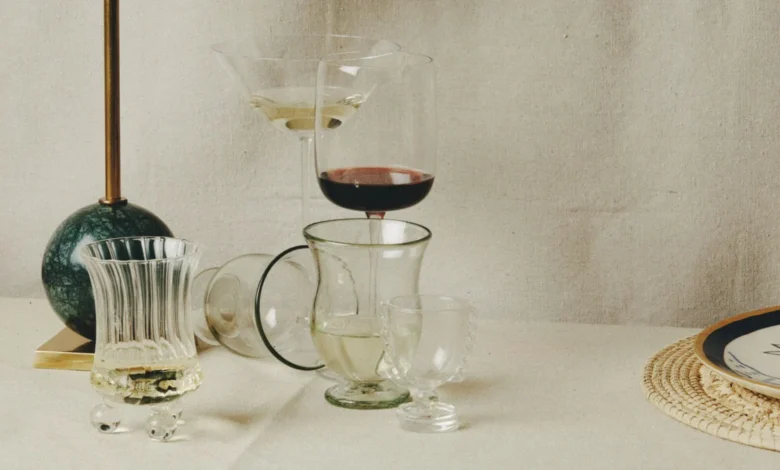
The rise of "tablescaping"—the art of arranging a table with a cohesive theme—has propelled the popularity of colored glass. Estelle Colored Glass, founded by Stephanie Summerson Hall, has become a defining force in this trend. Their mixed-set coupes offer a vibrant, eclectic visual appeal. Beyond the aesthetic, these colored vessels serve a practical function in a social setting: they act as a visual marker, allowing guests to easily identify their glass during a crowded dinner party, thereby reducing the need for traditional wine charms.

The Artisanal Appeal of La Riccia
For those who value the narrative of the object, the handblown glasses from il Buco Vita represent the pinnacle of current design preferences. By eschewing molds, these artisans ensure that every glass is distinct. The color variations—shifting between deep greens, blues, and grays—are a byproduct of the recycled glass process. This lack of uniformity is a deliberate design choice that aligns with the current move toward "wabi-sabi" aesthetics, which celebrate the beauty of the transient and the imperfect.
Glasvin Obsession Glass
In the professional sommelier circle, the focus is often on the "featherlight" experience. The Glasvin Obsession line is engineered to minimize the weight of the glass, placing the focus entirely on the beverage. Despite their fragile appearance, these glasses are constructed with a focus on high tensile strength, ensuring they can withstand the rigors of frequent use. Their popularity reflects a growing sophistication among home drinkers who prioritize the objective performance of the glassware.

Sophie Lou Jacobsen and Rebecca Udall
The integration of patterns and organic forms, as seen in the work of Sophie Lou Jacobsen and Rebecca Udall, suggests a move toward maximalism in tabletop design. Jacobsen’s Verre glasses, inspired by wildflowers, use flared rims to create a silhouette that feels sculptural. Meanwhile, the use of delicate dots and stripes in the Rebecca Udall Elisa tumblers offers a subtle texture that elevates a basic water pour. These pieces demonstrate how small, intentional design choices can harmonize with existing decor without overwhelming the table.
Broader Implications and Market Impact
The shift toward premium, design-conscious glassware carries implications for the broader homeware industry. Retailers are reporting that consumers are increasingly willing to invest in smaller quantities of high-quality items rather than purchasing large, inexpensive sets. This trend toward "quality over quantity" is consistent with broader sustainability goals, as consumers move away from disposable, low-durability goods.

Furthermore, the influence of social media platforms has accelerated the visibility of these niche glassware brands. A "festive" tabletop, captured in a photograph, has become a social currency. This digital amplification has allowed independent designers and smaller, boutique manufacturers to compete with legacy firms, provided they can offer a compelling brand story and a distinct visual identity.
Conclusion: The Value of Daily Rituals
Ultimately, the decision to invest in better glassware is an investment in the quality of one’s daily life. While the functional necessity of a drinking vessel remains constant, the emotional and aesthetic satisfaction derived from using a well-crafted object is significant. As the boundaries between "everyday" and "special occasion" continue to blur, the items we keep in our cabinets serve as a reflection of our priorities. Whether it is the weight of a handblown tumbler or the precise geometry of a crystal wine glass, these objects turn the simple act of consumption into an intentional, elevated experience. The modern home, enriched by these details, becomes a more thoughtful and inviting space, one glass at a time.