Following an extensive summer testing period that spanned over 14,000 miles of varied terrain, industry experts have released the definitive guide to the top-performing sports watches of 2026. The testing initiative, conducted by a specialized panel of athletes and data analysts, sought to evaluate how modern wearables handle the increasing demand for off-grid connectivity, biometric precision, and long-term durability. As the market for multisport technology matures, manufacturers have shifted focus from simple step-tracking toward integrated ecosystem support, including satellite communication, advanced physiological readiness scoring, and ruggedized materials designed for extreme environments.
The consensus from this year’s testing cycle is that the gap between professional-grade instrumentation and consumer-facing technology has narrowed significantly. However, as product complexity increases, the choice for the end-user has become increasingly dependent on specific use cases, such as ultrarunning, backcountry hunting, or daily athletic training.
Evolution of the Market: From Trackers to Survival Tools
The sports watch market has undergone a significant transformation since early 2025. The shift is marked by a departure from purely aesthetic design toward mission-critical functionality. Industry data indicates that consumer interest in offline mapping and SOS-capable satellite connectivity has surged by 22% over the last eighteen months. This trend has prompted legacy manufacturers like Garmin to double down on hardware resilience, resulting in the introduction of full-titanium casings and enhanced solar-charging arrays that effectively double the operational lifespan of devices in remote settings.
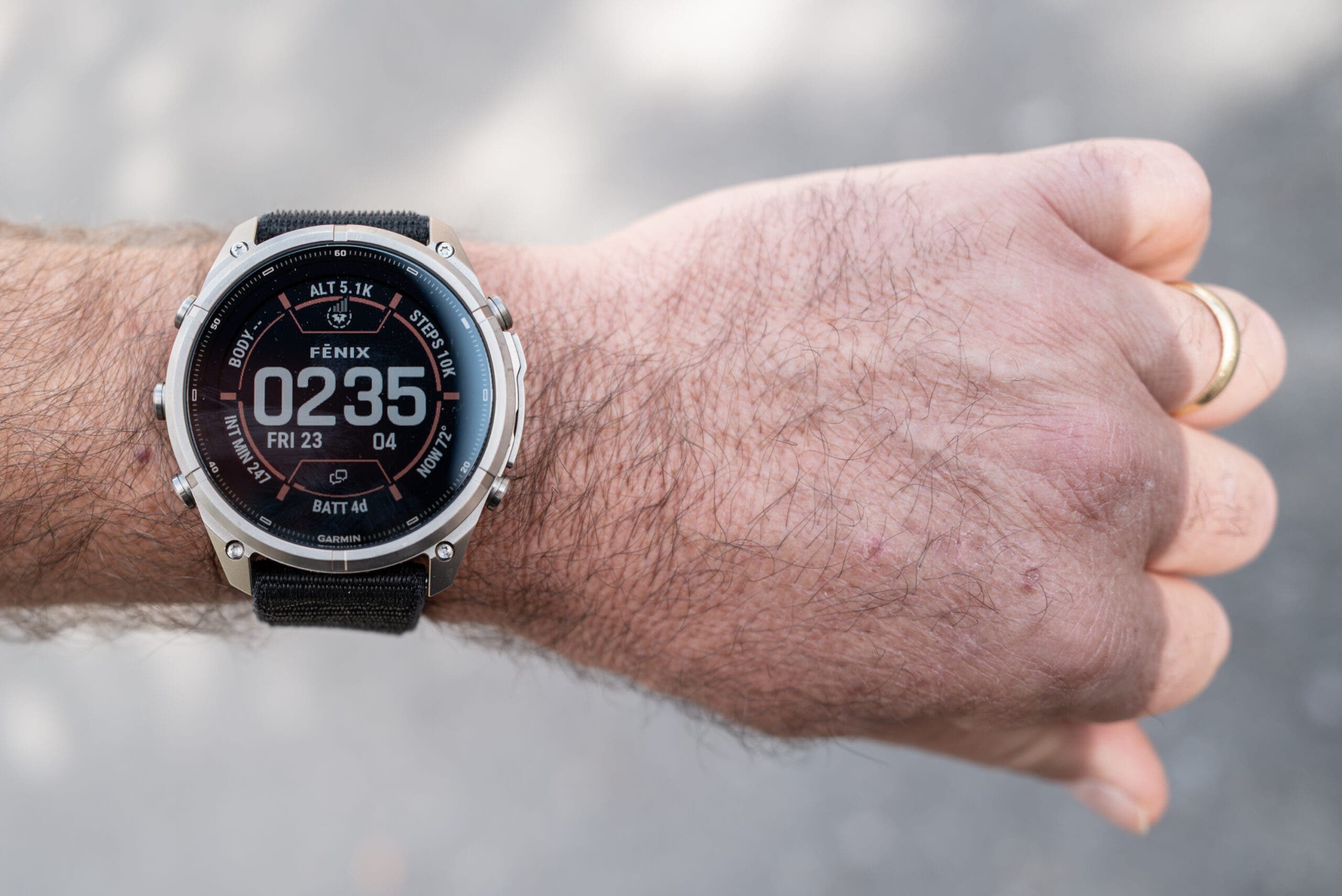
This evolution is not merely superficial. The integration of high-resolution AMOLED screens, which were once considered too power-hungry for endurance athletes, has now become a standard requirement. Manufacturers have solved the battery-drain dilemma through adaptive display technology, which allows for vibrant visuals during peak activity and low-power, high-efficiency states during rest periods.
Top Performers in the 2026 Testing Cycle
The testing process, which concluded in October 2026, highlighted several key devices that outperformed their competitors in specific metrics.
Garmin fenix 9 Pro Solar: The Gold Standard for Backcountry Utility
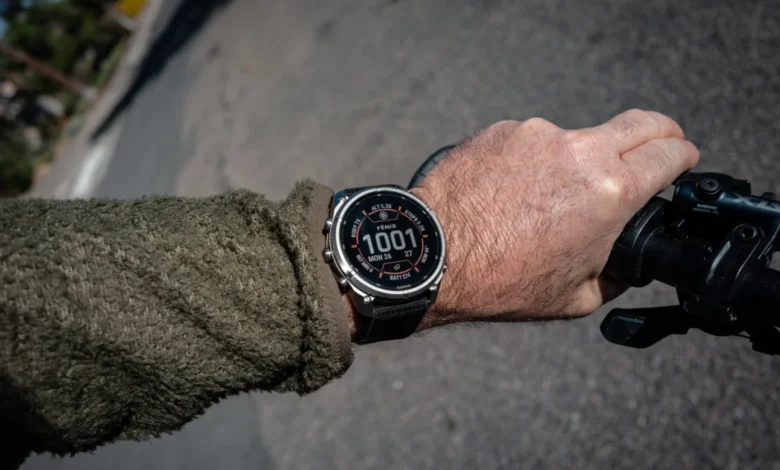
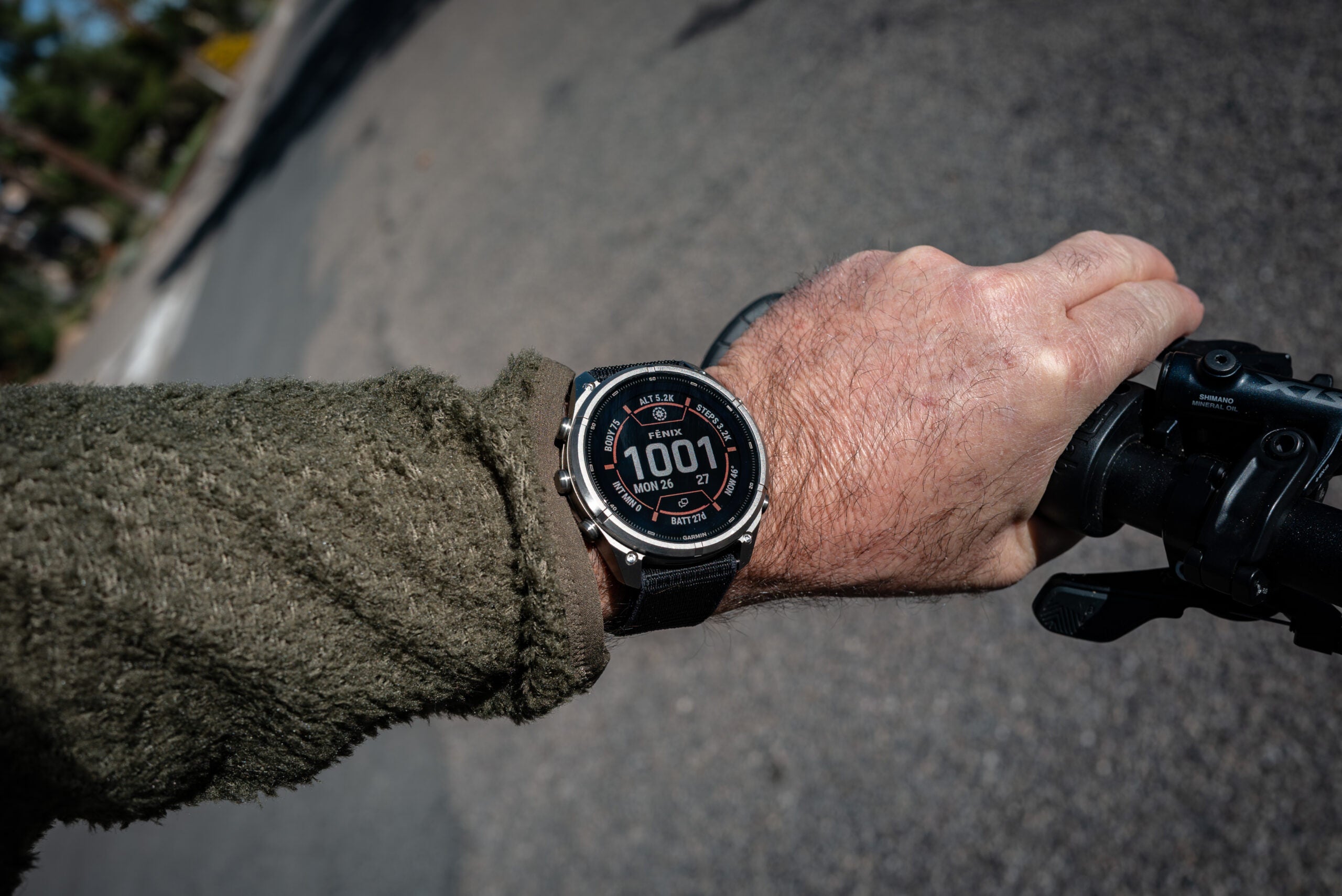
Garmin retains its industry-leading position with the fenix 9 Pro. By building upon the success of the 8 Pro, the new model introduces a full-titanium chassis and enhanced solar harvesting, pushing the battery life to a staggering 57 days in standard mode and 211 hours in GPS mode. The inclusion of inReach satellite connectivity—a feature that allows for two-way communication and emergency SOS triggering independent of cellular networks—positions this device as a primary safety tool rather than just a fitness tracker. While the price point remains high, the reliability of the titanium build and the maturity of Garmin’s proprietary training analytics software make it the top recommendation for serious outdoor professionals.
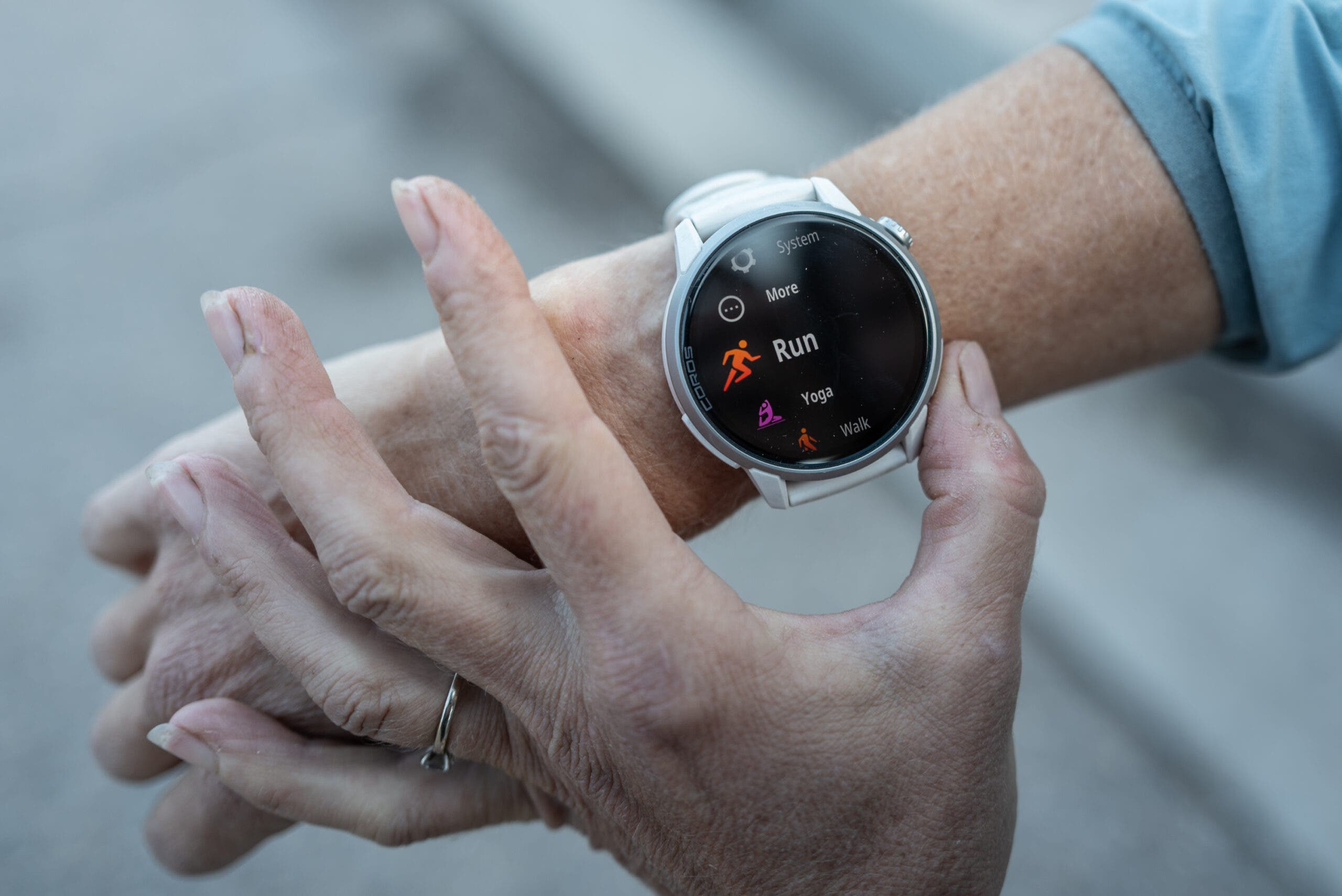
Coros Pace 4 Pro: Balancing Cost and Capability
For the mid-market segment, the Coros Pace 4 Pro emerged as the superior choice. The device bridges the gap between high-end titanium construction and an accessible price point, coming in at under $500. During testing, the Pace 4 Pro demonstrated exceptional heart rate monitoring accuracy, often rivaling chest-strap sensors. Its 1.47-inch display provides high-visibility metrics under direct sunlight, and despite its slim 11.8 mm profile, it maintains a 45-hour GPS battery life. It is widely viewed by the testing panel as the most balanced device for athletes who require data-driven insights without the bulk of larger multisport watches.
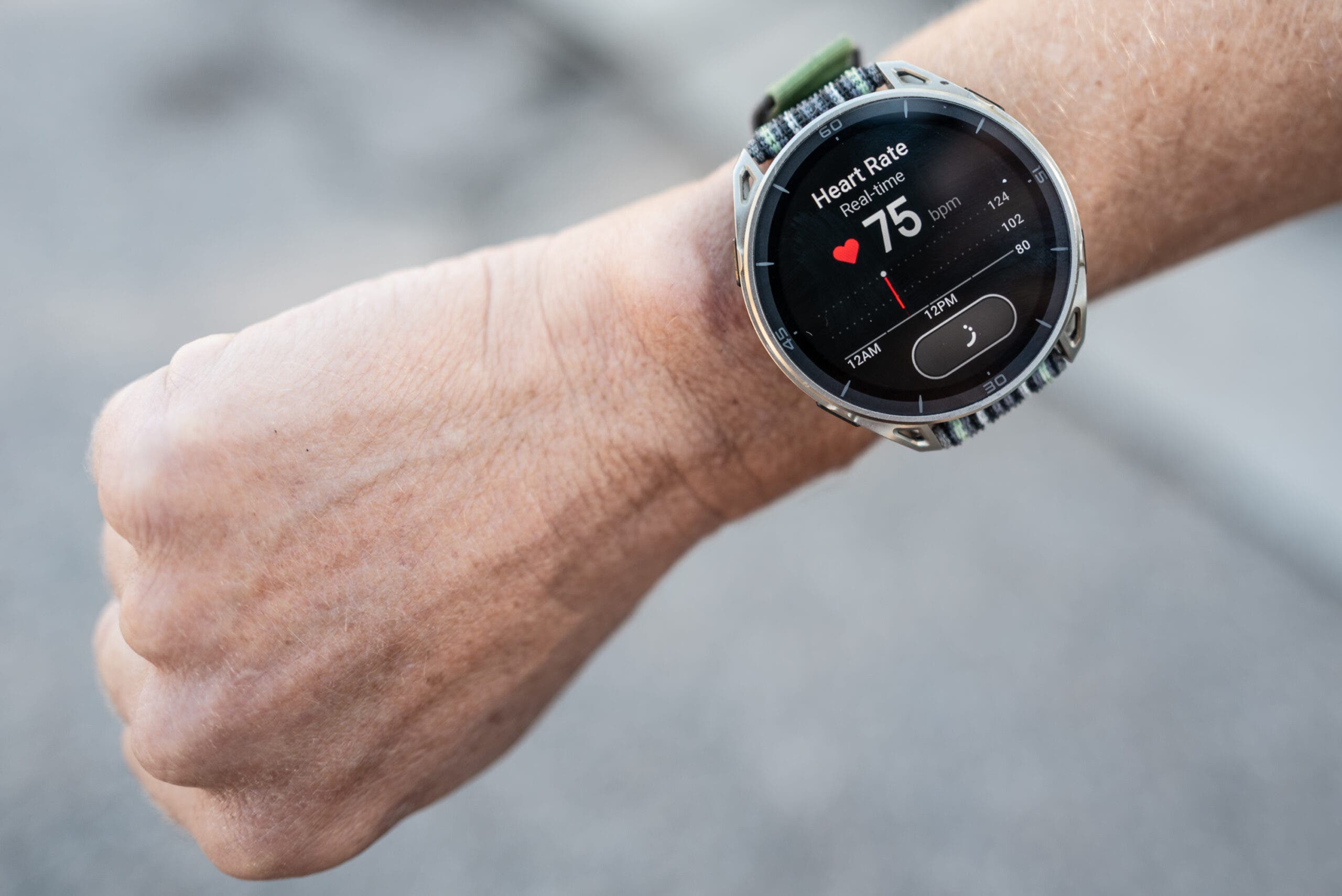
Amazfit Cheetah 2 Ultra: The Value Proposition
Amazfit continues to challenge higher-priced competitors by offering premium features at a fraction of the cost. The Cheetah 2 Ultra, despite its unconventional naming convention, proved highly durable. The inclusion of a titanium casing and an integrated LED flashlight—a feature traditionally reserved for flagship models—highlights the company’s push into the premium market. The device’s ability to estimate lactate threshold provided testers with actionable data that helped prevent overtraining, making it a compelling option for those focused on rigorous performance gains.
Suunto Run 2: Efficiency for Distance Runners
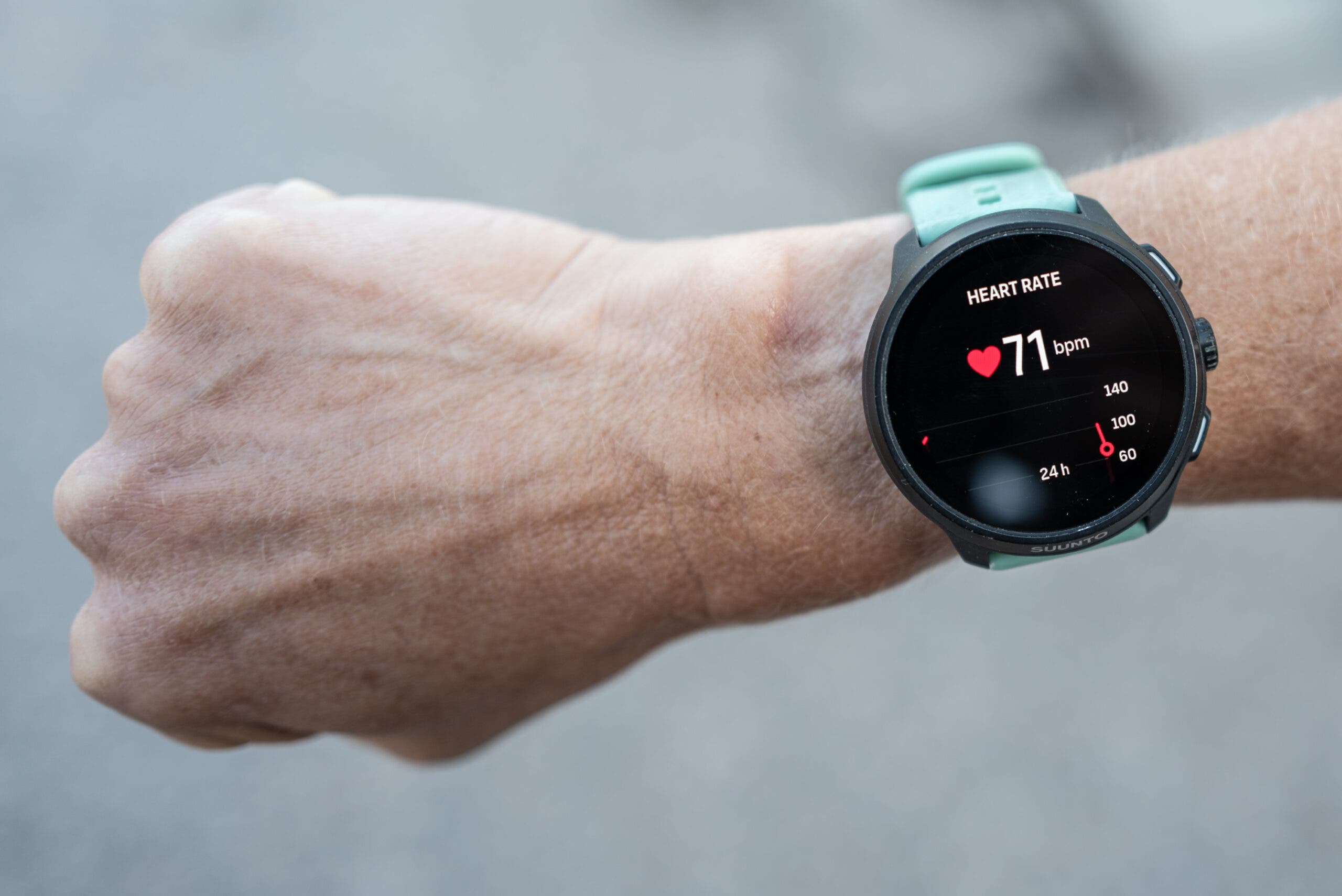
Suunto’s approach to the Run 2 is one of minimalist efficiency. By stripping away extraneous "smart" features that often distract from training, the company has created a 1.2-ounce powerhouse that performs consistently for long-distance runners. With 24 hours of dual-band GPS tracking, it is designed for the 50-to-100-mile racing segment. While its software integration with mobile applications remains a point of friction, the raw accuracy of its hardware is among the best in the industry.
Apple Watch Ultra 4: The Weekend Warrior’s Choice
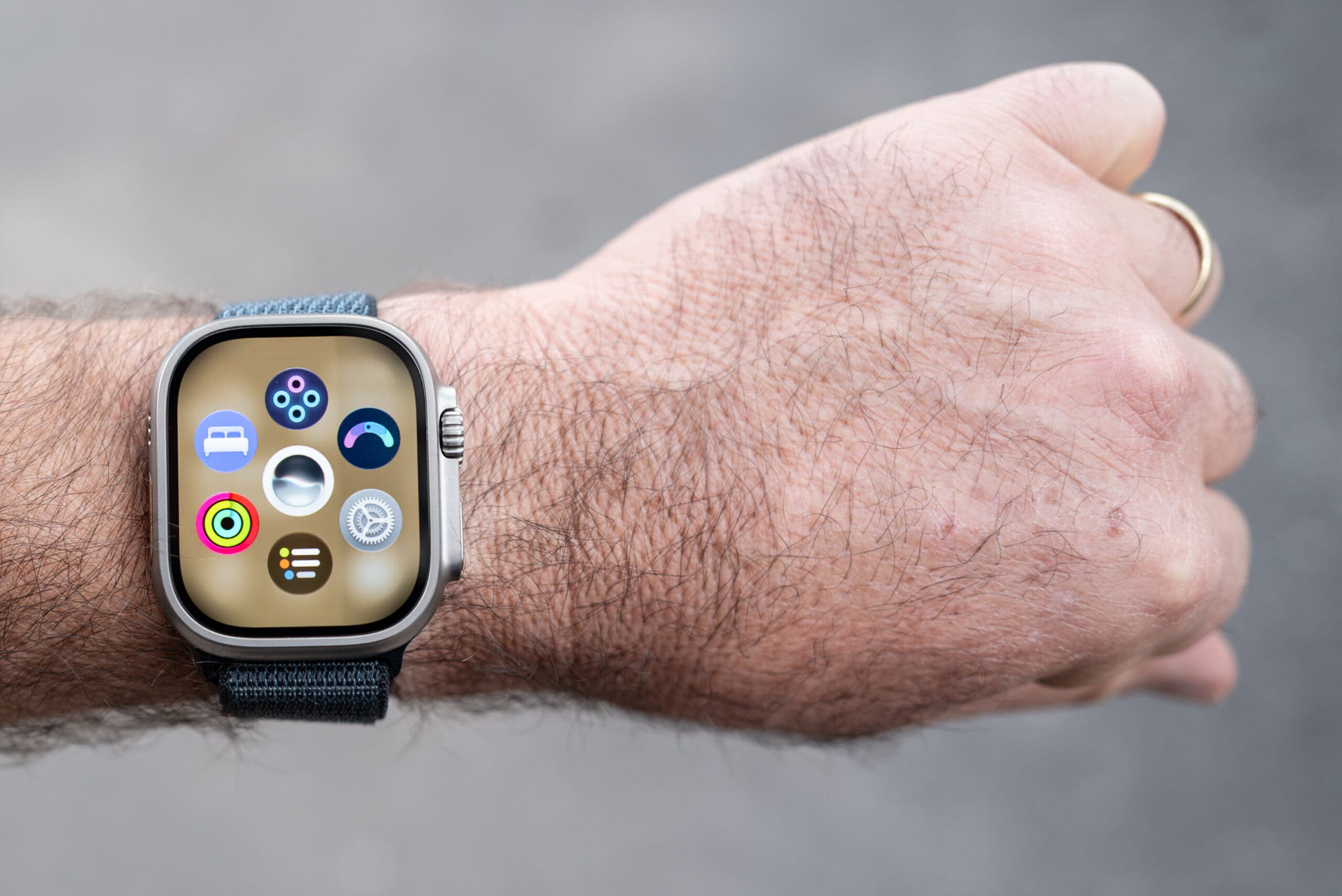
The Apple Watch Ultra 4 represents the pinnacle of consumer health integration. By conducting a major study on heart rate sensor accuracy, Apple has improved its HRV (Heart Rate Variability) and "Readiness" scores, making them more intuitive for the average user. The Apple ecosystem’s seamless notification management and communication tools make it the best daily driver for those who balance a professional life with high-intensity weekend athletics. While its battery life does not compete with specialized endurance watches, the introduction of rapid charging—providing 18 hours of life in 15 minutes—has effectively mitigated the "battery anxiety" that plagued previous generations.
Bridger Reckon: A New Competitor in Specialized Mapping
The most notable entry in 2026 is the Bridger Reckon. Developed by a Montana-based startup, the device is explicitly designed for the hunting community. Its standout feature is its rectangular, two-inch AMOLED screen, optimized for displaying onX-integrated topographical maps. In a market dominated by circular watch faces, the rectangular form factor allows for superior map navigation and waypoint visualization. This design choice represents a significant departure from standard industry trends, reflecting the needs of users who prioritize navigation over traditional workout metrics.
Technical Analysis: The Impact of Battery and Sensor Technology
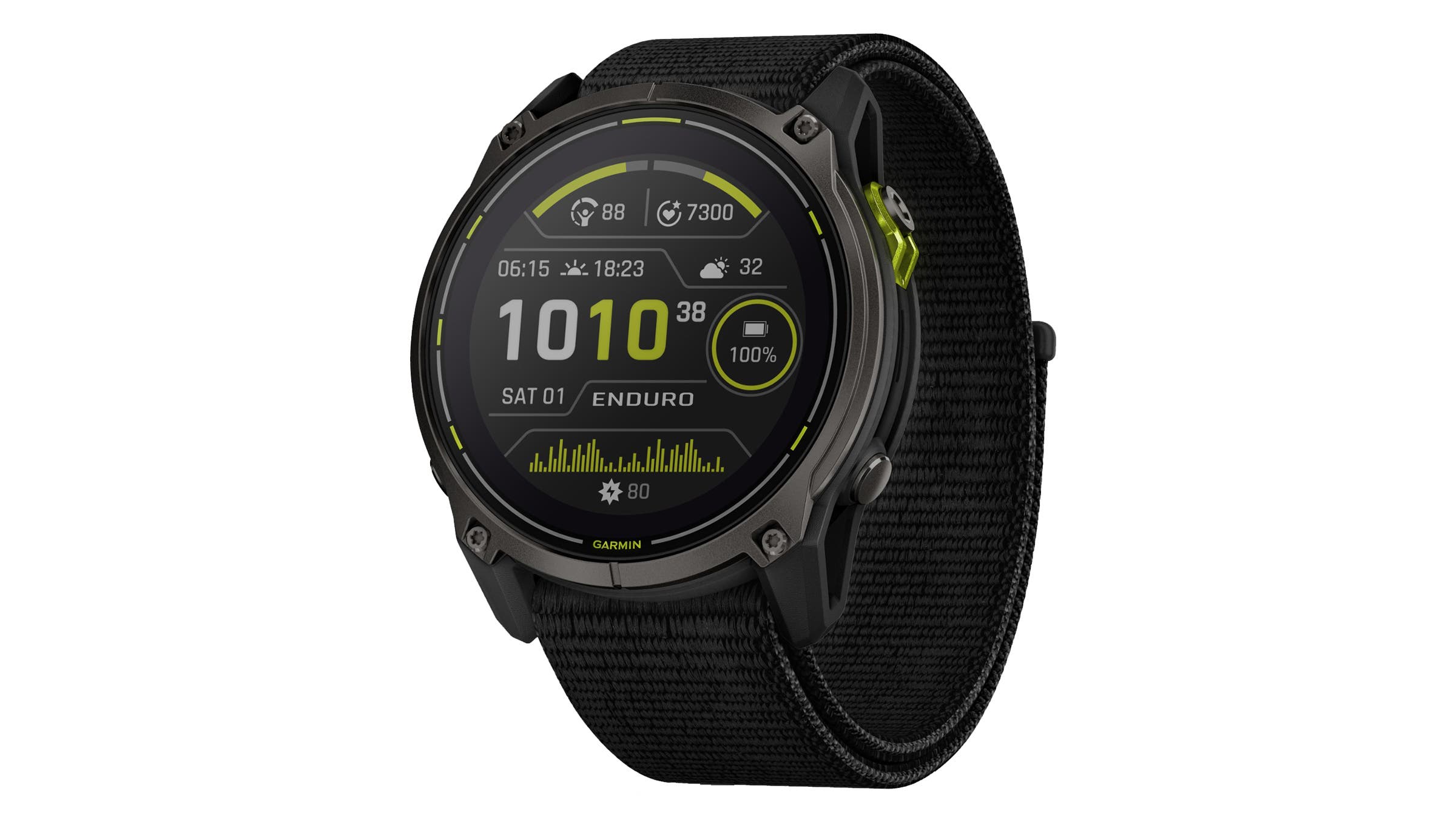
The shift toward solar-integrated charging represents the most significant technical advancement in the 2026 product cycle. As seen in the Garmin Enduro 3 and the fenix 9 Pro, solar harvesting can extend battery life by up to 30% depending on ambient light exposure. This is a critical development for the sport of ultrarunning, where athletes may remain on course for days at a time.
Furthermore, the industry is seeing a convergence in sensor accuracy. The "readiness score"—an aggregate metric calculated from sleep, HRV, and past performance—has moved from a novelty feature to a standard expectation. When implemented correctly, these scores help athletes regulate intensity. However, as noted by the testing panel, users should treat these as supplemental data points rather than absolute mandates. The human element, specifically listening to one’s own physical cues, remains as vital as the algorithms provided by the software.
Considerations for the Consumer
When selecting a sports watch, experts suggest a three-step evaluation process:
- Define the Primary Use Case: A user who spends 90% of their time on road runs does not require the heavy-duty mapping or satellite SOS features of a backcountry watch. Conversely, an adventurer who spends weeks off-grid must prioritize battery efficiency and durability over notification capabilities.
- Evaluate Ecosystem Compatibility: Consider the current smartphone being used. The Apple Watch provides the most fluid experience for iOS users, while Garmin and Coros offer more cross-platform flexibility with their proprietary apps.
- Physical Ergonomics: Wearable comfort is the most overlooked factor in user satisfaction. A 51mm watch may look impressive, but for smaller wrists or high-intensity activity, a smaller, lighter watch is often more effective at remaining secure and accurate during movement.
Conclusion
The 2026 landscape for sports watches is defined by a higher baseline of quality than ever before. Whether the priority is the specialized topographical mapping of the Bridger Reckon, the multisport endurance capabilities of the Garmin Enduro 3, or the health-ecosystem integration of the Apple Watch Ultra 4, consumers have a diverse range of high-performance tools. As the technology continues to iterate, the industry is likely to see further advancements in sensor miniaturization and battery energy density, continuing the trend of turning the wrist-worn device into an indispensable partner for the modern athlete.