The Genesis and Evolution of Coliving Infrastructure
The concept of coliving is not entirely new, but its professionalization for the high-income remote worker began in earnest around 2015. Outsite, founded by Emmanuel Guisset, started with a singular property in Santa Cruz, California. The initial value proposition was narrow: providing a space where professionals could balance surfing with high-level output. However, as the digital nomad demographic aged out of the traditional "backpacker" phase, the market required a more sophisticated offering. By 2024, the platform has expanded to a membership base of over 5,000 individuals, reflecting a broader trend where remote workers seek "boutique hotel" aesthetics combined with "enterprise-grade" utility.
The timeline of this growth mirrors the expansion of the global remote workforce. In 2019, an estimated 7 million Americans identified as digital nomads; by 2023, that number had skyrocketed to over 17 million, according to data from MBO Partners. This demographic shift has necessitated a move away from the "unreliable Wi-Fi and shared dorms" model. The modern coliving space is defined by a hybrid architecture: private residential quarters, often with en-suite bathrooms, paired with expansive communal kitchens and dedicated coworking zones equipped with ergonomic seating, standing desks, and redundant high-speed internet connections.
The Outsite Model: Membership and Operational Logistics
Unlike traditional hospitality models, Outsite operates on a membership-driven ecosystem designed to foster long-term loyalty and community stability. While the platform allows for non-member bookings, the incentive structure heavily favors its "Members Only" tier. For an annual fee of $199 or a lifetime payment of $499, users gain access to discounted rates, early access to new locations, and a curated internal network. This membership model serves as a vetting mechanism, ensuring that the inhabitants of these spaces are generally working professionals in their late 20s to 40s, rather than transient tourists.
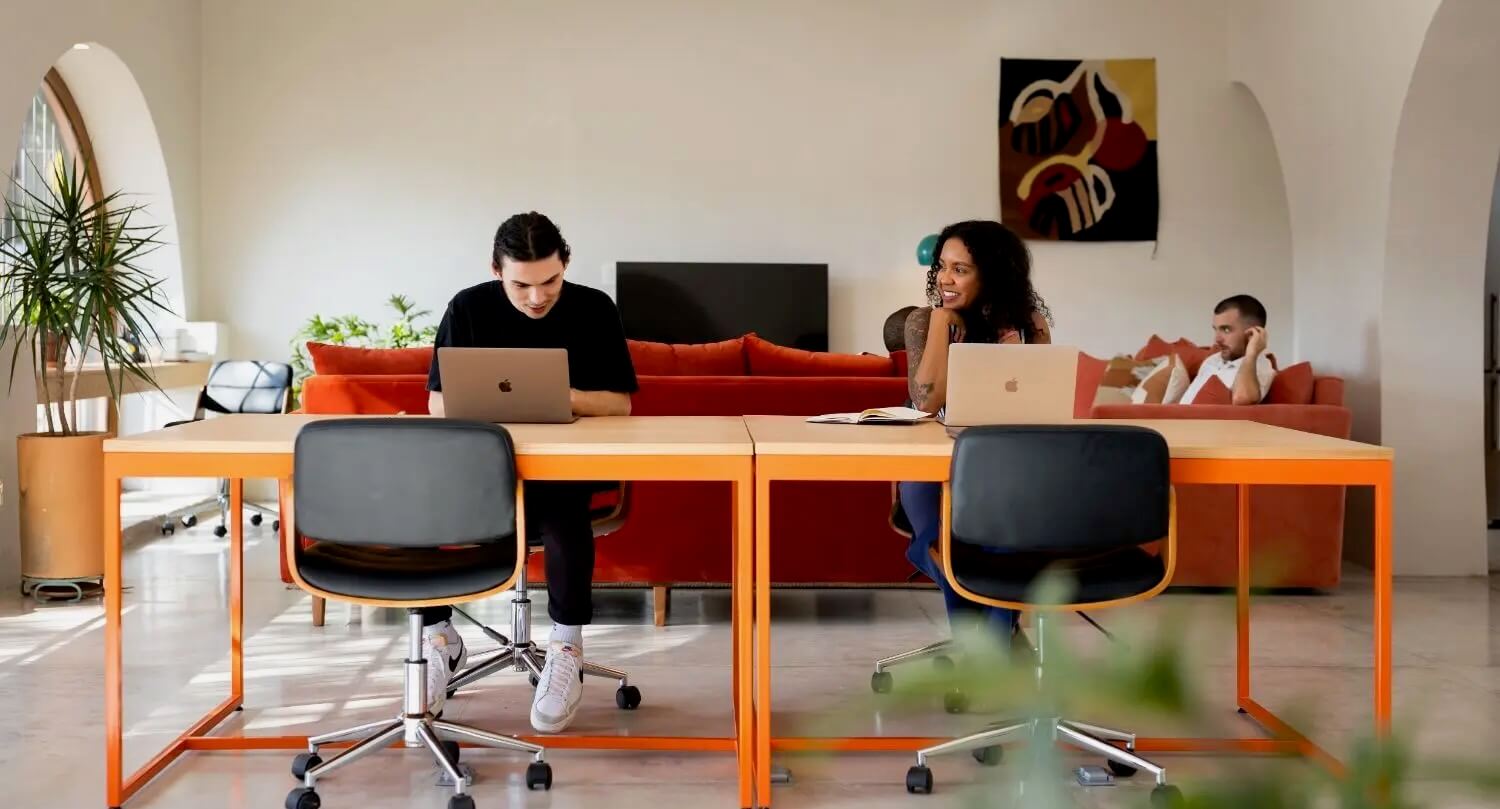
Operationally, the platform functions by curating properties that offer a "plug-and-play" lifestyle. Locations are categorized by "vibe"—including beach, city, and mountain—allowing users to filter their environment based on personal preference or seasonal climate. The logistics of a stay are handled via a centralized digital interface, but the local experience is mediated by a "Community Manager." This role is pivotal in the coliving industry, acting as a bridge between the nomadic residents and the local culture, while also managing the social friction that can arise in shared living environments.
Case Study: Professional Integration in Bordeaux, France
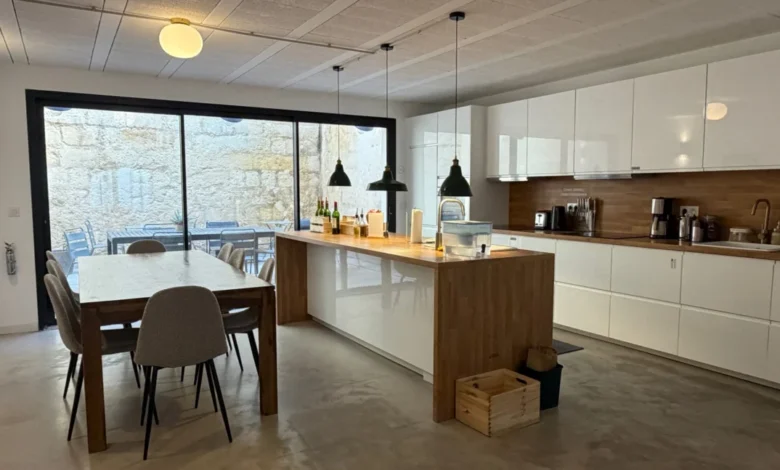
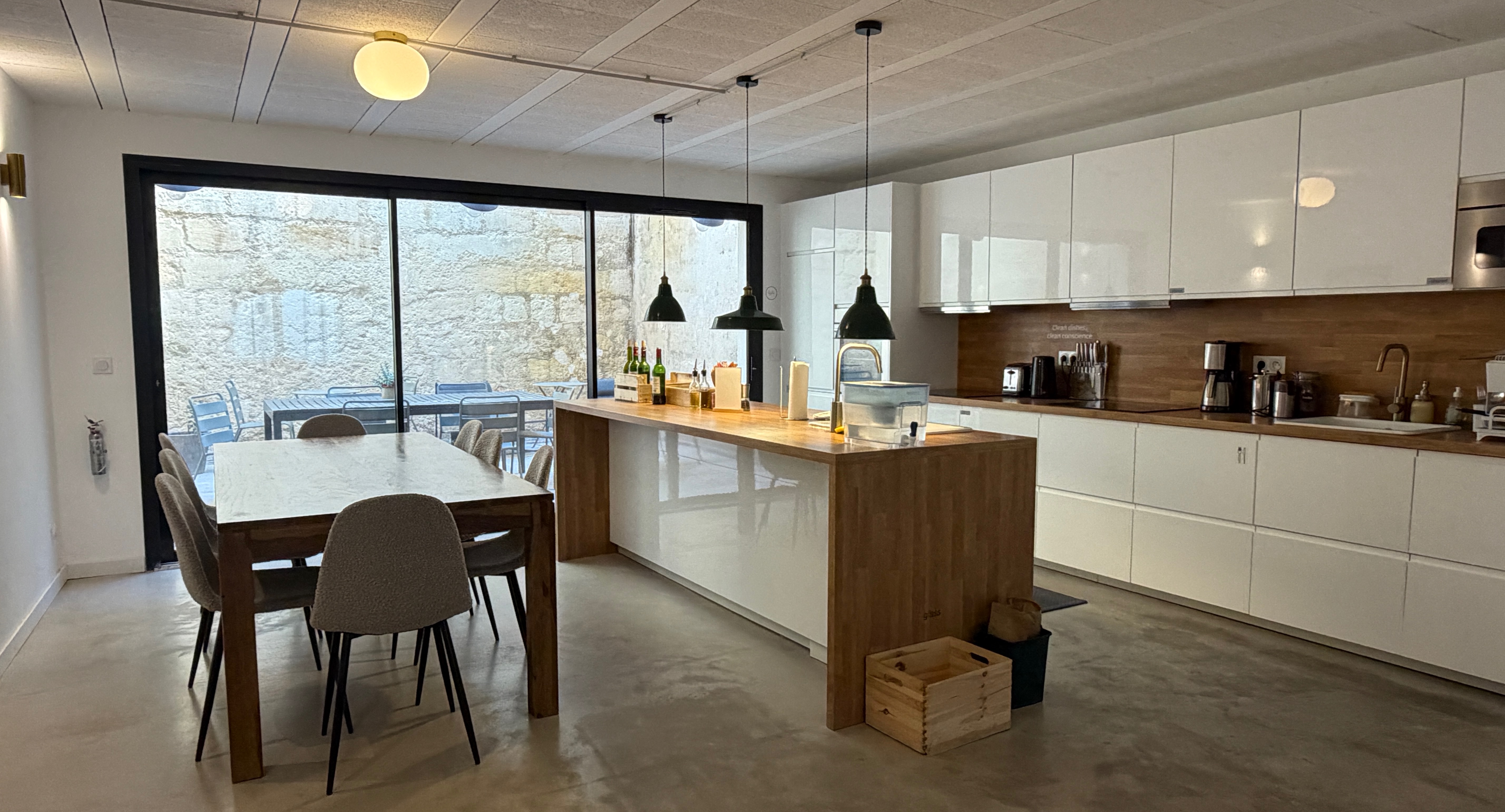
The expansion of coliving into secondary European cities like Bordeaux illustrates the strategic shift toward locations that offer high "livability" scores and robust cultural infrastructure. In Bordeaux, the coliving model has been integrated into the city’s historic fabric, offering modern amenities within traditional architecture. The property features include on-site laundry, small-scale fitness centers, and high-specification communal kitchens.
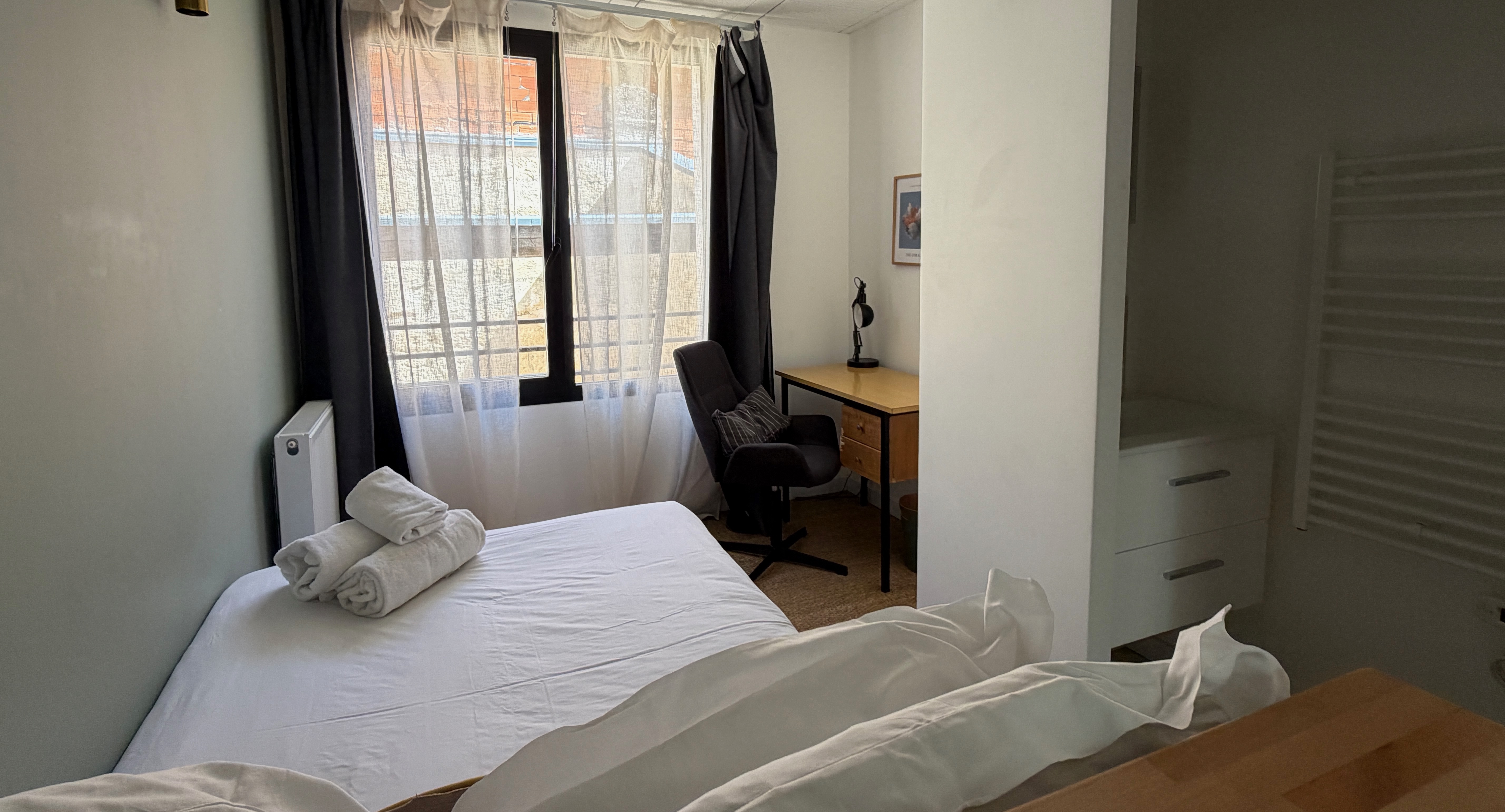
During a recent analysis of the Bordeaux location, the effectiveness of the "focus-first" design was evident. The inclusion of private desks in bedrooms, coupled with a shared coworking space, addresses the primary pain point of remote work: the need for environmental variety to maintain productivity. Furthermore, the social integration in Bordeaux is facilitated through organized "mixers," Friday night tapas crawls, and WhatsApp-coordinated community events. This structured socialization addresses the "isolation epidemic" frequently reported by long-term solo travelers. For the professional worker, the availability of a Community Manager to provide local culinary recommendations and logistical support reduces the cognitive load of relocation, allowing for an immediate transition into deep work.
Comparative Analysis: Coliving vs. Traditional Accommodations
When evaluating the economic feasibility of coliving platforms, a comparative analysis against Airbnbs and traditional hotels reveals a distinct value proposition. While a $15-a-night hostel remains the baseline for budget travelers, the professional nomad requires amenities that these environments cannot guarantee.
- Internet Reliability: Traditional Airbnb hosts often overestimate their bandwidth capabilities. Coliving spaces like Outsite utilize business-class fiber optics with mesh network coverage to ensure zero downtime—a non-negotiable requirement for those in software engineering, fintech, or executive roles.
- Ergonomics: Hotels rarely provide chairs designed for eight-hour workdays. Professional coliving spaces invest in ergonomic office furniture, reducing the physical strain associated with remote work.
- The "Coworking Tax": For a nomad using a standard hotel, the additional cost of a monthly pass at a local coworking space (often ranging from $200 to $500) must be factored in. By bundling these costs, coliving platforms often provide a more cost-effective total package for stays exceeding two weeks.
However, the model is not without its constraints. High-demand locations such as Lisbon, Portugal, or Santa Teresa, Costa Rica, often require bookings several months in advance, limiting the "spontaneous" travel traditionally associated with the nomadic lifestyle.
Demographic Trends and Social Dynamics
The shift in age and professional status among digital nomads is perhaps the most significant data point in the industry’s evolution. The "Outsite demographic" skews older than the hostel crowd, consisting primarily of established professionals who have traded a fixed office for global mobility. This maturity changes the social dynamic of the living space; the emphasis shifts from late-night partying to networking, collaborative skill-sharing, and "family-style" dinners.
The social structure is further reinforced by the "Community Manager," who acts as a social architect. By organizing events like morning yoga or weekend group trips, these managers mitigate the transient nature of the residents, creating a sense of "instant belonging." This is a critical component of the service, as studies have shown that loneliness is the leading cause of "nomad burnout," leading many to return to traditional office environments within 12 to 18 months.
Regulatory Challenges and Market Outlook
As the coliving industry matures, it faces increasing regulatory scrutiny. In major metropolitan areas like New York City, strict housing laws and short-term rental regulations have forced platforms to adapt. In some jurisdictions, a 30-day minimum stay is legally mandated to avoid competing with the hotel industry or violating local residential zoning. These regulations vary significantly by country and city, creating a complex legal landscape for platforms to navigate.
Despite these hurdles, the market outlook for professional coliving remains bullish. The "Great Resignation" and the subsequent stabilization of remote work policies in the tech and creative sectors have created a permanent class of "location-independent" workers. Future growth is expected to focus on "hub-and-spoke" models, where members can rotate between different climates and cultures while maintaining a consistent standard of living and working.
Implications for the Future of Global Work
The rise of platforms like Outsite signifies a broader institutionalization of global mobility. It suggests that the future of work is not merely about "working from home," but "working from anywhere" with the support of a global infrastructure. By solving the dual challenges of professional productivity and social isolation, coliving spaces are providing a blueprint for how a globalized workforce can live sustainably and efficiently.
For the modern traveler, the choice is no longer between the isolation of a private apartment and the chaos of a budget hostel. The emergence of professional coliving represents a middle ground—a "tribe" for the professional nomad that values both the sanctity of a private room and the synergy of a shared table. As this sector continues to innovate, it will likely influence broader hospitality trends, forcing traditional hotels to reconsider their "business center" offerings and driving cities to compete for the economic contributions of high-earning, mobile professionals. In this new era, the "office" is no longer a fixed coordinate, but a global network of desks, coffee machines, and community-driven homes.
Related posts: