Braun Grooming Technology Dominates Black Friday Retail Landscape With Significant Price Reductions

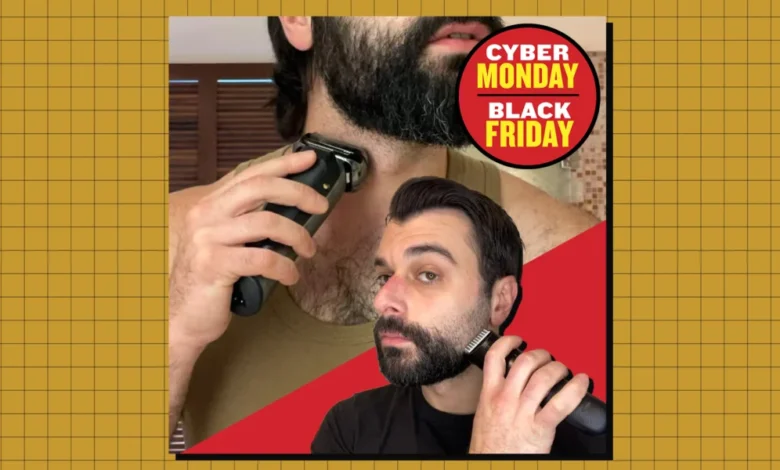
The annual Black Friday shopping period has once again highlighted the enduring market dominance of premium personal grooming technology, with Braun, a subsidiary of Procter & Gamble, emerging as a central figure in consumer electronics sales. Retail data indicates that grooming devices have become a staple of late-November promotional cycles, driven by high consumer demand for high-end electric shavers and modular beard trimmers. This year, the brand has introduced aggressive pricing strategies across its flagship product lines, including the Series 9 Pro+ and the newly released Nevo electric shaver, signaling a strategic move to capture market share during the year’s most competitive retail window.
The Evolution of the Electric Shaver Market
The grooming industry has undergone a significant transformation over the past decade, moving away from simple disposable razor models toward high-frequency, sensor-driven electric technology. Braun has consistently positioned itself at the high end of this spectrum. The current market standard for electric shavers involves the integration of micro-vibrations, intelligent sensor arrays, and ergonomic design, all of which are designed to reduce skin irritation while maximizing hair-cutting efficiency.
The recent introduction of the Braun Nevo represents a technological pivot for the manufacturer. By utilizing a high-precision motor capable of 40,000 cutting actions per minute, the device aims to bridge the gap between the efficiency of electric tools and the close-shave finish traditionally associated with manual safety razors. This shift is part of a broader industry trend where manufacturers are leveraging "smart" features—such as real-time beard density analysis—to provide a personalized grooming experience.

Chronology of Black Friday Grooming Trends
Historically, Black Friday was characterized by deep discounts on large-ticket electronics like television sets and household appliances. However, shifting consumer habits over the last five years have seen personal care products move to the forefront of these sales.
In 2022 and 2023, industry reports from major retailers noted a consistent increase in the average transaction value for grooming kits, suggesting that consumers are increasingly viewing high-end shavers as long-term investments rather than disposable commodities. This year, the promotional window for these items opened earlier than in previous cycles, with major e-commerce platforms initiating price reductions in the days leading up to the Friday following Thanksgiving. The current discounts—ranging from 25 percent to 33 percent on core Braun models—reflect a coordinated effort by retailers and manufacturers to clear inventory and incentivize holiday gift-giving.
Technical Analysis: Performance and Innovation
The efficacy of modern electric shavers is measured by a combination of motor speed, foil geometry, and sensory feedback. The Braun Series 9 Pro+, which remains a benchmark in the industry, utilizes the company’s proprietary "SensoAdapt" technology. This system is engineered to scan the user’s facial hair density 13 times per second, adjusting the motor output accordingly.
The newer Braun Nevo builds upon this foundation with the implementation of "AeroTouch" technology. By utilizing an ultra-low-friction foil, the device minimizes the coefficient of friction between the shaver head and the skin, which is the primary cause of razor burn and micro-abrasions. When paired with the 40,000 cutting actions per minute, the result is a significant reduction in the number of passes required to achieve a smooth shave. From an engineering standpoint, this represents an attempt to optimize the power-to-weight ratio, ensuring the device remains manageable while operating at high intensities.

Broader Economic Implications for the Grooming Sector
The significance of these sales events extends beyond the immediate consumer savings. For manufacturers like Braun, the Black Friday period serves as a critical data-gathering phase. By tracking which specific models move the fastest, the company can refine its manufacturing output and research and development focus for the following fiscal year.
Furthermore, the surge in demand for grooming essentials—which include not only hardware like razors and trimmers but also consumables like moisturizers and face washes—indicates a resilient market for men’s wellness products. Despite broader inflationary pressures that have impacted the retail sector in 2024 and 2025, the grooming category has demonstrated relative stability. Analysts suggest that this is due to the "lipstick effect," an economic theory proposing that consumers continue to purchase small luxury goods or personal care items even during periods of financial uncertainty, as they provide a high utility-to-cost ratio.
Industry Response and Retail Strategy
While Braun has not released official statements regarding its specific revenue targets for this quarter, the depth of the price reductions—some reaching 33 percent—suggests a high-volume strategy. By lowering the entry barrier for its flagship products, the company is likely aiming to increase the "installed base" of users who will eventually require replacement heads and maintenance accessories, which provide a consistent stream of high-margin recurring revenue.
Major retailers, including Amazon, have optimized their logistical chains to accommodate the volume of these specific grooming products. The integration of affiliate-driven marketing and real-time inventory tracking has allowed for a more seamless transition from product discovery to purchase. This digital infrastructure is essential for brands, as it allows them to directly influence the customer journey from the initial review stage through to the final transaction.

Future Outlook and Consumer Considerations
As the market continues to evolve, the distinction between professional-grade salon tools and home grooming devices is expected to narrow further. Innovations in lithium-ion battery life, charging speed, and materials science—such as the use of medical-grade stainless steel in cutting elements—will likely dictate the next generation of product launches.
For the consumer, the proliferation of these deals during the holiday season provides a strategic opportunity to acquire premium technology at a significantly lower cost. However, market experts advise that consumers should evaluate their specific needs—such as skin sensitivity, hair thickness, and daily routine—before committing to a purchase. The "best" tool is often subjective, defined by how well a device’s specific technical specifications align with the user’s biological requirements.
In conclusion, the current landscape of the men’s grooming market is one of rapid technological advancement and highly synchronized retail discounting. As evidenced by the current promotional cycle, the fusion of advanced sensor technology and competitive pricing is successfully driving consumer interest and sustaining the growth of the personal care sector. Whether for the purpose of upgrading a daily routine or acquiring a long-term grooming asset, the current Black Friday offerings underscore a commitment from major manufacturers to prioritize performance, durability, and technological integration.
The ongoing success of these products serves as a testament to the importance of the grooming industry within the broader consumer electronics market, highlighting a segment that remains both innovative and highly responsive to the dynamics of seasonal retail activity. As the market moves forward, the focus will undoubtedly remain on increasing the efficiency of the shaving process while simultaneously enhancing the user experience, ensuring that the intersection of technology and personal care remains a focal point for both consumers and industry stakeholders alike.