Arsenal Secure Long-Term Stability with Rice and Arteta
The Emirates Stadium appears to be the epicenter of long-term planning, as Arsenal move to cement the futures of both their talismanic midfielder, Declan Rice, and their tactical architect, Mikel Arteta. Reports indicate that the club is preparing a lucrative contract extension for Rice, effectively tying him to North London until 2031. This move is designed to ward off potential suitors and solidify the core of a squad that has consistently challenged for the Premier League title over the past two seasons.
Concurrently, the confirmation that Mikel Arteta has agreed to a long-term extension—complete with a significant salary increase—underscores the board’s commitment to his vision. Since his appointment in December 2019, Arteta has transformed Arsenal from a club in transition to a genuine contender. His new deal, which could see his tenure extend beyond a decade, reflects the club’s confidence in his ability to deliver silverware. Historically, such stability is rare in the modern game, and the move signals a desire to emulate the long-term success of managers like Sir Alex Ferguson or Arsène Wenger.
Liverpool’s Strategic Restructuring
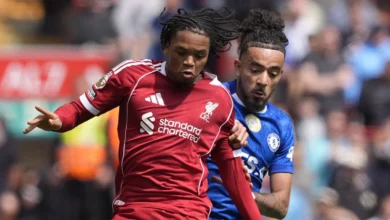
At Anfield, the focus has shifted toward institutional continuity. Julian Ward, a figure highly regarded for his previous contributions to Liverpool’s recruitment success, is poised to return as the club’s sporting director. This appointment comes as part of a carefully managed succession plan following the departure of Richard Hughes. The transition is critical for Liverpool as they look to maintain the momentum built under their current technical structure. Ward’s return is expected to bring a sense of familiarity to the backroom staff, ensuring that the transition remains seamless as the club eyes further domestic and European success.
Emerging Talent and Global Scouting Trends
While top-tier clubs secure their established stars, the scouting departments of Premier League giants are intensifying their search for the next generation of footballing icons. Chelsea, known for their aggressive acquisition of youth, are currently tracking 15-year-old Gambian midfielder Adama Jeng. The teenager, currently playing for Samger FC, represents the high-risk, high-reward strategy that has become a staple of modern scouting.
Conversely, not all high-profile moves have yielded the desired results. Alejandro Garnacho, currently on loan at Aston Villa from Chelsea, has struggled to find his footing, leading to reports that the winger is attracting interest from clubs in LaLiga. The situation highlights the volatility of young player development and the frequent necessity for recalibration in a competitive market. Similarly, Manchester United’s search for youth talent has taken them to France, where they are scouting 16-year-old Lens midfielder Mezian Mesloub. United’s interest in Mesloub serves as a replacement strategy for their own wonder-kid, JJ Gabriel, as they look to build a robust pipeline for the future.
Economic Realities: Spurs and the Commercial Landscape
Off the pitch, Tottenham Hotspur faces a challenging commercial hurdle. The club has lost a key sponsor, with Sidiz triggering an early termination clause in their agreement, effective at the end of October. This development coincides with a difficult start to the 2024-25 season for the North London side. The loss of a commercial partner serves as a reminder of the fragility of sponsorship deals, which are often tied to performance benchmarks and market visibility. Tottenham will now be under pressure to secure a replacement partner to maintain their revenue streams, which are vital for supporting their high-wage bill and stadium infrastructure costs.
The Rise of Morgan Gibbs-White
In the Midlands, Nottingham Forest is bracing for significant interest in their star playmaker, Morgan Gibbs-White. Bayern Munich has been identified as one of the clubs monitoring his progress ahead of the summer window. Gibbs-White has become an indispensable asset at the City Ground, and his potential departure would represent a major test for Forest’s recruitment strategy. As the European market continues to inflate, Forest will likely demand a premium for a player who has proven his consistency at the highest level of English football.
International and EFL Management Dynamics
The managerial carousel remains active across various tiers of football. In the EFL, Karl Robinson has emerged as a frontrunner for the vacant Peterborough United position, bringing with him a wealth of experience in the lower leagues. Meanwhile, on the international stage, Argentina has prioritized stability by offering a new long-term deal to manager Lionel Scaloni. The proposal, which would extend his tenure until the 2030 World Cup, reflects the nation’s desire to maintain the tactical consistency that led them to recent global triumphs. Scaloni’s ability to manage high-pressure environments has made him one of the most sought-after coaches in international football.
Northampton Saints Secure Henry Pollock
The world of Rugby Union is also seeing significant investment in young talent. Northampton Saints have successfully tied down Henry Pollock to a new deal worth approximately £450,000 per year. The contract, running until at least 2029, is a major statement of intent for the club, ensuring that they retain one of England’s most promising prospects for the long term. This financial commitment highlights the rising valuation of elite domestic players in the Premiership, as clubs look to lock in their stars well ahead of the next World Cup cycle.
Formula One: The Geopolitical and Financial Crossroads
The climax of the Formula 1 season remains shrouded in uncertainty as organizers grapple with the logistical and financial implications of the ongoing conflict in the Gulf region. The final races in Qatar and Abu Dhabi represent massive commercial commitments for the sport. Canceling these events would result in significant financial losses, yet the safety and geopolitical climate remain primary concerns.
Historically, F1 has attempted to maintain a policy of "sport above politics," but the scale of the current tension is testing that stance. Organizers are currently weighing the risks of proceeding against the contractual obligations to host the races. A decision is expected in the coming weeks, as teams and logistics partners require clarity to finalize travel arrangements. The outcome will likely set a precedent for how the sport navigates regional instability in the future, particularly as F1 continues to expand its footprint in the Middle East.
Broader Implications and Market Analysis
The landscape across these various sports reflects a broader trend of "long-termism." Clubs are increasingly looking beyond immediate results to secure the stability of their organizations. Whether it is Arsenal’s commitment to Arteta, Argentina’s investment in Scaloni, or Northampton’s retention of Pollock, the focus is on mitigating risk through multi-year planning.
However, this focus on long-term stability is constantly challenged by the volatility of the global market. The loss of sponsorship for Tottenham and the uncertainty surrounding the F1 calendar serve as stark reminders that even the most successful organizations are subject to external economic and geopolitical pressures. As the sports industry continues to grow, the ability to balance on-field ambition with off-field fiscal prudence will be the defining trait of successful management.
In the coming months, the football transfer market will likely see a surge in activity as clubs attempt to preemptively address squad weaknesses. With the Premier League season entering its most demanding phase, the depth of squads—and the ability of managers to maintain locker room morale—will be tested. For players like Morgan Gibbs-White and prospects like Adama Jeng, the next few months will be critical in shaping their professional trajectories.
As journalists and analysts continue to track these developments, one thing remains clear: the intersection of finance, management, and athletic performance is more complex than ever. From the boardrooms of London to the circuits of the Middle East, the decisions made today will have a lasting impact on the sporting landscape for the remainder of the decade. The upcoming winter transfer window and the final outcomes of the ongoing league campaigns will serve as the next true litmus test for the strategies currently being implemented by the world’s leading sports franchises.
Related posts: