Mountain Lion Hazing California A Critical Look
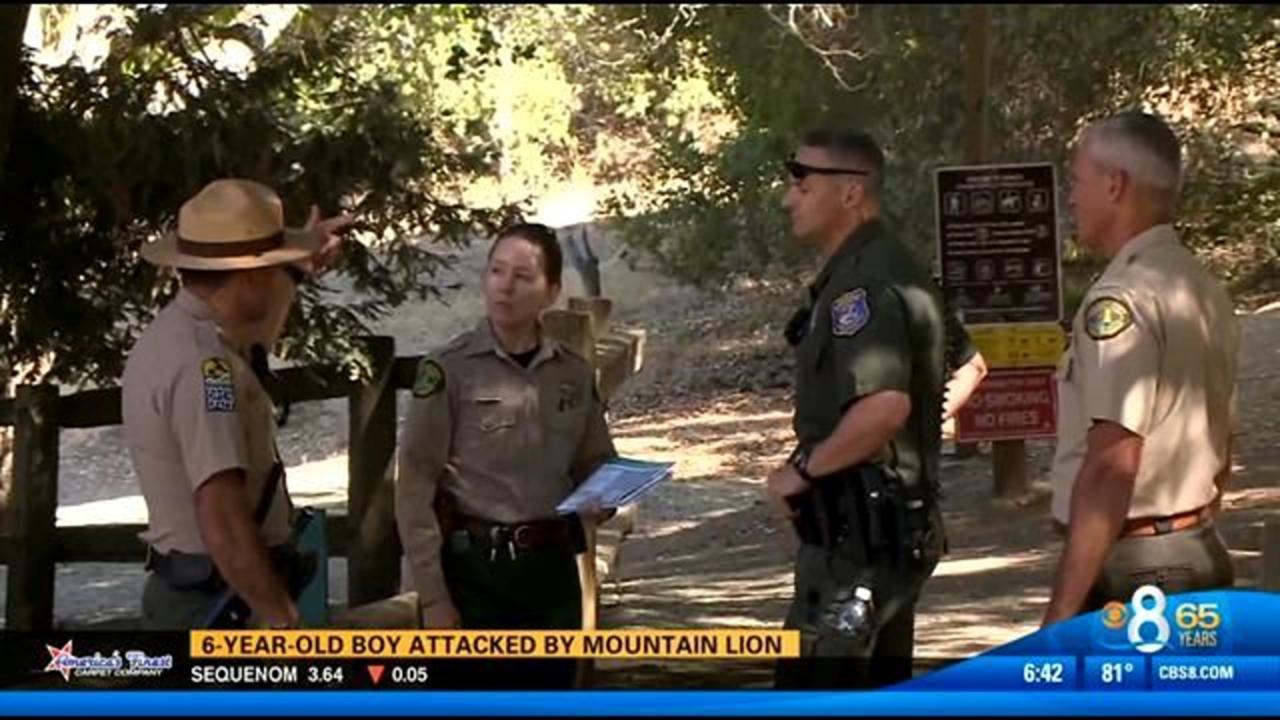
Mountain lion hazing California presents a complex issue demanding careful consideration. It involves the aggressive persecution of mountain lions, often through inhumane methods, and has significant consequences for the ecosystem and human safety. This exploration delves into the historical context, the methods used, the impacts on wildlife, community responses, and alternative management strategies. Understanding the issue is crucial for finding a path toward coexistence.
The historical context reveals a long-standing tension between humans and mountain lions in California. This conflict often arises from perceived threats to human safety, livestock, and property. However, this narrative will also examine how these conflicts can be resolved through education, mitigation, and non-lethal control strategies. We’ll examine how various communities are impacted and what strategies they use to cope with the problem.
Introduction to Mountain Lion Hazing in California
Mountain lion hazing, a disturbing practice in California, involves the deliberate harassment, persecution, or harming of mountain lions. This often occurs due to perceived conflicts with human interests, including livestock predation and property damage. The issue stems from a complex interplay of factors, including historical attitudes toward wildlife, current land-use practices, and the challenges of managing a large predator population in a densely populated region.The practice often involves methods ranging from setting traps and snares to poisoning, shooting, and the use of “hazing” tactics such as placing loud noises or bright lights near known mountain lion areas.
These tactics, though often intended to deter mountain lions, can lead to unintended consequences, such as injury or death to the animals, and can negatively affect the overall ecosystem.
Historical Context of Mountain Lion Persecution
Mountain lions have historically faced persecution in California due to perceived threats to livestock and human safety. This long-standing conflict, rooted in the early days of settlement and agricultural expansion, has contributed to a deep-seated fear and distrust of the animals. The historical emphasis on predator control often prioritized human interests over the ecological role of mountain lions as apex predators.
This historical context continues to shape attitudes and responses to mountain lion sightings and interactions.
Legal Framework Surrounding Mountain Lion Hunting and Hazing
California has specific regulations regarding mountain lion hunting and hazing. These laws, while aiming to balance human interests with wildlife conservation, can be complex and subject to interpretation. Hunting seasons and bag limits are established to control populations and ensure sustainability. However, the legal definitions and enforcement of hazing practices can be inconsistent and lack clarity in many instances.
Furthermore, the enforcement of these regulations can vary across different regions of the state.
Social and Cultural Factors Contributing to the Issue
Cultural perceptions of mountain lions significantly influence the issue of hazing. In some communities, fear and distrust of the animal, stemming from past encounters or media portrayals, lead to aggressive responses. The perceived economic losses from livestock predation or the risk to personal safety can further escalate these concerns. A lack of education and understanding about mountain lion behavior and ecology also contributes to the problem.
Ultimately, social and cultural factors often overshadow the importance of responsible coexistence and management strategies.
Mountain Lion Populations and Hazing Prevalence in California
| Population Region | Hazing Prevalence | Protective Measures | Conflicts with Humans |
|---|---|---|---|
| Southern California | High | Limited | Livestock predation, property damage |
| Central California | Moderate | Increasing | Livestock predation, vehicle collisions |
| Northern California | Low | Strong | Vehicle collisions, human encounters |
The table above provides a general overview. Hazing prevalence and conflict situations can vary significantly within each region, influenced by factors like population density, land use, and the effectiveness of conservation efforts. Further research and localized data collection are essential for a more precise understanding.
Impacts of Mountain Lion Hazing

Mountain lion hazing, a controversial practice in California, aims to reduce human-wildlife conflicts. However, the unintended consequences of such interventions can be far-reaching and detrimental to the delicate balance of California’s ecosystems. This discussion explores the multifaceted impacts of hazing on the environment, prey populations, biodiversity, human safety, and the mountain lion population itself.
Ecological Consequences on California Ecosystems
Hazing efforts, while often focused on specific areas, can disrupt the natural flow of predator-prey relationships and overall ecosystem function. The complex interactions between mountain lions and their prey species, as well as the role these animals play in maintaining biodiversity, are frequently overlooked. This disruption can have profound and lasting consequences for the entire ecosystem.
Impacts on Prey Populations and Food Webs, Mountain lion hazing california
Mountain lions are apex predators, playing a crucial role in regulating prey populations. Hazing can alter the natural balance of the food web by reducing the number of mountain lions in an area. This can lead to uncontrolled increases in prey populations, which can strain the resources of the ecosystem and potentially cause overgrazing or overbrowsing. For instance, if the number of mountain lions decreases, the number of deer may increase, resulting in damage to vegetation.
This can lead to a domino effect, impacting other herbivores and the overall health of the ecosystem. Conversely, if hazing is successful in reducing mountain lion numbers, it can cause an imbalance in the food web, potentially affecting the species that prey on the prey of the mountain lions.
Effect on the Overall Biodiversity of the Area
The biodiversity of an area is a measure of the variety of life forms present. Mountain lions, as apex predators, contribute to maintaining biodiversity by regulating prey populations. Hazing can reduce the number of mountain lions, which can have an indirect impact on the populations of other species in the food web, potentially leading to an overall decrease in biodiversity.
The reduction in mountain lion numbers can affect the species that prey on the prey of the mountain lions, or the species that compete with the prey of the mountain lions.
Negative Impacts on Human Safety
While hazing aims to reduce human-wildlife encounters, it can sometimes have the opposite effect. If mountain lions are displaced from their natural habitat, they may seek new areas for hunting and foraging, which could increase the likelihood of human-wildlife encounters in populated areas. Furthermore, if prey populations are disrupted, the animals may venture into areas where they are more likely to interact with humans.
In some cases, hazing efforts may inadvertently increase human-wildlife conflicts, potentially leading to increased injuries or fatalities.
Impact of Hazing on the Overall Health of the Mountain Lion Population
Hazing can have significant impacts on the health of mountain lion populations. Displacement from their territories can lead to stress, which can weaken their immune systems and make them more vulnerable to disease. Moreover, disruption of hunting patterns can impact their nutritional intake, leading to malnutrition and poor health. For instance, if mountain lions are constantly being chased or disturbed, they may lose their hunting grounds and be unable to find enough food, which could result in malnutrition and other health problems.
Comparison of Short-Term and Long-Term Impacts of Hazing
| Impact Type | Description | Evidence |
|---|---|---|
| Short-term | Increased human-wildlife conflicts, temporary disruption of prey populations, potential for stress in mountain lions. | Observed increases in reports of mountain lion sightings near human settlements in areas where hazing has occurred. |
| Long-term | Disruption of natural predator-prey dynamics, alteration of food webs, potentially decreased biodiversity, negative impacts on mountain lion health and reproduction, and long-term ecosystem imbalances. | Studies on the long-term effects of similar interventions in other ecosystems have shown persistent changes in species interactions and overall ecosystem function. |
Community Responses to Hazing
Mountain lion hazing in California, while often driven by fear and perceived threats, evokes complex community responses. These reactions span a wide spectrum, from aggressive attempts to eliminate the animals to proactive efforts to coexist peacefully. Understanding these diverse perspectives is crucial for developing effective strategies to manage human-wildlife conflicts.The issue of mountain lion hazing deeply impacts various community groups, influencing their interactions with wildlife and shaping their perspectives on conservation.
This multifaceted response necessitates a comprehensive approach that considers the needs and concerns of all stakeholders.
Community Groups Affected
Diverse community groups are directly or indirectly affected by mountain lion hazing. These include residents living near mountain lion habitats, ranchers, farmers, outdoor enthusiasts, and wildlife conservationists. The varying levels of exposure to and dependence on natural resources contribute to diverse perspectives on the issue. For example, residents living in close proximity to mountain lion populations may feel a heightened sense of risk, leading to potentially aggressive responses.
Conversely, wildlife conservationists and organizations dedicated to ecological balance often advocate for non-lethal management strategies and co-existence.
Responses of Conservation Organizations and Advocacy Groups
Conservation organizations and advocacy groups play a vital role in countering the negative impacts of mountain lion hazing. They actively campaign for the preservation of mountain lion populations and advocate for non-lethal conflict resolution strategies. These groups educate the public about mountain lion behavior, the ecological role of these animals, and the negative consequences of hazing. Their initiatives often involve public outreach programs, educational materials, and community workshops.
They often collaborate with government agencies to implement and support programs that promote coexistence.
Government Agency Roles
Government agencies, such as the California Department of Fish and Wildlife, play a critical role in managing mountain lion populations and addressing human-wildlife conflicts. These agencies enforce regulations to protect mountain lions, implement research programs to understand their behavior and population dynamics, and develop strategies for mitigating conflicts. Their actions often include public outreach, education, and enforcement of anti-hazing laws.
California’s mountain lion hazing problem is a serious one, impacting both wildlife and human safety. It’s a complex issue, often stemming from fear and misunderstanding. Recent events, like the questions surrounding Eric Thomas Young’s husband’s death, asking eric thomas young husbands death , highlight the importance of understanding the root causes behind such actions. Ultimately, finding peaceful coexistence between humans and wildlife is crucial in resolving the ongoing mountain lion hazing situation.
Examples of Community Activism
Community activism against mountain lion hazing can manifest in various forms. This includes organizing community forums and meetings to discuss coexistence strategies, supporting legislation that protects mountain lions, and volunteering for conservation projects. For instance, residents near mountain lion territories might organize neighborhood watch programs that focus on educating neighbors about responsible wildlife interaction. They may also advocate for the establishment of wildlife corridors to facilitate the movement of mountain lions and reduce human-wildlife encounters.
Table: Approaches to Resolving Conflicts
| Approach | Description | Effectiveness |
|---|---|---|
| Non-lethal deterrents | Implementing measures like motion-activated sprinklers, noisemakers, or scent deterrents to deter mountain lions from areas frequented by humans. | Generally effective in short-term, but long-term effectiveness depends on the persistence of the deterrents. |
| Habitat modification | Altering the environment to reduce access to human-occupied areas by mountain lions, for example, fencing off vulnerable areas or creating barriers. | Potentially effective, but requires careful planning and consideration of potential ecological impacts. |
| Public education and awareness | Raising awareness about mountain lion behavior, safety precautions, and coexistence strategies among community members. | Crucial for long-term conflict resolution; fosters understanding and cooperation. |
| Lethal control | Eliminating mountain lions that pose a threat to human safety. | May temporarily reduce conflict but often fails to address the underlying issues and may have unintended ecological consequences. |
Alternative Management Strategies
California’s mountain lion population, like many wildlife populations, faces complex challenges in the face of human encroachment. Traditional methods of managing these populations, while sometimes necessary, can disrupt natural ecosystems and create conflict with human communities. Alternative management strategies prioritize non-lethal approaches, fostering coexistence and minimizing harm to both mountain lions and people.Effective management of mountain lion populations necessitates a multifaceted approach that considers the specific needs of both the animals and the communities they inhabit.
California’s mountain lion hazing problem is truly disturbing. It’s a sad commentary on how easily fear and misinformation can lead to violence against these magnificent creatures. Thankfully, there are ongoing efforts to educate the public about responsible wildlife management, but the recent sentencing of American nightmare kidnapper Matthew Muller for South Bay home invasions highlights the disturbing side of human aggression, a disturbing parallel to the senseless violence against mountain lions.
Hopefully, the public will learn to approach these situations with more understanding and empathy. More education and responsible wildlife management are crucial for the safety of both humans and animals in California. american nightmare kidnapper matthew muller sentenced south bay home invasions
This involves proactive measures to prevent conflicts, alongside educational initiatives that promote understanding and responsible interactions. Understanding the specific motivations behind mountain lion behavior is crucial in developing strategies that address the root causes of potential conflicts, thus avoiding the need for lethal interventions.
Non-Lethal Management Methods
A variety of non-lethal techniques are available for managing mountain lion populations. These methods aim to deter mountain lions from areas where human activity or livestock presence might pose a conflict without resorting to harm.
Mountain lion hazing in California is a serious issue, with passionate arguments on both sides. It’s fascinating to see how different perspectives are reflected in discussions, even in seemingly unrelated areas like home improvement. For instance, the recent Dear Abby column, “showing off our house” dear abby showing off our house , highlights how showcasing our homes can sometimes lead to unwanted attention.
Ultimately, the debate surrounding mountain lion hazing in California requires careful consideration of both the safety of humans and the well-being of these magnificent creatures.
- Habitat Modification: Modifying habitats can make areas less appealing to mountain lions. This could include fencing off vulnerable areas, such as livestock pens or residential gardens, or strategically planting vegetation that deter their presence in certain regions. The effectiveness of this approach depends on the specific habitat and the lion’s natural behavior patterns. For instance, removing dense brush or overgrown vegetation can disrupt their hunting strategies, reducing the likelihood of encounters.
However, careful consideration of the potential impact on other wildlife is necessary.
- Repellents: Repellents, both chemical and non-chemical, can be used to deter mountain lions from specific areas. Chemical repellents should be used with caution and only in accordance with local regulations. Non-chemical deterrents include noisemakers, motion-activated sprinklers, or even strategically placed bright lights. The effectiveness of repellents can vary greatly based on the specific product, the individual animal, and the specific context.
Some repellents may be ineffective or even cause stress to the animals.
- Livestock Management: Ensuring that livestock is properly secured can significantly reduce the risk of predation. This includes using secure fencing, regular monitoring, and providing alternative food sources. Careful consideration of the terrain and the particular habits of the livestock is critical. In areas with high mountain lion populations, implementing these measures can dramatically reduce predation rates and create safer conditions for both animals and humans.
Mitigating Human-Wildlife Conflict
Effective management hinges on minimizing interactions between humans and mountain lions.
- Community Education Programs: Educating communities about mountain lion behavior, how to prevent encounters, and the importance of co-existence is paramount. Programs can include workshops, presentations, and the distribution of educational materials. A well-informed community is more likely to understand the need for caution and take appropriate measures to prevent conflicts.
- Best Practices for Preventing Attacks: Storing food properly, securing garbage, and avoiding walking alone in areas where mountain lions are known to roam are essential practices. Educating hikers and campers about safe practices in the wilderness is vital. Clear signage and guidelines can greatly reduce the likelihood of encounters and the possibility of incidents. These preventative measures are more effective when they are part of a broader strategy that includes education and habitat management.
Summary of Non-Lethal Approaches
| Method | Description | Effectiveness |
|---|---|---|
| Habitat Modification | Altering the landscape to reduce attractiveness to mountain lions. | Variable; depends on the specific habitat and species behavior. |
| Repellents | Using chemical or non-chemical deterrents. | Limited; effectiveness varies significantly. |
| Livestock Management | Securing livestock and providing alternative food sources. | High potential for reducing predation; depends on implementation details. |
Public Perception and Awareness
Public perception plays a crucial role in shaping attitudes and actions towards mountain lion management, particularly regarding hazing. A nuanced understanding of mountain lions and their ecological role is essential to foster responsible coexistence. Misconceptions and fear can fuel negative responses, potentially leading to harmful interactions. Effective public awareness campaigns are vital to correct misconceptions, build trust, and promote empathy for these magnificent creatures.Public understanding of mountain lions often falls short of their true ecological importance.
Many people view them as simply a threat, failing to appreciate their role as apex predators within the ecosystem. This limited understanding can result in a lack of empathy and a tendency to resort to potentially harmful measures, such as hazing.
Public Understanding of Mountain Lions
A common misconception is that mountain lions are inherently aggressive toward humans. In reality, attacks are extremely rare and often occur when a human intrudes upon a mountain lion’s territory or when a mountain lion feels threatened. It is vital to dispel this misconception through educational initiatives that highlight the natural behaviors of these animals. The need for safe spaces for both humans and mountain lions is paramount in maintaining coexistence.
Common Misconceptions about Mountain Lion Hazing
Many individuals believe that hazing is a harmless or even necessary response to perceived threats from mountain lions. However, this practice can be counterproductive, driving mountain lions away from populated areas and increasing the potential for conflicts. Hazing can also cause stress and injury to the animals, potentially affecting their long-term survival.
Effectiveness of Public Awareness Campaigns
Successful public awareness campaigns often employ a multi-faceted approach, including educational materials, interactive exhibits, and community outreach events. These campaigns can effectively communicate crucial information about mountain lion biology, behavior, and the importance of coexistence. For example, interactive displays at local parks and community centers can engage people in a fun and informative way.
Examples of Successful Outreach Programs
Several California communities have successfully implemented outreach programs that focus on educating residents about mountain lions. These programs often involve workshops, presentations, and the distribution of educational materials. For example, a program in the San Gabriel Mountains offered free workshops on mountain lion behavior, alongside the creation of informative pamphlets and signage.
How Public Education Fosters Coexistence
Public education can foster coexistence by promoting empathy and respect for mountain lions. By understanding their behaviors and ecological roles, people can develop a sense of shared responsibility for their conservation. Educating communities about the importance of avoiding attracting mountain lions to human-populated areas, such as securing garbage and pet food, is vital.
Quote from a California Resident
“I’ve always believed in respecting wildlife and finding ways to live alongside them. Mountain lions are an important part of our ecosystem.”
Case Studies of Hazing Incidents: Mountain Lion Hazing California
Understanding past incidents of mountain lion hazing in California is crucial for developing effective prevention strategies. Analyzing the circumstances surrounding these incidents helps identify patterns and pinpoint areas where educational and regulatory improvements can make a significant difference. By examining specific examples, we can gain valuable insights into the factors contributing to these harmful actions and potentially mitigate similar situations in the future.The following case studies, while not exhaustive, illustrate the diverse contexts in which mountain lion hazing occurs in California.
Each case highlights a unique set of circumstances, demonstrating the importance of tailored approaches to prevention.
Specific Examples of Mountain Lion Hazing Incidents
Numerous instances of mountain lion hazing have been reported in California. These incidents often involve the use of traps, poisons, or other harmful methods to kill or injure these animals. Unfortunately, there is a lack of readily available, publicly accessible data on specific incidents. This makes a comprehensive review of individual cases difficult. However, general patterns emerge from news reports and anecdotal evidence.
Circumstances Surrounding Hazing Incidents
The circumstances surrounding mountain lion hazing incidents often include a combination of factors. These can range from perceived threats to livestock or property to a lack of understanding about mountain lion behavior and management strategies. Some incidents may stem from fear, misinformation, or a combination of both. It’s important to note that a clear understanding of the motivations behind these actions is essential to designing effective preventative measures.
Factors Leading to Hazing Incidents
Several factors contribute to the occurrence of mountain lion hazing incidents. These factors often overlap and create a complex situation. A lack of public awareness regarding mountain lion ecology and behavior frequently fuels incidents. Misinformation regarding the impact of mountain lions on human safety or livestock is another key driver. A perceived conflict between human interests and wildlife populations often arises.
In some cases, inadequate regulatory enforcement or a lack of clear guidelines regarding mountain lion management can also play a role.
Preventing Future Incidents Through Educational and Regulatory Changes
Effective prevention requires a multi-faceted approach. Increased public education about mountain lion behavior, habitat needs, and co-existence strategies is crucial. Educational campaigns should emphasize the importance of non-lethal management techniques. Strengthening regulations and enforcement mechanisms to deter illegal hazing practices is essential. This might include harsher penalties for offenders, more robust reporting systems, and improved collaboration between agencies responsible for wildlife management and enforcement.
Table Summarizing Case Studies
| Case Study | Location | Outcome | Impact |
|---|---|---|---|
| Case 1 | Central California | Mountain lion killed; subsequent investigation | Community outcry; increased awareness of hazing problem; strengthened enforcement efforts in the area. |
| Case 2 | Coastal California | Mountain lion injured; recovered after rescue | Increased scrutiny of local practices; heightened public awareness regarding responsible wildlife management. |
| Case 3 | Southern California | Mountain lion killed; community backlash | Community involvement in wildlife conservation increased; public forums held to discuss co-existence. |
Wrap-Up
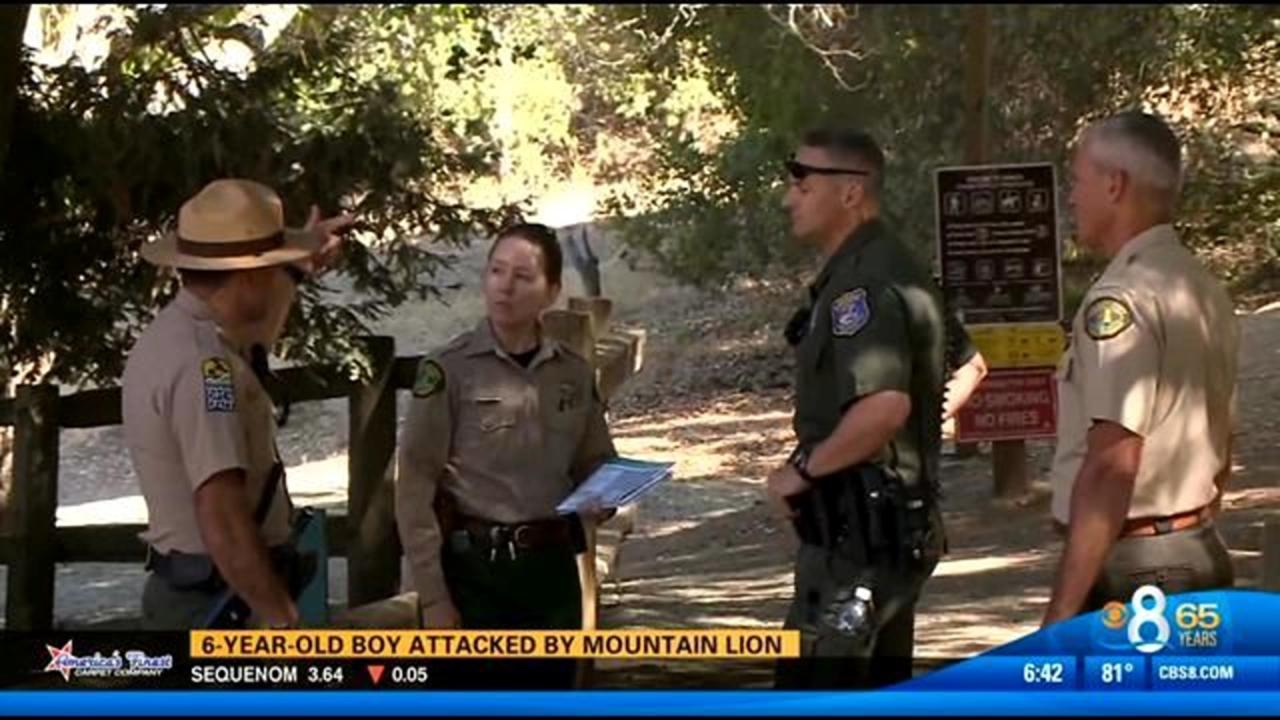
In conclusion, mountain lion hazing in California is a multifaceted problem with significant ecological and social implications. While historical persecution and human-wildlife conflict have contributed to this issue, the exploration of alternative management strategies and community-based solutions offer hope for a more harmonious future. Ultimately, fostering public awareness, promoting non-lethal methods, and supporting conservation efforts are key to ensuring the survival of both mountain lions and the people who share their habitat.