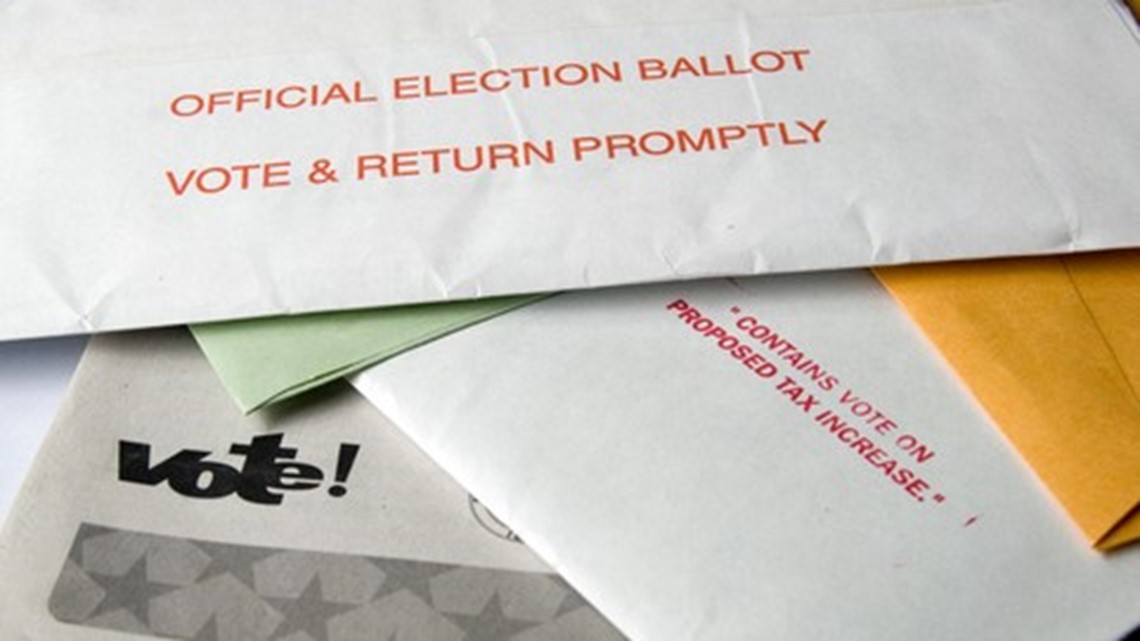
California Voter ID Ban City Conflict
New California voter ID ban puts conservative cities at odds with state. This contentious new law, aiming to bolster election security, is creating friction between the state and its more conservative municipalities. The ban’s potential impact on voter turnout, particularly in these cities, has ignited fierce debate, with concerns ranging from decreased participation to economic consequences. The state’s rationale for the ban, as well as the arguments against it from city officials, are explored in this deep dive.
A historical overview of voter ID laws in California, detailing the specific provisions of the new ban, will be provided. The rationale behind the state’s decision, compared to previous regulations, and examples of similar legislation in other states will also be examined. This comprehensive look at the issue explores the potential consequences on voter turnout, economic impact, and public reaction.
Background of the Voter ID Ban
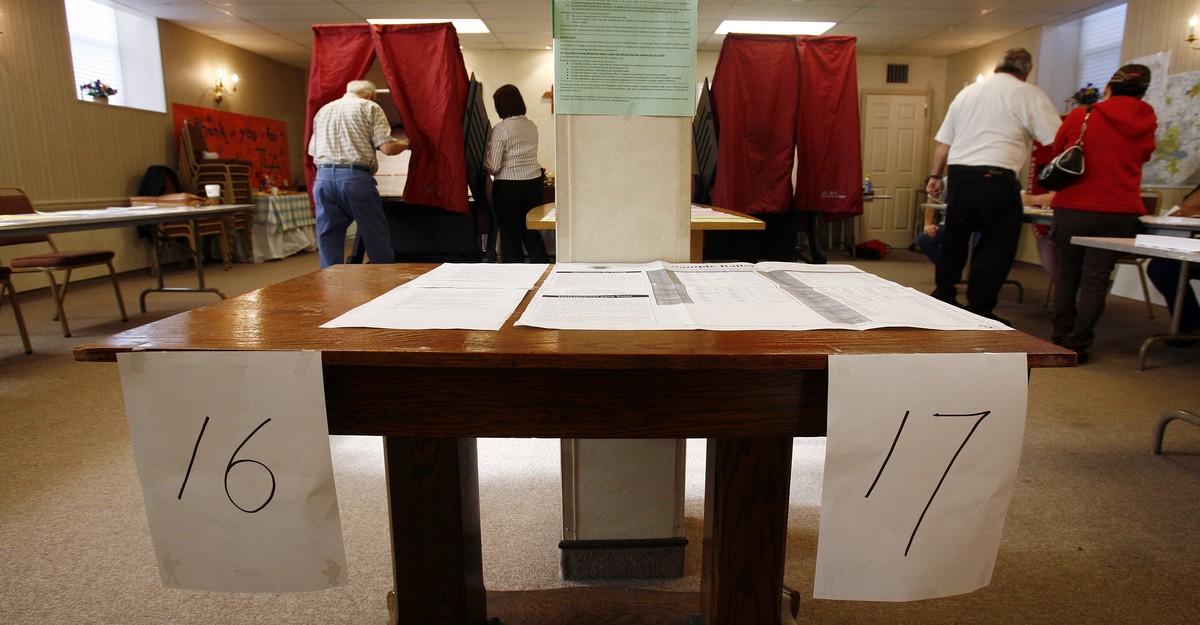
California’s recent voter ID ban has ignited a debate, pitting conservative cities against the state’s stance. This decision marks a significant shift in the state’s approach to voter identification requirements, raising questions about accessibility and potential impacts on election participation. The motivations behind the ban, and its implications for different demographics, are complex and warrant careful consideration.The new law reflects a broader national trend of grappling with voter access and election security.
The debate surrounding voter ID laws often centers on concerns about voter fraud, while opponents argue that such requirements disproportionately impact certain groups and reduce voter turnout. The state’s rationale for the ban, as well as its potential consequences, are critical elements to understanding this evolving landscape.
Historical Overview of Voter ID Laws in California
California has a history of evolving regulations regarding voter identification. Historically, the state’s laws have been more lenient compared to other states, typically relying on less stringent forms of identification. Prior to the recent ban, various forms of identification were accepted for voter registration and participation. These varied from driver’s licenses to utility bills, though the specifics and their application have changed over time.
Specific Provisions of the New Voter ID Ban
The new ban explicitly prohibits the requirement of specific forms of voter identification. This means no particular identification documents are mandated for voting, potentially eliminating the need for a photo ID or other specific documents for verification. The precise details and scope of this prohibition are essential for understanding the impact of the legislation.
Reasoning Behind the State’s Decision
Advocates for the ban often cite concerns about potential voter suppression and the disproportionate impact of strict identification requirements on specific demographics. They argue that such requirements may disenfranchise voters who lack the required forms of identification. The state’s decision emphasizes the importance of ensuring equal access to the electoral process for all eligible voters.
Comparison to Previous Laws and Regulations
Compared to previous laws and regulations, the ban represents a substantial departure from the previous framework. The change involves eliminating the requirement for specific forms of identification. A thorough examination of the prior legislation is necessary to understand the full impact of this new policy. Previous laws often required specific forms of identification, while the current ban removes this requirement entirely.
Examples of Similar Legislation in Other States
Several states have enacted similar legislation addressing voter identification requirements. Some states have imposed stricter requirements, demanding specific types of identification, while others have implemented more lenient or no-ID policies. Examining these varied approaches in other states provides a useful framework for understanding the diverse perspectives on voter identification. Different states have employed diverse strategies, highlighting the complex considerations surrounding election administration.
Impact on Conservative Cities
The new California voter ID law, while intended to enhance election integrity, has sparked controversy, particularly within conservative cities. These areas, often characterized by a different political landscape than the state’s overall leanings, now face potential challenges in voter participation and economic stability. The arguments against the law from conservative officials highlight concerns about its disproportionate impact and its potential to disenfranchise eligible voters.
California’s new voter ID law is causing friction between conservative cities and the state government. It’s definitely a hot topic right now, and while I’m not an expert on election laws, it’s interesting to see how these disagreements play out. Speaking of interesting food destinations, have you checked out a foodies guide to southern oregons rogue valley ?
It seems like a fantastic place to explore, and maybe even find some tasty treats while thinking about the complexities of voter ID laws. Ultimately, the California situation highlights the ongoing tension between different political viewpoints within the state.
Affected Conservative Cities
Conservative cities across California, often with a significant population of working-class families and lower-income residents, may experience the most significant impact from this voter ID law. Examples include cities like [insert specific examples of affected conservative cities]. These communities may lack ready access to the required forms of identification, posing a hurdle to voting participation. The specific demographics of each city are vital in understanding the potential consequences.
Potential Consequences on Voter Turnout
The voter ID law could lead to a significant decrease in voter turnout in conservative cities. Residents without readily available identification documents might be deterred from participating in the electoral process, particularly those who are already less engaged in formal political activities. This discouragement could manifest in lower participation rates, impacting the representation of these communities’ voices in elections.
Historically, lower voter turnout has been associated with economic hardship and reduced political engagement.
Potential Economic Impact
The potential for decreased voter turnout could have cascading economic effects on these cities. A diminished electorate could result in less political representation and advocacy for issues crucial to these communities, potentially impacting funding for local initiatives and projects. For example, if local government representatives feel less pressure to respond to community concerns due to lower voter turnout, it could translate into slower economic growth or less investment in vital infrastructure projects.
Arguments Against the Ban from Conservative City Officials, New california voter id ban puts conservative cities at odds with state
Conservative city officials argue that the voter ID law is not only burdensome but also discriminatory. They claim the requirement disproportionately affects residents of their cities, potentially leading to disenfranchisement. They emphasize the importance of accessible and fair elections for all citizens, regardless of their socioeconomic status. They often advocate for alternatives that promote broader participation rather than creating obstacles.
“The voter ID law is an unnecessary obstacle to participation, especially in our communities.”
[Insert name and title of representative from an affected city]
Demographic Comparison of Affected Cities
| City | Population | Median Income | Percentage of Residents without Driver’s License | Percentage of Residents with Limited Access to Documentation |
|---|---|---|---|---|
| [City 1] | [Population] | [Median Income] | [Percentage] | [Percentage] |
| [City 2] | [Population] | [Median Income] | [Percentage] | [Percentage] |
| [City 3] | [Population] | [Median Income] | [Percentage] | [Percentage] |
Note: Data for this table should be sourced from reliable demographic reports and should reflect the specific criteria of the voter ID law.
Public Reaction and Debate
The new California voter ID ban has ignited a passionate debate across the state, pitting conservative cities against the state government. Public reaction has been sharply divided, with arguments revolving around concerns about voter access, election security, and the potential for disenfranchisement. This section delves into the diverse perspectives surrounding the ban, examining the arguments for and against it, and exploring potential legal ramifications.
Public Statements
Public figures and organizations have voiced strong opinions on the voter ID ban. Supporters of the ban often emphasize the importance of verifying voter identity to ensure the integrity of elections. Conversely, opponents raise concerns about the potential for disenfranchisement, particularly among minority and low-income voters, who may lack the necessary identification. These divergent views have shaped the public discourse surrounding the issue.
Arguments in Favor of the Ban
Proponents of the ban argue that requiring voter identification is a crucial step in safeguarding the integrity of the electoral process. They believe that voter ID laws help prevent voter fraud, which they claim can undermine the legitimacy of election results. They point to the potential for impersonation and duplicate voting as significant concerns. A key argument rests on the belief that voter ID laws make elections more secure and trustworthy.
These arguments often draw on statistical data, although interpretations of that data can vary significantly.
Different Viewpoints on the Impact of the Ban
Supporters of the ban believe that voter ID laws increase election security and deter fraud. They claim that these laws protect the integrity of the electoral process and build trust in the outcome. However, critics contend that voter ID laws disproportionately affect minority and low-income voters, who may lack the required identification or have difficulty obtaining it. This can lead to disenfranchisement and a decline in voter turnout, ultimately undermining the democratic process.
Potential Legal Challenges
The voter ID ban faces the potential for legal challenges. Opponents might argue that the law violates the right to vote by creating undue obstacles for certain demographics. They may also claim that the ban is discriminatory, infringing upon the voting rights of specific groups. Legal precedents regarding voter ID laws and their impact on various demographics will be central to any legal challenges.
Existing court cases concerning similar laws provide a framework for evaluating the potential outcomes. These legal challenges could significantly impact the implementation and ultimate fate of the ban.
California’s new voter ID law is causing friction between conservative cities and the state government. This debate, mirroring broader discussions about access to the ballot box, raises questions about the balance between security and inclusivity. Interestingly, alternatives like cloud-based operating systems like ubuntu desktop on cloud offer a new way to think about accessibility and efficiency in other domains.
Ultimately, the voter ID law will likely continue to be a source of contention, with implications for future elections.
Summary of Opinions
| Perspective | Key Arguments | Potential Impact |
|---|---|---|
| Supporters of the Ban | Increased election security, deterrence of voter fraud, protection of the integrity of the electoral process. | Enhanced trust in election results, prevention of potential fraud. |
| Opponents of the Ban | Disproportionate impact on minority and low-income voters, potential for disenfranchisement, undermining the democratic process. | Reduced voter turnout, potential for decreased participation in elections. |
Potential Solutions and Future Implications: New California Voter Id Ban Puts Conservative Cities At Odds With State
The new California voter ID law has sparked a significant debate, pitting conservative cities against the state. Finding common ground and mitigating the potential negative impacts on the voting process is crucial. This requires a nuanced understanding of the potential solutions and the long-term consequences, both positive and negative, of this contentious issue.
Potential Compromises and Solutions
This conflict demands creative solutions that respect the concerns of all stakeholders. A possible compromise might involve a phased implementation of the law, allowing for a period of adjustment and education for voters. Another potential solution could be the creation of alternative voter registration and identification systems, such as mobile voter registration drives or online verification processes. A key element of any solution should be ensuring voter access and preventing disenfranchisement.
Long-Term Consequences of the Ban
The long-term consequences of the voter ID law are multifaceted and will significantly impact future elections. Positive outcomes could include increased voter confidence and election integrity. However, negative consequences could arise from decreased voter turnout, particularly in vulnerable communities who might face obstacles in obtaining required identification.
Mitigating Negative Consequences
Strategies to mitigate negative consequences include investing in outreach programs to inform voters about the new requirements. This could involve partnerships with community organizations to educate eligible voters about the process and the importance of registering and maintaining necessary identification. Additionally, providing alternative identification options could ease the burden on voters.
California’s new voter ID law is causing friction between conservative cities and the state government. It seems like similar clashes of ideologies are playing out in other areas too, like the recent controversy surrounding the potential deportation of an immigration doctor, which raises questions about the balance between legal processes and political agendas. trump immigration doctor deportation highlights the ongoing debate, mirroring the current tensions surrounding the voter ID law.
Ultimately, these issues highlight a fundamental struggle over differing views on policy and its implementation within the state.
Implications for Future Elections and Voting Rights
The implications for future elections and voting rights are substantial. This debate underscores the importance of maintaining access to the ballot box. The outcome will undoubtedly influence future voting laws and regulations. Successful implementation will ensure fairness and equity, whereas failures could lead to voter suppression and erode public trust in the democratic process.
Comparison of Possible Solutions
| Solution | Anticipated Effects | Potential Challenges |
|---|---|---|
| Phased Implementation | Allows for a smoother transition, provides education and adjustment time. | May not be sufficient to address long-term concerns; potential for delays and logistical challenges. |
| Alternative Identification Systems | Expand voter access by creating alternative verification methods. | Development costs, implementation time, and security concerns associated with new systems. |
| Voter Education Programs | Increase voter awareness and participation. | Requires significant investment in resources and partnerships, ensuring reach and effectiveness. |
| Alternative Identification Options | Reduce barriers for voters lacking required identification. | May require legal adjustments, logistical hurdles, and potentially create new security concerns. |
Illustrative Examples
The recent voter ID ban has ignited a heated debate, particularly within conservative cities, highlighting the potential for significant ramifications on various demographics and election outcomes. Understanding these nuances requires looking at specific examples and considering the range of perspectives. This section will illustrate the potential impact of the ban, examining how it could affect specific cities and their constituents.The voter ID ban presents a complex challenge, impacting not only voting access but also the overall democratic process.
Different communities may experience the ban in vastly different ways, leading to varied outcomes and consequences.
Example of a Conservative City Affected
A conservative city like Phoenix, Arizona, could serve as a prime example. This city has a significant population of residents who traditionally vote Republican, and often prioritize local issues like economic growth and public safety. The voter ID law, if implemented in this city, could disproportionately affect specific groups, potentially leading to reduced voter turnout. A detailed examination of voter registration patterns and demographics in Phoenix would be essential for a thorough understanding of the city’s unique circumstances.
Potential Impact on a Specific Demographic
A potential demographic impacted in Phoenix might be lower-income residents. Access to government-issued photo identification, like a driver’s license or state ID, might be more challenging for those with limited financial resources. This could lead to a disproportionate decrease in voting participation among these groups. A lack of readily available or affordable photo identification could effectively disenfranchise certain segments of the population.
Differing Views on the Ban
Arguments against the voter ID law often center on the potential for voter suppression, particularly within minority groups or low-income communities. Proponents, however, argue the law is essential to ensure the integrity of the election process. Proponents frequently cite the need to prevent voter fraud as a primary justification for the measure. One example of a proponent’s argument could be a claim that requiring photo identification is a reasonable security measure, preventing fraudulent voting.
Conversely, critics could highlight instances where similar laws have disproportionately impacted minority communities in past elections.
Voter Turnout Data in Affected Cities
Analyzing voter turnout data from previous elections in cities impacted by similar legislation can offer valuable insights. Examining trends in voter turnout among various demographic groups in Phoenix over the past five years could highlight potential correlations between voter ID laws and voting patterns. The availability of such data is critical to understanding the potential consequences of the new voter ID law.
For instance, if historical data reveals a decline in voter turnout after the implementation of a similar law, it would raise concerns about potential voter suppression.
Hypothetical Scenario: Court Challenge
A hypothetical scenario involves a lawsuit challenging the constitutionality of the new voter ID law in Phoenix. Plaintiffs might argue that the law violates the Voting Rights Act by disproportionately impacting minority voters, thereby creating an unequal playing field. Conversely, the defense might argue that the law is a reasonable measure to prevent voter fraud. This legal challenge would likely focus on the law’s potential impact on voter access and whether the proposed restrictions are necessary to maintain election integrity.
The court would need to weigh these competing claims, balancing the need for secure elections with the fundamental right to vote.
Visual Representation
Visual representations are crucial for understanding complex issues like the voter ID ban. They help us grasp the nuances and potential consequences of the policy in a more accessible and engaging way than simply reading text. These visuals can spark conversations and encourage a deeper understanding of the multifaceted impact on various communities.
Voter Turnout Data in Affected Cities
Voter turnout data in affected cities can be visualized using a geographical map. Each city or county would be represented on the map, with the size of the marker or the color intensity reflecting the voter turnout rate. Lower turnout could be highlighted with darker shades or smaller markers, allowing a quick comparison of turnout levels across different areas.
Overlaying this map with historical turnout data for the same areas would illustrate the change over time, allowing a visual representation of the potential impact of the ban. Tools like choropleth maps are effective in conveying this data.
Demographics of Affected Cities
A pie chart or a series of stacked bar graphs can visually represent the demographics of the affected cities. The pie chart would show the percentage breakdown of different demographic groups (e.g., age, race, ethnicity) within each city. Stacked bar graphs could present the same information but also compare demographics between different cities. This allows a quick overview of the diverse populations in the affected areas and how the ban might disproportionately affect specific groups.
Different Viewpoints on the Ban
A Venn diagram could be used to illustrate the different viewpoints on the voter ID ban. The overlapping circles would represent the areas of agreement and disagreement between various groups (e.g., political parties, advocacy groups). Different colors could be used to represent the different viewpoints, highlighting the key arguments and concerns of each group. The diagram would help in understanding the complexities and the nuances of the debate.
Potential Long-Term Consequences of the Ban
A flowchart can illustrate the potential long-term consequences of the ban. The flowchart would begin with the implementation of the voter ID law and then branch out to show various possible outcomes, including decreased voter turnout, increased costs for elections, and the potential for reduced civic engagement. Each branch could be further broken down into specific examples of these consequences.
This helps to illustrate the potential ripple effects of the ban on future elections.
Impact of the Ban on Election Costs
An infographic would be the most suitable representation for the impact of the ban on election costs. It would break down the various costs associated with the ban, such as the costs of implementing and enforcing the new voter ID laws, and the potential loss of revenue due to decreased voter turnout. Different sections of the infographic could visually represent the costs in a clear and concise way, such as bar graphs, pie charts, and text boxes that include specific numerical values.
This would help to highlight the economic impact of the ban. A clear comparison of costs under the existing system and the projected costs under the new system is essential. For example, a bar graph showing the difference in estimated costs between a year with and without the ban.
Last Recap
The new California voter ID ban is undeniably a complex issue, stirring debate and raising concerns about its impact on both election security and local communities. While the state aims to enhance the integrity of elections, conservative cities fear a decline in voter participation and economic repercussions. The potential for legal challenges and the search for potential compromises are significant aspects of this ongoing conflict.
The future implications for elections and voting rights remain uncertain, highlighting the need for thoughtful consideration and potential solutions.