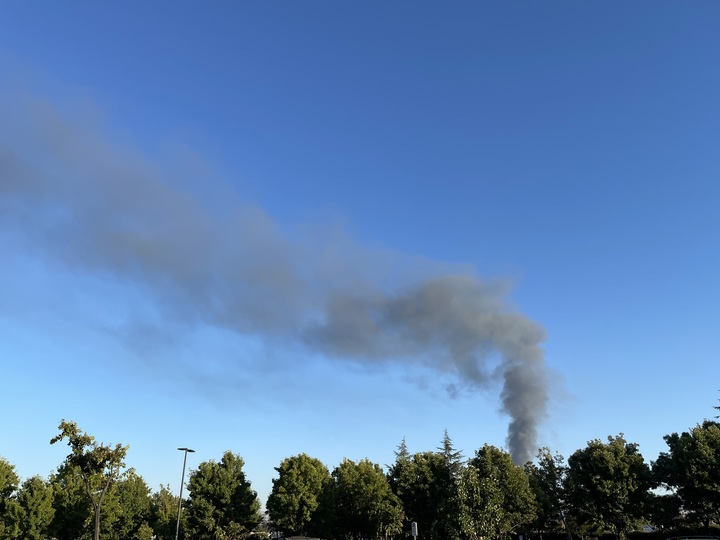
Pleasanton & Livermore Fire Stations Groundwater Probe
Pleasanton and Livermore fire department facilities investigated for groundwater contamination. This investigation raises critical questions about potential risks to the local community’s health and safety. Historical records of the fire departments, relevant construction regulations, and any past groundwater contamination issues in the area are crucial factors to consider. Understanding the potential sources of contamination, the methods used for the investigation, and the steps planned for remediation are vital for transparency and public trust.
This probe delves into potential contaminants, their associated health risks, and the broader impact on the community, property values, and the fire departments themselves. Finally, we’ll examine the remediation strategies, public health concerns, and the relevant regulatory framework.
The investigation will examine the nature of the contamination, the methods used to detect it, and the scope of the affected areas. This process includes details of the investigation’s timeline, the role of local agencies, and the steps planned for monitoring and remediating any contamination. The potential contaminants and their sources, as well as the associated health risks, will be meticulously analyzed.
Background Information
The Pleasanton and Livermore Fire Departments are vital community resources, providing essential services to residents. Understanding their history, operational procedures, and the regulatory framework surrounding their facilities is crucial to evaluating the recent groundwater contamination investigation. This exploration will delve into the historical context of these departments, relevant regulations, potential contamination sources, and the history of groundwater issues in the area.The history of both departments includes growth and adaptation to evolving community needs.
Their operations encompass emergency response, fire prevention, and public education programs. This evolution directly impacts the types of facilities and equipment required, which in turn has implications for potential contamination risks.
History of Pleasanton and Livermore Fire Departments
The Pleasanton Fire Department, established in [Insert year], has a history of growth and modernization reflecting the city’s development. Similarly, the Livermore Fire Department, established in [Insert year], has adapted to the evolving needs of its community. These departments, like many others, have likely expanded their facilities and equipment over time, potentially leading to the accumulation of various materials and substances that may pose a risk to groundwater if not managed properly.
Relevant Regulations and Standards
Regional regulations for fire station construction and operation address various environmental concerns. These standards, established by local and state agencies, typically mandate the use of appropriate materials and containment systems to minimize the risk of groundwater contamination. They also cover waste disposal, hazardous material handling, and spill prevention. Specific examples include requirements for underground storage tanks, spill response plans, and wastewater treatment systems.
For instance, regulations may specify the type of concrete used to prevent leaching of harmful chemicals.
History of Groundwater Contamination in the Area
Prior to the recent investigations, any historical reports of groundwater contamination in the Pleasanton and Livermore areas should be noted and investigated. These records could potentially offer insight into the nature of potential contamination and inform strategies for mitigation and remediation. Identifying any previous incidents involving similar issues or factors will be essential for a thorough evaluation.
Potential Sources of Groundwater Contamination
Fire stations, due to their operations and equipment storage, present potential sources of groundwater contamination. These sources may include:
- Hazardous Materials Storage: Fire stations store and use various hazardous materials, such as fuels, solvents, and cleaning agents. Leaks, spills, or improper disposal of these materials can contaminate groundwater. For example, improper storage of used cleaning solvents can leach harmful chemicals into the soil and groundwater.
- Waste Disposal: Improper disposal of waste, including used oil, solvents, and other hazardous materials, poses a significant risk. Leakage from improper disposal practices or inadequate waste storage systems can contaminate groundwater. For example, a fire station’s failure to follow proper procedures for disposing of used hydraulic fluids from fire trucks could lead to contamination.
- Chemical Spills: Accidental spills of chemicals during training exercises or emergencies can also contaminate groundwater. Spills from cleaning products used to maintain fire equipment, or leaks from fire trucks’ hydraulic systems, can quickly permeate the soil and enter the groundwater. Implementing robust spill prevention and containment procedures is crucial.
- Underground Storage Tanks: If present, leaking underground storage tanks used for fuel or other chemicals can be a source of groundwater contamination. Regular inspections and maintenance are vital to prevent leakage.
The specific risks will depend on the types of materials handled, the design and maintenance of the facilities, and the local geology and hydrogeology. Thorough investigation of these factors is necessary for an effective assessment of potential contamination.
Investigation Details
The recent investigations into potential groundwater contamination at Pleasanton and Livermore fire department facilities are a critical matter, demanding a thorough and transparent approach. Understanding the details of the investigation, from its scope to the methods employed, is crucial for informed public discourse and ensuring the safety of the community. This section delves into the specifics of the investigation, including the procedures used, the timeline, and the roles of local agencies.The investigation aims to determine the extent and source of any groundwater contamination at the facilities.
This involves a systematic process to identify the presence, nature, and potential impact of contaminants on the surrounding environment and the local water supply. This is vital to prevent further harm and establish appropriate remediation strategies.
Nature of the Investigation
The investigation focuses on identifying the nature and extent of potential contamination in the groundwater. This includes determining the types of contaminants present, their concentrations, and their potential migration pathways. Specific analyses will likely encompass chemical, biological, and physical parameters to ascertain the nature of any contamination.
Methods Used to Investigate Contamination
Various methods are employed to investigate the contamination. These include:
- Groundwater Sampling: Collection of water samples from various points within the affected areas is critical. These samples are analyzed to determine the presence and concentrations of contaminants. This often involves specialized equipment to collect samples at different depths and locations to provide a comprehensive picture of the contamination.
- Soil Sampling: Analysis of soil samples helps in identifying the source and extent of contamination. This often provides context to the presence and migration patterns of the contamination. Soil samples are analyzed to determine the presence and concentrations of contaminants.
- Hydrogeological Modeling: Computer models are used to simulate the flow of groundwater and predict the potential migration of contaminants. This provides valuable insight into the potential spread of contamination and helps in developing appropriate remediation strategies.
- Environmental Monitoring: Continuous monitoring of groundwater quality at various locations surrounding the affected areas is crucial to track changes and evaluate the effectiveness of remediation efforts. This includes the use of sensors and regular sampling to provide ongoing data.
These methods provide a comprehensive understanding of the potential contamination, its origin, and its impact.
Scope of Investigation Areas
The investigation’s scope encompasses the immediate vicinity of both fire stations. This includes:
- Surrounding Aquifers: The investigation extends to the specific aquifers potentially impacted by the contamination. This involves examining the groundwater flow patterns and identifying areas with potential contaminant migration.
- Groundwater Wells: Analysis of groundwater wells in the vicinity of the facilities is crucial. This allows for the evaluation of potential contamination levels in drinking water sources.
- Potential Sources: The investigation identifies potential sources of contamination, including the fire stations’ operations, storage areas, and potential spills or leaks. This will help identify possible contamination points.
The scope ensures a comprehensive assessment of the situation, covering potential contamination pathways and areas.
Timeline of the Investigation
The investigation is scheduled for completion within [Number] months, starting on [Date]. This timeline includes the phases of sampling, analysis, modeling, and reporting.
Role of Local Agencies and Regulatory Bodies
Local agencies, such as the Pleasanton and Livermore Health Departments, and regulatory bodies, like the State Water Resources Control Board, play a critical role in the investigation. Their involvement includes:
- Providing Guidance: Agencies provide guidance and expertise in the investigation process, ensuring compliance with environmental regulations.
- Reviewing Findings: Regulatory bodies review the investigation findings and provide input to ensure the accuracy and completeness of the assessments.
- Setting Standards: Regulatory bodies establish standards for groundwater quality and remediation strategies to ensure public safety.
This collaborative effort ensures a comprehensive and compliant approach to the investigation.
Steps for Monitoring and Remediation of Potential Contamination
A multi-phased approach is essential for monitoring and remediation. The steps include:
- Ongoing Monitoring: Continuous monitoring of groundwater quality to detect any changes in contaminant levels.
- Remediation Strategies: Development and implementation of remediation strategies, if contamination is confirmed, based on the specific nature and extent of the contamination.
- Public Notification: Transparent communication with the public about the investigation’s findings and any necessary actions.
The proactive and ongoing approach will ensure the protection of public health and the environment.
Potential Contaminants
Groundwater contamination is a serious concern, especially when it involves public facilities like fire stations. Understanding the potential contaminants and their associated health risks is crucial for effective remediation and public safety. The investigation into the Pleasanton and Livermore fire department facilities necessitates a careful assessment of the possible sources and impacts of these contaminants.This section explores the potential contaminants that might be present in the groundwater, detailing their potential sources and health implications.
A comprehensive understanding of these risks is vital for developing appropriate mitigation strategies and ensuring the safety of the surrounding community.
Potential Contaminants and Their Sources
Identifying potential contaminants is a critical first step in addressing groundwater contamination. Several substances can leach into groundwater from various sources, posing significant health risks. Common contaminants include, but are not limited to, volatile organic compounds (VOCs), heavy metals, and petroleum products.
Health Risks Associated with Potential Contaminants
The health risks associated with different contaminants vary significantly. Exposure to some contaminants can lead to acute illnesses, while chronic exposure can cause long-term health problems. For instance, VOCs can cause respiratory issues, while heavy metals can accumulate in the body, potentially causing damage to various organs.
Detailed Analysis of Potential Contaminants
| Contaminant | Source (Potential) | Potential Effects | Mitigation Strategies |
|---|---|---|---|
| Volatile Organic Compounds (VOCs) | Leaking underground storage tanks (USTs), solvents used in firefighting training, or improper disposal of chemicals | Short-term exposure may lead to headaches, dizziness, and nausea. Chronic exposure can cause respiratory problems, liver damage, and even cancer. | Identifying and remediating contaminated soil and groundwater, implementing stricter waste management procedures, and upgrading infrastructure to prevent future leaks. |
| Heavy Metals (e.g., Lead, Arsenic, Chromium) | Industrial discharge, improper disposal of waste, or corroded pipes containing these metals. Some firefighting chemicals may also contain trace amounts of heavy metals. | Accumulation of heavy metals in the body can lead to various health problems, including neurological damage, kidney damage, and developmental issues, especially in children. The specific effects depend on the type of metal and the level of exposure. | Implementing stricter environmental regulations, replacing or repairing contaminated infrastructure, and employing advanced remediation techniques to remove heavy metals from the groundwater. |
| Petroleum Products (e.g., Gasoline, Diesel) | Leaking underground storage tanks (USTs) used for fuel storage, improper disposal of used oils, or accidental spills | Exposure to petroleum products can cause skin irritation, eye damage, respiratory problems, and potential long-term health effects. Chronic exposure may increase the risk of certain cancers. | Prompt detection and removal of petroleum spills, upgrading USTs to prevent leaks, and implementing stricter regulations on the handling and disposal of petroleum products. |
| Chlorinated solvents | Industrial use, degreasing agents, or cleaning products. Some fire-fighting training or emergency response equipment may contain chlorinated solvents. | Exposure to chlorinated solvents can lead to various health problems, including liver damage, kidney damage, and neurological issues. Certain types of chlorinated solvents are suspected carcinogens. | Replacing chlorinated solvents with safer alternatives, implementing stricter waste management procedures, and developing comprehensive emergency response plans to minimize exposure. |
Impact on Community
The recent investigations into potential groundwater contamination at Pleasanton and Livermore Fire Department facilities raise serious concerns about the well-being of the surrounding communities. Understanding the potential impacts on health, property values, the local economy, and the fire departments’ operational standing is crucial for effective communication and response. This section explores these potential consequences.The discovery of potential contaminants in the groundwater supply near fire department facilities could have profound consequences for the health and safety of residents who utilize this water source.
The recent investigation into Pleasanton and Livermore fire department facilities for groundwater contamination is a serious concern. It’s important to be aware of potential environmental hazards, but also remember to be cautious of any suspicious job offers, especially in the current job market. Be sure to thoroughly research any job offer before taking the bait; check out this consumer tip to avoid job offer scams consumer tip watch out for these job offer scams.
This whole situation highlights the importance of careful scrutiny and vigilance when dealing with such potential contamination issues.
The severity of these consequences will depend on the nature and concentration of the contaminants. Careful analysis of the investigation results and expert assessments are vital to determine the true extent of any risks.
Potential Impacts on Community Health and Safety
The presence of contaminants in the groundwater supply could pose significant risks to public health. Exposure to certain contaminants can lead to a variety of health problems, ranging from minor discomfort to serious long-term illnesses. This depends on the type and quantity of contaminants present and the duration of exposure. The potential contaminants identified in the initial investigations should be thoroughly evaluated by public health officials to determine the specific health risks involved.
For instance, the presence of certain heavy metals can lead to neurological damage or developmental issues, especially in children. Similarly, contamination by certain chemicals can affect the immune system or cause chronic health problems.
The recent investigation into groundwater contamination at Pleasanton and Livermore fire department facilities is definitely concerning. Meanwhile, a tragic incident involving a driver held in a fatal collision with a pedestrian in Hayward highlights the urgent need for safety improvements in our community. This incident serves as a stark reminder of the importance of responsible driving and the need for community-wide attention to these serious issues.
Hopefully, the ongoing investigation into the fire department facilities will uncover the source of the contamination and lead to swift and effective solutions.
Potential Impacts on Property Values and the Local Economy, Pleasanton and livermore fire department facilities investigated for groundwater contamination
Groundwater contamination can significantly affect property values in the affected area. Potential buyers may be hesitant to purchase homes in areas with known or suspected contamination, leading to a decrease in property values. This decrease in property values could also have a ripple effect on the local economy, impacting real estate agents, contractors, and other related industries. The decline in property values could create a downward spiral, affecting the local economy and the tax base.
For example, during past incidents of groundwater contamination, property values in the affected areas have dropped considerably, impacting local businesses and residents.
The recent investigation into groundwater contamination at Pleasanton and Livermore fire department facilities is certainly a concerning development. Meanwhile, a luxury market trend continues with a stunning single-family residence selling for $2.3 million in Dublin 2, single family residence sells for 2 3 million in dublin 2. This raises questions about the potential long-term impacts on the surrounding community and property values, echoing the ongoing concerns about the Pleasanton and Livermore fire department facilities and their impact on the environment.
Potential Impacts on Fire Department Operations and Public Trust
The investigation into groundwater contamination at fire department facilities could negatively impact public trust in the fire departments and their ability to effectively serve the community. The public may lose confidence in the department’s operations and safety protocols, potentially leading to reduced community support. Furthermore, the investigation could result in delays or interruptions in critical fire department operations.
For example, if contamination is extensive, the department might need to temporarily relocate operations, impacting their ability to respond to emergencies. The resulting public distrust could hinder the fire department’s ability to recruit and retain qualified personnel.
Potential Impacts on Different Community Groups
This table Artikels potential impacts of contamination on different community groups. The severity of these impacts depends on the nature and concentration of contaminants, the duration of exposure, and the effectiveness of mitigation efforts.
| Community Group | Potential Impact | Severity |
|---|---|---|
| Children | Increased risk of developmental issues, neurological problems, and other health concerns due to higher vulnerability to contaminants. | High |
| Elderly | Potentially increased susceptibility to health problems from exposure to contaminants, and difficulties in coping with the stress of a crisis. | High |
| Low-income residents | Potential for disproportionate impact on their health and financial well-being, due to limited resources for remediation and healthcare. | High |
| Property Owners | Decreased property values and potential financial losses. | Medium to High |
| Businesses | Potential for reduced customer traffic and economic losses. | Medium to High |
| Fire Department Staff | Potential for operational disruptions, impact on morale and public trust, and potential health concerns. | High |
Remediation Strategies: Pleasanton And Livermore Fire Department Facilities Investigated For Groundwater Contamination
Addressing groundwater contamination requires a careful and multifaceted approach. Choosing the right remediation strategy hinges on several factors, including the type and extent of contamination, the local geology, and the potential impact on human health and the environment. Effective remediation not only cleanses the contaminated groundwater but also prevents future contamination. A robust plan considers long-term sustainability and the need for ongoing monitoring.Groundwater remediation strategies involve various techniques, each with its own set of advantages and disadvantages.
The selection process requires a thorough understanding of the specific contaminant, the aquifer characteristics, and the desired outcome. Cost-effectiveness and regulatory compliance are critical considerations in the final decision.
Potential Remediation Technologies
Various technologies are available for groundwater remediation, each with unique capabilities and limitations. The selection depends heavily on the specific contaminants and the characteristics of the affected aquifer.
- Pump-and-treat systems are frequently used to remove contaminated water from the ground. These systems involve pumping contaminated groundwater to the surface, treating it, and then returning the cleaned water. They are effective for specific situations, but can be costly and energy-intensive, particularly in large-scale applications. For example, in the remediation of trichloroethylene (TCE) contaminated aquifers, pump-and-treat has proven successful, but the energy consumption can be substantial.
- In-situ bioremediation uses microorganisms to break down contaminants in the groundwater. This approach is often more environmentally friendly than other methods because it does not involve the removal of groundwater. However, its effectiveness is dependent on the presence of suitable microorganisms and the characteristics of the contaminated zone. For example, the use of naturally occurring bacteria to degrade petroleum hydrocarbons has proven successful in several cases.
- Soil vapor extraction (SVE) involves extracting contaminated vapors from the soil. This method is particularly useful for volatile organic compounds (VOCs) and can be implemented as a stand-alone or a complementary technique to other remediation methods. It can be effective in certain cases, but its effectiveness can be influenced by the characteristics of the contaminated zone.
- Activated Carbon Adsorption is a method where activated carbon is used to adsorb contaminants from the groundwater. This method is often effective for specific contaminants and can be applied in combination with other methods. However, it may be less suitable for large-scale applications and can lead to the disposal of saturated carbon materials.
Comparative Effectiveness and Costs
Comparing remediation technologies requires a detailed analysis of their respective strengths and weaknesses. A crucial element is the cost-effectiveness of each method. Consideration must be given to both the initial investment and the long-term operating costs.
| Remediation Technology | Effectiveness | Potential Costs |
|---|---|---|
| Pump-and-treat | Generally effective for specific contaminants and site conditions | High initial investment and ongoing operating costs |
| In-situ bioremediation | Environmentally friendly, but effectiveness depends on site conditions | Moderate to high, depending on the complexity of the process |
| Soil Vapor Extraction (SVE) | Effective for VOCs, potentially less expensive than pump-and-treat | Moderate initial investment, ongoing costs depend on the system |
| Activated Carbon Adsorption | Effective for specific contaminants | Moderate initial investment, can be relatively low in some situations |
Regulatory Approvals and Permitting
Implementing a remediation strategy requires adherence to strict environmental regulations. The specific regulatory approvals and permitting processes vary by jurisdiction and the nature of the contamination.
Obtaining necessary permits and approvals is a critical step in the remediation process.
Detailed plans, including site characterization reports, remediation strategies, and monitoring plans, are required. This process ensures the remediation is conducted in a safe and environmentally sound manner.
Restoration Plan
A comprehensive plan for restoring affected groundwater to safe levels is essential. The plan should encompass site characterization, selection of appropriate remediation technologies, cost-benefit analysis, and a detailed schedule for implementation.A plan for monitoring the effectiveness of the remediation process over time is also vital. This involves ongoing monitoring and analysis to ensure that the remediation strategy is achieving the desired outcomes.
This ongoing monitoring should be conducted in accordance with the regulatory requirements of the local environmental agencies.
Public Health Concerns
The recent investigations into groundwater contamination at Pleasanton and Livermore fire department facilities raise serious public health concerns. Understanding the potential risks and the steps being taken to address them is crucial for community well-being. Protecting the health of residents is paramount, and proactive measures are essential to mitigate any negative impacts.
Potential Health Risks to the Community
Groundwater contamination can pose a variety of health risks, depending on the specific contaminants involved. Exposure to these substances can manifest in various ways, ranging from acute illnesses to long-term health problems. For example, certain chemicals can cause immediate symptoms like nausea, vomiting, or skin irritation. Exposure to other contaminants, such as heavy metals, may lead to more insidious health problems over time, potentially affecting organ function or increasing the risk of chronic diseases.
The specific risks will depend on the nature and concentration of the contaminants present.
Importance of Regular Groundwater Quality Monitoring
Regular monitoring of groundwater quality is vital for detecting and addressing potential contamination issues early. This proactive approach allows for timely intervention, preventing the spread of contamination and minimizing potential health risks. Monitoring programs provide crucial data about the levels of contaminants present, enabling authorities to make informed decisions about remediation strategies and public health advisories. This data-driven approach is essential for safeguarding public health.
Examples of monitoring systems include the use of well-monitoring stations, regular water sampling, and analysis techniques like spectrophotometry or chromatography to quantify the contaminants.
Potential Long-Term Effects of Contamination
The long-term effects of groundwater contamination can be severe and far-reaching. Prolonged exposure to certain contaminants can lead to various health issues, including developmental problems in children, neurological disorders, and increased risk of cancer. In some cases, the effects may not be immediately apparent, emerging years or even decades after exposure. These delayed effects can make it challenging to establish a direct link between contamination and specific health outcomes.
The long-term nature of these effects underscores the critical need for early detection and remediation of contamination sources. For instance, historical contamination of water sources has been linked to increased rates of certain cancers in affected populations.
Steps for Community Health Education and Awareness
Transparent communication and public education are critical for mitigating the impact of groundwater contamination. Clear and accessible information regarding the nature of the contamination, potential health risks, and remediation efforts must be provided to the community. Community meetings, educational workshops, and accessible online resources are valuable tools for raising awareness. These initiatives should empower residents to make informed decisions regarding their health and well-being.
Furthermore, providing clear instructions on how to access water testing services or other health screening opportunities is vital. This can involve partnering with local health organizations to offer free or subsidized testing and resources. A proactive and transparent approach builds trust and encourages community engagement in protecting their health.
Regulatory Framework
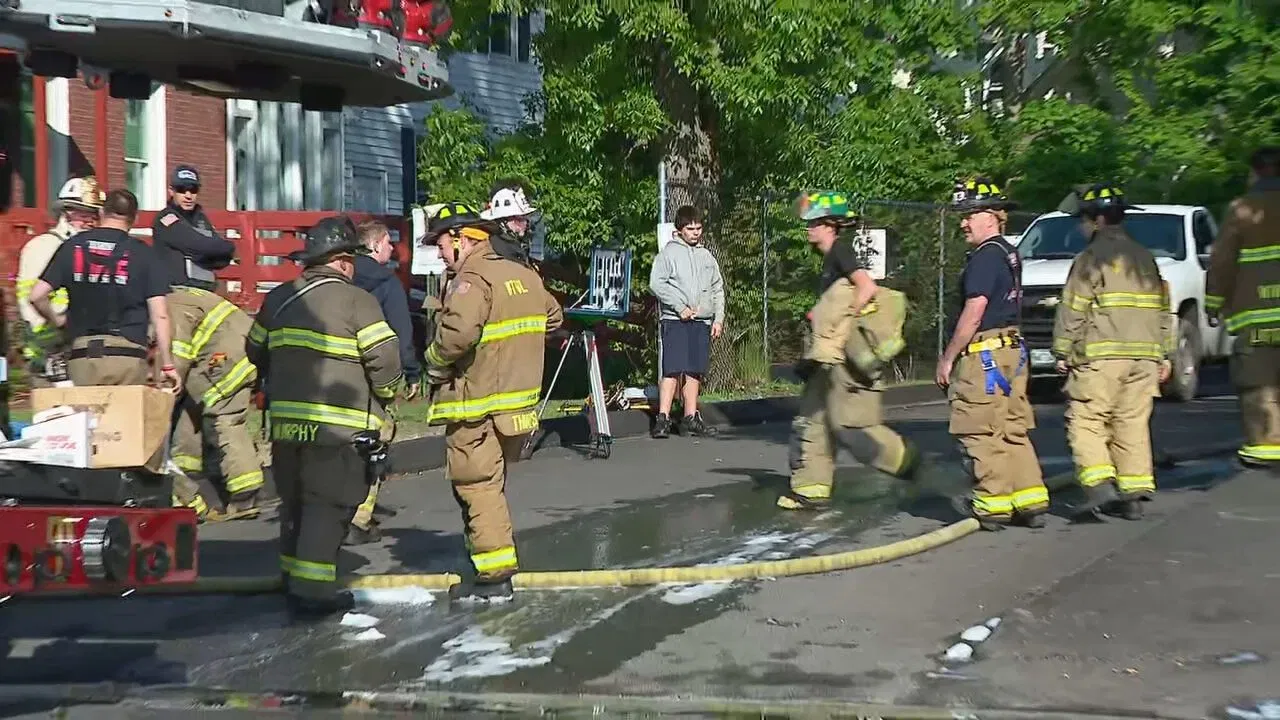
The investigation into groundwater contamination at Pleasanton and Livermore fire department facilities necessitates a thorough understanding of the regulatory framework governing such issues. This framework Artikels the legal responsibilities of both the facilities and regulatory agencies in addressing and mitigating the potential impact on the community. Compliance with these regulations is crucial for ensuring public health and environmental protection.The regulatory framework for groundwater contamination is multifaceted, involving a complex interplay of federal, state, and local regulations.
This complexity stems from the need to address diverse types of contaminants, varying levels of contamination, and the unique characteristics of different geographic locations. Different agencies have specific roles in enforcing these regulations, which are designed to protect public health and the environment.
Relevant Regulations and Guidelines
Numerous federal and state regulations govern the handling and remediation of groundwater contamination. These regulations often specify acceptable levels of contaminants, delineate responsibilities for reporting and remediation, and provide frameworks for assessing risks to human health and the environment. For example, the Safe Drinking Water Act (SDWA) sets national standards for drinking water quality, including limits for various contaminants.
California also has specific regulations pertaining to groundwater protection and remediation, reflecting the unique geological and hydrological conditions of the state. These regulations address the specific challenges of groundwater contamination, ranging from industrial activities to agricultural practices.
Role of EPA and Other Regulatory Agencies
The Environmental Protection Agency (EPA) plays a crucial role in overseeing compliance with federal regulations related to groundwater contamination. They conduct investigations, issue guidelines, and enforce compliance with the Clean Water Act, SDWA, and other relevant legislation. State environmental protection agencies, like the California Environmental Protection Agency (CalEPA), also play a vital role. These agencies often implement and enforce state-level regulations and guidelines.
They often partner with local agencies to monitor and address contamination issues.
Comparison of Regulations for Different Contaminants
The regulatory approach differs based on the type of contaminant. For example, regulations for petroleum-based contaminants often focus on containment and remediation strategies to prevent further spread. Regulations for hazardous materials might involve stricter containment protocols and more extensive cleanup requirements. The regulatory approach also considers the potential impact on human health and the environment. Regulations for heavy metals often incorporate strict limits to prevent accumulation in the food chain and potential long-term health risks.
Regulatory Agencies Involved
Multiple agencies are involved in the regulatory process, including the EPA, state environmental protection agencies, and local health departments. Their roles vary, with the EPA setting national standards, state agencies implementing and enforcing state regulations, and local agencies often responsible for the immediate response and oversight of remediation efforts. Clear delineation of responsibilities among these agencies is essential for effective oversight and efficient response to contamination events.
Legal Procedures for Addressing Contamination
Legal procedures for addressing groundwater contamination can include investigations, enforcement actions, and court proceedings. Investigations often involve sampling and analysis of contaminated groundwater, as well as an assessment of the potential impact on the community. Enforcement actions may include fines, orders to remediate contamination, or other legal remedies. Addressing such issues often involves complex legal procedures that require expertise in environmental law.
The legal framework for remediation often involves negotiations between the affected parties and regulatory agencies, leading to a legally sound plan for restoring the affected area.
Closure
The investigation into Pleasanton and Livermore fire department facilities concerning groundwater contamination highlights the importance of environmental responsibility in public infrastructure. Understanding the potential contaminants, their sources, and their impact on the community is critical for effective remediation strategies and maintaining public trust. The comprehensive approach, encompassing investigation details, potential contaminants, community impact, remediation strategies, public health concerns, and the regulatory framework, will hopefully lead to a resolution that prioritizes the well-being of the community and the future of the fire departments.