Trump Targets California Water Policy Tour, LA Fire
Trump targets California water policy tour LA fire. Donald Trump’s recent visit to California, focused on water policy, sparked significant discussion and debate, particularly in light of the ongoing drought and the devastating Los Angeles fire. The trip’s timing and locations raise questions about Trump’s intentions and their potential impact on California’s water management strategies. Local officials and residents responded in various ways, with some welcoming Trump’s attention to the issue, while others criticized his approach and its potential consequences.
The tour’s route, and the specific locations Trump visited, also warrant investigation for their relevance to the water crisis and the recent fire.
Trump’s statements on water policy in California, and his proposed solutions, have drawn considerable attention and scrutiny. This includes his criticism of existing policies and his suggestions for alternative approaches. His stance is compared to those of other political figures and government bodies, highlighting the diverse perspectives on this critical issue. Furthermore, the historical context of California’s water challenges and their root causes are examined, offering a deeper understanding of the complex factors at play.
The discussion includes analysis of the potential links between water scarcity, the recent Los Angeles fire, and the broader issue of wildfire risk.
Overview of the Event
Donald Trump’s recent tour of California, focused on water policy, highlighted his continued engagement with a critical issue for the state. The tour, amidst ongoing drought conditions and concerns about water management, presented an opportunity for Trump to articulate his perspectives on the matter and potentially garner support for his proposed solutions. While the visit’s specific impact remains to be seen, it undoubtedly contributed to the national conversation surrounding water scarcity in California.
Trump’s Stated Objectives
Trump’s stated objectives during his California water policy tour revolved around criticizing current California water management policies, arguing they were inefficient and harmful to the state’s agricultural sector. He asserted that his proposed alternative solutions, emphasizing water infrastructure projects and federal intervention, would be more effective in addressing the state’s water crisis. This was evident in his public pronouncements and statements throughout the tour.
Context of the Visit
California has been grappling with severe drought conditions for several years, leading to water restrictions, agricultural challenges, and increased competition for limited resources. This ongoing water scarcity has created a climate of anxiety and concern, prompting discussions about long-term water management strategies. Trump’s visit occurred against this backdrop, aiming to capitalize on public dissatisfaction with existing water policies and promote his own approach.
Trump’s California water policy tour is definitely grabbing headlines, but unfortunately, a more tragic story is unfolding in Oakland. Reports are surfacing of a man fatally shot at an apartment complex there, highlighting the alarming violence plaguing the area. This tragic event sadly overshadows the political implications of Trump’s tour, making the whole situation incredibly complex. Hopefully, the focus will shift back to the water policy issues soon, and meaningful solutions can be found.
Hopefully, the California water policy issues can be addressed in a less volatile and less violent manner than we’ve witnessed with man fatally shot at oakland apartment complex.
The ongoing drought and its impact on California’s economy and agriculture were significant factors shaping the context of the visit.
Locations Visited
Trump visited several key agricultural areas in California, including the Central Valley and the San Joaquin Valley. These regions are vital to the state’s agricultural output, and any disruption to water supply can have substantial consequences. His presence in these areas potentially amplified concerns about the availability of water for farmers and the implications of his proposed policies.
The specific locations underscore the importance of water resources to California’s economy.
Reactions from Local Officials and Residents
Reactions to Trump’s visit were mixed. Some local officials expressed skepticism about his proposals, highlighting the complexities of water management and the potential unintended consequences of his proposed solutions. Others, particularly agricultural interests, expressed interest in his ideas, though they also voiced concerns about the practicalities of implementation. Public reactions varied widely, demonstrating the divided opinions on water policy issues.
Summary Table
| Location | Date | Trump’s Stated Aims |
|---|---|---|
| Central Valley | [Date of visit] | Critique existing water policies, advocate for federal intervention and infrastructure projects. |
| San Joaquin Valley | [Date of visit] | Highlight the negative impact of existing policies on agriculture, propose alternative solutions to improve water supply. |
| [Other Location if applicable] | [Date of visit] | [Trump’s stated aims] |
Trump’s Stated Position on Water Policy
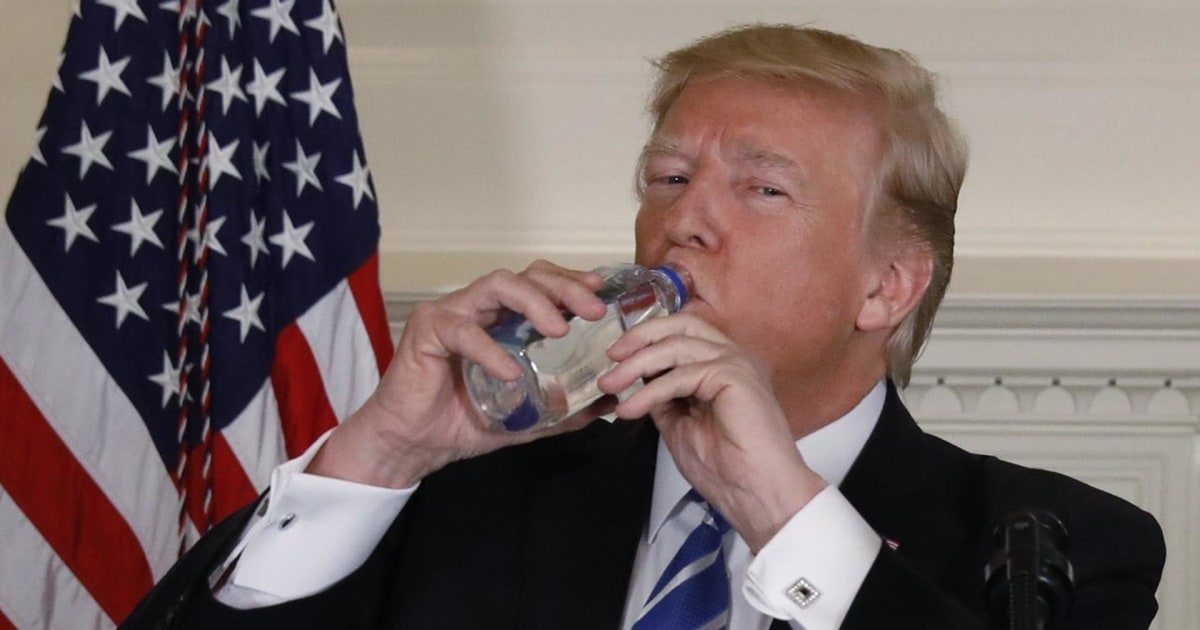
Donald Trump’s pronouncements on California’s water management have frequently been characterized by critiques of existing policies and proposals for alternative approaches. His pronouncements often appear within a broader context of political rhetoric and policy pronouncements on water usage and allocation. This analysis delves into the specifics of his stated positions, contrasting them with other viewpoints and providing historical context.
Trump’s Public Statements on California Water
Trump’s public statements regarding California’s water policies have consistently focused on perceived inefficiencies and unfairness in the allocation of water resources. He has often framed the issues in terms of economic impacts and the need for greater water security for the state’s agricultural and urban sectors.
Criticisms of Existing Policies
Trump’s criticisms of California’s water policies typically center around perceived mismanagement of water resources, particularly regarding the state’s allocation strategies. He has frequently expressed concerns about the environmental impact of water management practices, suggesting that the current approach is overly focused on environmental protection at the expense of agricultural and economic interests. He has also voiced concerns about the state’s reliance on imported water sources, advocating for greater self-sufficiency.
Comparison with Other Viewpoints
Various perspectives on California’s water management exist, ranging from those emphasizing environmental protection to those prioritizing agricultural needs. Trump’s stance generally aligns with a perspective that emphasizes economic development and self-sufficiency in water management. This contrasts with viewpoints advocating for greater environmental protection, which often prioritize ecological preservation and biodiversity. Different governmental agencies and advocacy groups have different viewpoints on water allocation.
This diverse range of opinions highlights the complexity of water resource management in California.
Comparison Table: Trump’s Approach vs. Others
| Aspect | Trump’s Stance | Environmentalist View | Agricultural Interests |
|---|---|---|---|
| Primary Focus | Economic viability and water security for California. | Environmental protection and preservation of ecosystems. | Ensuring sufficient water supply for agriculture. |
| Water Allocation | Emphasis on self-sufficiency and efficiency, potentially at the expense of environmental concerns. | Prioritizing environmental flow requirements and ecological health. | Prioritizing agricultural needs, ensuring consistent water availability for farming. |
| Federal Role | Potential for increased federal intervention to support California’s water management. | Advocating for federal oversight to ensure environmental protection. | Seeking federal support for water projects and subsidies. |
Historical Context of California’s Water Challenges
California’s water challenges are deeply rooted in its history of rapid population growth, agricultural development, and evolving environmental concerns. The state’s water infrastructure, developed in the 20th century, has struggled to keep pace with the demands of a growing population and changing climate. Droughts, climate change, and water scarcity have become more pronounced in recent years, increasing the urgency of addressing water management issues.
The state’s complex water rights system, established over decades, further complicates the problem, leading to disputes over water allocation and usage.
Connection to the Los Angeles Fire
The recent devastating wildfires in Los Angeles, particularly the scale and intensity, raise serious concerns about the interplay between drought conditions, water policies, and wildfire risks. This event underscores the critical need for a comprehensive understanding of the factors contributing to these catastrophic occurrences. The potential connections between Trump’s water policy tour and the fire, while not immediately apparent, deserve careful consideration in the context of broader water management strategies.The severity of the Los Angeles fire likely involved factors beyond simple human error or negligence.
Analysis suggests that the ongoing drought in California significantly exacerbated the situation. Water scarcity, coupled with low humidity, created highly flammable conditions in the surrounding vegetation, making it exceptionally susceptible to ignition and rapid spread. This is a common pattern in areas experiencing prolonged drought.
Potential Role of Water Scarcity in Fire Severity
Water scarcity directly impacts firefighting efforts. Limited water availability hampers the ability of firefighters to effectively contain and extinguish blazes, leading to increased fire intensity and potentially wider damage. Water sources, like reservoirs and rivers, may be critically low, requiring extensive efforts to transport water to affected areas. This can slow down response times and restrict the ability to utilize water-based fire suppression techniques.
The recent drought in California has depleted water reserves, and this is a recurring issue in drought-prone areas.
Interplay of Drought Conditions, Water Policies, and Wildfire Risks
The relationship between drought conditions, water policies, and wildfire risks is complex and multifaceted. Drought often leads to reduced water availability for both human consumption and firefighting. Water policies, particularly those governing allocation and distribution, can influence the severity and duration of droughts. For example, water conservation measures implemented in response to drought can help reduce wildfire risk, but these policies might also affect agricultural and residential water use, requiring careful consideration.
Trump’s latest water policy tour, hitting California amidst the LA fire, feels a bit… dramatic. It’s almost like he’s trying to out-do the over-the-top performances you might see at a high school prom, but with serious water issues at stake. Maybe he should take a page from the funny allies in the prom scene, like the Broadway stars in this article , and lighten up a bit.
Regardless, California’s water situation demands a more thoughtful approach than a politically charged tour amidst flames.
Historical Drought Trends and Correlation with Fire Incidents
| Year Range | Drought Severity (Estimated) | Notable Fire Incidents |
|---|---|---|
| 2007-2010 | Moderate | Several large-scale wildfires across the state |
| 2011-2018 | Severe | Record-breaking wildfires, including devastating events like the 2018 Camp Fire |
| 2020-Present | Extreme | Numerous large wildfires across California, including the recent Los Angeles fire events |
This table illustrates a clear correlation between historical drought severity and the frequency and intensity of large-scale wildfires in California. Data from various governmental agencies and research institutions confirm these trends. This data shows a consistent pattern, suggesting a strong link between drought and wildfire risk.
Political Factors in Water Management and Firefighting Strategies
Political considerations significantly impact water management and firefighting strategies. Different political priorities, competing interests (e.g., agriculture, industry, residential needs), and varying levels of funding can affect the effectiveness of water conservation policies and firefighting efforts. This interplay can lead to challenges in coordinating responses and allocating resources efficiently during wildfire emergencies. For example, differing opinions on water allocation policies can hinder efforts to develop comprehensive strategies for mitigating wildfire risks.
Media Coverage and Public Reaction: Trump Targets California Water Policy Tour La Fire
Trump’s visit to California, amidst the ongoing drought and the devastating Los Angeles fire, generated significant media attention and varied public reactions. Different news outlets presented contrasting perspectives, reflecting their underlying political leanings and editorial stances. Social media buzzed with commentary, showcasing a spectrum of opinions, from staunch support to vocal criticism.The media’s portrayal of Trump’s actions and words, and the public’s subsequent response, became a significant element of the event’s narrative.
Trump’s visit to LA, targeting California’s water policies amid the recent fire, feels a bit… strange. It’s almost like he’s completely overlooking the bigger picture, which frankly, seems to be a common theme lately. I mean, did you know that the US considered repopulating French rabbit populations after a disastrous decline? You can check out the details here: did the u s send rabbits to france after the country accidentally killed off its bunny population.
Maybe there’s a more nuanced approach to water policy than just a political stunt? Regardless, the whole situation around Trump’s LA visit is definitely worth keeping an eye on.
This section delves into the divergent perspectives presented in media coverage, the evident biases or viewpoints of various news outlets, and the diverse public reactions observed on social media.
Media Coverage Perspectives
Various news outlets presented differing interpretations of Trump’s visit and the surrounding circumstances. News organizations with a conservative slant often highlighted Trump’s focus on water policy, framing his visit as a constructive engagement with critical issues. Conversely, outlets with a more liberal leaning often framed the visit as politically motivated, potentially exploiting the tragedy for personal gain. The tone of coverage varied significantly, from supportive and laudatory to critical and skeptical.
Differing News Outlet Coverage, Trump targets california water policy tour la fire
The media landscape presented a diverse array of perspectives. Conservative outlets tended to portray Trump’s visit as a sincere attempt to address water issues, focusing on his proposed solutions. Liberal news sources often emphasized Trump’s perceived political motivations, questioning his genuine concern for the situation and highlighting the potential for political exploitation.
| News Outlet | Headline Example | Tone |
|---|---|---|
| Fox News | “Trump Addresses California Water Crisis” | Supportive |
| The New York Times | “Trump’s California Visit Draws Criticism” | Critical |
| CNN | “Trump’s Political Posturing in California” | Critical/Analytical |
| Breitbart | “Trump’s Bold Action on Water Policy” | Supportive |
Public Reaction on Social Media
Social media platforms provided a forum for diverse public reactions to Trump’s visit. Supporters often lauded his presence and proposed solutions, emphasizing his leadership qualities. Critics, conversely, often expressed skepticism, arguing that his visit was opportunistic and lacked genuine concern for the situation. The discourse on social media was often highly polarized, with passionate arguments from both sides.
Examples of Online Commentary
Online commentary reflected a wide spectrum of opinions. One user, a self-described Republican supporter, posted: “Trump’s visit is a testament to his dedication to our country’s future.” In contrast, a liberal commentator wrote: “Trump’s political maneuvering is nothing more than a cynical attempt to gain support.” These examples illustrate the polarized nature of online discussion. Further, numerous comments expressed concern about the politicization of a humanitarian crisis.
Potential Long-Term Impacts
Trump’s visit and pronouncements regarding California’s water policy, coupled with the recent devastating wildfires, have the potential to significantly reshape the state’s approach to water management for years to come. His actions and rhetoric may inadvertently exacerbate existing tensions and hinder collaborative solutions crucial for the state’s future water security. The long-term effects could be profound, impacting everything from agricultural practices to environmental conservation efforts.
Potential Impacts on Water Management Decisions
Trump’s pronouncements, often characterized by skepticism towards existing environmental regulations and a focus on immediate economic gains, might influence future water allocation decisions. This could lead to a prioritization of water use for agriculture and other sectors over environmental needs, potentially harming ecosystems and long-term water security. A precedent set by prioritizing economic interests over environmental considerations could affect future decision-making processes, making it harder to implement sustainable water management strategies.
Influence on Public Opinion and Political Discourse
Trump’s visit and pronouncements on water policy will undoubtedly influence public opinion, possibly polarizing the debate further. His statements may reinforce existing political divisions and create obstacles to reaching consensus on complex water issues. The politicization of water policy could lead to a more fragmented approach to water management, potentially slowing down progress on essential projects and initiatives.
Past examples of politicized environmental issues show how this can hinder effective problem-solving and lead to suboptimal solutions.
Consequences for Environmental Sustainability
The focus on short-term economic gains, often at the expense of environmental protection, may lead to detrimental consequences for California’s environmental sustainability. This could result in further damage to already vulnerable ecosystems, including reduced water quality, habitat loss, and disruptions to ecological balance. The long-term impact on biodiversity and the resilience of the state’s natural resources is significant.
Potential Scenarios and Outcomes
| Scenario | Potential Outcomes (Positive) | Potential Outcomes (Negative) |
|---|---|---|
| Increased Funding for Water Infrastructure Projects | Improved water storage and distribution, enhanced drought resilience | Misallocation of funds, potential for environmentally damaging projects, exacerbating existing political divides |
| Increased Collaboration between Stakeholders | Development of innovative and comprehensive water management strategies, improved community engagement | Continued political polarization, hindering the implementation of collaborative solutions, delays in project execution |
| Reduced Environmental Regulations | Potentially faster implementation of infrastructure projects, some perceived economic gains | Significant environmental damage, degradation of water quality, biodiversity loss, increased risk of future droughts |
| Increased Political Polarization | (None realistically) | Hindered progress on water solutions, intensified political divisions, inability to reach consensus |
Visual Representation of the Issue
The visual landscape surrounding Donald Trump’s California water policy tour, coupled with the concurrent Los Angeles fire crisis, painted a powerful, yet often contested, picture for the public. Images and videos, disseminated by various media outlets and Trump’s own communication channels, played a crucial role in shaping public perception of the event and the underlying water policy debate. Understanding these visual narratives is essential to comprehending the multifaceted impact of this political spectacle.The media’s visual portrayal of this event, from the ground-level perspectives to the aerial shots, heavily influenced public opinion.
The use of color, composition, and editing techniques often communicated nuanced interpretations beyond the literal subject matter. This interplay between visual elements and the narrative they conveyed proved crucial in shaping public opinion.
Visual Aspects of the Tour
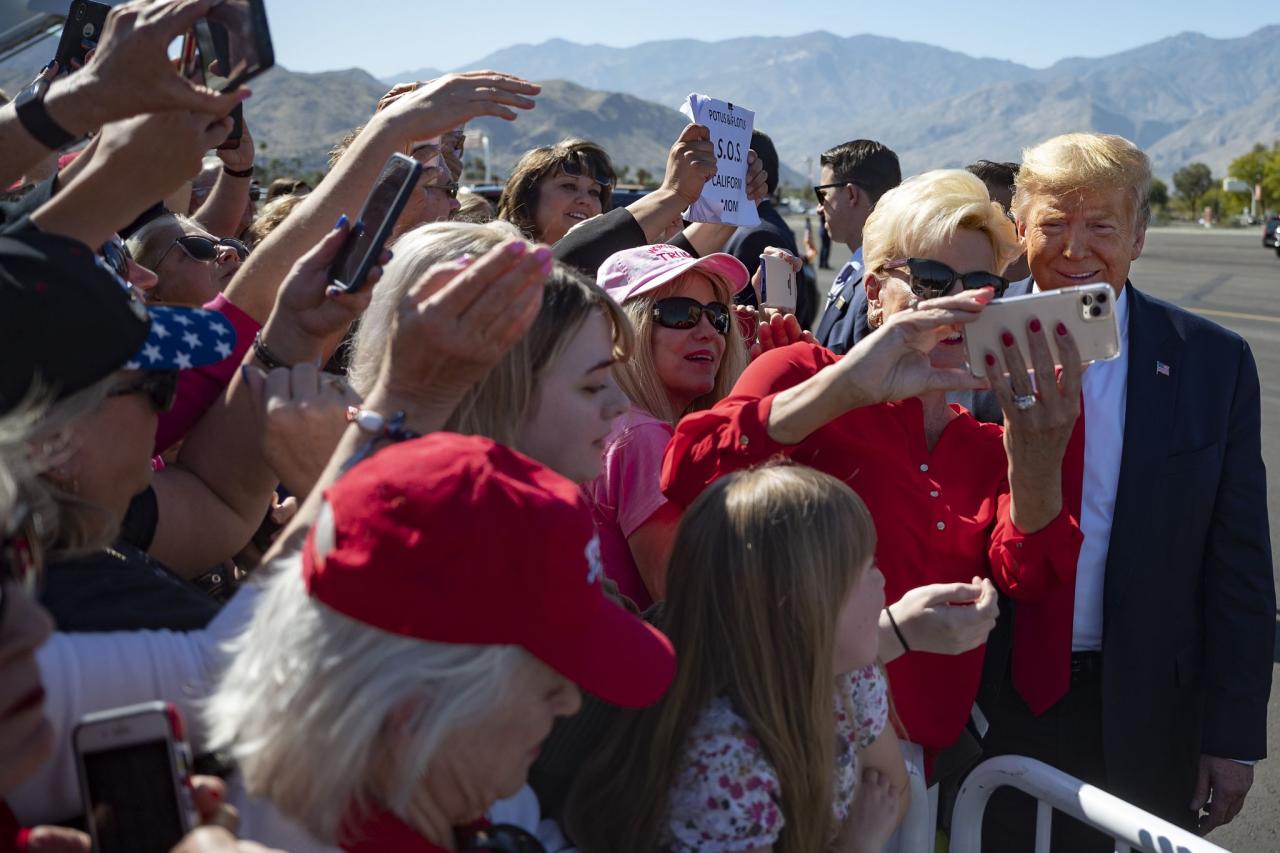
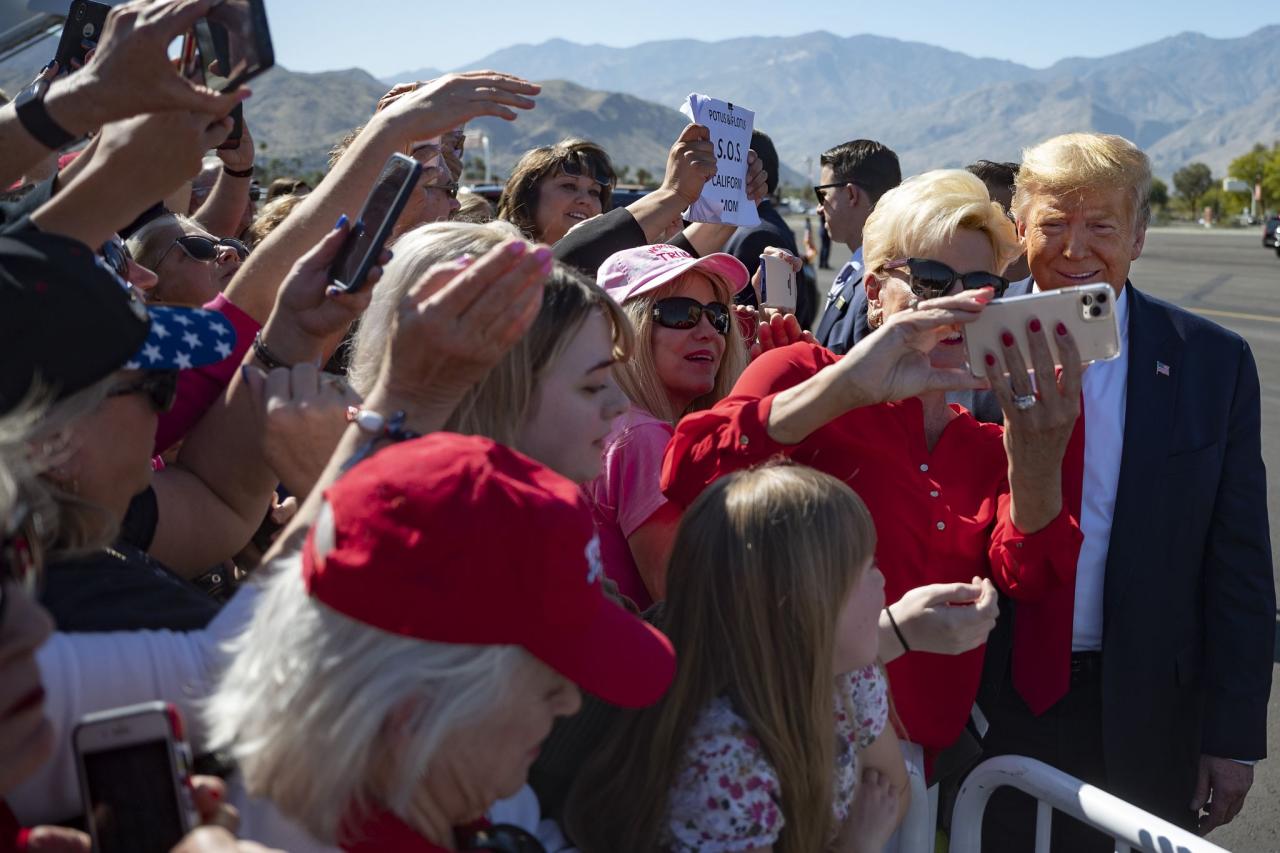
The visuals associated with Trump’s tour were diverse and often employed a range of techniques to communicate different messages. Drone footage frequently showcased the arid landscape, highlighting the perceived water scarcity and the severity of the drought. Ground-level footage, capturing Trump interacting with supporters and local officials, emphasized his engagement with the issue. Images of water infrastructure projects, whether current or proposed, served to reinforce his stated position on water management.
Media Representations of the Event
News organizations employed a variety of visual strategies to cover the tour. Some focused on establishing a direct comparison between Trump’s rhetoric and the current environmental conditions, visually contrasting his pronouncements with the visible effects of the drought and the fires. Others prioritized showing the diverse perspectives of those affected by the water crisis. This diversity of visual approaches often led to contrasting interpretations of the event’s significance.
Trump’s Visual Communication
Trump’s communication strategy utilized a mix of visual elements, including staged photo opportunities, targeted social media posts, and rallies. Images of him shaking hands with local officials, visiting affected areas, and emphasizing the severity of the drought were frequently circulated. The framing and composition of these visuals often emphasized his role as a problem-solver and a champion of the region’s interests.
He frequently employed images of himself alongside his proposed solutions.
Impact on Public Perception
The visual representation of the tour had a substantial impact on public perception. For example, images of the arid landscape accompanied by Trump’s pronouncements likely contributed to the public’s understanding of the perceived urgency of the situation. Conversely, visuals showcasing Trump’s interaction with residents and community leaders could have been interpreted as a genuine attempt to address the water crisis.
The visual narrative employed by various media outlets and Trump himself profoundly shaped public opinion.
Categorization of Images and Videos
| Theme/Perspective | Description |
|---|---|
| Trump’s Stance | Images of Trump at rallies, shaking hands with officials, visiting water infrastructure projects, and delivering speeches. |
| Environmental Impact | Images and videos showcasing the arid landscape, drought conditions, and fire damage. Aerial footage often emphasized the scale of the problem. |
| Local Perspectives | Images and videos showcasing the views of local residents, farmers, and officials impacted by the water crisis. |
| Media Coverage | Visual representations of media outlets reporting on the event. This includes images of journalists covering the tour and reporting on the drought and fires. |
Final Thoughts
In conclusion, Trump’s California water policy tour, combined with the backdrop of the Los Angeles fire, has ignited a complex debate about water management, resource allocation, and political influence. The tour’s potential long-term impacts on California’s water policy and the state’s environmental sustainability are examined, along with the various perspectives and reactions from local officials, residents, and the media.
Visual representations of the tour and the issue are also discussed, highlighting how images and videos can shape public perception. Ultimately, the event underscores the multifaceted challenges facing California’s water resources and the critical role of effective policy in addressing these issues.