Maximizing United Airlines MileagePlus Status: A Comprehensive Guide to Earning and Maintaining Elite Tier Benefits in 2026 and Beyond

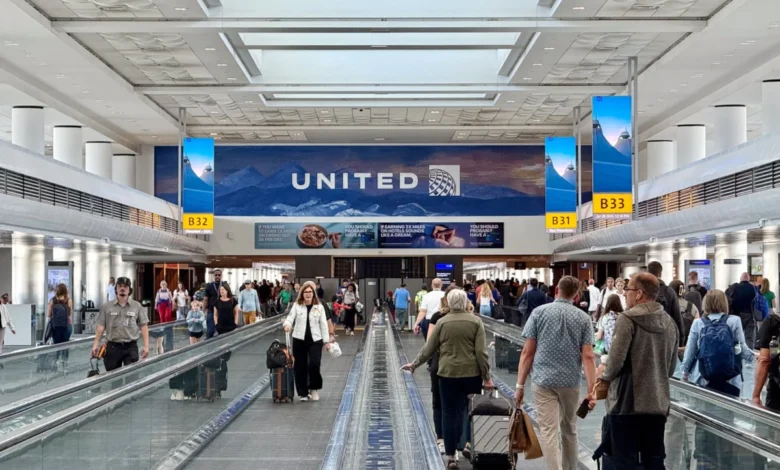
Navigating the landscape of airline loyalty programs requires a strategic approach, particularly as carriers continually adjust their qualification metrics, partner networks, and redemption values. United Airlines, through its MileagePlus program, remains one of the most prominent legacy carriers offering robust opportunities for frequent flyers to secure elite status. Securing Premier status with United grants travelers access to a suite of valuable travel benefits, including complimentary space-available upgrades, priority boarding, waived baggage fees, and enhanced customer service channels. As the aviation industry evolves in 2026, understanding the precise mechanisms required to earn, maintain, and maximize United MileagePlus status is more crucial than ever for business and leisure travelers alike.
The Foundation of United MileagePlus Elite Status
To effectively navigate the MileagePlus program, travelers must first understand the fundamental currency of elite qualification: Premier Qualifying Flights (PQFs) and Premier Qualifying Points (PQPs). United transitioned away from traditional mileage-based qualification models several years ago to a revenue- and segment-based framework. This system ensures that the airline’s most loyal and lucrative customers are appropriately recognized, regardless of whether they achieve status through frequent short-haul regional flying or fewer long-haul premium-cabin itineraries.
Premier status is divided into four primary published tiers: Premier Silver, Premier Gold, Premier Platinum, and Premier 1K. Each tier demands specific thresholds of PQFs and PQPs, or alternatively, a higher threshold of PQPs supplemented by a minimum number of flight segments flown on United or United Express.
Premier Silver, the entry-level tier, traditionally requires 12 PQFs and 4,000 PQPs, or simply 5,000 PQPs. At the top of the published hierarchy sits Premier 1K, which demands 54 PQFs and 18,000 PQPs, or 24,000 PQPs exclusively. Additionally, United offers invitation-only status known as Global Services for the airline’s highest-spending corporate accounts and top-tier revenue generators, though the specific criteria for this tier remain officially undisclosed.
The Mechanics of PQFs and PQPs
Earning Premier Qualifying Points and Flights is the bedrock of achieving status within the United ecosystem. PQPs are generally earned on the base fare and carrier-imposed surcharges of eligible tickets purchased through United, partner airlines, and certain vacation packages. For flights operated by United or United Express, members typically earn one PQP per dollar spent on the airfare and applicable surcharges. When flying on Star Alliance partner airlines, the calculation changes, typically determined by a percentage of the distance flown and the fare class purchased, often capped at a specific maximum per flight segment.
Premier Qualifying Flights, on the other hand, represent the physical segments flown. Each takeoff and landing on an eligible flight operated by United, United Express, or a partner airline counts as one PQF. For award tickets booked using MileagePlus miles on United-operated flights, members earn PQFs and PQPs based on the redemption value, effectively bridging the gap between cash and award travel for elite status qualification. Specifically, members earn one PQF for every flight segment on award tickets, and one PQP for every 100 miles redeemed from their account for the flight, simplifying the math for frequent redeemers.
Leveraging Co-Branded Credit Cards for Status Acceleration
One of the most effective ways to bridge the gap toward elite status without stepping foot on an airplane as frequently is through United’s portfolio of co-branded credit cards issued by Chase. These financial products allow cardholders to earn PQPs through everyday spending, significantly lowering the flying burden required to achieve high-tier status.
Cards such as the United Club Infinite Card and the United Quest Card offer substantial PQP earning structures. Typically, cardholders can earn a designated number of PQPs per thousand dollars spent on the card, up to an annual maximum cap that varies depending on the specific product. For example, high-end cards may offer 25 PQPs for every $500 spent on purchases, allowing a cardholder to accumulate thousands of PQPs purely through business or personal expenditures.
Furthermore, these credit cards provide ancillary benefits that complement elite status, such as free checked bags, priority boarding, airport lounge access, and introductory or retention bonuses that sometimes include direct PQP deposits. Integrating card spend into an annual travel strategy has become an indispensable tactic for frequent flyers aiming to secure Premier status efficiently.
Chronology of Program Evolution and Recent Adjustments
Over the past several years, the structure of airline loyalty programs has undergone continuous refinement to adapt to shifting economic conditions, corporate travel recovery rates, and passenger demand patterns. A retrospective analysis of the MileagePlus program reveals a steady march toward revenue-based metrics and tighter integration with financial partners.
In the wake of industry disruptions during the early 2020s, United introduced lower qualification thresholds to retain customer loyalty as global travel resumed. However, as international and domestic demand rebounded robustly through 2024 and 2025, the airline progressively adjusted these thresholds back toward historical norms, while simultaneously enhancing the value proposition of co-branded credit cards. By 2026, the program has settled into a mature, highly digitized framework where digital tracking via the United mobile application provides members with real-time updates on their progress toward the next status tier.

Throughout this timeline, United has also refined its lifetime elite status program, known as Million Miler status. Members who fly one million lifetime miles on United-operated flights earn lifetime Premier Gold status for themselves and a significant other or designated companion. Reaching two million miles elevates this to Premier Platinum, with higher milestones granting top-tier recognitions. This long-term incentive structure remains a cornerstone for career travelers who log hundreds of thousands of miles annually across decades of service.
Comparative Analysis of United Premier Tiers
Evaluating the distinct benefits associated with each tier of United MileagePlus status illustrates the tangible return on investment for frequent flyers.
Premier Silver provides essential travel comforts: complimentary Economy Plus seating at check-in (space permitting), a free checked bag, Premier Access priority airport services, and instant upgrade eligibility on regional and domestic routes starting on the day of departure. While Silver is modest compared to higher tiers, it eliminates many of the friction points associated with modern air travel.
Premier Gold elevates the experience significantly. Gold members gain access to Economy Plus seating at the time of booking for themselves and a companion, two free checked bags weighing up to 70 pounds each, priority security lane access where available, and complimentary access to United Club lounges when traveling on international itineraries. Crucially, Gold status also grants Star Alliance Gold status, unlocking lounge access and priority privileges across the entire global network of partner airlines.
Premier Platinum introduces aggressive upgrade windows, starting up to 48 hours before departure, and includes an annual allocation of Regional Upgrades (formerly known as PlusPoints or regional instruments, now streamlined into specific upgrade certificates depending on promotional structures). Platinum members also enjoy waived close-in booking fees and enhanced priority when handling irregular operations or flight delays.
Premier 1K sits at the pinnacle of published benefits. 1K members enjoy upgrade clearance windows starting up to 96 hours before departure, maximum priority for operational upgrades, dedicated phone lines with virtually zero wait times, three free checked bags, and a substantial allocation of PlusPoints. PlusPoints serve as a flexible currency that 1K members can use to instantly confirm upgrades from economy to United Polaris business class on long-term international routes, or to gift status and upgrades to colleagues, friends, and family members.
Strategic Tips for Maximizing MileagePlus Status in 2026
Achieving and maintaining status requires deliberate planning rather than passive accumulation. To optimize earnings, frequent flyers should employ several best practices:
- Consolidate Star Alliance Travel: Whenever feasible, route international and domestic itineraries through United or its joint-venture and Star Alliance partners. This ensures that all flown segments and expenditures contribute directly to the MileagePlus account rather than scattering loyalty across disparate carrier programs.
- Maximize Credit Card Spending Caps: Strategically channel large business or personal expenditures through a qualifying United Chase credit card to harvest the maximum allowable annual PQPs, effectively buying down the flying requirement.
- Target Partner Promotions: United frequently runs double PQP or accelerator promotions for specific hubs, newly launched routes, or partner airline segments. Registering for these targeted offers can dramatically accelerate status velocity.
- Utilize Award Redemptions Wisely: Because United awards now earn PQFs and PQPs, booking award travel directly through MileagePlus no longer penalizes a member’s status qualification trajectory. This allows flyers to preserve cash while maintaining elite momentum.
Implications for the Broader Aviation and Consumer Landscape
The ongoing evolution of the United MileagePlus program reflects broader trends within the commercial aviation sector. Legacy carriers increasingly view their frequent flyer programs not merely as marketing departments, but as highly lucrative financial assets and data-driven ecosystems. The revenue generated through co-branded credit card partnerships and the sale of miles to financial institutions often rivals or exceeds the profit margins of the actual flying operations.
For consumers, this dynamic creates both opportunities and challenges. On one hand, travelers who align their spending habits with co-branded financial products and maintain consistent flying patterns can unlock luxury travel benefits that would otherwise be cost-prohibitive. On the other hand, the increasing density of elite status holders at major hub airports—such as Chicago O’Hare, Denver International, Newark Liberty, San Francisco International, and Houston Intercontinental—can occasionally dilute the exclusivity of benefits like lounge access and upgrade clearing probabilities.
United Airlines continues to monitor airport congestion and lounge capacity, implementing dynamic access rules and expanding club footprints to manage the influx of premium travelers. As the industry progresses through 2026, the balance between rewarding top-tier loyalty and maintaining operational efficiency remains a delicate balancing act for airline executives.
Conclusion
Maximizing United Airlines MileagePlus status in 2026 demands a nuanced understanding of PQFs, PQPs, co-branded credit card mechanics, and strategic route planning. By mastering these elements, frequent flyers can transform routine travel into a rewarding experience characterized by priority access, complimentary upgrades, and global lounge hospitality. Whether aiming for the foundational comforts of Premier Silver or the elite autonomy of Premier 1K, a structured approach to loyalty ensures that every dollar and mile spent yields maximum return in the skies.