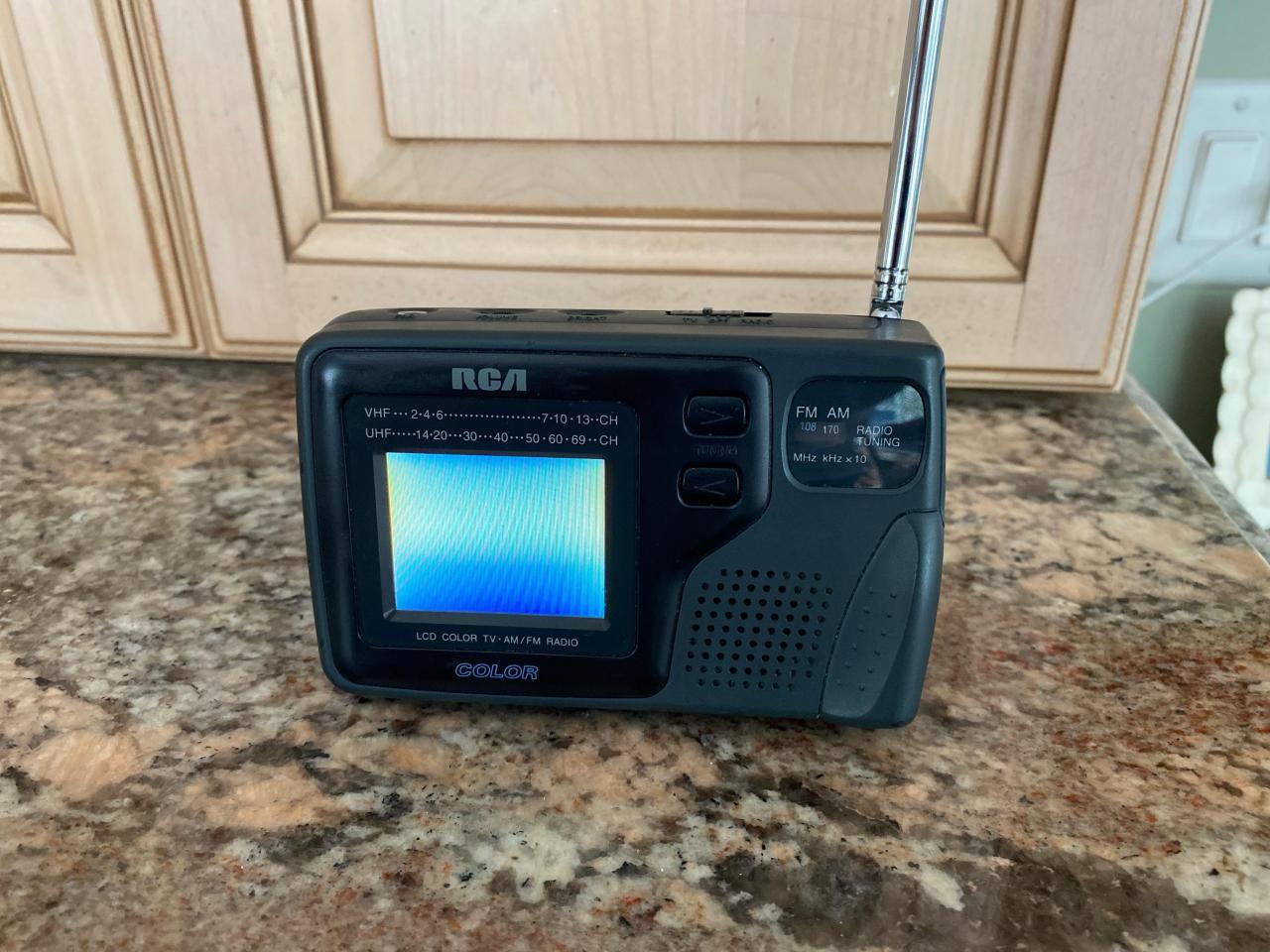
Why Theres No Need to Toss That Old AM Radio
Why theres no need to throw out that old am radio – Why there’s no need to throw out that old AM radio. This vintage technology, often relegated to dusty attics, holds a surprising amount of value. From its unique sound quality to its practical applications, especially in emergencies, and its undeniable historical and cultural significance, there’s a compelling case for keeping that old AM radio. This article dives deep into the surprising reasons why you should consider preserving this piece of audio history.
AM radio’s rich history, practical uses, and enduring appeal make it a worthwhile treasure to hold onto, rather than toss. This post will explore the intricate engineering behind its sound, discuss its practical value in diverse situations, and explain why it deserves a spot in your life, or even as a treasured keepsake.
The Intrinsic Value of an AM Radio

The humble AM radio, often relegated to the dusty corners of forgotten electronics stores, possesses a unique charm and a rich history. Beyond its practical function, it offers a captivating listening experience and a connection to a simpler era. Its enduring appeal lies in the intrinsic value of its engineering, its unique sonic characteristics, and its cultural significance.
Engineering Principles of AM Radio Transmission and Reception
AM radio transmission works by modulating the amplitude of a high-frequency carrier wave with an audio signal. This process, known as amplitude modulation, allows the audio information to be broadcast over long distances. The carrier wave, essentially a radio frequency signal, is generated by an oscillator. The audio signal, originating from the microphone or other audio source, modulates the amplitude of this carrier wave.
This modulated signal is then transmitted through an antenna. At the receiver, a similar process occurs in reverse. The received signal is demodulated to extract the original audio information. A simple analogy is a light bulb’s brightness varying with the sound waves; the changes in brightness represent the audio signal. The receiver filters out the high-frequency carrier, leaving behind the audio signal.
Unique Qualities and Characteristics of AM Radio
AM radio broadcasts have a unique sonic signature, often described as warmer, richer, and more robust than FM radio. This characteristic stems from the nature of amplitude modulation. AM signals can travel longer distances due to their ability to diffract around obstacles, making them particularly useful in areas with challenging terrain or dense urban environments. This long-range capability is a defining feature, enabling reception in remote locations.
Additionally, AM radio’s signal strength can be more robust in the presence of interference from other sources.
Historical Significance and Cultural Impact of AM Radio
AM radio played a pivotal role in shaping the 20th century. It was a crucial tool for communication, information dissemination, and entertainment. Early AM broadcasts brought news, music, and drama into homes across the globe. The radio became a powerful medium for political discourse, cultural exchange, and community building. For many, AM radio was a cornerstone of their daily lives, providing a connection to the world outside their homes.
This historical context gives AM radios a significant cultural impact and sentimental value.
Comparison of Sound Quality to Other Technologies
The sound quality of AM radio is distinct from other audio technologies. While FM radio provides a clearer, crisper sound, AM radio often possesses a richer, more “full-bodied” quality. Streaming services, while offering vast libraries of music and podcasts, often suffer from compression artifacts and variability in sound quality. The richness and warmth of AM radio stem from its inherent ability to transmit a broader range of frequencies, though this also makes it more susceptible to static and interference.
Advantages and Disadvantages of AM Radio Compared to Modern Technologies
AM radio has advantages and disadvantages compared to modern technologies like FM radio and streaming services. One significant advantage is its affordability and accessibility. AM radios are often inexpensive to purchase and maintain. Their long-range capability is also a major benefit in areas with limited access to other broadcasting technologies. A disadvantage, however, is its susceptibility to interference, which can degrade sound quality.
That old AM radio? Don’t toss it! It’s a surprisingly useful piece of vintage tech, especially if you’re looking for a budget-friendly way to stay connected, like perhaps following local news updates, or even if you’re in Morgan Hill, CA, and want to keep up with local personalities like Armida Santos. Armida Santos of Morgan Hill, CA is a great example of how someone can be prominent in their community.
Plus, it’s a conversation starter – and a great addition to any nostalgic collection. So, keep that AM radio – you never know when it might come in handy!
AM radio’s static can be quite noticeable, especially in areas with high electromagnetic activity. Furthermore, AM radio stations generally have fewer programming options compared to streaming services.
Comparison Table of Audio Technologies
| Feature | AM Radio | FM Radio | Streaming Services |
|---|---|---|---|
| Signal Strength | High, capable of long-range reception, especially in areas with challenging terrain | Moderate, generally limited to line-of-sight reception | Variable, reliant on internet connection and signal strength |
| Sound Quality | Rich, robust, but susceptible to static and interference | Clear, crisp, less susceptible to interference | Variable, dependent on compression and audio quality of source |
| Portability | Relatively portable, depending on size and features | Highly portable, typically smaller and lighter than AM radios | Highly portable, accessed through various devices |
Practical Applications of an AM Radio
AM radios, often dismissed as relics of the past, possess a surprising range of practical applications in various situations. Their robustness and simple design make them valuable tools in both everyday life and emergency preparedness. This versatility stems from their ability to operate on minimal power, a feature that becomes crucial in areas with unreliable power grids or during emergencies.Beyond their traditional role as a source of entertainment, AM radios offer unique advantages over other audio devices, particularly in specific contexts.
Their ability to receive broadcast signals with minimal interference makes them an invaluable tool for staying connected in areas where cellular or internet access is limited.
Utility in Situations with Limited or Unreliable Power Sources
AM radios thrive in environments where other electronic devices struggle. Their ability to function on battery power makes them a reliable source of information during power outages or in remote locations. This is particularly important in emergency situations where access to alternative power sources is limited or unavailable. The simple design and reliance on readily available batteries make them an invaluable resource in disaster preparedness.
Types of AM Radios and Their Strengths
A variety of AM radio models cater to diverse needs and preferences. Each type offers unique advantages depending on the intended use case.
- Portable AM Radios: These are lightweight and easily transportable, making them ideal for outdoor activities, camping trips, or emergency situations. Their compact size and battery operation allow for mobility, crucial in situations where physical movement is essential.
- Car AM Radios: Integrated into vehicle dashboards, these radios provide a convenient way to listen to news and traffic updates while driving. The built-in antenna and car battery provide a reliable power source, eliminating the need for external power in most circumstances.
- Desktop AM Radios: These are typically larger and more powerful than portable models, offering superior audio quality. Their stationary nature makes them suitable for home use, where a clear signal and high-fidelity sound are desired.
AM Radio as a Superior Solution in Specific Scenarios
In situations with limited or unreliable power sources, AM radios excel. Their resilience to power outages and minimal reliance on external power make them a crucial tool for staying informed during emergencies. Their ability to pick up signals over long distances is also a significant advantage.For instance, in areas with weak cellular signals or no internet access, AM radios provide a reliable way to access emergency broadcasts or important information.
Importance of AM Radio for Emergency Preparedness
AM radios are essential components of a robust emergency preparedness kit. Their ability to receive emergency broadcasts, weather updates, and important announcements in case of disasters or emergencies, makes them a valuable asset for staying informed and connected. Having a portable AM radio readily available during emergencies can provide critical information, support, and a sense of security.
Summary Table of AM Radio Types
| Radio Type | Features | Applications | Pros/Cons |
|---|---|---|---|
| Portable AM Radio | Lightweight, battery-powered, compact size | Camping, outdoor activities, emergencies, areas with limited power | Limited audio quality, smaller antenna may reduce reception in some situations |
| Car AM Radio | Built-in, often with car battery power, integrated antenna | Driving, receiving traffic and news updates, emergencies | Not portable, reliant on vehicle operation, often less powerful reception than dedicated portables |
| Desktop AM Radio | Larger size, often higher quality sound, typically more powerful antenna | Home use, seeking strong signal, higher audio fidelity, emergencies | Not portable, requires a stable power source |
Environmental Considerations and Sustainability
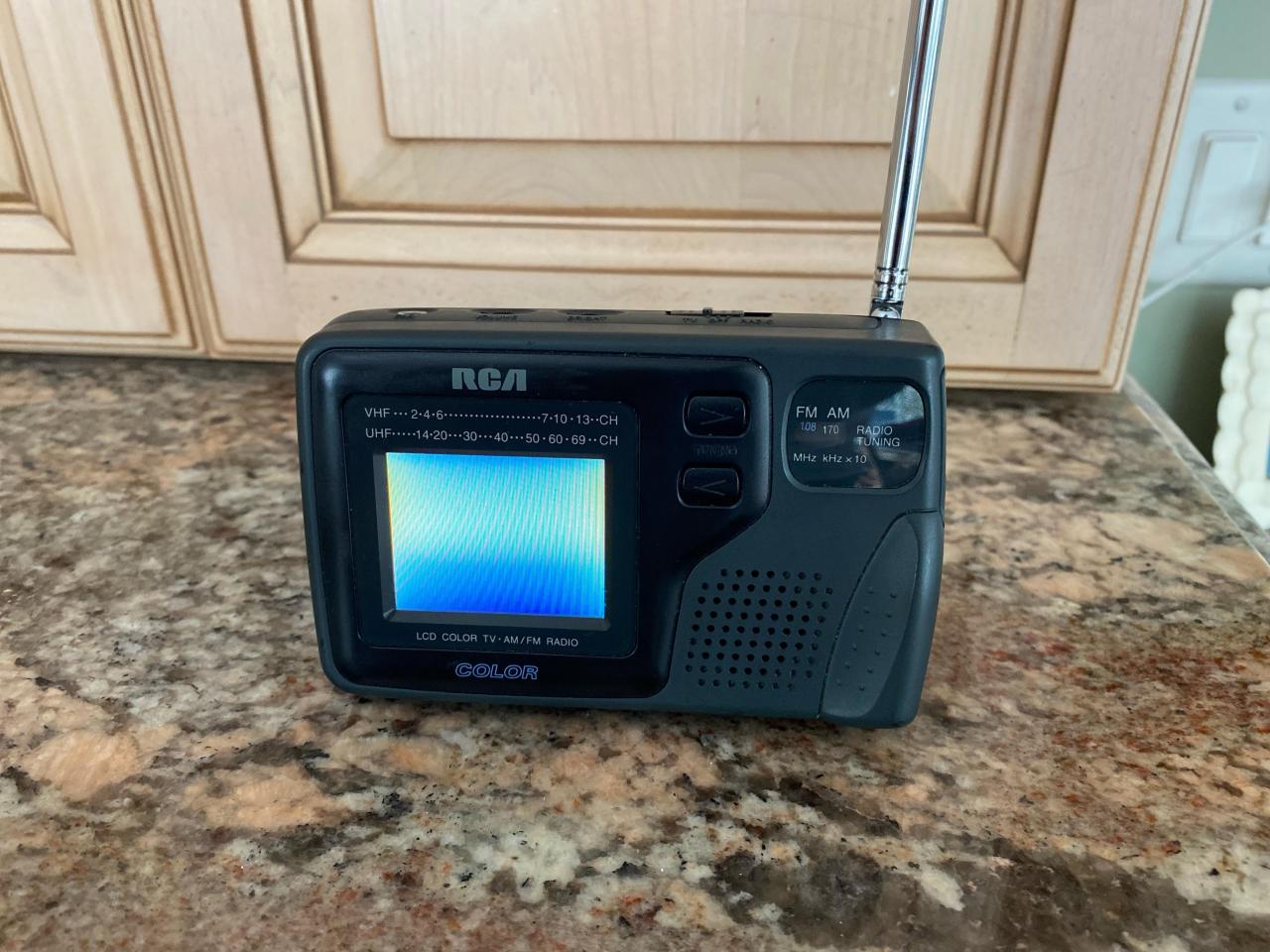
The seemingly simple AM radio, a staple in many households for decades, deserves a closer look at its environmental footprint. While its utility is undeniable, understanding its production, disposal, and overall lifecycle is crucial for evaluating its place in a sustainable future. Its longevity and relative simplicity offer a compelling argument for its continued use and repair over newer, more complex technologies.The environmental impact of any product is multifaceted, encompassing the entire lifecycle from raw material extraction to eventual disposal.
AM radios, like all electronic devices, have a carbon footprint, but the scale and nature of that impact differ significantly from other, more complex audio technologies. By understanding the materials involved and the potential for reuse and repair, we can gain a clearer picture of the radio’s contribution to our environmental sustainability.
AM Radio Production and Material Impact
The production of an AM radio involves a variety of materials, each with its own environmental impact. From the extraction of minerals like copper and aluminum to the manufacturing processes themselves, energy consumption and waste generation are inevitable. The manufacturing process often involves energy-intensive procedures and the release of greenhouse gases.
Ever feel like tossing that dusty old AM radio into the recycling bin? Hold on a second! There’s a whole lot of hidden value in those vintage pieces. Plus, considering the potential for Representative Dina Titus to influence cannabis legislation, will representative dina titus help cannabis could impact the future of affordable entertainment in unexpected ways.
Ultimately, those old AM radios deserve a second chance, packed with potential, and ready for a new life.
- Metals (like copper, aluminum, and steel): These metals are often mined in environmentally sensitive areas and their extraction can contribute to deforestation, soil erosion, and water contamination. The refining process also consumes significant energy and can release pollutants. Recycling these metals, however, can drastically reduce the environmental impact.
- Plastics: Used in the casing and various components, plastics, especially non-biodegradable varieties, pose a long-term environmental threat. The production process often involves fossil fuel consumption and can lead to microplastic pollution. Choosing recycled plastics in manufacturing is a step toward sustainability.
- Ceramics: Used in capacitors and other components, the manufacturing of ceramics often involves high energy consumption and the use of potentially harmful chemicals. Choosing materials with lower environmental impacts in the manufacturing process is key.
- Electronics (integrated circuits, transistors): The production of these components often involves sophisticated and energy-intensive processes. Waste generation from the production of these components can be a significant concern.
Environmental Footprint Comparison
Compared to newer audio technologies like digital audio players or streaming services, the environmental impact of an AM radio is comparatively low. The manufacturing process, while involving resource use, is often simpler, and the end-of-life disposal options are more readily available and often less environmentally damaging. The energy consumption of the radio during operation is also minimal.
Resource Conservation and Repair
The concept of resource conservation is crucial for sustainability. An AM radio, due to its simplicity, can be maintained and repaired for many years, extending its lifespan significantly. This minimizes the need to extract new resources and produce new devices, effectively reducing the environmental impact. A crucial aspect of resource conservation is the ability to reuse, refurbish, and recycle components.
This practice reduces the overall demand for raw materials.
Reducing Electronic Waste
Maintaining and repairing old AM radios directly contributes to reducing electronic waste. By keeping these radios functional, we avoid the need to dispose of them prematurely, preventing the associated environmental damage during the disposal process. Recycling programs are often available for AM radio components, further minimizing environmental impact. By repairing an old AM radio, we’re contributing to a circular economy model.
That old AM radio? Don’t toss it! While a four bedroom home in Saratoga just sold for a cool 2.7 million four bedroom home sells in saratoga for 2 7 million , that vintage radio still holds a certain charm and utility. It’s a nostalgic piece, a simple pleasure, and surprisingly reliable. Perfect for a quiet evening, or a rainy day project, it’s a hidden treasure, unlike that fancy new place.
This means that components can be repurposed, minimizing the need for new resources. The extended lifespan of a repaired AM radio helps conserve resources and reduces the burden on landfills.
Materials and Their Environmental Impact: A Detailed List
| Material | Environmental Impact |
|---|---|
| Copper | Mining in environmentally sensitive areas; refining process consumes significant energy and can release pollutants. |
| Aluminum | Mining processes can contribute to deforestation and water contamination; refining is energy-intensive. |
| Steel | Production can require significant energy and release greenhouse gases; often mined in environmentally sensitive areas. |
| Plastics | Fossil fuel consumption in production; non-biodegradable nature poses long-term environmental threat. |
| Ceramics | High energy consumption and potential use of harmful chemicals in manufacturing. |
| Integrated Circuits/Transistors | Sophisticated and energy-intensive processes; significant waste generation during production. |
The Aesthetic and Cultural Value of AM Radios
The humble AM radio, often relegated to the dusty attic or forgotten corner of the home, holds a surprisingly rich aesthetic and cultural significance. Beyond their practical function, these devices embody a specific era, reflecting the design sensibilities and cultural trends of their time. Their enduring appeal stems from a powerful connection to nostalgia and a unique place in shaping broadcast history.The enduring appeal of AM radios extends beyond their functional value.
Their nostalgic charm often evokes memories of simpler times, a comforting sense of familiarity and connection to the past. This emotional resonance is deeply intertwined with the design elements and cultural contexts surrounding these devices.
Nostalgic Appeal and Aesthetic Qualities
AM radios possess a distinct charm that transcends their purely functional purpose. Their often simple, yet elegant, designs embody a specific aesthetic of their era. The combination of smooth curves, classic knobs, and iconic colors evoke a sense of familiarity and comfort, tapping into a collective memory of simpler times. These aesthetic qualities are deeply intertwined with the cultural context in which they emerged.
Iconic AM Radio Designs and Cultural Significance
Many iconic AM radio designs have left an indelible mark on popular culture. For example, the sleek, streamlined designs of 1950s and 1960s radios often reflected the prevailing modernism of the time, while earlier models frequently exhibited a more ornate or decorative style. The design choices reflected the cultural values and aesthetic preferences of the time, making these radios more than just appliances; they were cultural statements.
Role in Shaping Cultural Trends and Broadcasting
AM radios played a crucial role in shaping cultural trends and broadcasting. They were essential for disseminating information, news, and entertainment during a time when television was not ubiquitous. The broadcast medium, initially confined to radio, created a sense of shared experience, connecting communities across vast distances. AM radio fostered a unique sense of community and shared experience that is rarely seen in modern media consumption.
Historical Importance as a Source of Information and Entertainment
AM radio was a cornerstone of information and entertainment during a significant portion of the 20th century. Before the widespread availability of television, AM radio provided access to news, music, and cultural programming. This access was essential in connecting individuals and shaping their understanding of the world. It was more than just a source of entertainment; it was a source of connection and information, particularly for people in remote areas.
Design Elements and Features of Desirable Collectibles
Certain design elements and features make vintage AM radios highly desirable collectibles. Features like specific speaker designs, unique dials, and intricate ornamentation are often prized by collectors. The specific materials used in construction, such as the type of wood or metal, also contribute to the overall aesthetic appeal. The rarity and condition of the radio are also significant factors for collectors.
Key Factors Contributing to Aesthetic Appeal
Several key factors contribute to the aesthetic appeal of vintage AM radios.
- Era-Specific Design: The design often reflects the aesthetic sensibilities of the time, making it a visual representation of its era.
- Materials and Construction: The use of specific materials and craftsmanship in the construction of the radio, like the type of wood or metal, contribute to the overall appeal.
- Intricate Details: Decorative elements, like intricate knobs or unique speaker designs, add visual interest and complexity.
- Condition and Rarity: A radio in excellent condition and with a rare design or manufacturer is often more desirable.
Technical Maintenance and Repair: Why Theres No Need To Throw Out That Old Am Radio
Keeping your vintage AM radio in working order requires a blend of understanding its basic mechanics and acquiring some practical troubleshooting skills. This section dives into the world of AM radio repair, providing a step-by-step guide to common issues and solutions. Armed with this knowledge, you can bring a cherished piece of history back to life.Understanding the inner workings of an AM radio is crucial for effective maintenance and repair.
Essentially, it’s a complex system of electrical components, including capacitors, resistors, inductors, and tubes (in older models). Each component plays a vital role in receiving and amplifying the radio waves. Failures in these components can lead to a range of issues, from static to complete silence.
Basic Principles of AM Radio Maintenance and Troubleshooting
Diagnosing problems in an AM radio starts with a systematic approach. First, visually inspect the radio for any obvious damage or loose connections. Next, check the power supply; a faulty power cord or a weak battery can cause intermittent or complete failure. Finally, listen for specific issues like static, crackling, or weak signals. These initial steps can help pinpoint the problem area, reducing the scope of potential causes.
Common AM Radio Repairs
A variety of problems can arise with an AM radio, ranging from simple to complex. A common problem is a weak signal, which might indicate issues with the antenna, the tuning mechanism, or the receiver circuits. Another frequent issue is static or crackling, which may stem from faulty capacitors, loose connections, or even interference from other electrical devices.
- Weak Signal: Check the antenna connections for tightness and ensure the antenna is properly positioned. Inspect the tuning capacitor for proper operation and adjust as necessary. Test the receiver circuits for continuity and proper amplification. If these steps don’t solve the problem, the problem may lie in the antenna itself.
- Static or Crackling: Examine all components for loose connections. Verify the condition of capacitors and check for any signs of leakage. Test for interference from other electrical devices and evaluate the wiring of the radio for any exposed or frayed wires. If necessary, replace any damaged or worn components.
- No Signal at All: First, check the power supply and the connections. Ensure the power cord or battery is functioning correctly. If the power supply is okay, check the antenna and tuning components. If none of these solve the problem, the receiver’s circuitry is likely faulty. Investigate the circuit board for any obvious damage or loose connections.
Availability of Parts and Resources for Repairing Vintage AM Radios, Why theres no need to throw out that old am radio
Finding parts for vintage AM radios can sometimes be challenging. However, online forums, antique radio shops, and swap meets dedicated to vintage electronics can provide a valuable source of components and information. Furthermore, many online communities are dedicated to restoring old radios, offering support and advice to repair enthusiasts.
Restoring an Old AM Radio to Its Original Condition
Restoring an old AM radio to its original condition involves a careful process of disassembly, cleaning, and repair. First, carefully disassemble the radio, taking notes and pictures of the layout for reassembly. Clean all components, removing dust and debris. Replace any damaged or worn parts with authentic replacements or functional equivalents. Finally, reassemble the radio, ensuring all connections are secure.
Skills Required to Effectively Repair an AM Radio
Effective AM radio repair requires a blend of technical skills and patience. A basic understanding of electronics, including circuit diagrams, is essential. Dexterity and precision are necessary for working with small components and making delicate repairs. Problem-solving skills and a methodical approach are equally vital for diagnosing and rectifying issues. Patience and attention to detail are critical in restoring the functionality of vintage AM radios.
Final Wrap-Up
In conclusion, the enduring value of AM radios extends far beyond their initial function. From their rich history and unique sound to their practical applications, especially during emergencies, AM radios offer a remarkable blend of utility and nostalgia. So, before you toss that old AM radio, consider the fascinating world it unlocks. Perhaps, it’s time to appreciate its intrinsic worth and find a new place for it in your life.
It might just surprise you.