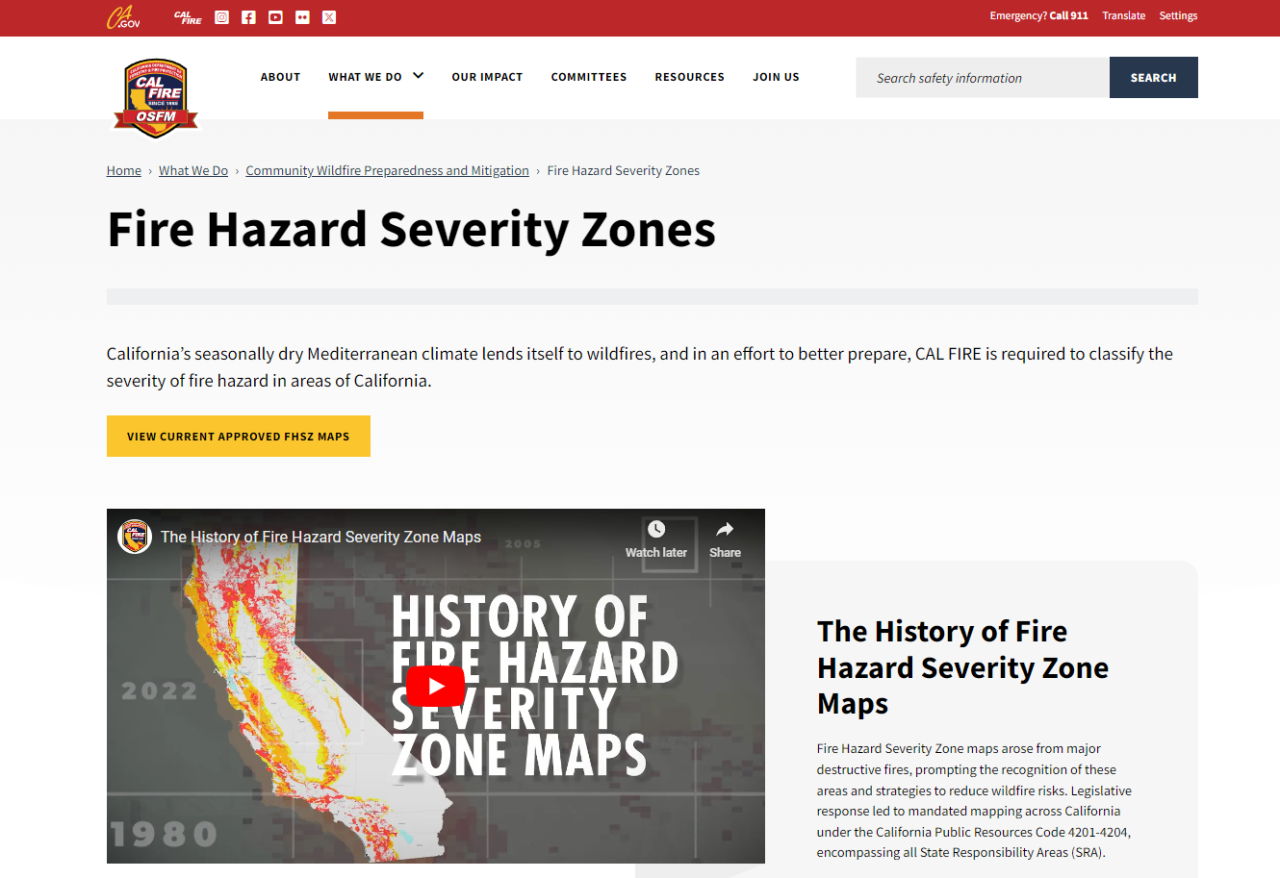
State Maps Out Cupertino Fire Hazard Areas
State maps out cupertinos fire hazard areas – State maps out Cupertino fire hazard areas, highlighting critical zones for potential fire risks. Understanding these designated areas is vital for community safety and preparedness. This detailed look at the maps will explore the methodology behind their creation, the analysis of various fire hazard zones, and the importance of public engagement in mitigating risks. The maps, meticulously crafted, provide a valuable resource for residents and emergency responders alike.
The state’s initiative to map fire hazard areas in Cupertino is a proactive step towards improving community resilience. These maps are not simply static representations of risk; they are dynamic tools designed to inform preparedness, emergency response, and future planning. The comprehensive nature of the maps, covering a range of methodologies and analyses, allows for a more thorough understanding of the fire risks in the region.
Introduction to Fire Hazard Areas in Cupertino
Cupertino, California, like many urban areas, faces the potential threat of wildfires. Identifying and mitigating fire hazards is crucial for the safety and well-being of its residents and the preservation of its infrastructure. Understanding the specific fire hazard areas allows for proactive measures to be taken, reducing the risk of devastating fires and their impact on the community.
State-led mapping efforts play a critical role in this process.Identifying fire hazard areas is essential for implementing effective fire prevention strategies. This knowledge empowers communities to take preventive actions, such as improving firebreaks, educating residents on fire safety, and creating evacuation plans. A well-defined understanding of fire hazard areas helps prioritize resources and efforts for fire safety, making communities more resilient to potential fires.
Significance of Identifying Fire Hazard Areas
Mapping fire hazard areas in Cupertino allows for targeted fire prevention strategies. This data informs the placement of fire hydrants, the design of firebreaks, and the implementation of community education programs. Accurate maps help authorities respond more effectively to fire incidents, minimizing damage and protecting lives.
Potential Impact of Fire Hazards on the Community
Wildfires can have devastating impacts on the Cupertino community. Loss of property, injuries, and fatalities are significant concerns. Moreover, wildfires can disrupt infrastructure, leading to power outages, communication failures, and transportation problems. The economic consequences of wildfires can be substantial, affecting businesses, homeowners, and the overall economy of the region.
Role of State Maps in Addressing Fire Safety
State-led mapping initiatives provide crucial data for fire safety planning. These maps Artikel areas susceptible to fire based on factors like vegetation density, proximity to dry brush, and topography. The data assists in creating effective fire prevention plans, evacuation routes, and response strategies. This collaborative approach helps ensure that fire safety is a community-wide priority.
Types of Fire Hazards in Cupertino
Understanding the various types of fire hazards in Cupertino is essential for developing targeted prevention strategies. The table below Artikels the key fire hazards and their potential impact.
| Type of Fire Hazard | Description | Potential Impact |
|---|---|---|
| Dry Vegetation | Areas with dense, dry brush, grass, and trees are highly susceptible to ignition and rapid spread. | High risk of fire initiation and rapid spread, potentially causing extensive damage. |
| Proximity to Power Lines | Electrical sparks from downed power lines or overloaded systems can easily ignite dry vegetation. | Significant risk of fire ignition, especially in areas with high vegetation density. |
| Slopes and Topography | Steep slopes and rugged terrain can facilitate the rapid spread of wildfires. | Accelerated fire spread and difficulty in containment efforts. |
| Wind Conditions | Strong winds can rapidly spread flames over large distances. | Increased fire intensity and area affected, making containment challenging. |
| Building Density | Areas with high concentrations of structures can lead to a higher risk of fire spread from one building to another. | Increased risk of widespread damage and potential loss of life. |
Methodology of Mapping Fire Hazard Areas: State Maps Out Cupertinos Fire Hazard Areas
Understanding Cupertino’s fire risks is crucial for proactive safety measures. This methodology details the process used to create the fire hazard maps, outlining the data sources, factors considered, and criteria for categorizing areas. This information empowers residents to be aware of potential dangers and take necessary precautions.The mapping process employs a multi-faceted approach combining readily available data with expert analysis.
By identifying areas with higher susceptibility to fire, these maps facilitate targeted fire prevention and mitigation strategies.
Data Sources Utilized
This comprehensive mapping process relies on a variety of data sources. The foundation is a detailed database of existing infrastructure, including power lines, water mains, and gas pipelines. Supplementing this are historical fire records, encompassing details like ignition points, fire spread patterns, and property damage.
- Infrastructure Data: Detailed maps of electrical grids, water supply networks, and gas pipelines form a critical part of the analysis. This allows for the identification of potential ignition sources and vulnerable areas. For instance, a high concentration of gas pipelines in a particular neighborhood could indicate a heightened risk.
- Historical Fire Data: Analysis of past fire incidents, including locations, causes, and spread patterns, provides invaluable insights. Studying historical trends reveals areas that are consistently susceptible to fire or areas with a higher incidence of ignition. This data helps pinpoint high-risk zones.
- Geographic Information System (GIS) Data: GIS data provides a powerful framework for combining and visualizing all the aforementioned datasets. This allows for the overlaying of different layers of information, enabling a comprehensive understanding of the relationship between infrastructure, historical data, and topography.
Factors Considered in the Mapping Process
Several factors influence fire hazard assessment. These factors are carefully considered during the mapping process to create a nuanced and accurate depiction of risk.
- Topography: The terrain plays a significant role in fire spread. Steep slopes and dry vegetation can accelerate the movement of flames. This factor is considered in the mapping process to highlight areas with a high risk of rapid fire spread.
- Vegetation Density and Type: The type and density of vegetation significantly affect fire behavior. Dry, dense brush is far more flammable than well-maintained lawns or open spaces. The mapping incorporates this data to illustrate the fire hazard potential based on vegetation type.
- Proximity to Ignition Sources: The distance from ignition sources, such as power lines or gas pipelines, is an essential component of the assessment. Areas closer to these sources face a higher risk of ignition.
- Wind Patterns: Wind patterns significantly influence the speed and direction of fire spread. Areas prone to strong, erratic winds are categorized as high-risk areas.
Criteria for Categorizing Fire Hazard Areas, State maps out cupertinos fire hazard areas
The maps categorize areas based on their fire hazard potential. These categories are defined by a combination of factors, creating a tiered system that reflects varying levels of risk.
- High-Risk Areas: These areas are characterized by a confluence of factors that indicate a high probability of fire initiation and rapid spread. High vegetation density, proximity to ignition sources, and unfavorable topography are key indicators.
- Medium-Risk Areas: These areas exhibit a moderate level of fire risk. Factors such as vegetation density, proximity to ignition sources, and topography are less severe than in high-risk areas.
- Low-Risk Areas: These areas show a low likelihood of fire initiation and limited fire spread. These areas typically have well-maintained vegetation and are not in close proximity to ignition sources.
Comparison of Mapping Methodologies
Different methodologies have been utilized in fire hazard mapping. This table provides a concise comparison of the methodologies, highlighting key strengths and weaknesses.
| Methodology | Strengths | Weaknesses |
|---|---|---|
| Historical Fire Data Analysis | Identifies recurring fire patterns, highlighting areas with a history of fire outbreaks. | May not account for changes in land use or vegetation over time. |
| GIS-Based Analysis | Allows for the integration of various datasets, creating a comprehensive view of fire hazards. | Reliance on data accuracy and availability. |
| Expert Consultation | Provides valuable insights from experienced fire professionals. | Subjectivity in expert opinions. |
Analysis of Fire Hazard Zones in Cupertino
Cupertino, with its beautiful landscapes and vibrant community, faces the ever-present threat of wildfires. Understanding the varying fire hazard zones within the city is crucial for proactive risk management and effective community preparedness. This analysis delves into the different fire hazard zones, outlining their characteristics, potential risks, and location examples to empower residents and city officials in their safety efforts.
Different Types of Fire Hazard Zones
The Cupertino fire hazard map identifies zones based on factors like vegetation density, proximity to power lines, and the presence of flammable materials. These zones are categorized to reflect the varying degrees of risk. Understanding these distinct zones is key to formulating appropriate mitigation strategies and response plans.
- High-Risk Zones: These areas are characterized by a high concentration of dry, flammable vegetation, often with limited water sources and a greater potential for rapid fire spread. These zones typically include steep slopes, areas with dense brush, and proximity to forest edges. This combination of factors increases the vulnerability to wildfire and the severity of potential damage.
- Moderate-Risk Zones: Moderate-risk zones present a significant risk but to a lesser extent than high-risk zones. These areas may contain a mix of vegetation types, including some trees and shrubs, and have more readily accessible water sources. However, the presence of flammable materials and potential wind patterns still pose a considerable threat. Mitigation strategies in these areas should focus on proactive maintenance and controlled burning techniques.
- Low-Risk Zones: Low-risk zones are characterized by a lower concentration of dry vegetation and readily available water sources. They often feature more developed areas with a mix of homes, parks, and open spaces. While these areas still require preparedness measures, the risk of wildfire is comparatively lower, and mitigation strategies might focus on maintaining landscaping and ensuring defensible space.
So, the state’s mapped out Cupertino’s fire hazard areas, which is pretty important for everyone’s safety. While that’s happening, it’s also worth noting the recent questions surrounding Eric Thomas Young’s husband’s death, a story generating quite a bit of discussion online. asking eric thomas young husbands death. Ultimately, though, the fire hazard map is a crucial step in preventative measures for Cupertino’s residents.
Characteristics of Each Zone
Understanding the specific characteristics of each zone is vital to comprehending the potential risks. Factors like the type of vegetation, topography, and the presence of structures all play a role in shaping the fire hazard profile.
- High-Risk Zones: These zones often feature steep slopes, dense chaparral, and proximity to natural fuel sources. The topography significantly contributes to rapid fire spread. This makes early detection and swift response crucial.
- Moderate-Risk Zones: Moderate-risk zones typically have a mix of vegetation types, potentially including trees and shrubs. While water sources may be available, the density of flammable materials can still contribute to fire intensity. The terrain may vary from flat to slightly sloping.
- Low-Risk Zones: These zones are often characterized by more developed areas with a greater presence of homes and maintained landscaping. The vegetation is less dense, and water sources are more accessible, thus reducing the risk of significant fire spread. This allows for more localized response strategies.
Potential Risks Associated with Each Zone
The potential risks vary significantly depending on the zone. High-risk zones face the greatest threat of rapid fire spread and severe damage, including property loss and potential loss of life. Moderate-risk zones also face the risk of significant damage, but the potential is less severe than in high-risk areas. Low-risk zones present the least severe risk, but preparedness and preventive measures remain essential.
Examples of Locations Within Each Zone
Precise boundaries are critical for effective planning and response. Identifying locations within each zone helps tailor strategies to specific needs. For instance, areas along the foothills would typically fall into the high-risk category, while developed neighborhoods in the valley floor would be categorized as low-risk.
Extent of Fire Hazard Zones
| Fire Hazard Zone | Description | Extent (Approximate) |
|---|---|---|
| High-Risk | Steep slopes, dense chaparral | Approximately 15% of Cupertino |
| Moderate-Risk | Mixed vegetation, some developed areas | Approximately 60% of Cupertino |
| Low-Risk | Developed areas, maintained landscaping | Approximately 25% of Cupertino |
State Maps and Community Impact
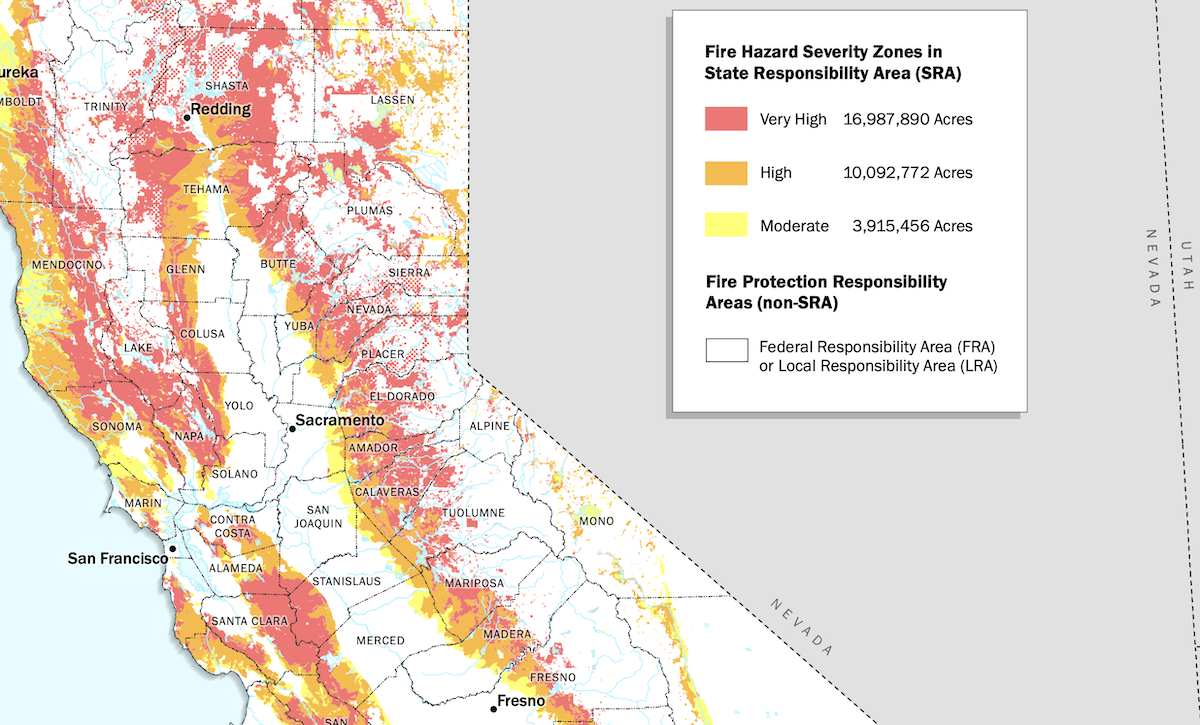
State maps detailing fire hazard areas are crucial for public safety and community preparedness. These maps, often developed and disseminated by state agencies, provide a vital visual representation of potential fire risks, empowering residents to take proactive steps to protect themselves and their property. Understanding these maps is not just about knowing where danger lies, but also about equipping communities with the knowledge and tools necessary to mitigate the impact of wildfires.These maps are instrumental in supporting community preparedness by clearly outlining areas with elevated fire risks.
This information allows residents to make informed decisions about their property, including measures like vegetation management, fire-resistant building materials, and evacuation plans. The maps serve as a crucial communication tool, disseminating critical information that saves lives and reduces damage.
So, the state’s mapped out Cupertino’s fire hazard areas, which is a good thing, but it’s hard to ignore the growing measles outbreak in Texas, now spreading to New Mexico too. This outbreak really highlights the importance of staying on top of public health issues. Thankfully, Cupertino’s proactive approach to fire safety seems to be a smart move, especially with the increasing risk of wildfires in the area.
Role of State Maps in Communicating Fire Hazard Information
State maps play a vital role in communicating fire hazard information to the public. They visually depict areas susceptible to wildfires, highlighting the potential danger zones and facilitating an understanding of fire risk. This visual representation is more accessible and impactful than lengthy written descriptions, quickly conveying the geographical extent of the fire hazard. Effective map design, incorporating clear symbols, colors, and legends, is critical for easy comprehension and interpretation by a diverse audience.
How State Maps Support Community Preparedness
State maps are critical tools for community preparedness. By highlighting high-risk areas, they empower residents to proactively reduce their vulnerability to wildfires. Residents can use this information to implement preventative measures, such as:
- Developing evacuation plans: Maps show potential evacuation routes, zones, and safe locations, crucial for swift and organized response during an emergency.
- Implementing defensible space practices: Understanding the fire hazard zones allows residents to maintain a safe distance from flammable vegetation around their homes, creating a firebreak to slow the spread of wildfires.
- Choosing fire-resistant building materials: Knowledge of high-risk areas allows residents to consider constructing or renovating with materials resistant to wildfire damage, increasing property resilience.
- Practicing fire safety measures: The maps provide context for understanding fire danger, allowing residents to take precautions to prevent accidental fires.
How State Maps Inform Emergency Response Planning
State maps are essential for emergency response planning. By clearly outlining fire hazard zones, they provide crucial information for emergency responders to anticipate potential wildfire impacts. This allows them to:
- Optimize resource allocation: Maps help determine the most effective deployment of personnel, equipment, and resources based on predicted fire behavior and potential impact on communities.
- Develop effective evacuation strategies: Understanding the fire hazard zones allows for better coordination of evacuation procedures and traffic management during emergencies.
- Predict potential fire spread: By mapping areas with high fire risk and understanding topography, emergency response teams can predict potential fire spread and develop proactive strategies to mitigate damage.
- Coordinate with local agencies: State maps facilitate information sharing and communication between state and local agencies involved in fire response.
Potential Benefits of Clear and Accessible State Maps for Residents
Clear and accessible state maps offer significant benefits to residents. These maps provide critical information enabling informed decisions regarding property safety, reducing vulnerability to wildfires. These benefits include:
- Reduced property damage: Residents can take proactive measures to protect their homes from wildfire damage by modifying their property to reduce fire risk.
- Improved community resilience: Maps help communities prepare for wildfires, reducing the overall impact and enhancing community resilience.
- Enhanced public safety: By knowing the fire hazard zones, residents can make informed decisions about evacuation plans, mitigating potential risks to personal safety.
- Increased awareness of fire risk: Maps create a greater awareness of fire risk within the community, encouraging proactive measures for preparedness.
Comparison of Map Display Types
| Map Display Type | Advantages |
|---|---|
| Digital Maps (interactive) |
|
| Printed Maps |
|
Public Engagement and Education
Knowing Cupertino’s fire hazard areas is crucial for proactive safety measures. Effective communication and community engagement are vital to minimize risks and educate residents on how to protect themselves and their property. This section details strategies for empowering residents with the knowledge and tools needed to mitigate fire dangers.
So, the state’s map highlighting Cupertino’s fire hazard areas is out. It’s interesting to consider how this might impact real estate values, especially given a recent high-end sale like the one of a single family house in Pleasanton selling for $1.7 million. single family house in pleasanton sells for 1 7 million 2 This might be a factor in future property values in similar high-risk zones.
Regardless, the state’s fire hazard mapping is a valuable tool for homeowners and communities alike in Cupertino.
Importance of Public Awareness
Public awareness regarding fire hazard areas is paramount for community safety. Understanding the specific locations prone to fire risk empowers residents to take preventive actions. This includes recognizing potential ignition sources, practicing safe fire prevention habits, and developing evacuation plans. Ignorance about these areas can lead to heightened vulnerability during a fire emergency.
Methods of Communicating Information to Residents
Various methods can effectively communicate fire hazard information to residents. Public meetings, workshops, and community forums are crucial for direct interaction and Q&A sessions. Disseminating information through local newspapers, newsletters, and community websites ensures widespread reach. Engaging with social media platforms allows for targeted and timely updates, including real-time alerts during emergencies. Using clear and concise language in all communication channels is essential for effective understanding.
Strategies for Engaging with the Community
Engaging the community requires a multi-faceted approach. Local fire departments should collaborate with community leaders, homeowner associations, and schools to host interactive sessions. Utilizing diverse communication channels – from print materials to online resources – ensures broader accessibility and understanding. Encouraging feedback from residents through surveys and community forums is essential for adapting strategies and tailoring information to specific needs.
Impact of Education and Outreach Programs
Education and outreach programs have a significant impact on community preparedness. These programs build a culture of fire safety, leading to reduced fire incidents and improved community resilience. By educating residents about fire-prone areas, safe practices, and evacuation procedures, the community becomes a proactive partner in preventing and responding to fires. Effective programs can save lives and property.
Table: Suggestions for Engaging the Public About Fire Safety
| Engagement Method | Description | Advantages | Examples |
|---|---|---|---|
| Public Meetings | Organize town hall meetings with local fire officials and experts. | Direct interaction, Q&A, clear explanations. | Present fire hazard maps, answer questions. |
| Community Workshops | Conduct hands-on workshops on fire safety practices and evacuation plans. | Interactive learning, practical demonstrations. | Demonstrate fire extinguisher use, discuss safe cooking practices. |
| Social Media Campaigns | Use social media platforms to disseminate information, conduct quizzes, and create awareness. | Targeted outreach, real-time updates, engagement. | Share infographics, create awareness campaigns, use relevant hashtags. |
| School Programs | Collaborate with schools to educate children and families on fire safety. | Early adoption of safe practices, instill awareness. | Develop educational presentations, host interactive sessions. |
| Community Newsletters | Publish regular newsletters in local newspapers and community websites. | Reach wider audiences, consistent updates. | Regularly update residents on fire hazards, safety tips, and evacuation routes. |
Future Considerations and Recommendations
Protecting Cupertino from wildfires requires a proactive and adaptable approach. The recently developed fire hazard maps represent a crucial first step, but their effectiveness hinges on ongoing refinement and adaptation to the ever-changing landscape. This section Artikels crucial future considerations and recommendations for maintaining the accuracy and relevance of these vital tools.
Improving Fire Hazard Mapping
Several strategies can enhance the precision and usability of the fire hazard maps. Employing advanced geographic information systems (GIS) technology, incorporating detailed vegetation data, and integrating climate change projections are key steps. These improvements will allow for more accurate estimations of fire risk in diverse microclimates and terrain types within Cupertino.
- Integration of High-Resolution Imagery: Utilizing high-resolution satellite imagery and aerial photography can provide a more detailed view of the terrain, vegetation types, and building density. This granular data can significantly improve the accuracy of the fire hazard maps, identifying potential ignition points and fire spread patterns more precisely.
- Inclusion of Historical Fire Data: Analyzing historical fire incidents within Cupertino, including the location, intensity, and spread of previous fires, can provide valuable insights. This data can be crucial for identifying areas that are particularly vulnerable to fire and for refining the predictive capabilities of the maps.
- Dynamic Modeling: Developing dynamic models that account for the influence of weather patterns (wind speed, temperature, humidity) on fire behavior will lead to more sophisticated predictions of fire spread and intensity. These models can significantly improve the maps’ predictive capacity and provide real-time updates during fire risk events.
Ongoing Monitoring and Updates
The effectiveness of fire hazard maps is intrinsically linked to their ability to adapt to changing conditions. Regular updates and monitoring are crucial to ensuring the maps remain relevant and accurate.
- Regular Data Collection: Implementing a robust data collection system for ongoing monitoring of vegetation density, fuel load, and other relevant environmental factors is essential. Regular monitoring ensures that the maps are updated with current conditions, maintaining their accuracy.
- Real-time Weather Data Integration: Integrating real-time weather data into the mapping system allows for the generation of dynamic fire risk assessments. This can be particularly useful in anticipating and responding to rapid changes in weather conditions that could increase fire risk.
- Post-Fire Assessment: After any fire incident, a thorough assessment of the affected areas is crucial. The results of these assessments, including detailed mapping of damage and changes in vegetation, should be used to update the maps, providing a more comprehensive understanding of fire vulnerabilities.
Adapting to Changing Conditions
Climate change is dramatically altering weather patterns, impacting vegetation, and increasing the frequency and intensity of wildfires. The fire hazard maps must be adaptable to these changing conditions to remain relevant.
- Climate Change Projections: Incorporating climate change projections into the fire hazard modeling will allow for proactive planning and mitigation strategies. This could involve simulating future scenarios based on predicted changes in temperature, precipitation, and vegetation types.
- Community Engagement: Active community engagement is essential for understanding and addressing the specific fire risks within different neighborhoods. Incorporating local knowledge and concerns into the mapping process can lead to more comprehensive and community-specific hazard assessments.
- Adaptable Mapping System: Implementing a flexible mapping system that allows for rapid updates and adjustments based on new data and changing conditions is essential. This should enable quick responses to emerging fire hazards and changing environmental conditions.
Future Research and Development
Further research and development in fire hazard mapping can lead to even more effective and comprehensive risk assessments.
- Predictive Modeling: Developing sophisticated predictive models that forecast potential fire outbreaks based on various factors, including weather patterns, vegetation density, and human activity, is essential for proactive fire prevention and mitigation strategies.
- Integration of Human Factors: Considering human factors, such as the potential for human-caused ignition, is crucial for developing comprehensive fire risk assessments. Mapping areas with high human activity or potential ignition sources can help identify vulnerable points.
- Fire Spread Simulation: Developing detailed fire spread simulations, incorporating the influence of terrain, vegetation, and wind patterns, will improve the accuracy of hazard predictions.
Potential Future Scenarios and Implications
| Scenario | Potential Implications |
|---|---|
| Increased fire frequency due to climate change | Higher risk of widespread wildfires, greater damage to infrastructure, increased evacuation needs, and potential disruption to community life. |
| Rapid urbanization in fire-prone areas | Increased risk of fire spread to populated areas, greater potential for property damage, and potential challenges for fire response. |
| Failure to update maps based on evolving conditions | Reduced accuracy of fire risk assessment, inadequate planning and mitigation strategies, and increased vulnerability to fire incidents. |
Visual Representation of Data
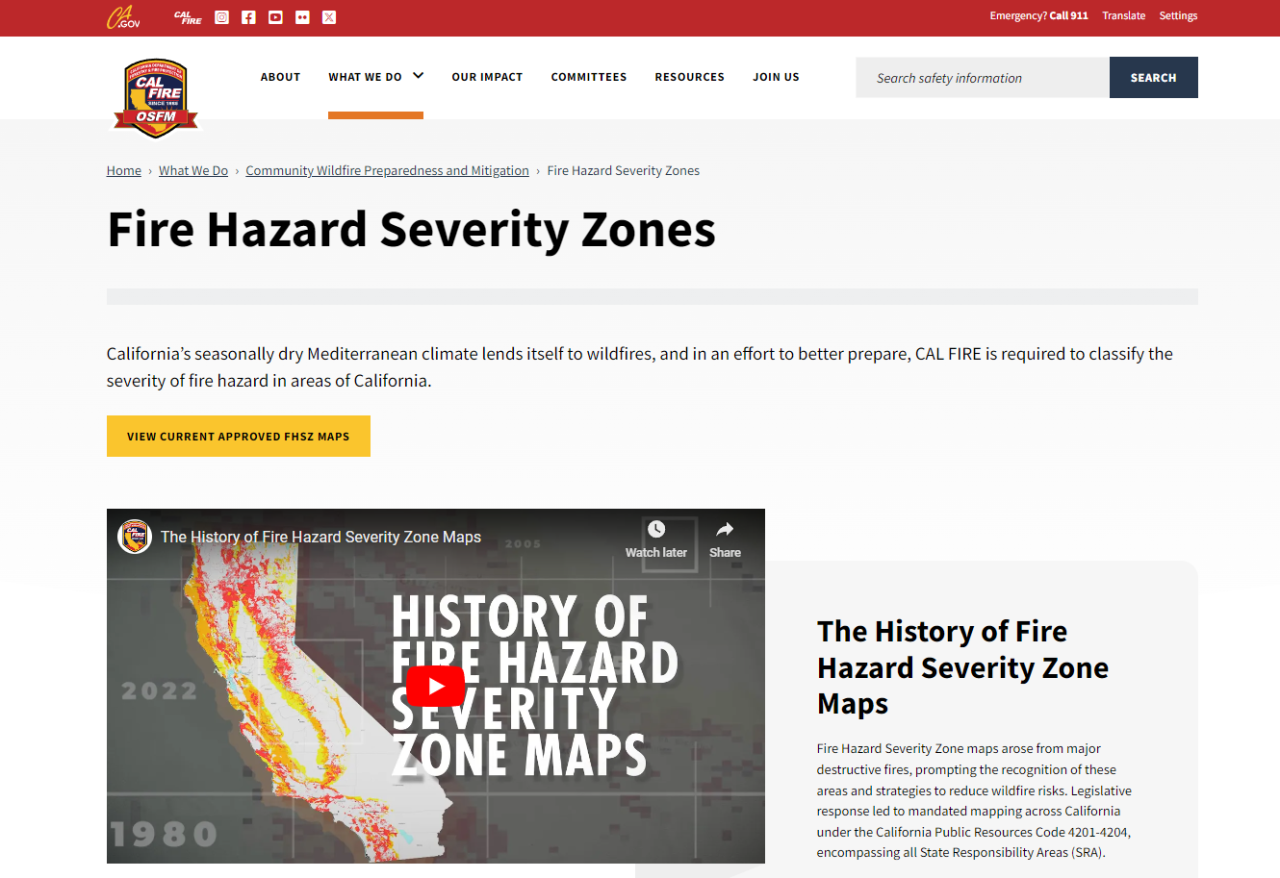
Bringing fire hazard zones to life requires a compelling visual representation. This isn’t just about pretty colors; it’s about clear communication that empowers residents to understand and act on the risks in their neighborhood. The visualization should be accessible and understandable, regardless of technical expertise.
Graphic Description
The graphic will be a detailed map of Cupertino, clearly depicting the different fire hazard zones. Different colors will represent different risk levels, with progressively darker shades indicating higher risks. Key features like roads, property lines, and significant structures will be visible, aiding in the spatial understanding of the hazard areas. A clear legend will explain the color-coded zones and their corresponding risk levels.
The map will be interactive, allowing users to zoom in and out, potentially even viewing specific properties within a designated area. This level of detail will enable precise identification of high-risk zones and potential escape routes.
Data Points for Visual Representation
- Hazard Categories: The graphic will categorize fire hazards into distinct levels (e.g., low, moderate, high) using color gradients. This enables a quick visual assessment of the relative danger in different areas.
- Spatial Data: Accurate property boundaries, road networks, and significant structures (e.g., schools, hospitals) are essential for accurate mapping and intuitive navigation. This will ensure a spatial correlation between the fire hazard level and the surrounding environment.
- Risk Assessment Factors: Include elements like vegetation density, proximity to flammable materials (e.g., dry brush, trees), and the presence of steep slopes or canyons, all contributing to the fire hazard risk. These factors will be integrated into the data for color-coding the map.
- Elevation Data: Incorporation of elevation data will highlight areas susceptible to rapid fire spread, particularly those with steep slopes. This will provide a more comprehensive risk assessment, taking into account the topography’s influence.
Effective Communication and Community Understanding
The map’s design will prioritize clarity and accessibility. Use of contrasting colors, clear labeling, and a user-friendly interface will minimize confusion. The interactive aspect allows users to explore the data at their own pace and investigate specific areas of concern. A concise explanation of the map’s symbols and color codes, presented in a readily accessible format, will enhance comprehension for residents with varying levels of technical understanding.
This comprehensive approach will foster a sense of community awareness and preparedness.
Visualization Process Flowchart
- Data Collection: Gather all relevant data, including hazard assessment reports, geographic information, and topographic information. Verify accuracy and completeness of each data point.
- Data Cleaning and Preparation: Cleanse and prepare the collected data for use in the mapping software. This involves standardizing units, handling missing values, and ensuring data consistency.
- GIS Mapping: Import the prepared data into a Geographic Information System (GIS) software. Overlay the data with existing maps to create a comprehensive visualization of the fire hazard zones.
- Visualization Design: Develop a visual representation that effectively communicates the data. Choose appropriate colors, symbols, and labels to ensure clarity and accessibility.
- Testing and Validation: Test the map with a small sample of the community and refine the design based on feedback. This crucial step ensures the graphic accurately reflects the community’s needs and understanding.
- Finalization and Deployment: Finalize the graphic and make it accessible to the public through various channels, including the city’s website, community centers, and local libraries.
Table of Data Points
| Hazard Category | Color | Risk Level | Description |
|---|---|---|---|
| Low | Light Green | Minimal | Areas with low vegetation density and minimal flammable materials. |
| Moderate | Orange | Intermediate | Areas with moderate vegetation density and some flammable materials. |
| High | Dark Red | Significant | Areas with high vegetation density, close proximity to flammable materials, and steep slopes. |
Last Recap
In conclusion, the state’s initiative to map Cupertino’s fire hazard areas offers a critical framework for community safety. The detailed methodology, analysis of various zones, and emphasis on public engagement highlight the commitment to proactive risk management. These maps, serving as a crucial resource for residents and emergency responders, are a testament to the importance of preparedness in mitigating potential fire hazards.
Future considerations and ongoing updates to the maps will be essential in ensuring their continued relevance and effectiveness.