The modern professional landscape is undergoing a profound transformation as the integration of artificial intelligence shifts from a corporate-level luxury to an accessible, everyday tool for the individual freelancer. As the "side hustle" culture continues to permeate the global economy, AI has emerged as the primary catalyst for new income streams, enabling solo entrepreneurs to perform complex tasks with unprecedented speed and efficiency. According to recent data from Samsung, nearly 70% of Gen Z side-hustlers now view AI as their most critical resource for maintaining productivity and competitiveness in the gig economy. This reliance on machine learning models has not only streamlined existing workflows but has birthed an entirely new category of freelance services where the primary value proposition is the operator’s ability to wield AI effectively.
The Rise of the AI-Powered Freelancer
The proliferation of generative AI tools—ranging from text-based models like ChatGPT to advanced video synthesis platforms—has lowered the barrier to entry for high-value creative and technical tasks. Where freelancers once spent days on video editing, graphic design, or complex coding projects, they now utilize AI to generate results in mere hours, if not minutes. This shift has prompted a re-evaluation of pricing structures on major freelance marketplaces such as Fiverr and Upwork.
A comprehensive analysis conducted by NetCredit, which examined median freelancer rates across various AI-centric service categories, reveals that speed is no longer just an asset; it is the product itself. By filtering for 24-hour turnaround times, the study provides a clear snapshot of which AI-driven services command the highest market premiums. This data underscores a fundamental shift in how digital labor is valued: the market is increasingly willing to pay a premium for the synthesis of human oversight and artificial speed.
A Chronology of the AI Side Hustle Boom
The trajectory of AI-enabled freelancing can be traced back to the public release of accessible large language models in late 2022. The timeline of this evolution highlights the rapid adaptation of the gig economy:
- Late 2022 – Early 2023: The launch of ChatGPT and Midjourney creates an immediate surge in interest. Early adopters begin offering "AI writing" and "AI art" services, often at a discount as they experiment with prompt engineering.
- Mid-2023: As businesses recognize the potential for efficiency, demand shifts toward integration services. Freelancers move from simple content generation to setting up automated workflows, chatbots, and AI-assisted customer service systems.
- Late 2023 – Early 2024: The market matures. "AI spokesperson" services—where lifelike digital avatars are used for marketing videos—become a mainstream commodity, replacing expensive production crews for small businesses.
- 2025 to Present: The market has stabilized into a tiered system where specialized AI knowledge, such as fine-tuning models or developing specific AI-based educational curricula, commands the highest fees.
Decoding the Highest-Paying Gigs
The NetCredit analysis identifies three specific niches that currently hold the title for the highest median payout for a 24-hour turnaround. Each of these represents a different facet of the modern AI ecosystem.
1. AI Spokesperson Videos
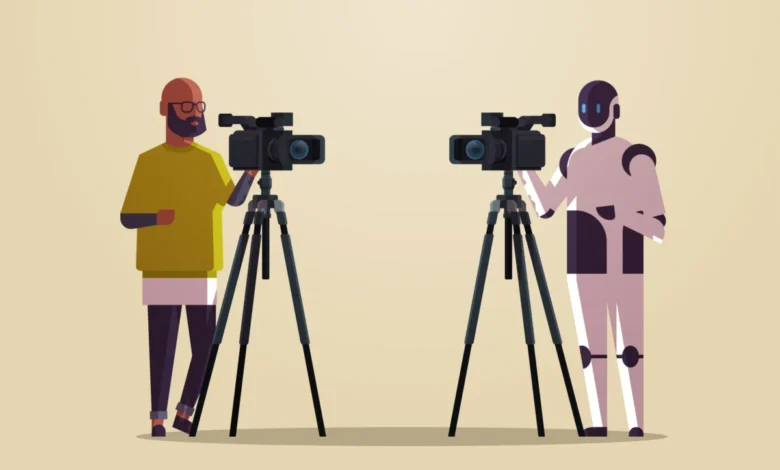
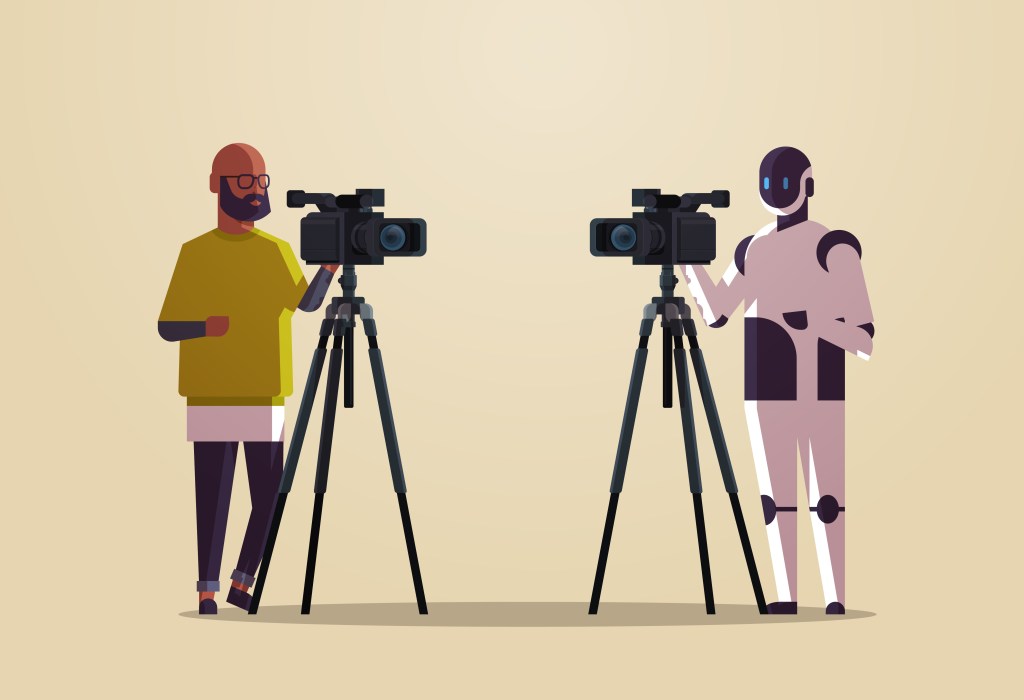
The creation of digital avatars to deliver scripts has become a highly lucrative niche. By using platforms that synthesize natural speech and realistic facial expressions, a freelancer can produce a professional-grade marketing video in a fraction of the time a traditional production house would require. The median rate for these 24-hour delivery projects sits at $100. The value here lies in the freelancer’s ability to curate the visual aesthetic and ensure the lip-syncing and tone align perfectly with the client’s brand.
2. Generative AI Lessons
As the complexity of AI tools grows, so does the "knowledge gap." Many small business owners and professionals understand that they should be using AI but lack the technical literacy to do so effectively. Freelancers who offer specialized coaching or lessons on how to utilize generative tools have found a robust market. This role requires not just the ability to use the tools, but the communication skills to translate technical processes into actionable business strategies. Like spokesperson videos, these consulting sessions command a median rate of $100 per day.
3. AI Application Consulting
The third tier of high-paying services involves the implementation of AI applications. This is distinct from simple content creation; it involves integrating AI tools into a client’s existing software stack or workflow. This might include setting up automated email responses, deploying custom GPTs, or configuring AI-driven data analysis tools. Because this work often requires a degree of technical problem-solving, it remains a high-value service.
Secondary Market Leaders
Beyond the top-tier roles, the freelance ecosystem is rich with adjacent opportunities. ChatGPT-related applications, such as prompt engineering for specific business outputs or creating custom automated workflows, command a median rate of $87.50 for a 24-hour turnaround. AI integration services, which often involve connecting disparate software platforms via AI middleware, follow closely with a median rate of $62.50.
These figures illustrate that while the "hype" around AI is constant, the financial rewards are concentrated in areas where the freelancer can bridge the gap between "technology" and "tangible outcome."
Industry Perspectives and Expert Reactions
Market analysts have noted that this trend is not merely a passing phase but a structural change in how work is distributed. "What we are seeing," says one industry observer, "is the commoditization of technical expertise. The value is no longer in the manual labor of typing, filming, or coding, but in the orchestration of these automated tools."
However, the rise of AI-driven side hustles is not without controversy. Many traditional freelancers in the design and copywriting sectors have expressed concern regarding the devaluation of creative labor. The argument is that while AI can produce a result quickly, the lack of human nuance can lead to a homogenization of creative output. Furthermore, the reliance on these tools raises significant questions regarding intellectual property and the ownership of AI-generated assets—a legal frontier that continues to evolve alongside the growth of the gig economy.
Broader Implications for the Future of Work
The integration of AI into side hustles has profound implications for the future of the workforce. Firstly, it allows for a lower barrier to entry for entrepreneurs. An individual with a laptop and a subscription to an AI service can now compete with small agencies that previously required significant capital for staff and equipment.
Secondly, it necessitates a shift in education. As the NetCredit data shows, the most lucrative side hustles are those that require teaching or consulting. This suggests that the next generation of workers will be valued not for their ability to perform rote tasks, but for their ability to teach and integrate machine intelligence into human workflows.
Finally, the 24-hour turnaround metric serves as a bellwether for the "on-demand" economy. As businesses become accustomed to receiving professional-grade AI outputs within a single day, the expectation for speed will likely increase across all professional sectors. This creates a high-pressure environment where those who master AI tools will flourish, while those who remain tethered to manual processes may find it increasingly difficult to compete.
Conclusion
The data confirms that the AI revolution in the gig economy is well underway, providing a clear pathway for those looking to monetize their digital literacy. Whether through the creation of video content, the provision of specialized training, or the integration of complex AI systems, the opportunities for growth are significant. However, success in this space requires more than just access to tools; it demands a deep understanding of market needs and the ability to apply AI in ways that solve real-world problems. As the ecosystem continues to expand, the divide between those who use AI as a crutch and those who use it as a force multiplier will likely become the defining characteristic of the modern freelance professional. The path forward is clear: the most successful side-hustlers will be those who remain agile, continuously updating their skill sets to keep pace with the rapidly evolving capabilities of artificial intelligence.