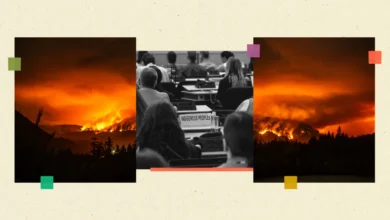
Trapped in the Pyrocene: How America’s Wildfire Strategy Created a Catastrophic Feedback Loop

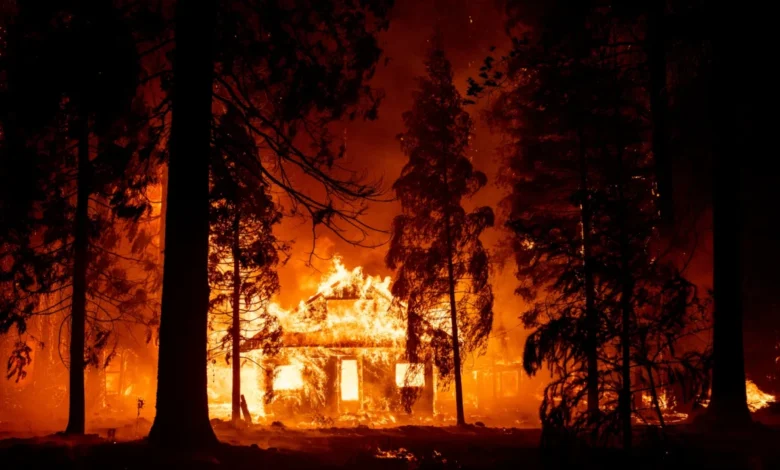
The air over Northern California’s Klamath River gorge hung heavy with the scent of pine resin and impending crisis in August 2023. Dan Dallas, a veteran U.S. Forest Service incident commander accustomed to being deployed only when situations escalated beyond local control, drove through a million-acre wilderness of conifers and hardwoods within the Six Rivers National Forest. A barrage of lightning strikes had ignited the steep canyons south of Orleans in two dozen distinct locations, and as the blazes expanded, they threatened to merge into a single, unstoppable conflagration.
Yet, as Dallas journeyed from his base in Colorado, a troubling realization weighed on his mind. Time and again across the American West, he had followed the established federal playbook: keep fires small, contain them quickly, throw heavy machinery at the perimeter, bulldoze ridgetops, and drop millions of gallons of fire-retardant slurry or water from aircraft. The goal was always immediate suppression to protect nearby communities. But Dallas had begun to see the fatal flaw in this logic.
"Finally, I figured out all I’m doing is deferring risk to this place," Dallas reflected. "I’m going to come back and protect it again." He realized that by preventing every fire from burning, the Forest Service was merely defusing a local hazard while loading a much larger, continent-sized bomb for the future.
This tension between immediate suppression and long-term ecological reality sits at the heart of America’s wildfire crisis. Decades of aggressive fire-fighting policy, compounded by climate change, have locked the nation into a vicious cycle—a "doom loop" where suppressing small fires guarantees the emergence of catastrophic megafires that push federal resources to the brink of collapse.
A Brief Window of Coexistence in Six Rivers
When Dallas arrived at Six Rivers in 2023, he discovered that the local forest supervisor and the Karuk Tribe had arrived at the exact same conclusion. Fortuitously, changing weather offered a brief window of opportunity. Rain had fallen across the mountains, coastal fog rolled in every morning to settle in the canyon bottoms, and the environment briefly transitioned from fire weather into conditions mirroring a prescribed burn season.
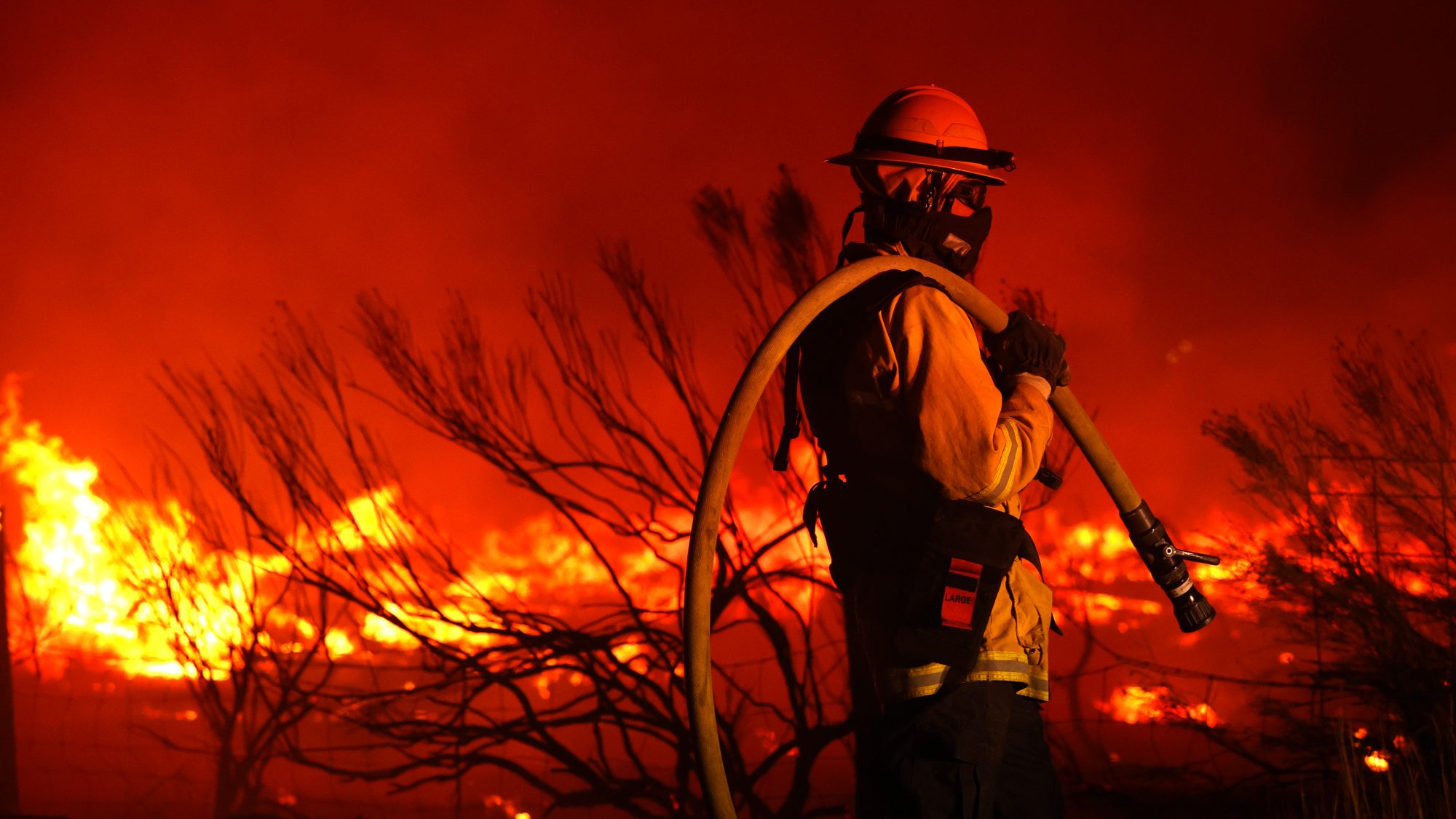
Instead of tearing up the pristine wilderness with heavy machinery to attack the perimeter, the commanders weighed a radical alternative: allow the fire to creep slowly and harmlessly along the forest floor. By letting the blaze burn through 50,000 acres under mild conditions, they would eliminate the accumulated surface fuels that would otherwise feed a much hotter, deadlier inferno the following summer.
The strategy was a localized success, but it remains an outlier. Across the American West, opportunities to deploy managed wildfire are increasingly foreclosed by hotter, drier conditions that lengthen the fire season, as well as shifting political directives that demand absolute suppression.
The 2013 Foresight Panel: A Prophecy Ignored
The systemic vulnerability of America’s wildland management is not a recent revelation. In 2013, the U.S. Forest Service quietly convened a multidisciplinary foresight panel. The group brought together leading futures studies experts, wildfire scientists—including regional research station director John Phipps and social scientist Sarah McCaffrey—and even a science fiction writer.
Over three weeks of intensive analysis, the panel gamed out the long-term trajectory of American wildfire policy, looking far beyond the political timeline of any single presidential administration. Their findings, published in the 2015 report Wildland Fire Management Futures: Insights from a Foresight Panel, issued a stark warning: the existing suppression-heavy model was mathematically and ecologically unsustainable.
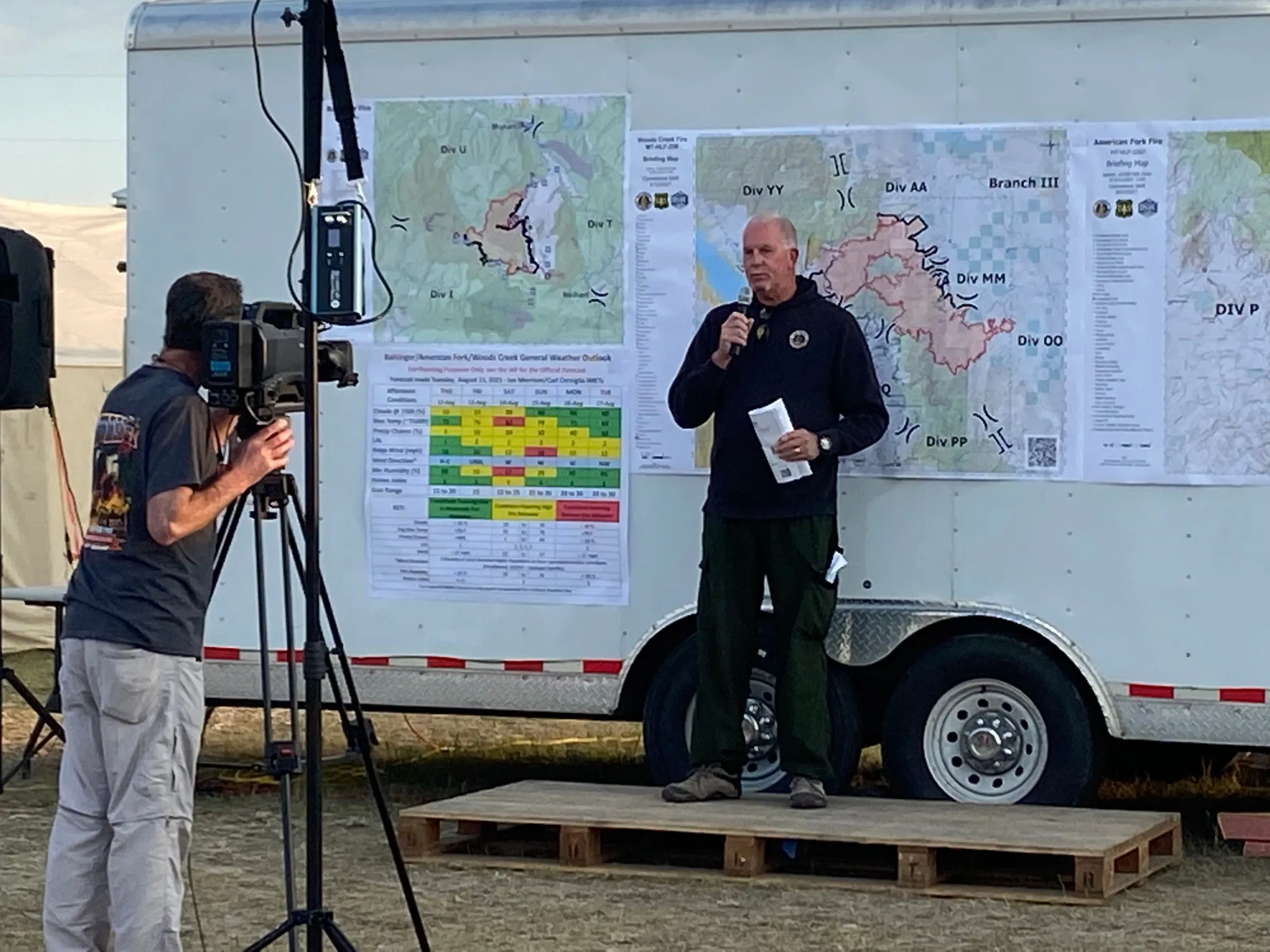
"As conditions change over time, the existing fire suppression approach will fail across the whole range of plausible future conditions," the report stated. Without a fundamental change in course, the panel warned, risk would escalate until fuel-laden landscapes underwent catastrophic resets. In practical terms, this meant vast swaths of the American West would burn, converting mature forests into shrublands and permanently altering biodiversity while destroying thousands of homes.
The science supporting this conclusion is straightforward. In fire-adapted ecosystems, periodic low-severity fires naturally clear away underbrush and weaker plants, enriching the soil and strengthening resilient trees. Conversely, suppressing fires for a century allows fuel to accumulate into an ecological pyre. When combined with rising global temperatures and shrinking snowpacks, the inevitable result is a landscape primed to burn all at once.
The Mathematics of the Doom Loop
Federal firefighters remain remarkably effective at initial attack, successfully containing more than 98% of all wildland ignitions. However, the remaining 2%—often sparked during extreme weather events featuring high winds, low humidity, and soaring temperatures—quickly escape control.
According to University of New Mexico forest ecologist Matt Hurteau, this high suppression success rate is precisely what created the current predicament. "There is no doubt that our federal fire suppression apparatus is effective, that’s why we’re in the predicament we’re in," Hurteau noted. "It’s only under the most extreme conditions that things escape, and it’s been that way for decades."
The statistics underscore the severity of the crisis. Over the past decade, megafires—blazes exceeding 100,000 acres characterized by extreme speed and destructive power—have become the norm. The federal government now spends roughly ten times more on wildfire suppression than it did thirty years ago, with annual expenditures regularly exceeding $3 billion and climbing toward multi-billion-dollar projections.
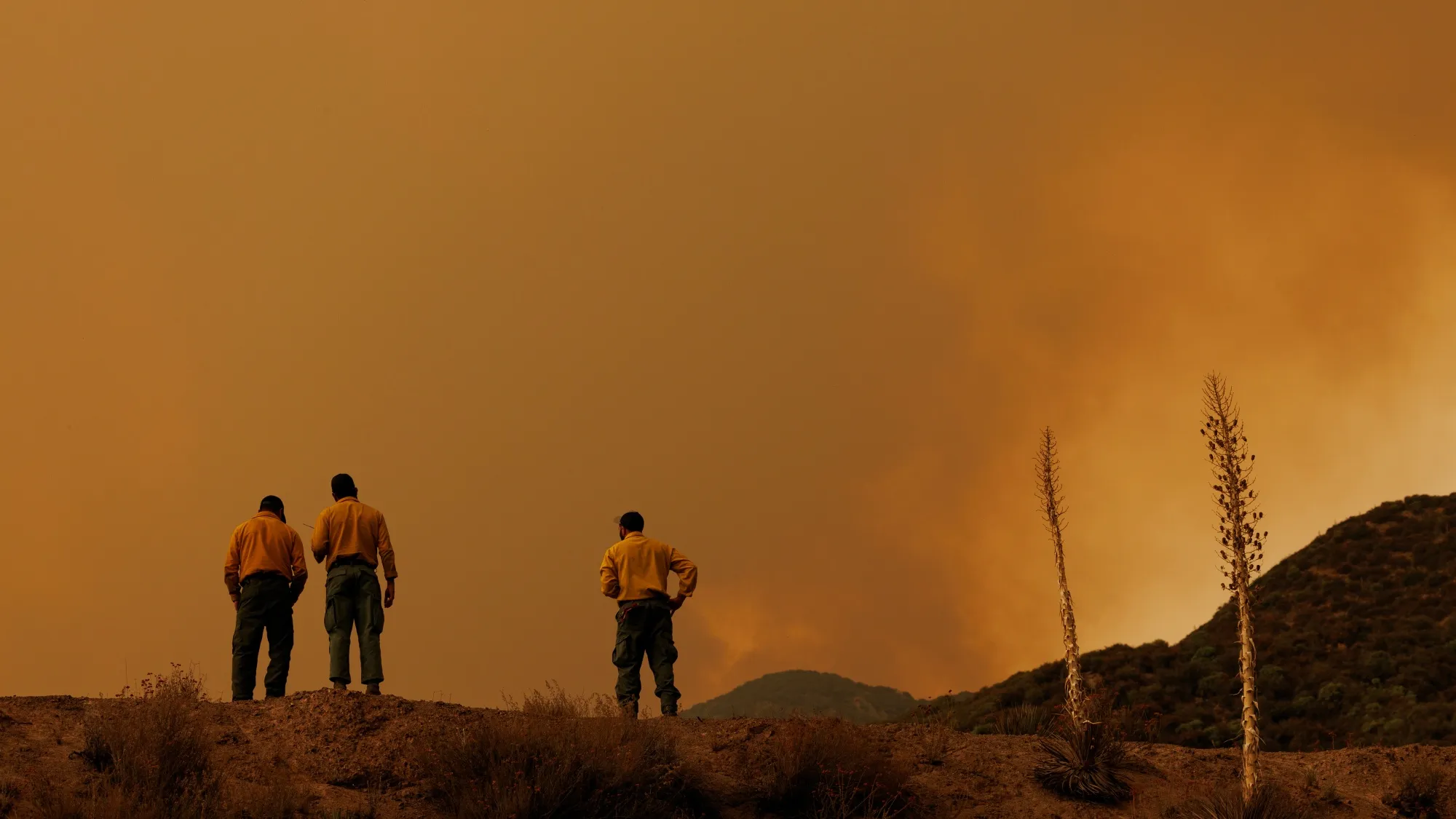
The 2026 fire season has vividly demonstrated these escalating pressures. Nearly 73% of the Intermountain West has experienced severe to exceptional drought, fueled by record-breaking temperatures and meager winter snowpacks. Federal data indicates that over 53,000 wildfires have scorched more than 8 million acres—surpassing the ten-year average by roughly 3 million acres.
This relentless onslaught has strained logistics to a breaking point. An August 11, 2026, memorandum from the National Multi-Agency Coordinating Group warned that resource availability had dropped to critically low levels, with commitments approaching all-time historic peaks and numerous requests for mutual aid going unfilled.
Diverging Philosophies: Prescribed Fire Versus Mechanical Thinning
Consensus exists among ecologists that the only way out of the crisis is to systematically reduce forest fuels and reintroduce low-severity fire to the landscape. Yet, policymakers remain bitterly divided on how to achieve this.
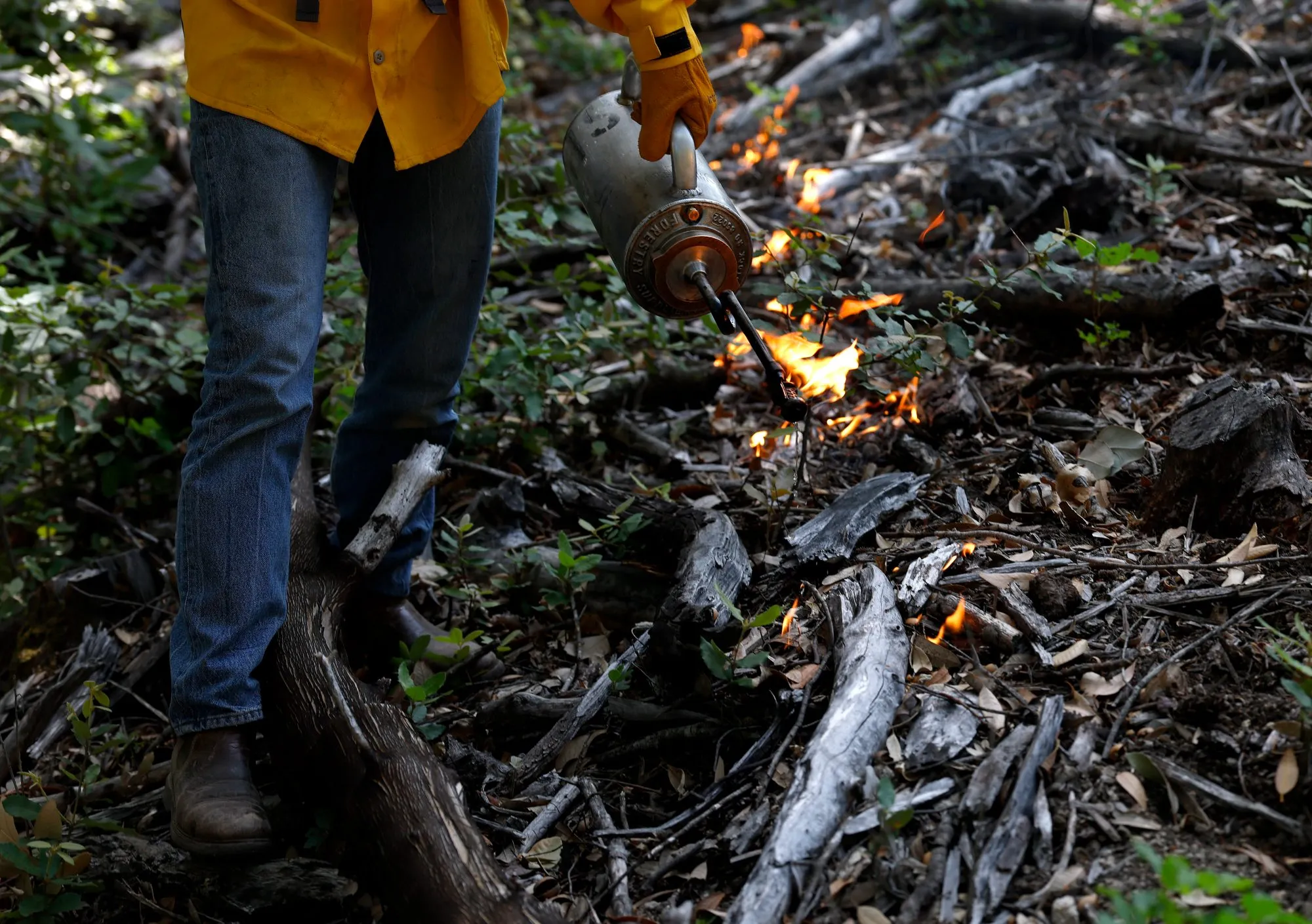
One camp, rooted in decades of scientific research, advocates for scaling up prescribed burns and allowing natural backcountry fires to run their course when human life and property are not immediately threatened. Proponents argue that physics and chemistry dictate the necessity of fire as an ecological maintenance tool.
A competing political and forestry faction views relying on wild fire as excessively risky. This camp champions aggressive mechanical thinning—frequently involving commercial logging—under relaxed environmental regulations to physically remove timber from public lands. This approach aligns closely with directives from the Trump administration, which has doubled down on full suppression for all wildfires regardless of threat level, while simultaneously pushing for an immediate expansion of American timber production on federal acreage.

Frank Carroll, a former Forest Service incident commander and advocate for full suppression, acknowledged the immense administrative challenges of these mandates, comparing them to "trying to steer an aircraft carrier with a canoe paddle." Meanwhile, Adam Mendonca, the Forest Service’s deputy director of Fire and Aviation Management, concedes that scientific consensus points to the need for more fire on the landscape, though the agency’s current emphasis remains strictly on controlled burns.
However, workforce shortages have hampered even prescribed burning efforts. Following federal workforce reductions, investigations revealed that over a quarter of Forest Service firefighting positions remained vacant by mid-2025. Consequently, the agency executed roughly 1.2 million acres of prescribed burns in 2025—down sharply from 2.2 million acres the previous year.
Perverse Incentives and the War Metaphor
Underpinning these operational hurdles is a deeply entrenched financial architecture. Emergency wildfire suppression is funded much like a military conflict: Congress authorizes unlimited supplemental appropriations as crises arise during the dry summer months. In contrast, preventative measures like prescribed burning and forest thinning rely on limited, discretionary budgets burdened by administrative red tape.
"There are no consequences for spending as much money as you possibly can to put that fire out," explained Kelly Martin, a former national park fire management chief. Because emergency funds are readily accessible while preventive funding is scarce, federal managers naturally default to aggressive suppression. Private contractors in the aviation and heavy equipment sectors similarly rely on this seasonal surge in emergency spending, creating an economic ecosystem dependent on crisis response rather than risk reduction.
Furthermore, the public presentation of wildfires relies heavily on martial terminology. Media framing frequently depicts fires as invading foreign armies, driving a public demand for total annihilation. Firefighter advocacy groups, such as Grassroots Wildland Firefighters, argue that viewing firefighters as soldiers waging war against nature places an unfair and dangerous burden on personnel.
"I hate war analogies when it comes to fire," said Riva Duncan, president of the organization. "It’s not a war and firefighters are not soldiers, because I don’t want them to think that their lives are expected to be given for this."
Facing an Insensible Future
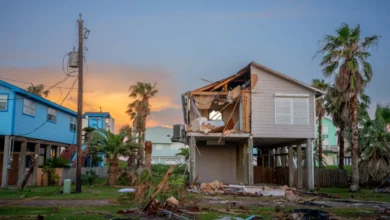
As climate change permanently expands the window of seasonal vulnerability, the image of burning suburban neighborhoods has transitioned from an occasional tragedy to a routine feature of American life.
For Dan Dallas, the reality of the crisis is felt most acutely in the exhaustion of the system. While managing a threat in Pagosa Springs, Colorado, local officials discovered that no Complex Incident Management Teams were available—every single unit was already deployed elsewhere.
"Our system is taxed beyond capacity to respond," Dallas said. "It’s already falling apart."
With every fire extinguished under the current paradigm, the tinderbox grows larger, ensuring that the next inevitable ignition will burn hotter, faster, and more destructively than the last. Without a fundamental pivot toward landscape-scale coexistence and risk reduction, American fire policy remains locked in a loop of its own making, waiting for a catastrophe it can no longer contain.