The Strategic Integration of Global Travel and Business Operations: A Blueprint for Modern Entrepreneurship


The modern entrepreneurial landscape has undergone a radical transformation, moving away from the traditional model of a centralized office toward a fluid, borderless operational framework. For business leaders, the ability to maintain organizational momentum while traversing international borders is no longer a luxury but a functional requirement of the digital age. This evolution is supported by the rapid integration of artificial intelligence, sophisticated asynchronous communication tools, and a shift in management philosophy that prioritizes output over physical presence. As global connectivity improves, the intersection of professional commitments and personal travel—often termed "bleisure"—is becoming a standard practice for high-growth enterprises.
The Technological Infrastructure of Remote Operations
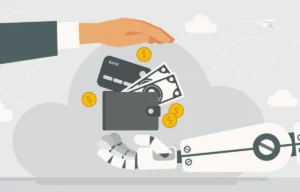
The foundation of a successful mobile business lies in the deployment of AI-driven automation. Recent data from EverMind indicates that C-suite leaders who effectively integrate AI agents into their workflows report an average time savings of three to ten hours per week. These agents function as autonomous digital staff, capable of monitoring complex workflows, categorizing incoming data, and executing repetitive administrative tasks that once tethered executives to their desks.
This shift is not merely about convenience; it is a strategic reallocation of cognitive resources. By offloading routine maintenance to algorithmic systems, entrepreneurs can reserve their limited working hours while traveling for high-stakes decision-making and human-centric negotiations. The implication for the broader economy is significant: businesses are increasingly able to scale operations without a proportional increase in headcount, utilizing AI to maintain a persistent operational presence that transcends time zones.
Content Strategy and Digital Visibility
Maintaining a consistent brand narrative while traveling presents a logistical challenge, particularly regarding multimedia production. Traditional marketing requires substantial equipment and synchronized creative teams. However, the rise of AI-driven video and text generation has decentralized content creation. According to findings from PixVerse, 63% of video marketers now utilize AI tools to facilitate the editing and production of marketing materials.
For the modern entrepreneur, this means that a high-quality video campaign or a comprehensive SEO-optimized article can be developed from an airport lounge or a remote hotel room. By leveraging generative AI to repurpose existing assets, leaders can ensure that their online visibility remains robust. Industry data from WriterNinja highlights that 39% of marketers now prioritize AI-assisted repurposing, transforming long-form reports or podcasts into diverse social media content. This methodology allows for the continuous engagement of target audiences without the need for a stationary studio environment.
Managing Physical Operations in a Digital World
A common misconception in the remote-work discourse is that only purely digital businesses can function away from a central office. However, many entrepreneurs are successfully managing physical, service-based businesses—such as home renovation, maintenance, and logistics—from abroad. This is achieved by building a robust "middle layer" of management that qualifies leads and coordinates with local field crews.
This model addresses a critical gap in the labor market. Research by R&J suggests that the construction industry is facing a massive labor shortage, with an estimated demand for 349,000 new workers by 2026 and an additional 456,000 by 2027. By digitizing the customer acquisition funnel and delegating on-site coordination to trusted local partners, entrepreneurs can effectively manage labor-intensive industries from anywhere in the world. The core of this operation is not the physical presence of the owner, but the efficiency of the data flow and the reliability of the local workforce.
Optimizing the Workspace: The Coworking Standard
The physical environment remains a determinant of professional output. While domestic workspaces are often sufficient for basic tasks, high-level strategic work requires the infrastructure of professional environments. Winston Tower reports that 45% of professionals rate their productivity as "excellent" within a coworking space, compared to 27% in home environments.
As the "work-from-anywhere" trend accelerates, the selection of travel destinations is increasingly predicated on the availability of high-speed, secure, and professional coworking facilities. Business leaders now perform due diligence on travel destinations with the same rigor applied to supply chain management, ensuring that infrastructure is in place to facilitate video conferences and secure data handling. This shift has forced the hospitality industry to adapt, with hotels increasingly reconfiguring lobbies and rooms to serve as viable, temporary executive suites.
The Role of Real-Time Data Analytics
Effective remote management relies on the elimination of micromanagement. When an entrepreneur is traveling, the reliance on real-time data dashboards replaces the need for constant check-ins with team members. According to research from Magnific, 76% of firms identify real-time sales data as essential to maintaining business performance.
This infrastructure allows for a "management by exception" approach. By establishing clear KPIs and automated alerts, an entrepreneur only intervenes when performance deviates from established benchmarks. This reduces the psychological burden of being away from the business, allowing the leader to focus on external growth strategies rather than internal operational minutiae.
The Evolution of Business Travel: The "Bleisure" Model
The integration of business and leisure is no longer a fringe concept; it is an economic driver. According to data from Nobl Travel, 36% of global travelers now extend their professional trips to include leisure time. This trend, known as "bleisure," allows for the amortization of travel costs and provides opportunities to network with international partners in a more relaxed, conducive environment.
Furthermore, the shift toward "wellness-centric" travel is profound. Carbon Wellness reports that 56% of leisure travelers in 2026 cite "resting and recharging" as their primary objective. Entrepreneurs are increasingly adopting this focus, structuring their days to include intense periods of work followed by deliberate recovery. By combining professional obligations with physical and mental wellness, leaders report higher levels of long-term productivity and a lower risk of burnout compared to those who maintain a traditional, high-stress, office-bound schedule.
Developing a Minimum Viable Workday
The most effective strategy for the mobile entrepreneur is the implementation of a "minimum viable workday." This framework recognizes that while total disconnection is often impossible for business owners, the standard 40-hour office week is frequently inefficient. Data from WPX suggests that approximately 60% of time spent by employees is categorized as "work about work"—tasks such as scheduling, searching for information, and internal communication.
By consciously eliminating this "work about work," an entrepreneur can reduce their operational footprint to the two or three tasks that provide the highest strategic value. This might involve approving key financial decisions, providing executive guidance on a marketing pivot, or troubleshooting a major client relationship. Once these critical items are addressed, the leader can disconnect, allowing the team to operate with autonomy.
Broader Implications and Future Outlook
The capacity to operate a business from anywhere is not merely a lifestyle choice; it is a competitive advantage in an era of global talent acquisition and international markets. Organizations that adopt these decentralized systems are better positioned to attract top-tier talent, which often prefers the flexibility of remote or hybrid models.
Furthermore, the economic impact of this shift is creating new opportunities in emerging markets. As entrepreneurs move their bases of operation to different regions, they bring capital and management expertise to local economies, fostering development in sectors like infrastructure and technology.
However, this transition requires a disciplined approach. The success of the mobile business model depends entirely on the strength of the underlying systems—AI agents, real-time data monitoring, and a highly skilled, autonomous team. Those who treat travel as an extension of their professional life rather than a distraction are finding that they can achieve higher levels of efficiency and personal satisfaction. As we look toward the next decade, the distinction between "business travel" and "regular life" will likely continue to blur, necessitating a new definition of the modern executive—one who is defined by their output and their reach, rather than their location in a corporate headquarters.
Related posts: