Sunderland signal European intent with hard-fought victory over AZ Alkmaar as Granit Xhaka targets continental glory

The Stadium of Light roared with a familiar, historic intensity on Tuesday evening as Sunderland marked their long-awaited return to European competition with a narrow but significant 1-0 victory over Dutch side AZ Alkmaar. For a club that has spent the better part of the last decade navigating the turbulent waters of the English Football League, this opening match of the Europa League campaign served as both a homecoming and a statement of intent. Under the guidance of Régis Le Bris, the Black Cats displayed a brand of football that suggested their ambition is not merely to participate in the competition, but to compete for the ultimate prize.
Granit Xhaka, the experienced midfield general and club captain, was unequivocal in his post-match assessment. Speaking to reporters on the pitch, Xhaka suggested that dreaming of a journey to next spring’s final in Frankfurt is a realistic objective for this squad. While the optimism in the dressing room is palpable, the reality of the 90 minutes played on Wearside highlighted the margin for error in high-level continental football. Sunderland dominated possession and created a surplus of high-quality chances, yet they struggled to convert that control into a decisive lead until the latter stages of the second half.
A Tense Tactical Encounter
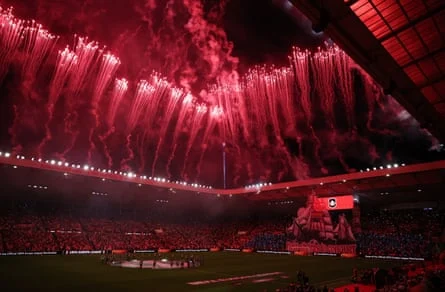
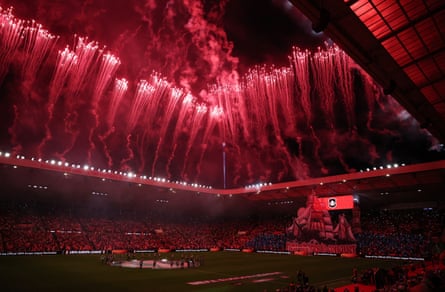
The atmosphere in Sunderland was electric from the outset. Fans, many of whom have endured the club’s lean years, were treated to a pre-match display that featured a giant tifo depicting a grand sailing ship beneath the banner, "New shores to conquer." This nautical motif was a poignant nod to the city’s industrial maritime heritage and the club’s own journey from the depths of the third tier back to the European stage.
AZ Alkmaar, managed by Leeroy Echteld, arrived in the North East with a formidable reputation. Unbeaten in their domestic campaign—having secured five wins and a draw in their opening six Eredivisie fixtures—the Dutch side looked dangerous on the break. In the early minutes, the visitors nearly silenced the home crowd when Kees Smit threaded a delicate through-ball to Ro-Zangelo Daal. A low strike seemed destined for the bottom corner, but a desperate, lunging save from goalkeeper Robin Roefs kept the scoreline level, providing an early warning that Sunderland’s rearguard would be tested throughout the night.
The Rise of Enzo Le Fée
The defining figure of the evening was undoubtedly Enzo Le Fée. Operating with a blend of creative flair and defensive grit, Le Fée acted as the heartbeat of the Sunderland side. His ability to recover possession—often stifling AZ’s counter-attacks before they could develop—was matched only by his vision in the final third.

The match statistics reflected Sunderland’s dominance, yet for long stretches, the ball refused to cross the line. Le Fée tested visiting keeper Jari De Busser with a powerful half-volley, and teammate Kevin Danso saw a well-struck effort tipped over the bar. Trai Hume, a player whose trajectory from League One to the European stage encapsulates the club’s recent history, was instrumental in both attack and defense, putting in a vital interception to halt Ayoub Oufkir during a dangerous break in the first half.
As the interval approached, the home side looked increasingly dominant but visibly frustrated. Régis Le Bris, speaking at his post-match press conference, noted that his team suffered from "overthinking" during the final phase of their build-up play. "We created enough to have settled this game early," Le Bris noted. "But we have to be patient. We are learning how to handle the pressure of these European nights."
The Breakthrough and the Deciding Moment
The second half began with renewed vigor from the Dutch visitors. Smit, arguably the most talented player in the AZ ranks, continued to pull the strings, nearly curling a shot inside the post early in the half. However, the momentum shifted back to the hosts as Le Fée took control of the game’s tempo.
The turning point arrived in the 78th minute. After sustained pressure, Le Fée made a darting run into the box, drawing a reckless challenge from substitute Weslley Patati. The referee pointed immediately to the spot. Following a disappointing miss against Arsenal just days prior, the pressure on Le Fée was immense. With the weight of the stadium’s expectations on his shoulders, he stepped up and calmly slotted the ball into the bottom corner, sending De Busser the wrong way.
The goal provided a release of tension that was palpable. While Nordi Mukiele and Brian Brobbey had late chances to extend the lead, the single goal proved sufficient to secure the three points.
Contextualizing the Return to Europe
The presence of Jimmy Montgomery in the VIP section served as a stark reminder of the club’s past glory. As the 82-year-old hero of the 1973 FA Cup final looked on, the current squad seemed to embrace the history of the badge. It has been 53 years since Sunderland last graced a European competition—the now-defunct Cup Winners’ Cup—and the significance of this transition cannot be overstated.
Across the continent, other matches unfolded that put the night into broader context. Ruben Amorim’s Milan suffered a surprising 2-0 defeat at the hands of Marco Silva’s Benfica, while Bayer Leverkusen—the 2024 finalists—began their campaign with a professional 2-0 victory over Celje. The results across the board demonstrate that the gap between established European sides and hungry, rising clubs like Sunderland is closing, influenced by tactical innovation and recruitment strategies that prioritize high-work-rate technical players.
Strategic Implications and Future Outlook
The victory against AZ Alkmaar is more than just a morale booster; it is a tactical validation for Régis Le Bris. By integrating players who are comfortable in both a high-press system and a patient possession-based game, Sunderland has crafted a squad capable of navigating the rigors of a mid-week European schedule.
However, the analytical takeaway for the coaching staff will focus on efficiency. To progress deep into the knockout stages, Sunderland must find a more clinical edge. The missed opportunities against AZ, while not punished on this occasion, represent a vulnerability that top-tier European defenses will exploit. Le Fée’s resilience in stepping up for the penalty after his recent domestic struggles is a testament to the character Le Bris has cultivated within the dressing room.
As the squad prepares for their next fixture, the focus will inevitably shift toward managing the physical toll of competing on multiple fronts. The depth of the bench, evidenced by the impact of substitutes like Brobbey, will be crucial. If Sunderland can maintain their current intensity and continue to improve their conversion rate in front of goal, the "new shores" they seek may indeed be the European finals of next spring.
For the city of Sunderland, the return to European competition is a long-awaited chapter in the club’s history. For the players, it is an opportunity to etch their names into the folklore of a club that has waited over half a century for another chance to conquer the continent. If the performance against AZ is any indication, they are not here just to make up the numbers.