Microscopic Pioneers of Longevity: How Magnetotactic Bacteria Are Redefining the Boundaries of Healthy Aging

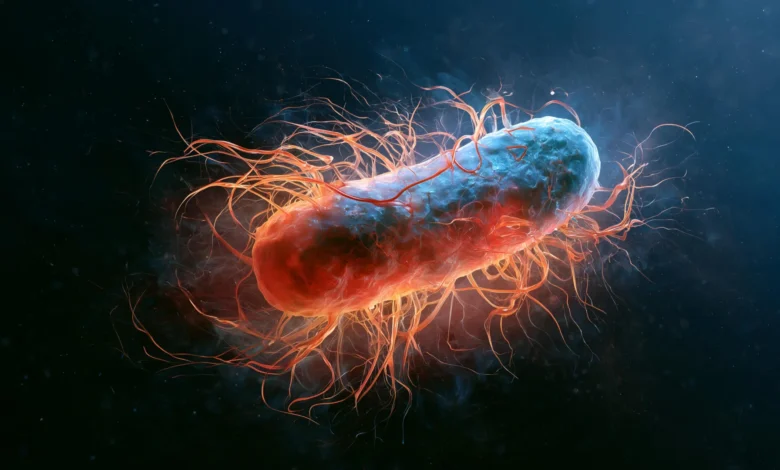
In an unexpected convergence of microbiology, biophysics, and gerontology, researchers at the Hefei Institutes of Physical Science, operating under the umbrella of the Chinese Academy of Sciences, have unveiled a groundbreaking discovery regarding the anti-aging properties of a unique class of microorganisms. Led by Professor An Xu, the research team successfully demonstrated that a specific strain of magnetotactic bacteria—known scientifically as Magnetospirillum magneticum AMB-1, or simply AMB-1—can significantly extend the healthy lifespan of the widely studied model organism Caenorhabditis elegans. Published in the peer-reviewed journal Free Radical Biology and Medicine, the study not only documents an astonishing 43.39% increase in the average lifespan of the treated nematodes but also illuminates the intricate cellular mechanisms driving this phenomenon. Specifically, the research points to the suppression of ferroptosis, an iron-dependent form of regulated cell death, as the primary engine behind the bacteria’s life-extending capabilities.
Main Facts and Experimental Breakthroughs
The core revelation of the study centers on the administration of AMB-1 to Caenorhabditis elegans, a transparent roundworm that has served for decades as a gold standard in aging research due to its short life cycle, well-mapped genome, and clear physiological parallels to more complex animals. When exposed to the magnetotactic bacteria, the test subjects did not merely survive longer; they aged with remarkable physiological robustness. Quantitative analysis revealed that the average lifespan of the worms expanded by nearly 44%, a dramatic extension in the realm of biogerontology.
Beyond sheer longevity, the intervention preserved vital physiological functions typically degraded by the ravaging effects of time. Older worms treated with AMB-1 exhibited sustained neurological function, translating to better movement and sensory responses, alongside a well-preserved intestinal integrity—a crucial marker of systemic health and barrier function in aging organisms.
Crucially, the research team sought to determine whether the unique biological features of magnetotactic bacteria were responsible for these outcomes. AMB-1 is distinguished by its ability to synthesize magnetosomes, which are membrane-bound intracellular crystals of magnetic iron minerals. By testing wild-type AMB-1 alongside genetically modified variants—namely, reversibly non-magnetotactic RNM-AMB-1 and entirely non-magnetotactic NM-AMB-1—the scientists isolated the role of the magnetosomes. The data confirmed that magnetosome production is indispensable; wild-type strains yielded the most potent longevity effects, whereas non-magnetotactic strains failed to extend the lifespan of the host organisms altogether.
Background Context and the Chronology of the Discovery
To understand the significance of Professor Xu’s research, one must examine the broader landscape of anti-aging science. For generations, the pursuit of healthy human aging has focused primarily on pharmacological agents—such as rapamycin, metformin, and various senolytics—or targeted genetic modifications. While these strategies have yielded promising insights in laboratory settings, they frequently encounter severe translational roadblocks, including off-target toxicities, complex pharmacokinetics, and regulatory hurdles concerning clinical safety in humans.
In recent years, the scientific community has increasingly turned its attention to the human and environmental microbiome, recognizing that symbiotic and commensal microorganisms play a profound role in metabolic regulation, immune modulation, and systemic inflammation. However, the application of specialized, engineered, or naturally occurring inorganic-organic hybrid microorganisms—such as magnetotactic bacteria—represents a paradigm shift.
Discovered decades ago in aquatic environments, magnetotactic bacteria naturally navigate along geomagnetic field lines, a behavior known as magnetotaxis. Because of their inherent biocompatibility and unique iron-handling machinery, these bacteria have steadily crept into the spotlight for biomedical applications. Over the past ten years, global research teams have explored MTB primarily for targeted tumor therapy, acting as microscopic delivery vehicles that can be guided through the bloodstream using external magnetic fields to drop off anti-cancer therapeutics directly at tumor sites.
Despite these advances in oncology and drug delivery, the potential intersection of magnetotactic bacteria with the biology of aging remained largely uncharted territory until the Hefei team initiated their investigations. The chronology of this current breakthrough began with foundational safety and colonization assessments in invertebrate models, progressing through phenotypic lifespan assays, and culminating in advanced molecular profiling to identify the pathways responsible for the observed physiological preservation.
Supporting Data and the Mechanism of Ferroptosis
The mechanisms by which AMB-1 confers its protective effects are as fascinating as the macroscopic longevity outcomes. Through meticulous biochemical assays, Professor Xu’s team discovered that colonization by AMB-1 significantly alters iron homeostasis and lipid metabolism within the host organism.
As organisms age, iron often accumulates inappropriately in tissues, catalyzing the production of damaging reactive oxygen species through Fenton reactions. This oxidative stress leads directly to lipid peroxidation—the degradation of polyunsaturated fatty acids in cell membranes—which ultimately triggers ferroptosis. Unlike apoptosis or necrosis, ferroptosis is fundamentally driven by iron-dependent lipid peroxidation and has increasingly been recognized as a major contributor to neurodegeneration, ischemia-reperfusion injury, and systemic biological aging.
The introduction of AMB-1 disrupted this destructive cascade. The bacteria effectively reduced iron accumulation in the nematodes and suppressed systemic lipid peroxidation. Genetic expression profiling further validated these biochemical observations, revealing that AMB-1-mediated lifespan regulation relies heavily on specific ferroptosis-related genetic pathways. Key genes in Caenorhabditis elegans, including ftn-1 (implicated in iron storage and ferritin regulation), bli-3 (associated with oxidative stress responses), and ads-1, were shown to be modulated during the bacterial treatment. This multi-target engagement explains how a single microbial intervention can simultaneously protect neurological tissues, maintain intestinal barriers, and stave off cellular death.
Official Responses and Expert Perspectives
While the study originates from the Chinese Academy of Sciences, the broader scientific community has taken prompt notice of its implications, viewing the findings through the lens of translational potential and microbial therapeutics.
Independent biogerontologists not directly involved in the study have praised the methodological rigor, particularly the clever use of mutant non-magnetotactic bacterial strains to prove causation rather than mere correlation. By demonstrating that the genetic capacity to form magnetosomes is directly tied to the anti-aging phenotype, the Hefei team has provided a clear blueprint for future bioengineering endeavors.
Although direct statements from clinical gerontologists emphasize that jumping from nematodes to mammalian models—and eventually to humans—requires immense caution, the consensus highlights the novelty of utilizing iron-metabolizing bacteria to combat age-associated iron dysregulation. Experts in the field of microbiome research have noted that this study opens an entirely new sub-discipline: the use of metalloactive, magnetically responsive bacteria as living therapeutics for degenerative conditions.
Broader Impact and Future Implications for Geriatric Medicine
The implications of this research extend far beyond the laboratory bench of Hefei. As global populations age rapidly, the incidence of age-related chronic diseases—such as Alzheimer’s disease, Parkinson’s disease, cardiovascular disorders, and sarcopenia—continues to climb, placing unprecedented burdens on healthcare infrastructure. Traditional pharmaceutical approaches often manage symptoms rather than targeting the fundamental cellular drivers of aging.
By establishing a novel microbial strategy for anti-aging intervention, this research points toward a future where live biotherapeutic products could be tailored to manage iron overload and oxidative stress at the cellular level. Because magnetotactic bacteria can be manipulated using external magnetic fields, the prospect of targeted, site-specific microbial delivery in mammalian systems becomes increasingly plausible. Imagine a clinical scenario where therapeutic bacteria are not only introduced to colonize specific niches within the digestive tract or tissue microenvironments but are also magnetically guided to areas experiencing high levels of oxidative damage and iron deposition.
Furthermore, the elucidation of ferroptosis suppression as an anti-aging mechanism provides pharmaceutical and biotech developers with new molecular targets. Whether through direct administration of modified AMB-1 strains or through small-molecule drugs that mimic the metabolic pathways utilized by these bacteria, the avenues for therapeutic development are vast.
As Professor Xu and his colleagues at the Hefei Institutes of Physical Science prepare for the next phases of their research—which will undoubtedly involve testing these hypotheses in murine and higher mammalian models—the scientific community stands on the precipice of a new era. The microscopic inhabitants of aquatic sediments, equipped with their tiny internal magnets, may one day hold the key to navigating the complex magnetic north of human longevity.