Global Immunization Coverage Shows Signs of Recovery but Remains Below Pre-Pandemic Levels, Leaving Millions of Children Vulnerable

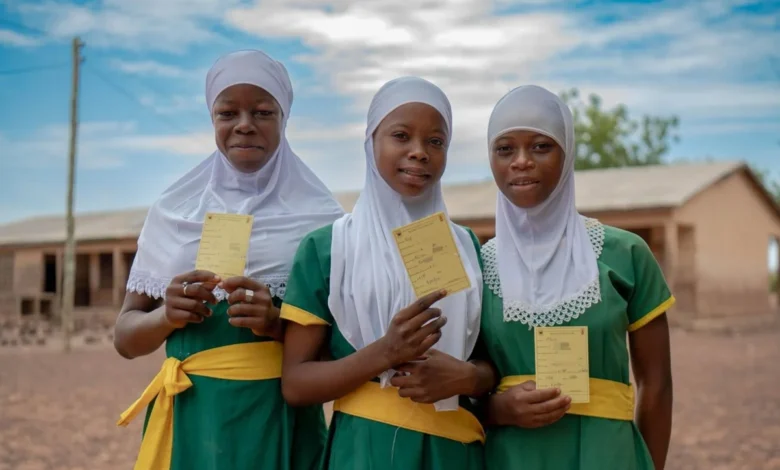
Global vaccination rates for essential childhood immunizations have shown a modest rebound following disruptions caused by the COVID-19 pandemic, with 90% of infants worldwide receiving at least one dose of the diphtheria, tetanus, and pertussis (DTP) vaccine in 2025. However, the latest annual WHO-UNICEF Estimates of National Immunization Coverage (WUENIC) reveal that overall coverage levels remain precariously close to, and in some key metrics, still below, pre-pandemic figures from 2019. This stagnation leaves an estimated 13.5 million infants unvaccinated in their first year of life, a figure that, while reduced from the previous year, is offset by an increasing number of children who start but do not complete their vaccination schedules.
The WUENIC report, released today, paints a complex picture of global immunization efforts. While 85% of infants completed the full three-dose DTP series in 2025 – an increase of one percentage point from 2024 – this still falls short of the 2019 benchmark. This persistent plateau in coverage highlights the ongoing challenges in reaching every child with life-saving vaccines, particularly in the face of conflict, displacement, poverty, and growing vaccine hesitancy.
Declining Progress on Key Vaccines and the Threat of Outbreaks
A critical concern highlighted by the report is the drop-out rate between the first and second doses of crucial vaccines. Globally, an estimated 7.3 million infants received their initial DTP dose but did not proceed to receive their first measles vaccine. This trend has directly impacted measles vaccination coverage, with only 84% of children receiving the first dose (MCV1) and a mere 77% receiving the second dose (MCV2). These figures fall significantly short of the 95% coverage threshold deemed necessary by public health experts to prevent widespread outbreaks of the highly contagious measles virus. The consequences are stark: 57 countries reported large or disruptive measles outbreaks in 2025, underscoring the immediate public health risks posed by these immunization gaps.
"Governments and health workers have helped global vaccination rates bounce back after dropping significantly during the COVID-19 pandemic," stated UNICEF Executive Director Catherine Russell. "But millions of vulnerable children are still being left unprotected due to conflict, displacement, and poverty. We must reach every child, and we must rebuild trust where it is fraying. No child should suffer from a disease that a simple vaccine can prevent."
Fragile States and Developing Nations Face Disproportionate Challenges
The WUENIC data reveals a stark disparity in immunization coverage, with children living in fragile, conflict-affected, or vulnerable (FCV) settings bearing the brunt of inadequate access. More than half of all "zero-dose" children – those who have not received a single vaccine in their first year – reside in FCV settings, despite these regions accounting for only about a third of the global child population. In these areas, immunization programs are frequently hampered by political instability, ongoing insecurity, and chronic underfunding, creating a vicious cycle of vulnerability. The report cites Syria as an example, where a single year’s disruption led to a significant decline in DTP1 and MCV1 coverage.
Conversely, the report also offers glimmers of hope. Sudan recorded the largest single-country gain in DTP1 coverage globally in the past year, with an impressive 35 percentage point increase, and a 22-point rise in MCV1 coverage. This achievement demonstrates the tangible impact of improved access to services, even amidst challenging circumstances, highlighting the potential for rapid progress when interventions are effectively implemented.
Middle- and High-Income Countries Grapple with New Hurdles
Interestingly, the challenges to achieving high immunization coverage are not confined to low-income and fragile states. In middle- and high-income countries, where vaccines are generally accessible, coverage rates are showing concerning declines. This trend is attributed to a combination of factors including shifting political priorities, systemic structural issues within healthcare systems, and a rise in vaccine hesitancy among segments of the population. South Africa, for instance, has experienced a 20 percentage point drop in DTP1 coverage since 2019, with a continued decline observed in 2025. Similarly, Bosnia and Herzegovina, after achieving a significant increase in MCV1 coverage in 2024, saw a substantial 23-point drop in the past year. These shifts underscore the need for sustained commitment and innovative strategies to maintain public confidence and ensure consistent vaccine uptake across diverse socioeconomic contexts.
A Global Call to Action and the Road Ahead
The World Health Organization (WHO) and UNICEF, alongside partners like Gavi, the Vaccine Alliance, are advocating for a concerted global effort to reverse the current trajectory. Dr. Tedros Adhanom Ghebreyesus, WHO Director-General, emphasized the fundamental right of every child to protection from preventable diseases. "Every child, whether born into wealth or poverty, peace or conflict, deserves the lifegiving protection that vaccines provide," he stated. "Immunization is one of the most cost-effective, most equitable, and most reliable interventions for protecting children’s health and well-being. Our greatest security begins with ensuring that everyone, wherever they may live, is protected from deadly diseases that vaccines have the power to prevent."
The Immunization Agenda 2030 (IA2030) initiative, a global strategy aimed at ensuring vaccines reach everyone, everywhere, at every age, faces significant headwinds. While significant progress has been made over the past 25 years, reducing the annual number of zero-dose children by 40%, the current momentum is under strain. Reduced international health financing and a weakening of the data systems necessary to track and address immunization gaps pose a significant threat to future progress. The report notes a concerning decline in national immunization surveys, from 50 in 2024 to just 18 submitted for this round, hindering the ability to accurately assess coverage and identify areas in need of urgent intervention.
Dr. Sania Nishtar, CEO of Gavi, the Vaccine Alliance, acknowledged the successes achieved through collaborative efforts, particularly in lower-income countries. "The historic levels of immunization that we are seeing across lower income countries shows what can be achieved when all stakeholders work together towards a shared objective," she remarked. "As Gavi heads into a new five-year period, our great challenge now will be to maintain this momentum in the face of funding constraints, geopolitical uncertainty, and increasing outbreaks – while working harder to reach those children that still do not have access to immunization."
Regional Performance and Shifting Landscapes
Analysis of regional performance reveals varied progress. The Americas and South-East Asia regions have fully recovered and even surpassed their pre-pandemic immunization coverage levels, with South-East Asia now standing as the highest-performing region. While Africa, the Eastern Mediterranean, and Europe regions have seen gains in the past year, their coverage rates still lag behind those recorded before the COVID-19 pandemic. In contrast, the Western Pacific region has experienced a decline, placing it furthest from its 2019 baseline.
These regional averages mask the intricate challenges faced at the country level. The report highlights that while some countries have made remarkable strides, others are stagnating or regressing. Of the 100 countries that have maintained at least 90% DTP3 coverage since 2019, progress in expanding this group has been slow. While 30 countries below 90% coverage in 2019 have improved their rates, a concerning 65 countries are either stagnating or falling behind, including 13 fragile, conflict-affected, or vulnerable nations.
The Imperative of Data and Sustained Investment
The decline in the number of national immunization surveys is a critical red flag. Robust data collection and analysis are fundamental to understanding immunization gaps, designing targeted interventions, and ensuring accountability. Weakening investments in these data systems risk a resurgence of preventable diseases and avoidable deaths. WHO and UNICEF are calling on governments and partners to reinforce these essential data infrastructure components.
To address these critical gaps and steer the global immunization agenda back on track, WHO and UNICEF are urging governments and relevant partners to:
- Strengthen immunization systems: Invest in resilient and equitable health systems capable of delivering vaccines consistently, even in challenging environments.
- Increase funding: Secure sustainable and increased financing for immunization programs at both national and international levels.
- Address vaccine hesitancy: Implement evidence-based strategies to build and maintain public trust in vaccines, countering misinformation and disinformation.
- Prioritize outreach: Focus on reaching zero-dose children and those who have dropped out of the vaccination schedule, particularly in marginalized and remote communities.
- Improve data collection: Reinforce national immunization information systems and increase the frequency and quality of national immunization surveys.
- Promote collaboration: Foster stronger partnerships between governments, international organizations, civil society, and communities to ensure coordinated action.
The findings of the WUENIC report serve as a critical reminder that while progress in global immunization is achievable, it requires unwavering commitment, strategic investment, and a collective effort to overcome persistent challenges. The health and well-being of millions of children depend on the world’s ability to ensure that life-saving vaccines reach every corner of the globe.