The Context of the Decider
The three-match ODI series between England and Sri Lanka has reached a stalemate following Sri Lanka’s stirring performance at Headingley on 24 September. That victory, anchored by a masterful century from captain Kusal Mendis, leveled the series and placed immense pressure on the English management to adjust their strategy. For England, the significance of this decider transcends the immediate result. As the team looks toward the 2027 50-over World Cup in South Africa, these bilateral series serve as essential testing grounds for squad depth and tactical flexibility.
Eoin Morgan, the former England captain, frequently championed the value of series deciders, viewing them as the closest approximation to the psychological and tactical intensity of a World Cup knockout match. Harry Brook, leading the side in the absence of the injured Buttler, is overseeing his third such high-pressure scenario of the calendar year. Having successfully navigated previous deciders against Sri Lanka and India—during which the team posted scores of 357-3 and 387-3 respectively—England entered Sunday’s match with a proven, albeit recently dented, pedigree in run-chasing and high-scoring affairs.
Tactical Shifts and Team News
The absence of Jos Buttler has necessitated significant changes to the playing XI. Jordan Cox has been drafted in to take the wicketkeeping duties, marking his first ODI appearance since a challenging tour of the Caribbean two years prior. Additionally, the inclusion of Liam Dawson and Sonny Baker represents a strategic shift, with the management opting to drop Rehan Ahmed and Josh Tongue. These changes underscore an intent to bolster the spin department and provide more varied bowling options on a surface described by ground staff as exceptionally dry.

Sri Lanka, conversely, opted for continuity. Unchanged from the team that triumphed at Headingley, the visitors maintained their core lineup, led by Kusal Mendis. Their confidence was evident from the start of the first over, where the bowling unit demonstrated early discipline. The pitch conditions, which initially raised concerns regarding the potential for early-morning moisture, were deemed conducive to batting, prompting Brook to win the toss and elect to set a target—a decision that signaled England’s intent to control the tempo from the outset.
Chronology of the Early Exchanges
The opening overs of the match provided immediate drama, highlighting the volatility of the pitch and the high stakes involved. The opening partnership of Tom Banton and Ben Duckett faced a stern test against the pace of Dilshan Madushanka and Asitha Fernando.
In the first over, Asitha Fernando tested Ben Duckett with an LBW appeal that, while initially looking promising, was confirmed to have pitched marginally outside leg stump. Shortly thereafter, the game saw its first major turning point in the third over when Dilshan Madushanka claimed the wicket of Ben Duckett. A delivery that nipped back sharply struck the top of the off stump, leaving England at 6-1. The dismissal served as a stark reminder of the precision required by top-order batters in the early morning session.
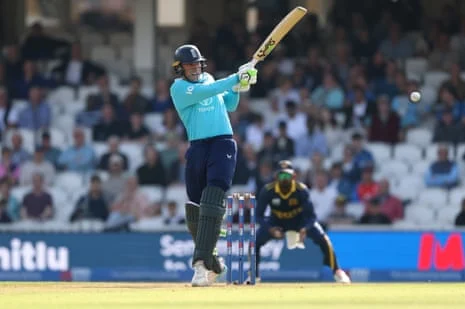
England’s recovery was spearheaded by Tom Banton and Joe Root. Banton, showing signs of maturation and comfort at the international level, began finding the boundary with regularity, punching drives through the covers and utilizing the pull shot effectively against shorter deliveries. However, the game remained finely balanced. In the 10th over, Joe Root—who has struggled to find his peak form this series—was granted a significant reprieve. A glide behind square resulted in a catchable opportunity for Nissanka at a wide slip position, but the ball burst through his hands. This dropped catch on 15 could prove a pivotal moment in the context of the match, as Root’s experience is vital to England’s middle-order stability.
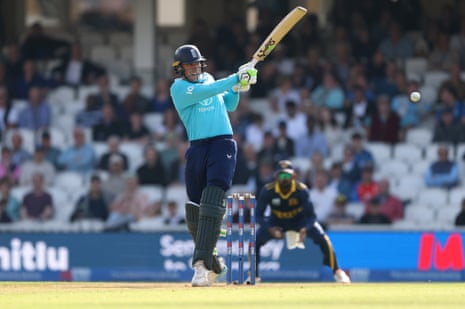
By the 11th over, England had progressed to 51-1, with Banton playing a particularly aggressive role, having already struck six boundaries. The commentary team, including former England great Nasser Hussain, noted the quality of Banton’s cover drives, describing them as near-perfect against an outswinging bowler.
Supporting Data and Statistical Trends
The current series has been characterized by a notable reliance on experience. With Jos Buttler’s absence, Joe Root stands as the only player in the squad with over 50 caps, boasting 195 appearances. In contrast, the remaining ten players in the starting XI possess a combined total of only 214 caps, illustrating the youth and relative inexperience of this current iteration of the English white-ball team.
Furthermore, Joe Root’s individual form has been a subject of analytical concern. Root is currently averaging 32 for the series, a figure that falls well below his career standards. Statistics from the broadcast team indicate that Root has yet to score an international century during the 2026 summer—a rarity for the prolific batter, with the only previous occurrence being the pandemic-affected summer of 2020. His ability to anchor the innings today is viewed as a prerequisite for England to post a competitive total.
Broader Implications: The Pietersen Factor
The backdrop to this series has been dominated by the unconventional appointment of Kevin Pietersen as a "specialist mentor" to the England white-ball teams. Facilitated by Brendon McCullum, the move has generated significant discourse regarding the cultural direction of the squad. Pietersen, known for his combative and innovative batting style, has already engaged in discussions with incoming Test coach Stephen Fleming and Joe Root, signaling that his influence may extend beyond the white-ball format and into the preparations for the upcoming Ashes.

The presence of such a polarizing figure in the dressing room serves as a strategic gamble by the ECB. The goal, as stated by McCullum, is to ensure the team is "competitive in South Africa" for the 2027 World Cup. While critics point to the historical friction between Pietersen and the England setup, proponents suggest that his technical insights, particularly regarding aggressive intent, could be the catalyst needed to refresh a squad that has shown signs of fatigue.
Related Developments: The Domestic Landscape
While the national side battles for series supremacy, the domestic cricket calendar has simultaneously reached a climax. The final day of the County Championship has been marked by a significant triumph for Warwickshire, who secured the title following a victory over Leicestershire. The success was largely attributed to the contributions of Ethan Bamber, whose 69 wickets over the season have been instrumental. Bamber’s performance, characterized by consistent line and length, provides a counter-narrative to the high-octane world of international limited-overs cricket, emphasizing the value of endurance and technical precision.
Additionally, off-field tensions continue to simmer, with reports surfacing of a potential dispute between Ben Stokes and the England and Wales Cricket Board. The former Test captain is reportedly seeking clearance to participate in overseas franchise competitions, such as the Major League Cricket (MLC) and the Pakistan Super League (PSL). The ECB’s reluctance to grant the necessary No-Objection Certificates (NOCs) for a player still under contract with a county team reflects the broader, ongoing conflict between international duty and the allure of the global franchise circuit.
Analysis and Outlook
As the match at the Oval continues, the primary focus for England will be on consolidating their position after the early loss of Duckett. The pitch, expected to deteriorate as the day progresses, favors the batting side in the opening sessions, but the potential for late-afternoon weather interference adds an element of uncertainty.

If England can post a total in excess of 300, they will feel confident in their ability to defend it against a Sri Lankan side that, while currently high on morale, has historically struggled with consistency in foreign conditions. The inclusion of Liam Dawson and Will Jacks, both of whom offer spin options, suggests that England anticipates the pitch taking more turn as the match deepens.
Ultimately, this series decider is more than just a trophy opportunity; it is a test of character for a young England side. A victory would validate the tactical experiments and the leadership of Harry Brook, while a defeat would invite further scrutiny regarding the team’s depth and the effectiveness of the recent coaching and mentoring adjustments. For now, the attention remains on the crease, where the battle between England’s batters and a determined Sri Lankan attack will determine the narrative of the 2026 summer finale.