Literary Works Pitch for Audiovisual Adaptation Emerges as a Global Nexus for Transmedia Storytelling at Iberseries and Platino Industria

The appetite for Spanish-language intellectual property has reached a fever pitch, driven by the massive streaming success of adaptations like the Fault trilogy and the recent release of Drawn Together, both stemming from the prolific pen of YA author Mercedes Ron. This surge in demand for localized content with global reach has necessitated a more structured bridge between the publishing world and the high-stakes environment of film and television production. Enter the Literary Works Pitch for Audiovisual Adaptation, a strategic initiative launched by Iberseries & Platino Industria in collaboration with the Federation of Publishers Guilds of Spain (FGEE). Running from September 29 to October 2 in Madrid, this year’s sixth edition of the event serves as a critical marketplace where literary agencies and publishers can directly court the attention of streamers, studios, and television networks hungry for their next hit franchise.
The Shift Toward Literary IP in Global Streaming
The move toward adapting established literary works is not merely a creative choice but a calculated business strategy for platforms like Prime Video and Netflix. In an era where original content development carries high financial risk, the "proven audience" factor of a bestselling book provides a hedge against failure. The success of Pokeepsie Films—the production banner led by Álex de la Iglesia and Carolina Bang—in translating Mercedes Ron’s novels into visual media highlights the viability of this model. By converting fanbases into viewership, studios can effectively shorten the marketing cycle and ensure a built-in audience before the first episode even airs.
This year’s event in Madrid reflects a broader industry trend: the professionalization of the "pitch." Publishers are no longer just selling books; they are positioning intellectual properties as multi-platform ecosystems. By facilitating direct meetings between content creators and distributors, Iberseries & Platino Industria is streamlining a process that has historically been fraught with long, circuitous bureaucratic hurdles.
A Diverse Slate of Selected Works
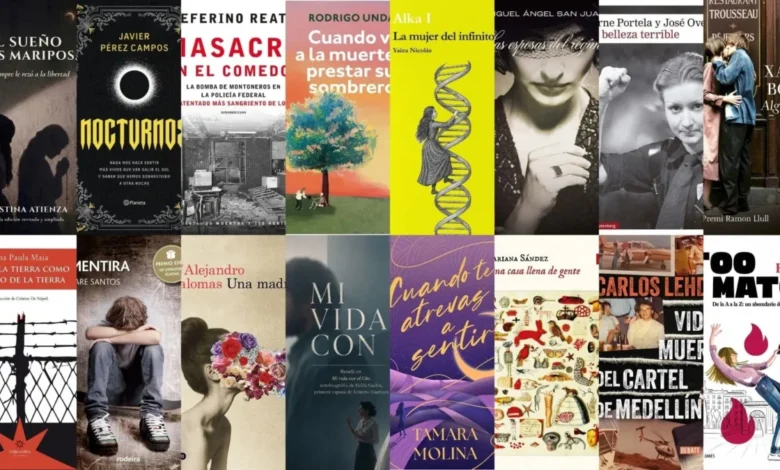
Following a rigorous selection process, organizers have unveiled a list of 16 titles representing a wide range of genres, cultural perspectives, and narrative styles. The roster includes 14 projects from Spain and Mexico, along with one selection each from Germany and Argentina. These projects are curated to offer something for every segment of the market, from historical biopics to experimental graphic novels.
The projects presented at this year’s edition include:
- Contemporary Drama and Romance: Xavier Bosch’s Alguien como tú offers a sophisticated, cross-border narrative of illicit romance between Barcelona and Paris. Meanwhile, Tamara Molina’s Cuando te atrevas a sentir addresses the anxieties of the modern professional class, and Alejandro Palomas’ Una Madre provides a domestic, tension-filled portrait of family dynamics set against the backdrop of a New Year’s Eve dinner.
- Speculative Fiction and Thrillers: Yaiza Nicolás’ Alka I. La mujer del infinito ventures into high-concept science fiction, exploring the intersection of immortality and multi-generational trauma. Ana Paula Maia’s Así en la tierra como debajo de la tierra takes a darker turn, presenting a harrowing vision of a Brazilian penal colony. Rodrigo Unda’s Cuando vi a la muerte prestar su sombrero brings a fantasy element to the afterlife, centered on the emotional awakening of a mythological entity.
- Historical and Political Non-Fiction: The slate is heavily weighted toward projects with deep historical resonance. Ceferino Reato’s Masacre en el comedor offers a journalistic examination of 1970s Argentine political violence. Miguel Ángel San Juan’s Las esposas del régimen provides a critical look at the patriarchal underpinnings of the Franco era, while Carlos Lehder’s Vida y muerte del cartel de Medellín offers a high-stakes, real-world perspective on the Colombian drug wars, a genre that has historically performed exceptionally well in the global streaming market.
- Biographical and Experimental Works: The selection also includes Mi vida con él, the memoirs of Hilda Gadea, which provide an intimate, intellectual look at the life of Che Guevara’s first wife—a project already in active development. Additionally, Laura Pérez’s Nocturnos represents the cutting edge of visual storytelling, showcasing the work of an artist whose previous contributions to the Emmy-winning Only Murders in the Building demonstrate the value of transmedia design talent.
The Strategic Value of the Madrid Marketplace
The choice of Madrid as the venue for this initiative is deliberate. Spain has cemented its position as a primary European hub for content production, benefiting from favorable tax incentives and a robust infrastructure for international co-productions. The presence of international buyers at Iberseries & Platino Industria underscores that this is not a domestic event, but an export-oriented marketplace.
According to analysts familiar with the Spanish-language media market, the primary challenge for production companies is identifying IP that can translate across borders. "Spanish-language content no longer has to justify its ‘international appeal,’" notes one industry consultant. "The success of non-English language series on global platforms has proven that if the story is compelling, the language barrier is effectively non-existent. The works selected for this year’s pitch session are precisely those that possess strong, localized cultural markers that resonate with universal themes of power, family, and identity."
Broader Implications for the Publishing Sector
For the FGEE and participating literary agencies, this initiative represents a new revenue stream and a way to protect the future of the book industry. As physical book sales face competition from digital entertainment, the ability to monetize a title as a film or TV series has become a vital component of a book’s long-term commercial lifecycle.
The inclusion of projects like Una casa llena de gente by Mariana Sánchez—a German-based production—and various Latin American titles highlights the interconnected nature of the Spanish-speaking publishing world. This global reach ensures that even niche, local stories have a potential path to being adapted for a worldwide audience.
Future Outlook and Industry Impact
As the event concludes on October 2, the true impact of these pitches will be measured by the number of option agreements signed in the coming months. If past years are any indication, the Literary Works Pitch for Audiovisual Adaptation is likely to produce at least three to four major production greenlights by the next fiscal year.
The industry is watching closely to see if the "Mercedes Ron model"—the aggressive, platform-backed development of YA and genre fiction—continues to dominate, or if there is a shift toward more serious, historical, or experimental literary adaptations. Given the current slate, the trend suggests a move toward high-quality, high-prestige content that balances historical veracity with the kind of emotional stakes that drive modern binge-watching behavior.
In summary, the Madrid sessions are proving that the next "must-watch" series is likely already sitting on a bookstore shelf. By bridging the gap between the printed page and the screen, the organizers of Iberseries & Platino Industria are not just facilitating business; they are actively shaping the narrative landscape of global entertainment for the next decade. As production houses continue to scour these pitches for the next big hit, the synergy between Spanish-language literature and international streaming platforms promises to grow only more symbiotic, signaling a golden era for Spanish-language storytelling on the global stage.