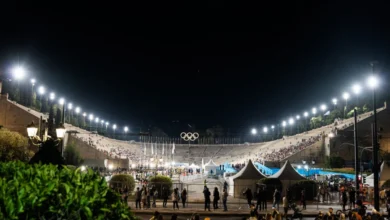
Madrid, the sprawling capital of Spain, serves as the administrative, economic, and cultural nexus of the nation. Home to approximately 3.5 million residents within its metropolitan core and hosting upwards of 10 million international and domestic tourists annually, the city has solidified its status as a cornerstone of European travel. Unlike the coastal Mediterranean energy of Barcelona, Madrid operates on a distinctive, historically rooted rhythm defined by late-evening social patterns and a rigorous preservation of its architectural heritage. The city’s urban layout, a complex layering of medieval foundations, Habsburg-era planning, and 19th-century expansion, offers a dense concentration of cultural assets that require strategic navigation for any visitor.
Historical Context and Urban Development
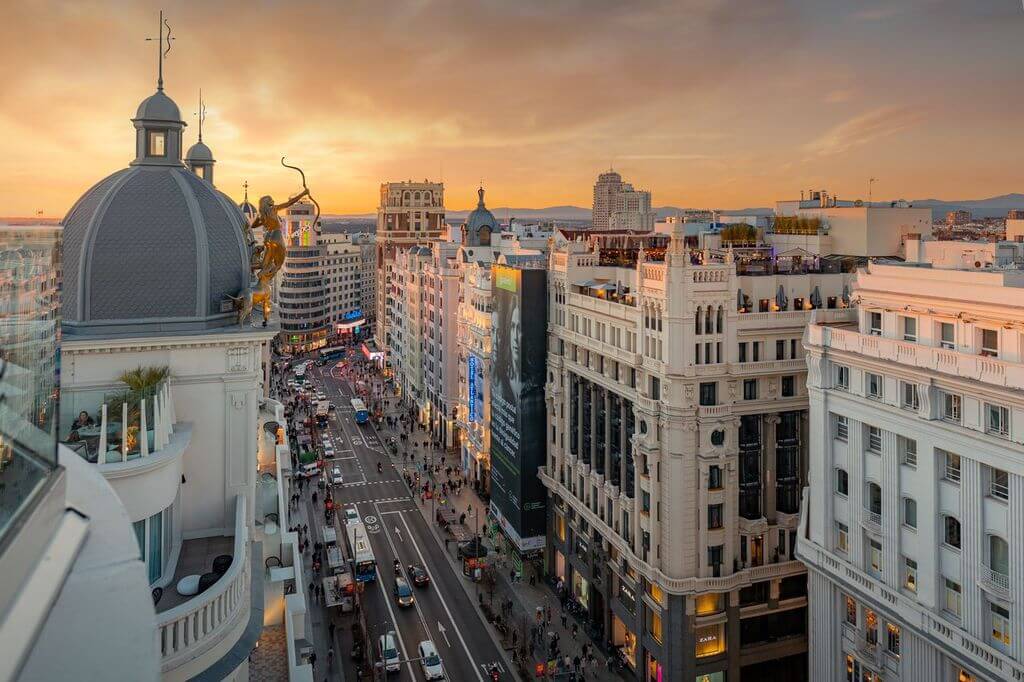
The contemporary identity of Madrid is inextricably linked to its selection as the royal capital by Philip II in 1561. This decision transformed a relatively minor fortress town into the epicenter of the Spanish Empire. The result is a city defined by "Madrid de los Austrias" (Habsburg Madrid), characterized by narrow, winding streets, expansive plazas, and monumental royal infrastructure. The city’s modern development is marked by the Paseo del Prado, a UNESCO World Heritage site since 2021, which integrates urban greenery with institutional centers of science, art, and governance.
Day 1: The Golden Triangle of Art
The core of Madrid’s cultural offering is the "Golden Triangle of Art," a high-density cluster of three world-renowned institutions located along the Paseo del Prado.
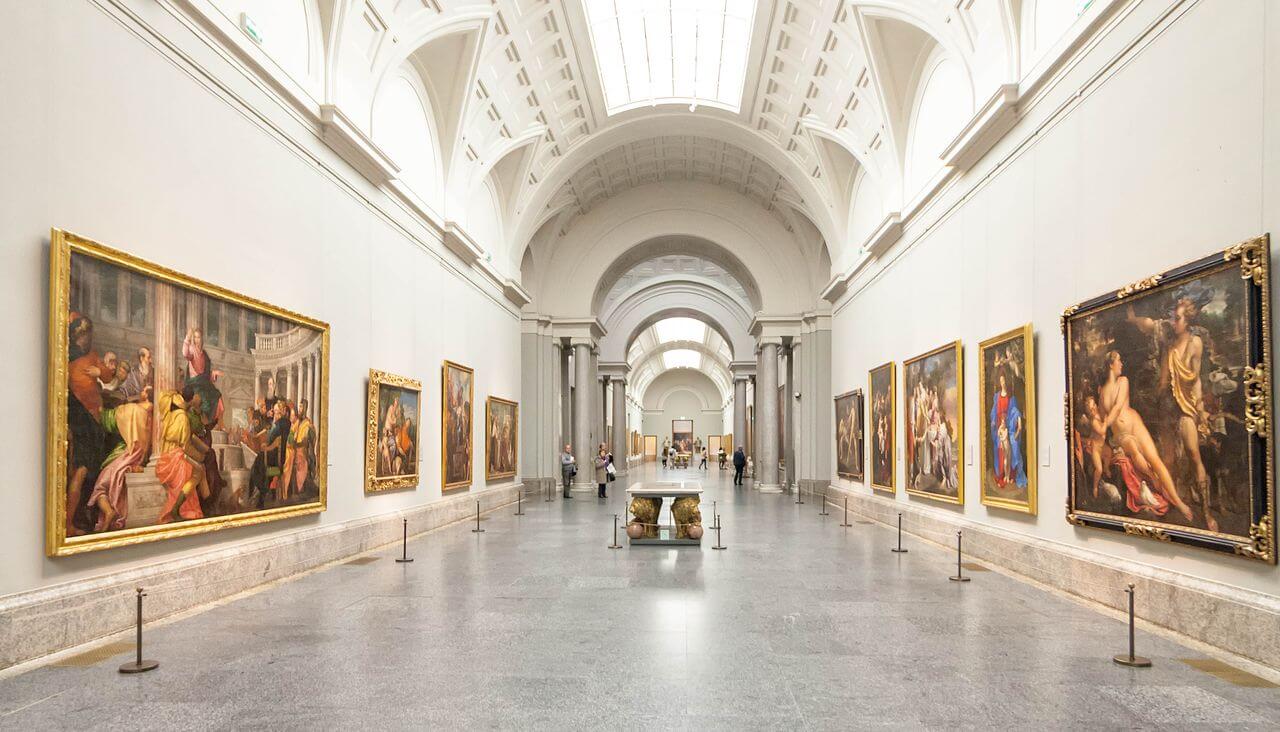
- The Prado Museum: Established in 1819, the museum houses the world’s most comprehensive collection of Spanish art, including masterpieces by Velázquez, Goya, and El Greco. With over 8,000 paintings in its catalog, it remains a primary destination for art historians and tourists alike.
- The Thyssen-Bornemisza Museum: Serving as a bridge between the classical and the contemporary, this private collection provides a chronological narrative of European painting from the 13th to the 20th century.
- The Reina Sofía National Art Center: Focused on modern and contemporary art, this institution’s primary asset is Pablo Picasso’s 1937 Guernica. The painting serves as a political and historical touchstone, symbolizing the humanitarian crisis of the Spanish Civil War.
For visitors prioritizing local heritage, the city’s network of "House Museums"—such as the Sorolla Museum, formerly the residence of Joaquín Sorolla—offers insight into the private lives of Spain’s 19th and 20th-century intellectual elite.
Day 2: The Habsburg Legacy and Royal Infrastructure
The second day of a structured itinerary focuses on the historic center, centered on the Puerta del Sol. Geographically, this plaza serves as the "Kilometer Zero" point for Spain’s radial highway system.
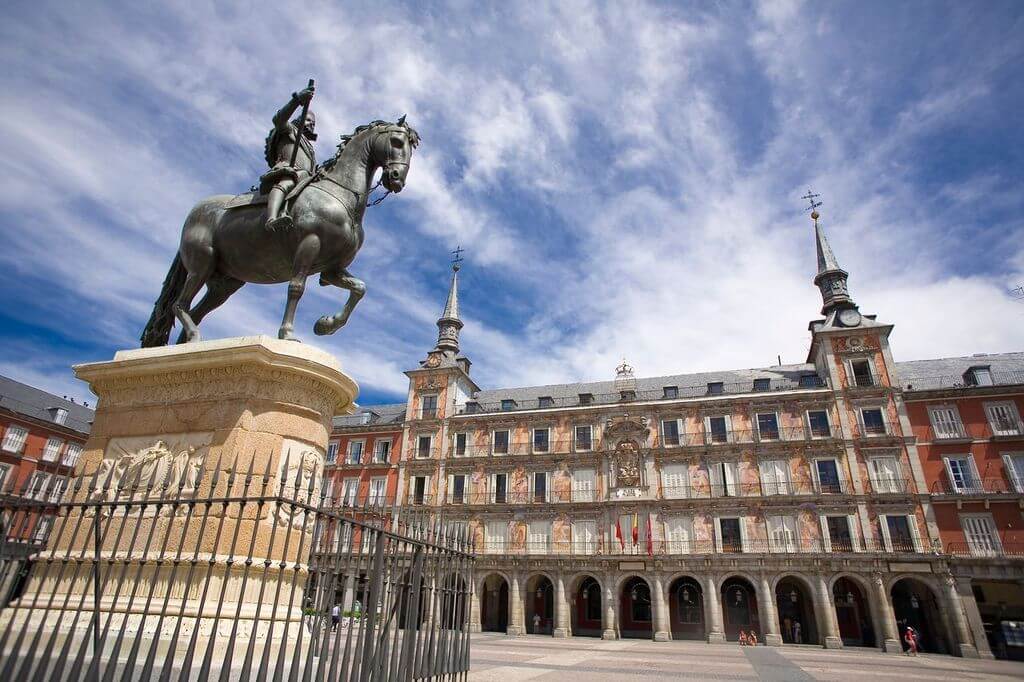
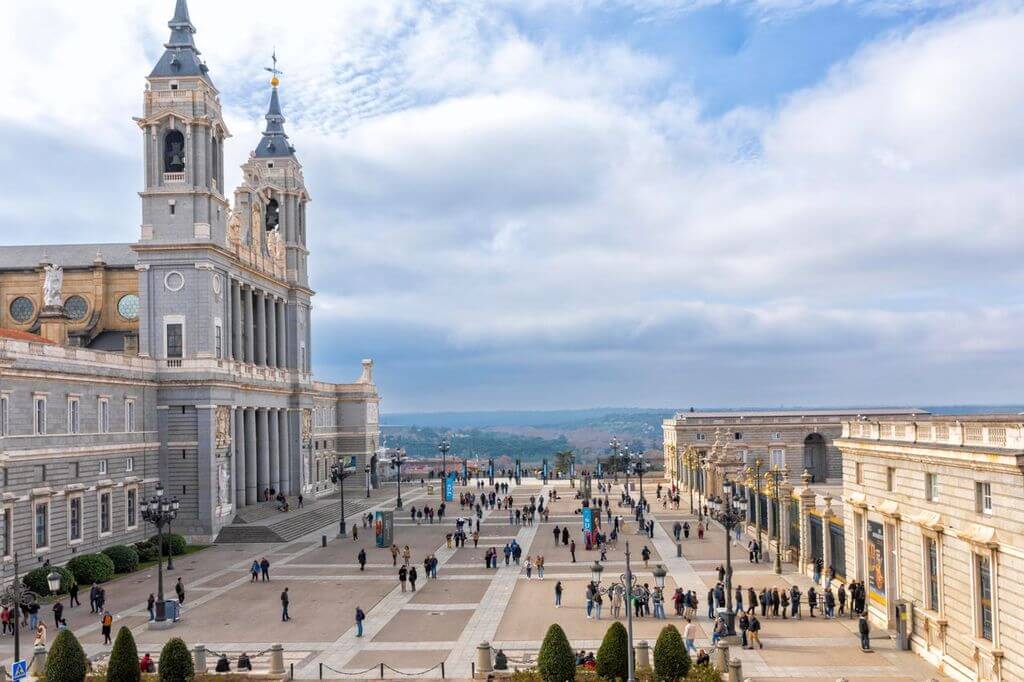
The Plaza Mayor, inaugurated in 1620, stands as the architectural centerpiece of the Habsburg era. Historically, it functioned as the site for public trials, bullfights, and royal coronations. Today, it serves as a central hub for urban commerce. Proximate to this is the Royal Palace of Madrid. Constructed in the 18th century following a fire that destroyed the medieval Alcázar, the palace is the largest in Western Europe by floor area, boasting over 3,400 rooms. While it remains the official residence of the Spanish monarchy for state ceremonies, its primary function is that of a museum, showcasing the opulence of the Bourbon dynasty. Adjacent to the palace, the Almudena Cathedral represents a more modern architectural effort; although the project was conceived in the 16th century, the structure was not finalized and consecrated until 1993, highlighting the city’s ongoing evolution.
Day 3: Gastronomic Evolution and Market Culture
Madrid’s culinary landscape is characterized by a transition from traditional tavern-style dining to high-concept market culture. The Mercado de San Miguel, a glass-and-iron structure dating back to 1916, represents the city’s successful pivot toward gourmet tourism. Similar developments, such as the Mercado de San Antón in Chueca and the Mercado de Vallehermoso, reflect a broader trend in European capital cities: the revitalization of municipal markets into gastronomic hubs.
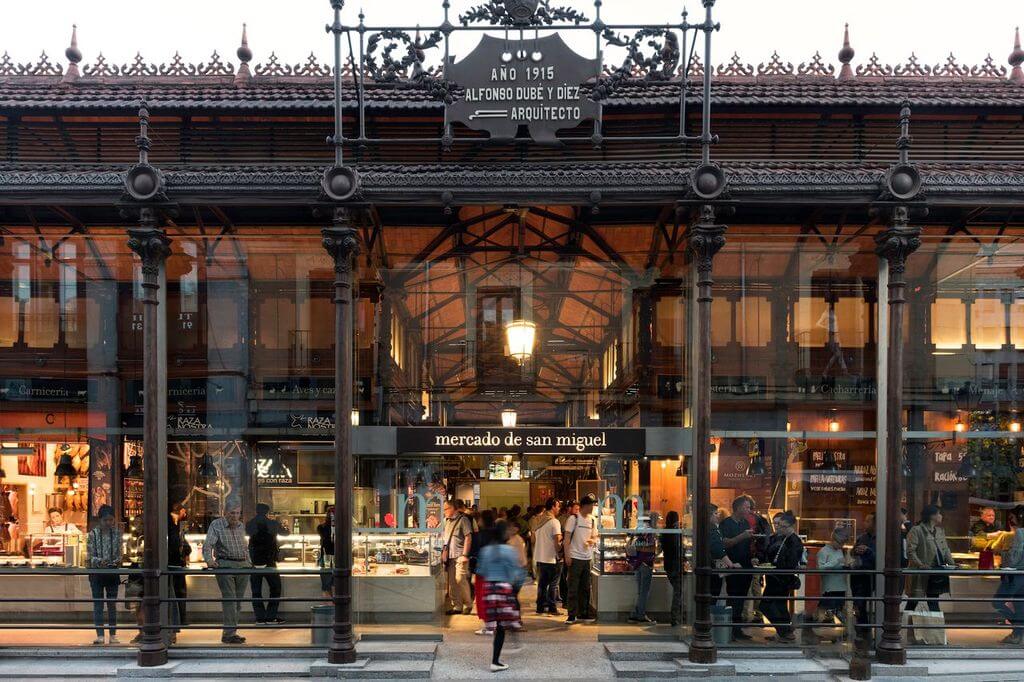
Economic data indicates that the food and beverage sector remains the largest contributor to Madrid’s tourism economy. Establishments such as Sobrino de Botín—recognized by Guinness World Records as the world’s oldest continuously operating restaurant—provide a direct link to the 18th century, serving as a primary site for cultural preservation through culinary tradition. The emergence of a robust vegetarian and vegan scene in districts like Malasaña reflects a wider European shift toward sustainable and inclusive dietary preferences, diversifying the city’s traditional meat-heavy culinary profile.
Day 4: UNESCO Sites and Regional Connectivity
Beyond the city limits, the surrounding Community of Madrid hosts a high concentration of UNESCO-designated landmarks, facilitating day trips that highlight the political reach of the Spanish crown:
- San Lorenzo de El Escorial: A 16th-century monastery and royal site, El Escorial reflects the austere, disciplined architectural style favored by Philip II. It serves as a mausoleum for most Spanish monarchs.
- Aranjuez: Known for its Royal Palace and elaborate gardens, Aranjuez illustrates the 18th-century influence of the Enlightenment on urban planning and landscape design.
- Alcalá de Henares: As the birthplace of Miguel de Cervantes, this university city offers a preserved environment of the Spanish Golden Age, reflecting the intellectual history that informed the creation of Don Quixote.
Day 5: Cloistered Art and Urban Expansion
The final day of this itinerary emphasizes the city’s hidden institutional history. The Monastery of Las Descalzas Reales and the Royal Monastery of La Encarnación are significant because they represent the intersection of religious life and aristocratic wealth. These convents served as safe havens for noblewomen, who brought vast personal art collections into the cloistered spaces, effectively preserving significant Renaissance and Baroque works from the public eye for centuries.
The trip concludes at the Casa de Campo. Spanning 1,722 hectares, this former royal hunting ground was opened to the public in 1931. Its scale—five times the size of New York’s Central Park—provides necessary green space for the city and serves as a vital environmental buffer, highlighting Madrid’s effort to balance massive urban growth with sustainable public land use.
Broader Economic and Cultural Implications
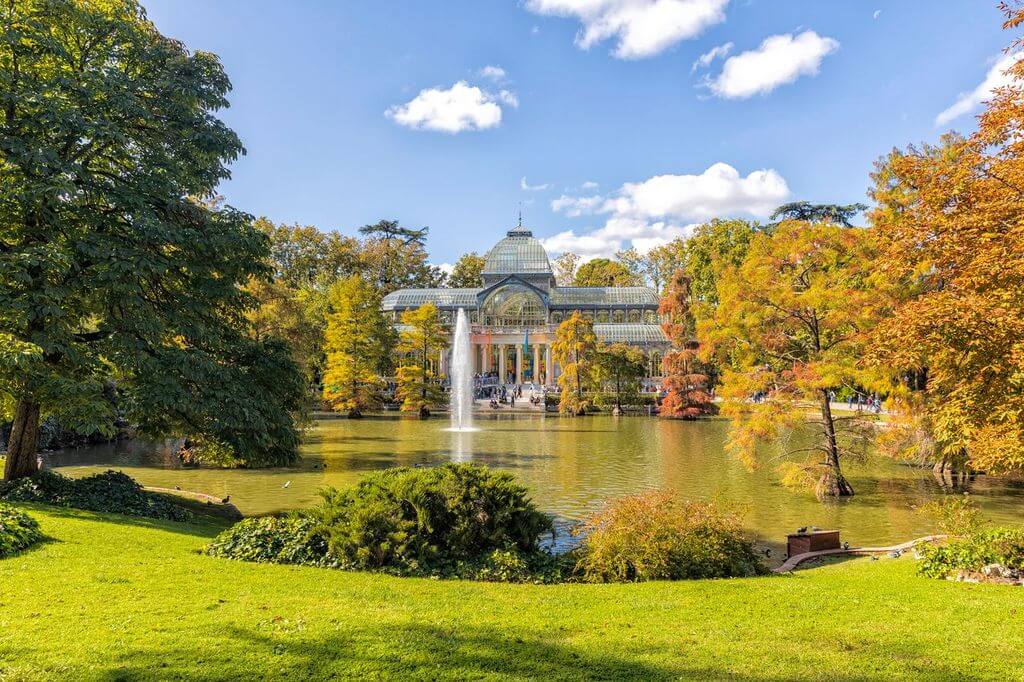
The tourism sector in Madrid has undergone significant strategic shifts over the last decade, focusing on high-value cultural visitors rather than purely seasonal volume. The designation of the "Landscape of Light" (Paseo del Prado and Retiro Park) as a UNESCO site has provided a structural framework for urban planning, encouraging the city to prioritize pedestrian access and environmental maintenance.
Official statements from the Madrid Tourism Board frequently highlight the city’s "authentic" local pace—a characteristic that resists the rapid-fire tourism cycles seen in other European capitals. By encouraging visitors to adhere to local dining hours and engage with the city’s extensive museum network, the local government aims to distribute economic benefits across both the historic center and the emerging creative districts. The synthesis of deep-rooted historical preservation and modern gastronomic and cultural adaptation ensures that Madrid remains a competitive and relevant destination in the global tourism market.