Discovering Antigua: The Ultimate Caribbean Paradise for Luxury Travelers and Nature Enthusiasts

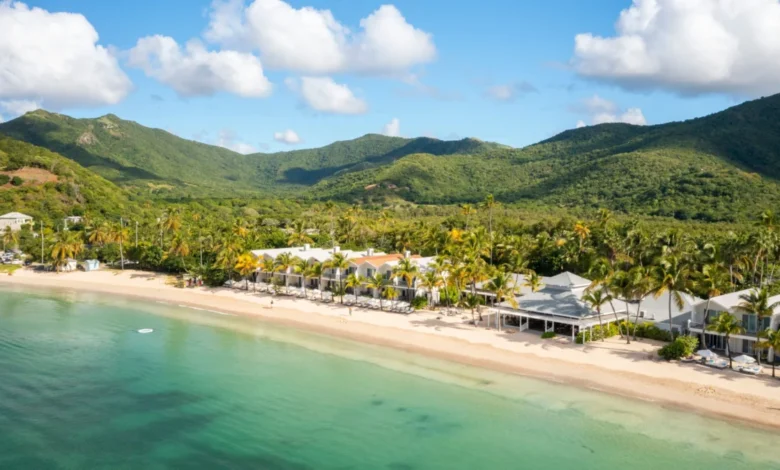
Antigua, the crown jewel of the Leeward Islands in the West Indies, continues to solidify its reputation as one of the world’s most sought-after tropical destinations. Renowned globally for its striking geographical diversity, the island harmoniously blends rugged, verdant rainforests with an extensive coastline defined by powder-soft, white-sand beaches. According to regional tourism boards and historical accounts, the island spans roughly 108 square miles and is famously celebrated for boasting exactly 365 beaches—one for every single day of the year. This unique geographical feature has long served as the centerpiece of Antigua’s tourism marketing, drawing hundreds of thousands of international visitors annually who seek both adventure and absolute tranquility.
The contemporary tourism landscape of Antigua is heavily anchored by its high-end hospitality sector. The island’s best hotels and resorts are meticulously designed to celebrate the surrounding natural landscape, maintaining a delicate balance between luxury accommodations and environmental preservation. Most elite properties are situated just steps away from crystal-clear turquoise waters and protected coral reefs, offering guests seamless access to aquatic recreation. Industry analysts note that the hospitality market in Antigua has undergone significant evolution over the past decade, shifting away from generic mass-market tourism toward hyper-personalized boutique hideaways and eco-conscious ultra-luxury resorts.
Geographical and Environmental Context
The ecological framework of Antigua is shaped by its volcanic origins, which have gifted the island with a dramatic topography. While the southwestern region features lush, mountainous terrain centered around Boggy Peak—the highest point on the island—the eastern and northern coasts are characterized by sheltered bays, barrier reefs, and calm lagoons. This varied topography allows for diverse ecosystems that support an array of flora and fauna, making the island a prime destination not only for beachgoers but also for eco-tourists and ornithologists.
Conservation efforts across the island have intensified in recent years, particularly concerning the marine life and coastal habitats. Between the months of June and October, several of Antigua’s secluded beaches transform into crucial nesting grounds for endangered sea turtle species, including the Hawksbill, Green, and Leatherback turtles. Local environmental agencies, in partnership with resort operators, have established strict conservation protocols to protect these nesting sites. Visitors during these months are frequently granted the rare opportunity to witness conservation milestones, such as newly hatched baby turtles navigating their initial journey from the sand to the Caribbean Sea.
Chronology of Tourism Development in Antigua
The trajectory of Antigua as a premier global travel destination is rooted in a rich history that transitioned from a strategic naval outpost to a leisure haven.
During the 18th century, Antigua served as the headquarters of the British Royal Navy’s Leeward Islands station, famously anchored by Nelson’s Dockyard in English Harbour. For centuries, the economy was heavily dependent on sugarcane agriculture. However, following the decline of the sugar trade in the mid-20th century, the local government recognized the immense potential of the island’s climate and coastal geography for international tourism.
In the 1960s and 1970s, the construction of the first international airport and premier resort properties marked the official dawn of modern Antiguan tourism. The opening of iconic hotels laid the groundwork for the luxury segment that thrives today. Over the subsequent decades, strategic investments in infrastructure, marina developments, and international marketing transformed Antigua into a premier yachting capital of the world, hosting events such as the annual Antigua Sailing Week.
By the early 2000s, the island experienced a boom in upscale resort development. International hospitality brands began acquiring prime coastal real estate, introducing world-class spas, fine dining establishments, and sustainable building practices. Today, the timeline of Antiguan tourism is marked by a continuous push toward sustainable luxury, ensuring that increased visitor numbers do not compromise the pristine nature of the island’s 365 beaches.
Supporting Data and Economic Impact
Tourism remains the primary economic driver for Antigua and Barbuda, contributing significantly to the nation’s Gross Domestic Product (GDP) and employment figures. According to data from the Caribbean Tourism Organization (CTO) and the World Travel & Tourism Council (WTTC), travel and tourism accounts for more than 60 percent of the nation’s direct and indirect economic output.
Visitor arrival statistics indicate a robust post-pandemic recovery. In recent reporting periods, stay-over arrivals have steadily climbed, led primarily by travelers from the United States, the United Kingdom, and continental Europe. High-end resorts report consistently high occupancy rates, particularly during the peak dry season from December to April, as well as an expanding shoulder season driven by travelers seeking wellness retreats and culinary tourism.
Furthermore, the average length of stay for visitors choosing luxury accommodations in Antigua exceeds the regional Caribbean average, a testament to the comprehensive resort offerings and the island’s slow-paced, relaxing ambiance. Days on the island characteristically transition from sunrise ocean swims to leisurely afternoons by infinity pools, culminating in evenings highlighted by locally produced rum cocktails and gourmet dining that emphasizes fresh, locally sourced seafood and Caribbean produce.
Statements and Industry Perspectives
Tourism officials and hospitality leaders emphasize that Antigua’s enduring appeal lies in its ability to offer authentic Caribbean experiences without sacrificing modern comforts.
In recent addresses regarding sustainable development, local tourism representatives have underscored the critical importance of balancing economic growth with environmental stewardship. "Our 365 beaches are our greatest asset, but they are also fragile ecosystems," noted a senior official from the Antigua and Barbuda Tourism Authority. "The future of our hospitality industry depends entirely on our collective commitment to preserving the natural topography, marine life, and cultural heritage that make Antigua unique."
Hospitality executives managing top-tier properties across the island echo these sentiments. General managers of leading boutique resorts report a noticeable shift in consumer preferences. Modern luxury travelers increasingly demand transparency regarding environmental practices, energy conservation, and community engagement. Consequently, top hotels have integrated solar power initiatives, eliminated single-use plastics, and partnered with local farmers and fishermen to support the regional supply chain.
Broader Implications and Future Outlook
The continuous evolution of Antigua’s luxury hospitality sector carries significant implications for the broader Caribbean tourism market. As travelers become more discerning, destinations that successfully merge high-end amenities with ecological preservation are positioned to capture a larger share of the global luxury travel market.
Antigua’s strategic focus on low-impact, high-value tourism serves as a model for neighboring island nations facing similar pressures regarding resource management and climate change. By investing in resilient infrastructure and protecting critical habitats—such as coral reefs and sea turtle nesting beaches—the destination ensures its viability for future generations of travelers.
For the prospective visitor, the island offers an unmatched combination of accessibility and seclusion. Whether engaging in world-class kite surfing off the coast, exploring the dense inland rainforests, or simply unwinding in a private beachfront villa, guests encounter an environment meticulously maintained to reflect nature’s original intent. As the hospitality sector continues to innovate with new boutique openings and expanded wellness offerings, Antigua firmly retains its status as a quintessential Caribbean sanctuary where relaxation is not merely an activity, but an all-encompassing state of being.