Fasting and Gut Bacteria Team Up to Protect the Intestines from Radiation Damage in New MD Anderson Study

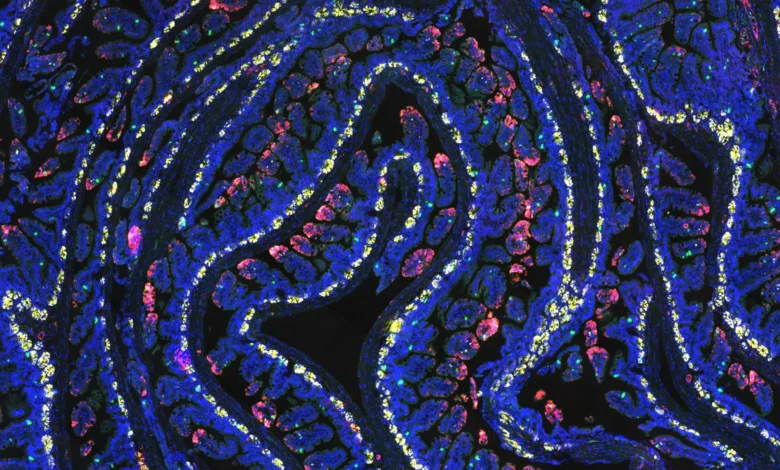
Researchers at The University of Texas MD Anderson Cancer Center have uncovered a profound biological synergy between a 24-hour fast and a specific gut microbe, demonstrating how dietary intervention can prime the intestines to recover from severe radiation damage. Published in the Proceedings of the National Academy of Sciences, the preclinical investigation illuminates a complex physiological pathway where nutritional restriction and resident microbiota work in tandem to activate the body’s intrinsic tissue-repair mechanisms. This breakthrough holds considerable promise for oncology, offering a potential blueprint to shield healthy tissues from the collateral damage of cancer treatments, mitigate debilitating side effects, and optimize therapeutic windows for patients undergoing abdominal irradiation.
The collaborative study was co-led by Dr. Helen Piwnica-Worms, professor of Experimental Radiation Oncology, and Dr. Kunal Rai, professor of Genomic Medicine at MD Anderson. By bridging nutritional science, microbiology, and molecular genetics, the research team has mapped out a sequence of events that begins in the gut lumen and culminates in large-scale epigenetic modifications within intestinal stem cells. These cellular alterations essentially place the tissue on high alert, creating an emergency preparedness blueprint that allows the lining of the small intestine to rebound with remarkable speed following high-dose radiation exposure.
The Dual-Edged Sword of Abdominal Radiation Therapy
Radiation therapy remains a foundational pillar in the multidisciplinary management of various malignancies, particularly those localized to the abdomen and pelvis. Cancers such as pancreatic adenocarcinoma, colorectal carcinomas, and gynecologic malignancies frequently require targeted ionizing radiation to eradicate malignant cells and shrink locally advanced tumors. However, the ionizing energy utilized in these treatments is fundamentally indiscriminate; while it induces lethal DNA double-strand breaks in cancer cells, it inevitably inflicts collateral damage on surrounding healthy tissues.
The small intestine is exceptionally vulnerable to this therapeutic toxicity. Its mucosal lining possesses one of the highest cell turnover rates in the human body, relying on a continuous supply of rapidly dividing stem cells to maintain its structural integrity. When exposed to therapeutic radiation, these delicate cells are heavily compromised, leading to the denudation of the intestinal epithelium.
The clinical consequences of radiation enteropathy can be severe and multifaceted. Patients frequently suffer from acute symptoms including debilitating nausea, severe diarrhea, malabsorption, and painful mucosal inflammation known as mucositis. Furthermore, compromised intestinal barrier function opens pathways for bacterial translocation, placing patients at high risk for systemic infections and sepsis. In severe cases, radiation-induced gastrointestinal toxicity can lead to life-threatening complications, including bowel perforation and chronic fibrosis.
Because of these profound risks, radiation oncologists are often forced to cap radiation doses or prematurely halt treatment protocols to protect the patient’s gastrointestinal tract, potentially compromising the overall efficacy of the cancer therapy. For decades, mitigating this collateral damage without blunting the tumoricidal effects of radiation has remained one of oncology’s most persistent challenges.
Tracing the Origins of the Fasting-Mediated Protective Response
The current findings build upon a growing body of work from the Piwnica-Worms Laboratory, which previously established that short-term caloric restriction—specifically a 24-hour fast prior to radiation exposure—confers a significant survival and recovery advantage to the intestinal epithelium. While empirical observations confirmed that fasting protected the intestines, the precise molecular mechanisms driving this phenomenon remained largely enigmatic.
Scientists initially hypothesized that systemic metabolic shifts, such as alterations in circulating glucose, insulin, and growth factor levels, were solely responsible for the protective phenotype. However, these systemic adaptations could not fully account for the targeted, robust regenerative capacity observed specifically within the gastrointestinal tract. This realization prompted the MD Anderson researchers to look closer at the gut microbiome, recognizing that the trillions of microorganisms inhabiting the intestinal tract might play a mediating role in host-environment metabolic crosstalk.
To dissect this relationship, the research team utilized advanced preclinical models, combining microbiome profiling, targeted metabolomics, and genetic tracking of intestinal stem cells. Their investigations ultimately unveiled a tripartite mechanism involving host nutrition, microbial metabolism, and epigenetic regulation.
The Cellular Mechanism: AKK, Propionate, and Epigenetic Priming
The cascade begins with a 24-hour fast, which triggers a significant compositional shift within the gut microbiome. Specifically, the researchers observed a marked proliferation of Akkermansia muciniphila (AKK), a well-characterized, beneficial commensal bacterium residing in the mucosal layer of the mammalian intestine.
As Akkermansia muciniphila populations expand during fasting, the microbe metabolizes mucin proteins present in the gut lining, producing short-chain fatty acids, most notably propionate. This microbial metabolite acts as a vital signaling molecule that crosses into the intestinal epithelial cells, synergizing with systemic metabolic changes induced by the absence of food.
Inside the intestinal cells, propionate and fasting-induced metabolic shifts alter the structural organization of histones—the protein spools around which genomic DNA is tightly coiled. These modifications do not alter the underlying DNA sequence; rather, they function as epigenetic switches. By adding small chemical markers to histone tails, the cell alters chromatin accessibility, rendering specific genomic regions more exposed and transcriptionally active.
Specifically, this epigenetic remodeling primes genes associated with cellular regeneration, tissue repair, and stem cell maintenance. During the fasting window, a specialized subpopulation of intestinal cells equipped with these activated repair programs expands significantly. When the tissue is subsequently battered by radiation, these primed cells are uniquely positioned to proliferate rapidly, repairing the compromised mucosal barrier and restoring normal digestive architecture far more efficiently than non-primed cells.
To definitively prove the necessity of Akkermansia muciniphila in this process, the researchers conducted depletion experiments. When the bacterium was selectively eliminated from the gut microbiome, the protective benefits of the 24-hour fast vanished entirely. Crucially, when AKK was reintroduced to the microbiome alongside fasting, the regenerative phenotype was fully restored. This elegantly controlled experiment confirmed that neither fasting nor the microbe alone was sufficient to drive the complete tissue-protection effect; their precise cooperation is mandatory.
Expert Perspectives and Clinical Implications
The implications of this discovery extend far beyond the specific context of radiation enteropathy, offering a conceptual framework for understanding how diet-microbiome interactions influence host tissue resilience.
"Fasting helps prepare intestinal cells to respond more quickly and effectively after injury, almost like training the cells with an emergency preparedness plan," stated Dr. Helen Piwnica-Worms, co-lead author of the study. "This study helps explain how that plan is organized and identifies a key bacterium involved in coordinating the response."
While the results are striking, the research team emphasizes that the findings remain strictly preclinical. Transitioning these insights into human clinical practice will require rigorous clinical trials to ascertain whether the exact same microbiome-mediated pathway operates in human patients undergoing abdominal radiotherapy. Furthermore, researchers are keen to explore whether this protective epigenetic priming can be leveraged to safeguard other rapidly dividing healthy tissues vulnerable to cancer treatment toxicities, such as the hematopoietic stem cells residing in bone marrow.
Dr. Kunal Rai, co-lead author and professor of Genomic Medicine, highlighted the practical constraints of dietary interventions in oncology populations and offered prospective alternatives based on the study’s conclusions.
"Fasting is not always practical for cancer patients, and this work supports several other potential ways to enhance recovery after treatment," Dr. Rai noted. "Whether through dietary interventions, targeted microbes, or their metabolites, the goal is to help repair healthy tissue more effectively while patients receive the cancer therapies they need."
For many oncology patients, maintaining a 24-hour fast prior to every radiation fraction is clinically challenging, particularly for individuals already struggling with cancer-related cachexia, severe fatigue, or metabolic distress. Consequently, the identification of propionate and the specific role of Akkermansia muciniphila opens up translational avenues that bypass the need for patient fasting altogether. Future therapeutic strategies could potentially utilize targeted postbiotics—such as supplemental propionate—or live biotherapeutic products containing formulated strains of AKK to pharmacologically mimic the protective metabolic and epigenetic state without imposing caloric restriction.
Broader Impact and Future Research Horizons
The study, funded by prominent federal and state bodies including the National Cancer Institute (NCI) of the National Institutes of Health (NIH) and the Cancer Prevention and Research Institute of Texas (CPRIT), arrives at a time of escalating interest in the therapeutic modulation of the human microbiome. As oncologists increasingly recognize that the gut microbiome influences both responses to immunotherapy and vulnerabilities to treatment toxicities, interventions designed to protect the gastrointestinal ecosystem are gaining paramount importance.
As the MD Anderson team moves forward, subsequent phases of research will focus on mapping the precise downstream transcriptional targets of propionate-induced histone modifications, assessing the threshold doses of microbial metabolites required for optimal tissue protection, and designing early-phase human translational studies. If these subsequent investigations successfully validate the preclinical model, oncology could soon possess a novel, microbiome-targeted paradigm to widen the therapeutic index of radiation therapy—ultimately allowing clinicians to deliver tumor-eradicating doses of radiation with significantly reduced risks to the patient’s gastrointestinal health.