The modern winter gear landscape has shifted toward high-performance, multifunctional apparel as outdoor enthusiasts increasingly demand clothing that can bridge the gap between static insulation and active ventilation. Following a rigorous testing cycle that involved 63 distinct midlayer models across diverse environments—ranging from the high-altitude peaks of the Tetons to the damp, challenging climates of the Colorado Rockies and the Pacific Northwest—industry experts have identified a new class of "smart" insulators. These garments are designed to solve the perennial challenge of winter layering: maintaining core warmth while simultaneously wicking moisture and shedding excess heat during high-output activities like ski touring, fat-biking, and winter mountaineering.
As of November 2026, the consensus among professional gear testers is that the category has matured significantly. The days of relying on a single, heavy parka for all mountain conditions are effectively over. Instead, the market now emphasizes a "sandwich" layering system, where the midlayer serves as the critical thermal regulator between a moisture-wicking base layer and a protective, waterproof outer shell.
A Chronology of Testing and Development
The testing process for the 2026 winter season began in late 2025, with prototypes being distributed to a diverse cohort of mountaineers, backcountry skiers, and climbers. The objective was to push these jackets to their physical limits across varied microclimates.
By January 2026, initial feedback loops highlighted a clear performance divide between traditional fleece-based midlayers and modern, hybrid synthetic insulators. Throughout the spring, testers evaluated how these garments performed in wet, high-precipitation environments versus the dry, frigid air of high-alpine summits. By the summer of 2026, manufacturers began refining their material science based on the "breathability-to-weight" data collected by the testing team, leading to the final selection of the top-performing models released this November.
Industry Leaders and Technical Benchmarks
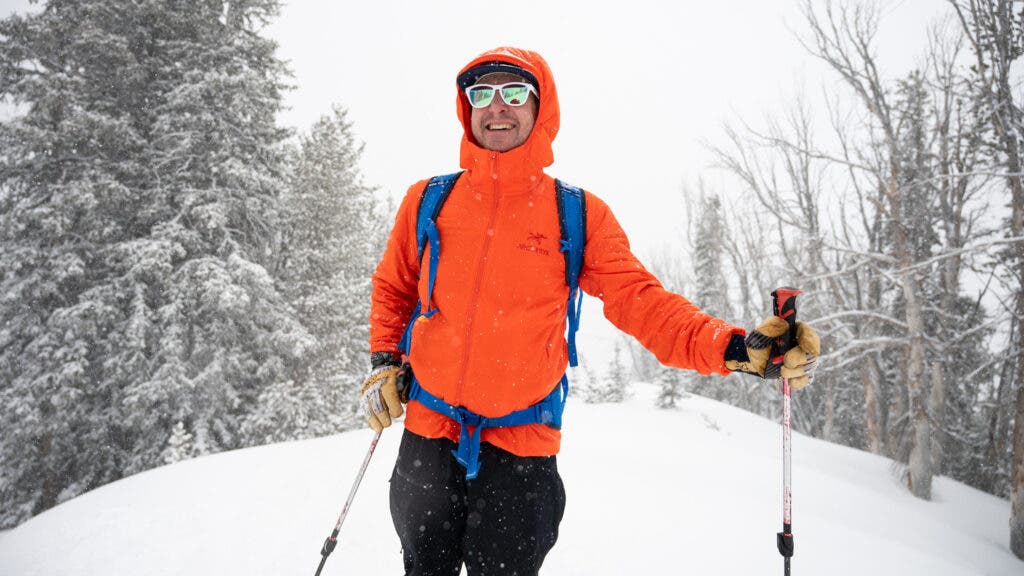
The Arc’teryx Atom Hoody has secured the "Best Overall" designation for 2026, a position it has maintained with minor iterations since its original release in 2009. Data from the test suggests that its 60-gram polyester loft provides a thermal sweet spot for most users. When worn without a shell in temperatures ranging from 15°F to 30°F, it consistently regulated user temperature during moderate exertion.
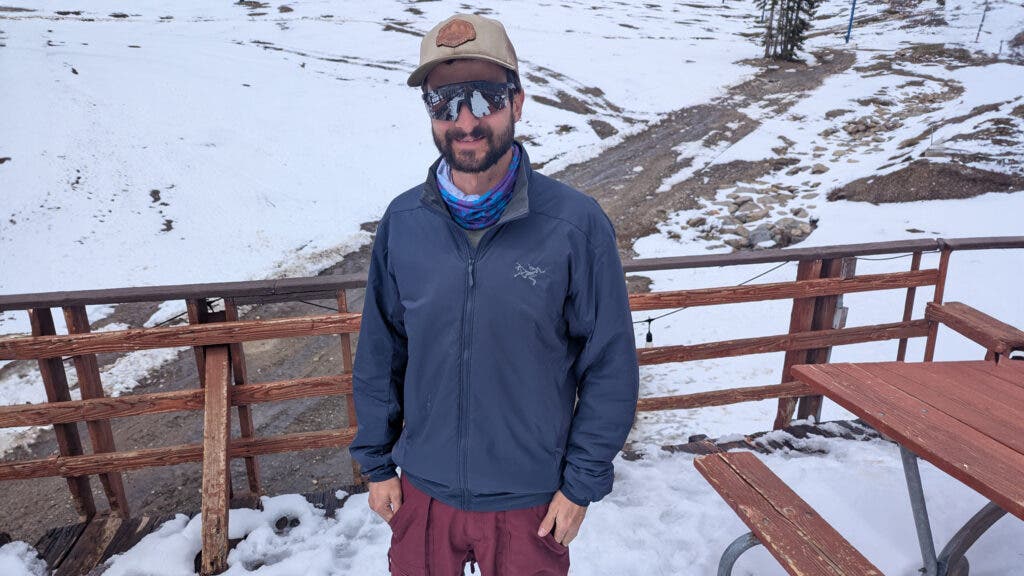
However, durability remains a significant point of differentiation in the current market. The Mountain Hardwear Kor Alloy Jacket emerged as the most durable option, utilizing a 20-denier Pertex Quantum Air shell. This selection highlights a shift in consumer demand; testers noted that previous midlayers often suffered from premature pilling or tearing when worn under heavy pack straps or during bushwhacking. The Kor Alloy’s performance in these categories suggests that consumers are increasingly willing to pay a premium for longevity in their technical gear.
For extreme cold, the Marmot WarmCube Active Novus Hoody represents a departure from traditional baffle construction. Its "featherless" synthetic insulation, designed to mimic the thermal properties of down without the associated moisture-retention issues, allows for better heat management during stop-and-go activities. The internal "air channels" in the design appear to be a key innovation for 2026, allowing for ventilation without sacrificing the loft required for sub-zero protection.
Technical Specifications and Material Science
The transition away from natural down for midlayer applications is nearly complete in the professional sphere. While down offers superior weight-to-warmth ratios, it is inherently limited by its inability to perform when damp. Consequently, the 2026 cohort is dominated by high-tech synthetics and wool-synthetic blends.
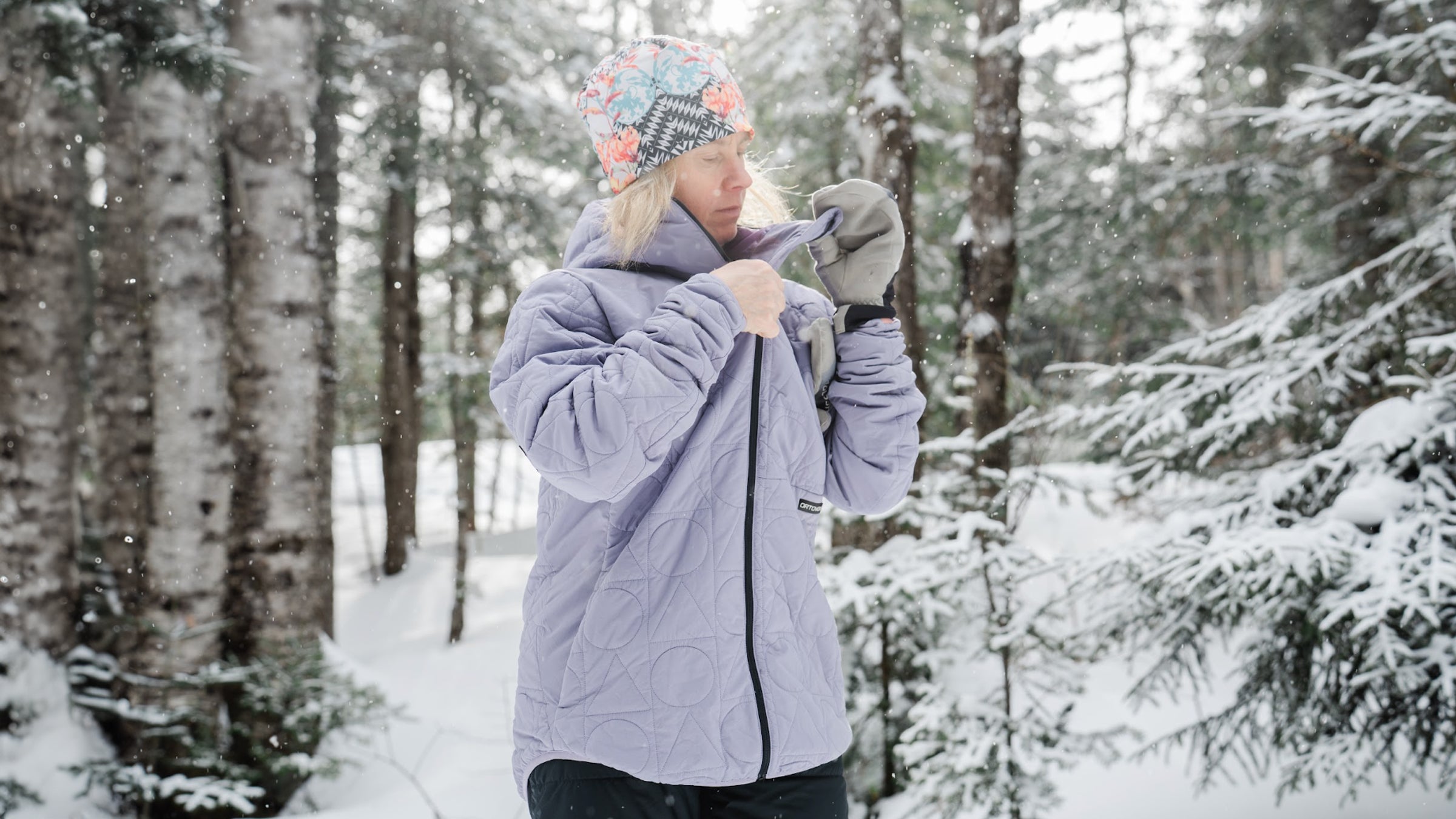
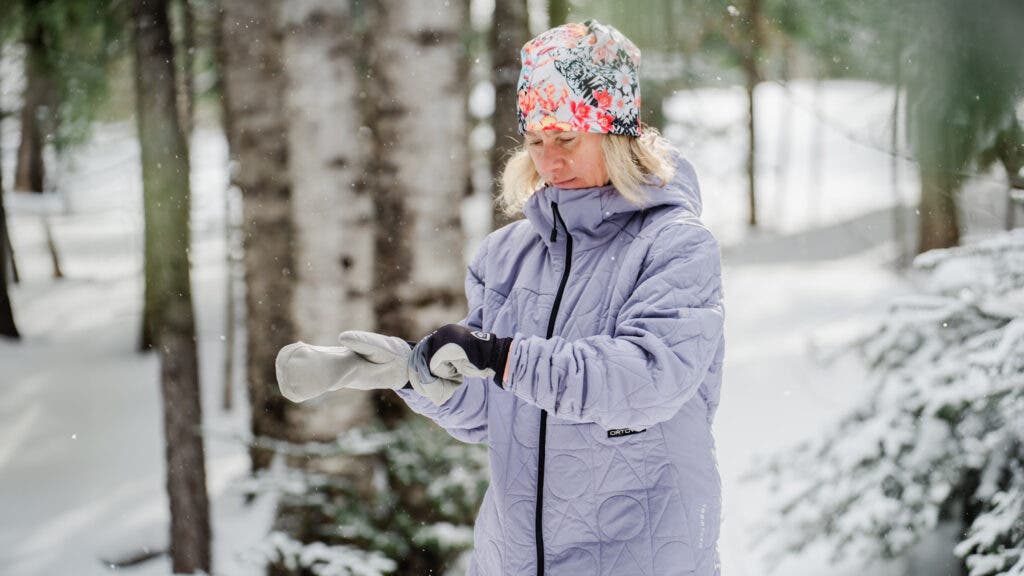
The Ortovox Ravine Metawool 90, for example, utilizes a unique blend of 80 percent Merino wool and bio-based polyester. This reflects a broader industry trend toward "bio-synthetic" materials. By shortening the supply chain—sourcing wool from the German Alps—and utilizing recycled polyamide, brands are addressing the growing consumer demand for sustainable manufacturing. Fact-based analysis of these materials suggests that while wool is naturally odor-resistant and breathable, it does retain more water than pure synthetics, making it a better choice for activities where the user can manage humidity levels, such as resort skiing or hiking.
Economic and Market Implications
The rise of the "technical midlayer" has created a distinct economic niche. Prices for these items have trended upward, largely due to the technological complexity of manufacturing fabrics that are simultaneously wind-resistant, breathable, and abrasion-proof. Market analysis indicates that consumers are moving away from budget-tier fleeces and toward specialized gear that performs multiple functions, effectively reducing the total number of items needed in a technical kit.
Retailers report that the "hybrid" category—jackets that map different materials to different parts of the body (e.g., more insulation in the chest, more fleece in the underarms)—is currently the fastest-growing segment in the outdoor apparel market. This indicates a more sophisticated consumer base that understands how to optimize their gear for specific metabolic heat zones.
Expert Insights on Selection
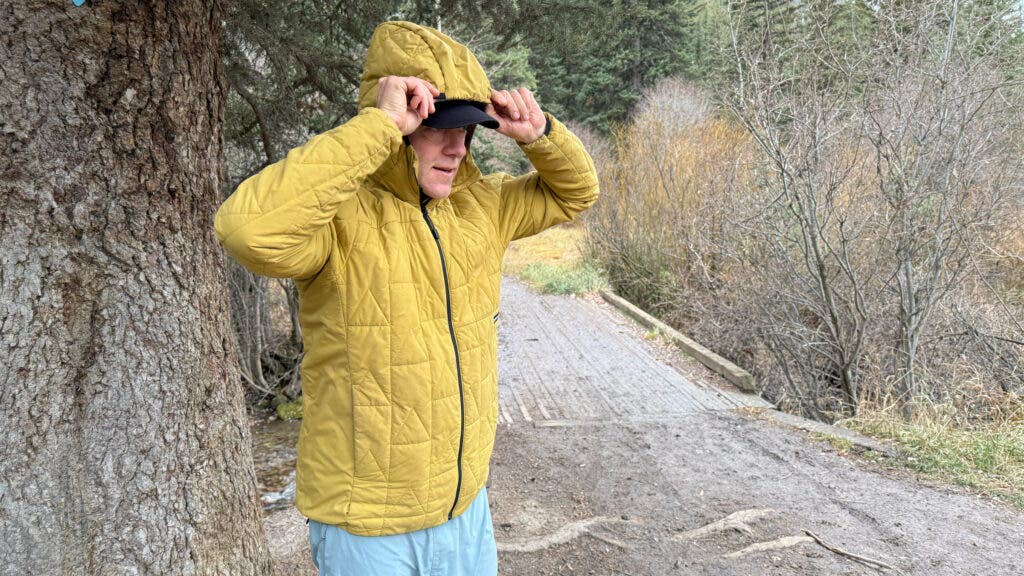
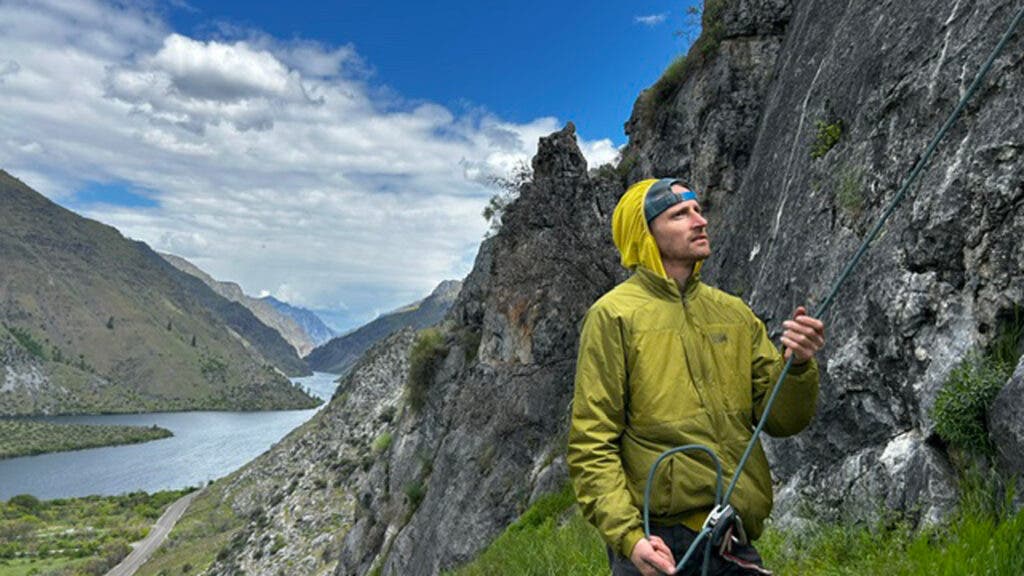
Choosing the right midlayer is no longer about finding the warmest jacket, but the most versatile one. According to the lead testers, the "Roshambo" between warmth and breathability is the most critical factor. For high-intensity activities like trail running or Nordic skiing, garments like the Stio Dawner—which acts more as a high-tech windbreaker with a thin fleece liner—are superior. Conversely, for static tasks like belaying at a rock wall, the thicker, more insulated options are preferred.
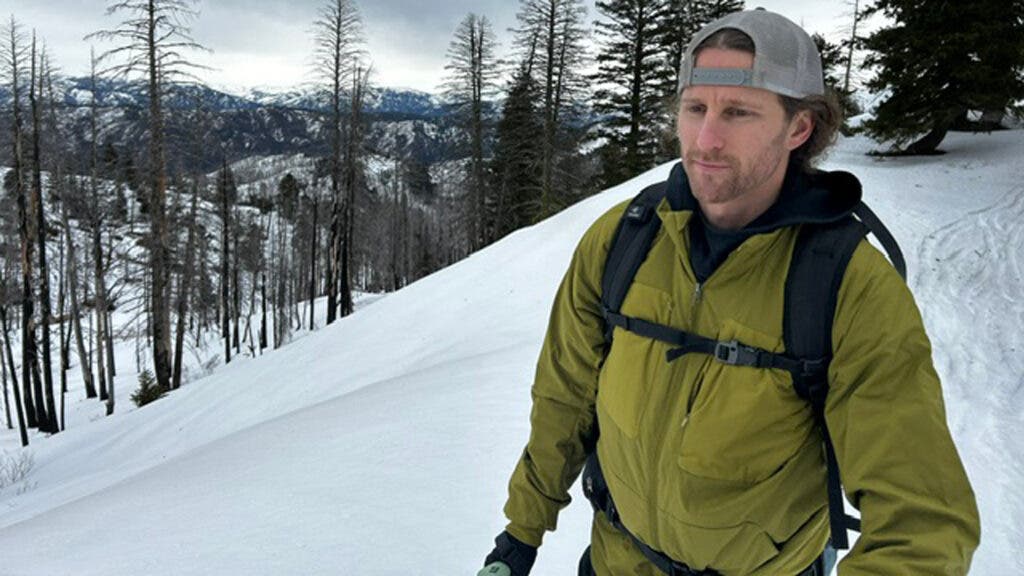
The primary takeaway from the 2026 testing cycle is the necessity of "layering adaptability." Experts advise that users should not view these jackets as static pieces of equipment. Instead, the current best practice involves carrying multiple layers to accommodate changing temperatures throughout the day. The inclusion of packable, high-efficiency layers, such as those that can fold into a pocket, is now a standard requirement for backcountry safety.
Future Outlook and Sustainability
As the industry looks toward the 2027 season, the focus is expected to remain on "circularity"—the ability to recycle or biodegrade these high-performance materials. The move toward fluorocarbon-free DWR (Durable Water Repellent) finishes, seen across the current test group, is a baseline requirement rather than an optional feature.
The integration of professional feedback into the design process has led to functional improvements, such as larger, helmet-compatible hoods and pocket placements that do not interfere with harness use. These small, user-driven design changes have a profound impact on the safety and enjoyment of outdoor activities.
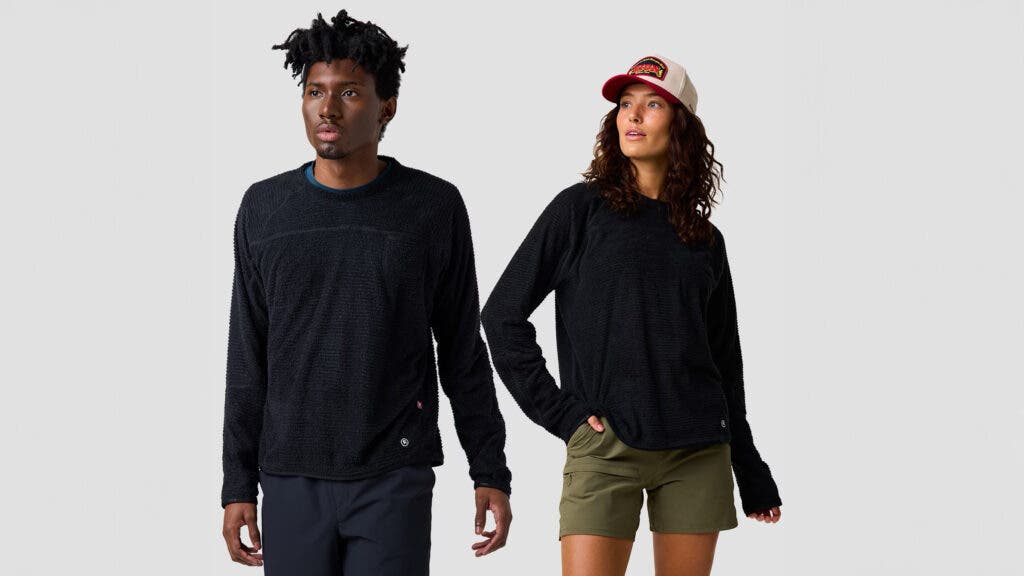
Ultimately, the 2026 midlayer market is characterized by a balance between specialized utility and broad-spectrum performance. Whether a user is climbing in Silverton, Colorado, or fat-biking in the Tetons, the current selection offers a level of thermal management that was technologically impossible only a decade ago. The investment in these high-end materials, while significant, is justified by the increase in comfort, performance, and durability that these six highlighted jackets provide to the serious winter enthusiast.