Backyard Sports: The Animated Series is Bringing Beloved Characters to the Small Screen

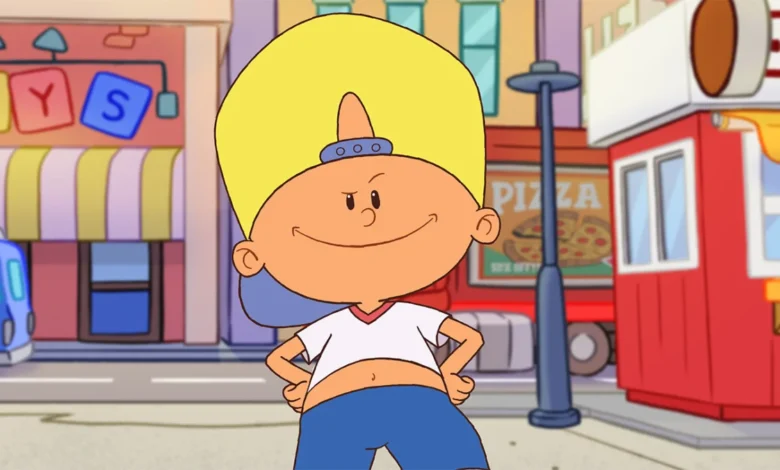
Playground Productions, a media company dedicated to children’s entertainment, has officially announced its foray into animated storytelling with the upcoming series, Backyard Sports: The Animated Series. This ambitious project breathes new life into the iconic video game franchise, Backyard Baseball, promising to reignite the nostalgia of a generation while introducing its cherished characters to a new audience. The announcement, made in conjunction with a significant presence at San Diego Comic-Con, underscores a strategic expansion of the "Backyardiverse," a term coined by Playground Productions to describe its growing multimedia universe.
The animated series will feature a star-studded voice cast, bringing the beloved personalities of the Backyard Baseball games to life. Tiffany Haddish is set to voice Kiesha Phillips, a character known for her strong hitting and strategic play. Donald Faison will embody Dante Robinson, a formidable pitcher with a knack for surprising pitches. Christopher Mintz-Plasse lends his voice to Dmitri Petrovich, the formidable, albeit sometimes intimidating, player. Arturo Castro steps into the role of the legendary Pablo Sanchez, widely considered one of the most iconic and beloved characters in the franchise’s history. The ensemble cast also includes Utkarsh Ambudkar as Achmed Khan, Deborah Baker Jr. as Kimmy Eckman, Michael Vlamis as Tony Delvecchio, Ashleigh Crystal Hairston as Sunny Day, Will Neff as Mr. Clanky, Vincent Tong as Kenny Kawaguchi, Joey Rudman as Marky Dubois, and Lindsay Barnett as Vinnie.
This extensive cast highlights Playground Productions’ commitment to capturing the diverse and memorable personalities that defined the original games. The Backyard Baseball series, which first launched in 1997, introduced over 30 original "Backyard Kids," each with unique attributes and memorable quirks. Over the years, later installments of the game expanded the roster, even incorporating kid versions of Major League Baseball superstars like Derek Jeter and Randy Johnson, further cementing the franchise’s appeal across different age groups and interests. The animated series aims to tap into this rich legacy, translating the charm and competitive spirit of the games into a compelling narrative format.
The announcement and accompanying panel at San Diego Comic-Con, titled "Backyard Sports Returns," served as a focal point for celebrating the franchise’s enduring legacy. This event took place shortly after the July 9 release of the new-generation Backyard Baseball game on Steam, signaling a multi-pronged revival effort by Playground Productions. The timing suggests a coordinated strategy to re-engage existing fans and attract new players and viewers to the Backyard universe.
A Legacy Reimagined: From Pixels to Animation
The Backyard Baseball video game franchise, developed by Humongous Entertainment and later published by Infogrames and Atari, has a storied history. The original game, released in 1997 for PC, was lauded for its accessible gameplay, charming characters, and the ability for players to create their own teams and customize players. It captured the essence of childhood summer afternoons, where impromptu games of baseball in the backyard were a rite of passage. The games were characterized by their vibrant visuals, humorous commentary, and the unique personalities of the "Backyard Kids," who possessed distinct strengths, weaknesses, and often hilarious signature moves.
The success of the original title paved the way for numerous sequels and spin-offs, including Backyard Soccer, Backyard Football, and Backyard Basketball. These games expanded the "Backyard" brand into other popular sports, consistently delivering the same blend of fun, family-friendly competition. The inclusion of professional MLB stars in later Backyard Baseball iterations was a significant draw, bridging the gap between the fantastical world of the Backyard Kids and the real-world aspirations of young athletes.
The decision to adapt Backyard Baseball into an animated series is a logical progression for a franchise that has always been driven by strong character development and engaging narratives, albeit within the confines of a sports simulation. The animated format allows for deeper exploration of the characters’ backstories, their relationships, and the humorous situations that naturally arise from their spirited competitions.
Behind the Scenes: Vision and Execution
Backyard Sports: The Animated Series is spearheaded by Playground Productions CEO Lindsay Barnett, who also serves as an executive producer. Chris Waters is taking on the role of showrunner, responsible for overseeing the creative and production aspects of the series. The writing team is led by Adam Aseraf and Sarah Nevada Smith, who are also co-executive producers, ensuring a cohesive vision for the show’s narrative.
The series is structured as a collection of 20 episodes, each approximately 11 minutes in length. This episodic format is well-suited for a younger demographic, offering digestible and engaging content that can be enjoyed in short bursts. The shorter runtime also allows for a faster pace and a focus on key plot points and character interactions within each episode.
Lindsay Barnett expressed her enthusiasm for the project, stating, "I am beyond thrilled to announce our series today. The Backyard Sports characters have inspired imaginations for generations, and their stories have always felt bigger than the game itself. As Backyard Baseball expands with the new game on Steam and soon consoles, bringing these characters into new forms of storytelling feels like a natural extension of the Backyard universe." This statement underscores the company’s strategic approach to revitalizing the franchise, viewing the animated series not as a standalone project, but as an integral part of a larger, evolving "Backyardiverse."
The term "Backyardiverse" itself signifies Playground Productions’ ambition to create a connected universe of content across various media platforms. This strategy is reminiscent of successful transmedia franchises that leverage interconnected storylines and characters to build a loyal and engaged fan base. The success of this initiative will likely depend on the quality of content produced and the ability to maintain a consistent tone and narrative across different iterations of the Backyard brand.
Broader Impact and Implications
The revival of Backyard Baseball and the launch of its animated series hold significant implications for both the entertainment industry and the gaming landscape. For the animation sector, it represents another instance of beloved video game intellectual properties being translated into visual media, a trend that has seen considerable success in recent years with adaptations like The Super Mario Bros. Movie. The strong nostalgic appeal of Backyard Baseball provides a ready-made audience, potentially easing the path to market and generating early buzz.
From a gaming perspective, the new Backyard Baseball game and the accompanying animated series aim to revitalize a dormant franchise. The success of this revival could encourage other dormant gaming IPs to explore similar multimedia strategies, potentially leading to a renaissance for classic games and characters. The expansion of the "Backyardiverse" also hints at future projects, possibly exploring other sports within the Backyard universe or developing entirely new narratives that expand the franchise’s lore.
The inclusion of a diverse voice cast also reflects a broader trend in children’s entertainment towards greater representation. The characters in Backyard Baseball have always been a diverse group, and the animated series continues this tradition, ensuring that a wide range of children can see themselves reflected on screen.
The announcement has been met with considerable anticipation from fans of the original games, many of whom have fond memories of playing Backyard Baseball during their childhoods. Social media platforms have been abuzz with excitement, with fans sharing their favorite characters and moments from the games, eager to see how these beloved figures will translate to animation. The trailer, released in conjunction with the announcement, offers a glimpse into the visual style and tone of the series, further fueling fan engagement.
A Look Ahead: The Future of the Backyardiverse
Playground Productions’ commitment to the Backyard franchise extends beyond this initial animated series. The mention of the new game’s release on Steam and upcoming console availability, coupled with the "Backyardiverse" concept, indicates a long-term strategy to build upon the brand’s legacy. The success of Backyard Sports: The Animated Series will undoubtedly be a key factor in determining the future trajectory of this expansive universe.
As the series prepares for its debut, the industry will be watching closely to see how Playground Productions navigates the challenges and opportunities of reviving a beloved gaming franchise. The potential for cross-media synergy is immense, and if executed effectively, Backyard Sports: The Animated Series could herald a new era for the Backyard brand, capturing the hearts of both nostalgic adults and a new generation of young fans. The animated series promises to deliver the same spirit of fun, friendship, and spirited competition that made the original Backyard Baseball games a timeless classic.