The landscape of modern employment has undergone a profound transformation, with remote work shifting from a niche perk to a structural standard for millions of professionals worldwide. As the distinction between professional and personal life continues to blur, the digital nomad demographic has encountered persistent logistical hurdles: the instability of short-term rental Wi-Fi, the isolation of working from solitary apartments, and the lack of ergonomic infrastructure in transit-oriented accommodation. Outsite, a global coliving and coworking network, has emerged as a primary solution to these challenges, bridging the gap between boutique hospitality and professional office environments.
The Genesis of the Coliving Movement
Founded in 2015, Outsite began as a localized venture in Santa Cruz, California, targeting surf enthusiasts who required reliable connectivity to sustain their careers while pursuing outdoor interests. The model was built on a simple premise: providing a "plug-and-play" infrastructure that allows individuals to transition seamlessly from a flight to a fully functional office environment.
This initiative arrived at a pivotal moment in global workforce trends. Data from the Bureau of Labor Statistics and various workforce studies indicate that since 2020, the percentage of remote workers has stabilized at levels significantly higher than the pre-pandemic baseline. With this shift, the demand for "work-from-anywhere" infrastructure has evolved from a convenience to a necessity. Outsite has scaled its operations to include over 50 locations globally, housing a growing community of approximately 5,000 members.
Strategic Infrastructure and Operational Design
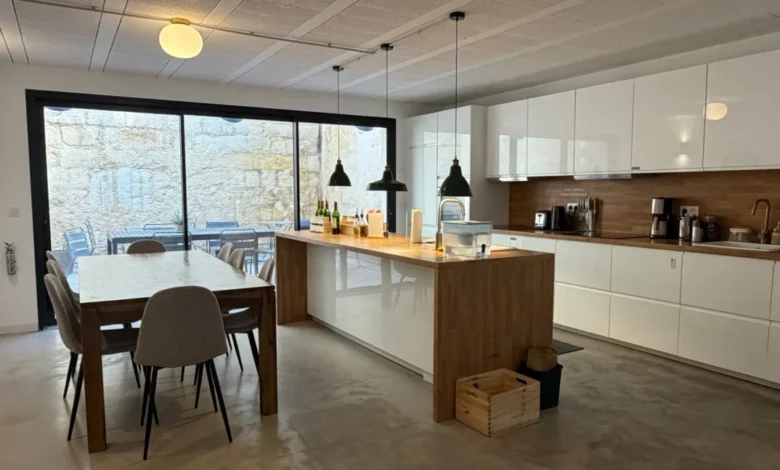
Outsite differentiates itself from standard hospitality providers through its specific focus on the "productive environment." Unlike traditional hotels, which prioritize leisure, or hostels, which prioritize budget, Outsite centers its floor plans on dedicated coworking spaces. These spaces are equipped with enterprise-grade fiber-optic internet, ergonomic furniture, and sound-dampening acoustic features.

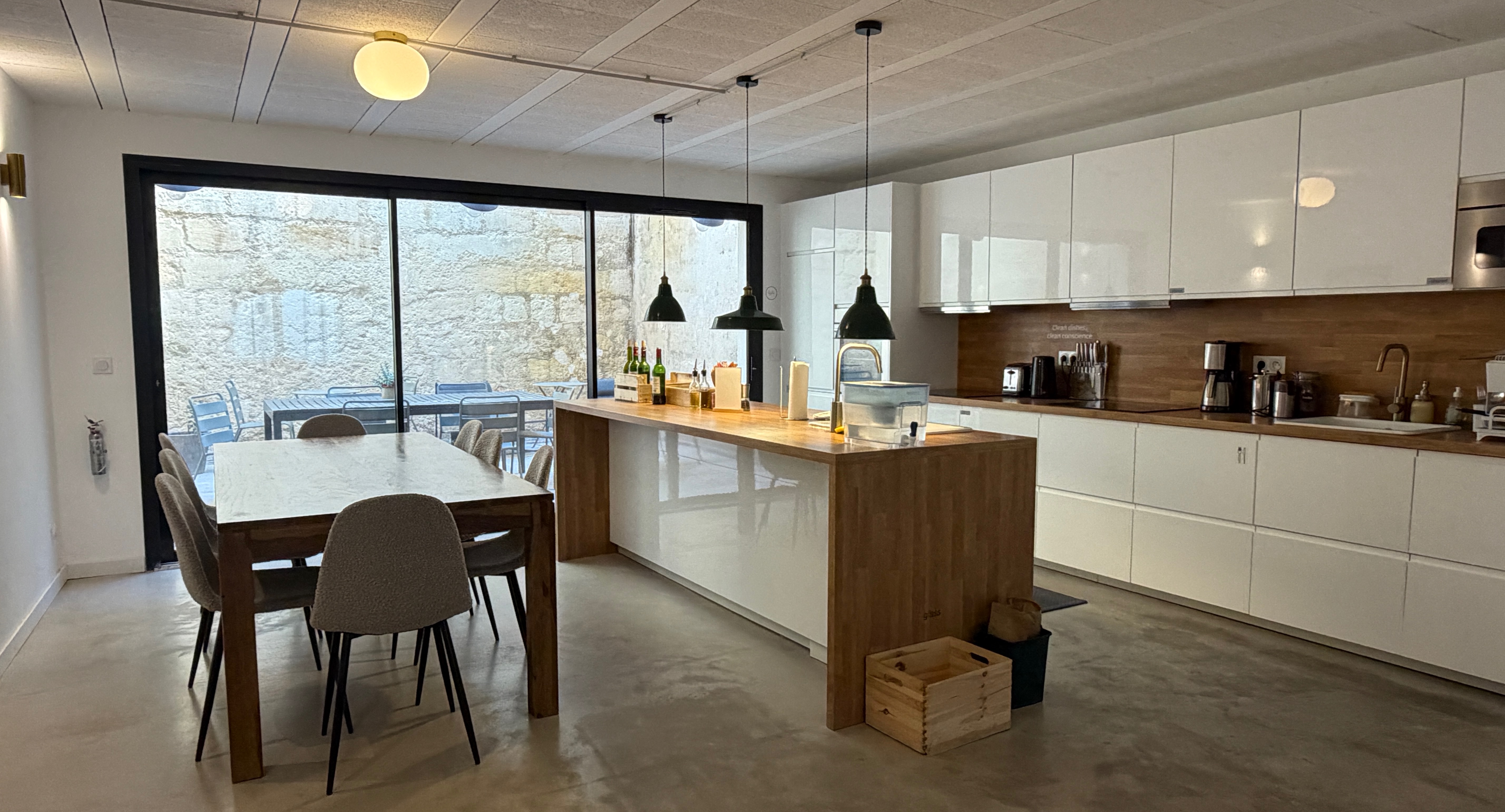
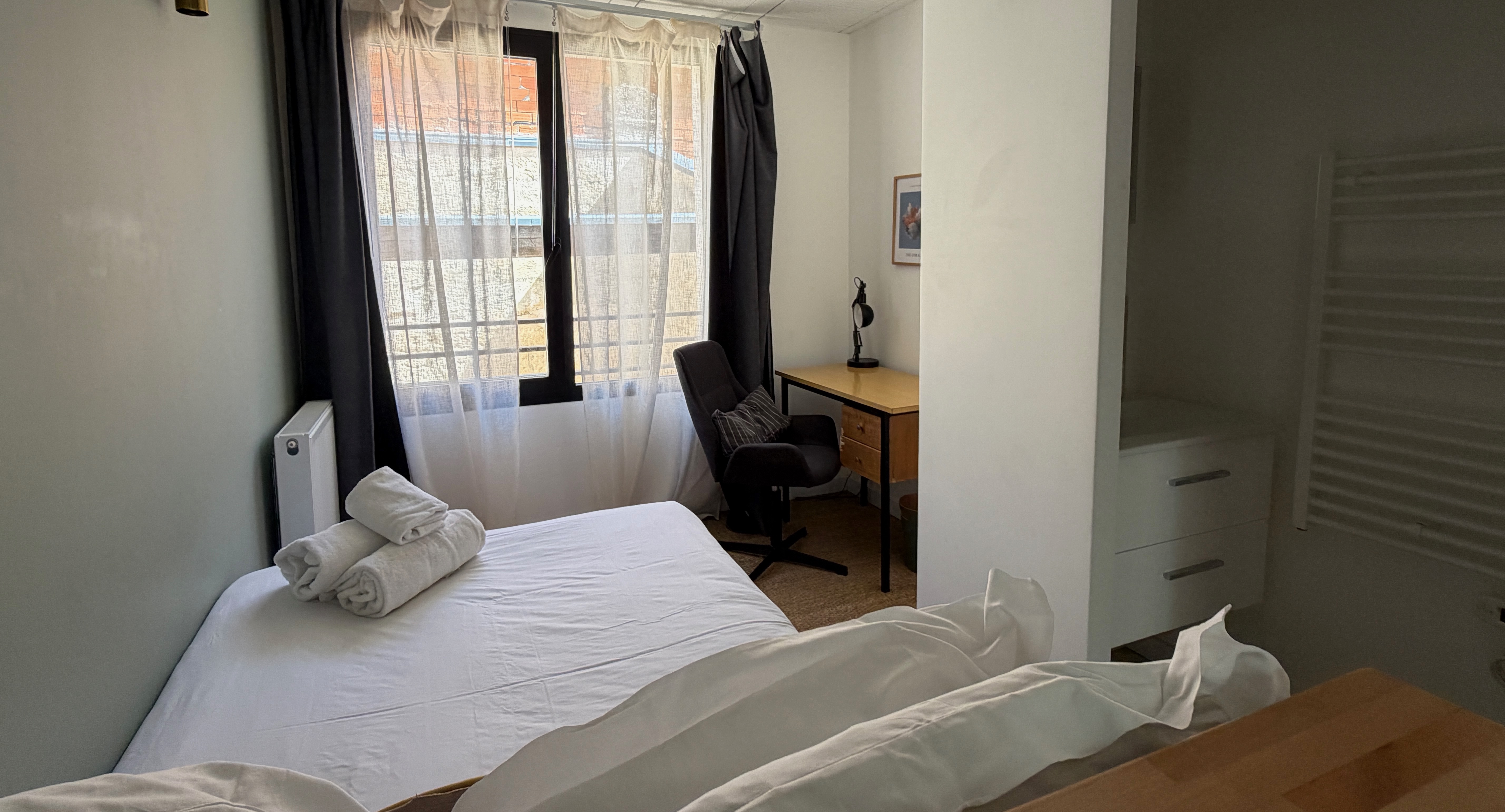
The operational architecture of these locations typically includes a mix of private en-suite bedrooms and communal living areas. The intention is to foster professional networking while maintaining privacy. A core component of this structure is the role of the Community Manager. This individual serves as the local administrator, responsible for facilitating social integration, coordinating local logistical support, and managing the property’s digital and physical ecosystem. By curating a community of vetted professionals, the platform mitigates the common complaint of professional isolation associated with long-term remote work.
Membership Models and Economic Accessibility
To balance the costs of premium amenities, Outsite utilizes a hybrid booking system. While non-members can secure nightly stays at market-reflective rates, the company offers a tiered membership structure. A $199 annual fee or a $499 lifetime membership grants users access to lower nightly rates, exclusive property access, and priority booking—a significant benefit given that high-demand locations often reach capacity months in advance.
From an economic perspective, this model offers a cost-benefit analysis that appeals to the modern traveler. By consolidating the expenses of an apartment rental, a dedicated coworking space membership, and social utility fees into a single bill, the financial burden of nomadic living becomes more predictable. For the enterprise worker or the location-independent entrepreneur, this reduces the administrative overhead associated with managing multiple service providers in a foreign market.
Chronology of Expansion and Market Integration
The expansion of the platform has followed a strategic geographic trajectory, focusing on hubs that possess both strong digital infrastructure and high cultural value. Following its initial success in California, the company moved into major urban and resort centers in Europe, Latin America, and North America.
- 2015: Launch of the first Santa Cruz location, focusing on the surf-and-work lifestyle.
- 2018–2019: Expansion into international markets, including major European tech and tourism hubs like Lisbon and Bordeaux.
- 2020–2022: Rapid adaptation to the surge in remote work demand, resulting in a significant increase in location density.
- 2023–Present: Implementation of a more robust, member-centric platform focusing on long-term residency and networking opportunities.
This growth trajectory reflects a broader maturation of the coliving sector. Where once coliving was viewed as a transient, budget-conscious choice, it is now viewed as an essential component of the corporate "work-from-anywhere" policy stack for companies allowing distributed teams.
Implications for Urban Planning and Tourism
The presence of Outsite in secondary and tertiary cities, such as Bordeaux, suggests a shift in how tourism and urban development might evolve. By attracting high-earning, long-term remote workers to these cities, the platform contributes to local economies in ways that differ from traditional tourism. These visitors are not just consuming hospitality services; they are engaging in local commerce, utilizing regional transport, and frequently extending their stays beyond the average tourist duration.
However, this trend also invites scrutiny regarding local housing markets. As international coliving platforms secure real estate in historic or high-demand neighborhoods, they become participants in the broader discussion surrounding gentrification and the impact of short-term rental platforms on housing availability for local residents. Critics and city planners have begun to analyze whether these models, while providing convenience for nomads, inadvertently place upward pressure on local rental prices.
Official Perspectives and User Experience
While public statements from the company emphasize a commitment to "community-led" growth, the reality of the user experience remains firmly rooted in professional efficiency. Feedback from members frequently highlights the reliability of the internet and the physical comfort of the workspaces as the primary drivers of satisfaction.
The demographic profile of an Outsite guest tends to skew toward mid-career professionals—typically those aged 28 to 45. This age bracket represents a cohort that has sufficient disposable income to prioritize productivity and stability over the lowest possible price point. By avoiding the typical hostel environment, which often centers on budget-conscious, younger backpackers, the platform has successfully created a niche for the "serious" remote worker.
Future Outlook and Sector Maturation
As we look toward the future of global mobility, the coliving sector is likely to see further integration with traditional corporate benefits. Some companies have already begun exploring arrangements with coliving providers to offer "workation" packages for their distributed employees, treating these spaces as satellite offices.
The challenge for platforms like Outsite will be maintaining the quality of the "community" as they scale. A core element of the experience is the curated social environment; as the number of locations increases, the company must ensure that the quality of onsite management and the vetting of guests remain consistent. If they succeed in this, they will likely continue to lead a sector that is increasingly vital to the modern global economy.
In conclusion, the rise of specialized coliving environments represents a permanent shift in how work and travel interact. By recognizing that the primary barriers to digital nomadism are logistical and psychological rather than purely financial, providers are creating a new category of real estate. Whether this model remains a luxury for the privileged few or becomes a standard for the global workforce depends on how effectively these platforms can integrate into the regulatory frameworks of the cities they occupy and continue to adapt to the evolving needs of the remote professional.