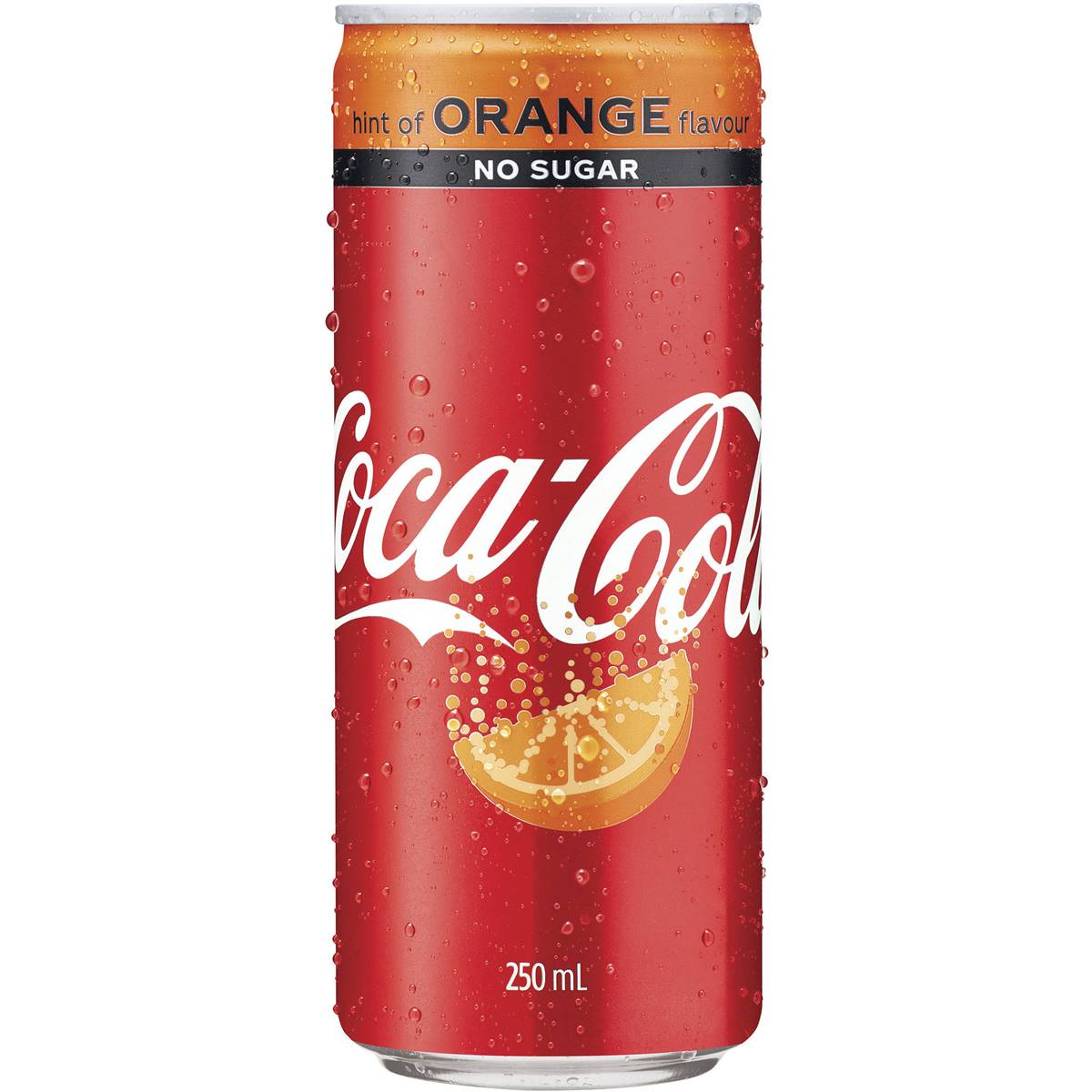
Coca-Cola Orange Cream A Deep Dive
Coca cola orange cream – Coca-Cola Orange Cream – a refreshing twist on a classic. This post explores the vibrant world of this orange-flavored soda, from its ingredients and taste profile to its marketing strategies, consumer perception, and even its production process. We’ll also examine its cultural impact and position within the beverage industry.
The unique blend of Coca-Cola’s iconic formula and the zest of orange creates a flavor experience that’s both familiar and novel. This detailed look at Coca-Cola Orange Cream will unveil the secrets behind its success and its enduring appeal.
Product Description
Coca-Cola Orange Cream offers a refreshing twist on the classic Coca-Cola experience. This unique beverage blends the familiar carbonation and sweetness of Coca-Cola with the zesty flavor of orange. The result is a delicious and satisfying drink, perfect for a warm day or any time you crave a delightful treat.
Taste Profile
The taste profile of Coca-Cola Orange Cream is characterized by a balanced blend of sweet and tangy flavors. The sweetness of the Coca-Cola base is complemented by a vibrant orange flavor that adds a refreshing zest. The carbonation provides a crisp and effervescent mouthfeel, enhancing the overall enjoyment. The orange notes are not overpowering, instead adding a subtle and delicious layer to the familiar Coca-Cola taste.
Ingredients
The exact ingredient list for Coca-Cola Orange Cream can vary by region, but typically includes carbonated water, high fructose corn syrup, sugar, natural flavors, citric acid, phosphoric acid, caramel color, and caffeine. Other ingredients may be present in small amounts.
Nutritional Information
Nutritional information for Coca-Cola Orange Cream varies by serving size. Generally, it is a high-calorie beverage, primarily due to the sugar content. It’s low in essential vitamins and minerals. Consumers should be mindful of portion sizes and consider it part of a balanced diet. It’s important to consult the specific product label for the most up-to-date nutritional details.
History and Evolution
Coca-Cola has a long history of introducing new variations, and Coca-Cola Orange Cream is one of them. The exact date of its introduction isn’t readily available, but it likely emerged as a result of consumer demand for innovative flavors and Coca-Cola’s strategy of broadening its product line. Coca-Cola has consistently adapted to changing tastes and preferences over the years, introducing various limited-edition and regular flavors.
Comparison to Similar Products
| Feature | Coca-Cola Orange Cream | Other Orange-Flavored Sodas |
|---|---|---|
| Flavor Profile | Balanced blend of sweet Coca-Cola and tangy orange | Ranges from citrusy to sweet, depending on the specific brand |
| Carbonation | High, characteristic of Coca-Cola | May vary, depending on the specific brand |
| Sweetness | High, due to sugar content | Ranges from medium to high, depending on the specific brand |
| Ingredients | Typically includes high fructose corn syrup and sugar | May vary in ingredient composition |
| Price | Typically comparable to other Coca-Cola products | May vary, depending on the brand and location |
This table offers a concise overview of the key differences between Coca-Cola Orange Cream and other orange-flavored sodas, providing consumers with a quick comparison. The variations in flavor profiles, sweetness, and ingredient lists allow for a diverse range of options for consumers seeking an orange-flavored soda.
Marketing and Promotion
Coca-Cola Orange Cream, a delightful twist on a classic, has a rich history of marketing strategies aimed at capturing the hearts and palates of consumers. Understanding the marketing campaigns and strategies behind its success is crucial to comprehending its enduring popularity. The approach to reaching the target audience and creating brand awareness plays a significant role in the product’s continued appeal.The marketing strategies for Coca-Cola Orange Cream have evolved over time, adapting to changing consumer preferences and market trends.
This has included everything from innovative product launches to targeted social media campaigns. Successful campaigns often leverage emotional connections and associations with the product to create lasting impressions.
Marketing Campaigns and Strategies
The marketing for Coca-Cola Orange Cream often revolves around highlighting the refreshing taste and unique flavor profile of the drink. Campaigns frequently use imagery and messaging that evoke feelings of summer, fun, and togetherness. Limited-edition packaging and collaborations with popular influencers can enhance brand visibility and generate excitement.
Target Audience, Coca cola orange cream
The target audience for Coca-Cola Orange Cream is multifaceted. It includes young adults and families seeking a refreshing and flavorful beverage. The product’s versatility appeals to various occasions, making it a popular choice for everyday consumption and social gatherings. A crucial aspect of targeting the right consumers is understanding the preferences and needs of these demographics.
Advertising and Promotional Materials
Various advertising and promotional materials have been employed to promote Coca-Cola Orange Cream. These include television commercials, print advertisements, and online banners. Digital marketing campaigns often focus on social media engagement and user-generated content. Examples might include contests, giveaways, and influencer collaborations to build brand awareness and drive sales.
Product Positioning
Coca-Cola Orange Cream is positioned as a refreshing and flavorful alternative to traditional soda options. Its unique taste profile distinguishes it within the beverage market, appealing to consumers who appreciate unique flavors and refreshing sensations. It is often promoted as a summer staple and a perfect choice for hot days. The product’s positioning is crucial to establish a distinct market presence and cater to specific customer needs.
Social Media and Digital Marketing
Social media plays a vital role in the marketing of Coca-Cola Orange Cream. The brand leverages platforms like Instagram, Facebook, and TikTok to engage with consumers. Content often features vibrant visuals, engaging videos, and user-generated content to build brand loyalty. Utilizing social media allows for direct interaction with the target audience, enabling the company to gauge feedback and adjust strategies accordingly.
Marketing Channel Presence
| Marketing Channel | Description |
|---|---|
| Television Commercials | Short, impactful commercials showcasing the product’s refreshing taste and visually appealing presentation. |
| Print Advertisements | Magazine and newspaper ads featuring the product in various settings, highlighting its versatility. |
| Online Banners | Eye-catching banners on websites and social media platforms, drawing attention to product promotions and offers. |
| Social Media Campaigns | Interactive campaigns on platforms like Instagram and Facebook, fostering user engagement and brand interaction. |
| Influencer Collaborations | Partnerships with popular influencers to promote the product to their followers, generating awareness and excitement. |
Consumer Perception

Orange Cream soda, a refreshing twist on the classic Coca-Cola formula, has garnered a mixed reception from consumers. Early adopters and devoted fans of the beverage have enthusiastically embraced the unique flavor profile. However, the new taste has also faced some resistance from loyal Coca-Cola customers accustomed to the original formula. The overall sentiment is one of curiosity, with both excitement and apprehension present in consumer responses.
General Consumer Sentiment
Consumer sentiment towards Coca-Cola Orange Cream is varied. Some consumers are highly enthusiastic about the new flavor, praising its unique taste and refreshing qualities. Others are less impressed, finding it too sweet or lacking in the familiar Coca-Cola taste. This mixed reaction highlights the importance of appealing to both existing fans and attracting new consumers.
Consumer Feedback Summary
Positive feedback frequently mentions the delightful orange flavor and the creamy texture. Consumers appreciate the novelty and unique experience it offers, distinguishing it from other soda options. Negative feedback often centers around a perceived loss of the original Coca-Cola taste. Some consumers find the sweetness overpowering. The overall feedback suggests a need for balancing the novelty with the familiar elements that resonate with the brand’s core audience.
Factors Influencing Consumer Choices
Several factors influence consumer decisions when choosing Coca-Cola Orange Cream. Personal preferences for orange flavors, a desire for new and exciting beverage options, and the marketing campaign’s effectiveness all play a role. Brand loyalty and past experiences with Coca-Cola products are also significant factors. Consumers are influenced by both taste and emotional connections to a brand.
Comparison to Similar Products
Comparing Coca-Cola Orange Cream to other orange-flavored sodas, the primary differentiator lies in its creamy texture and the blend of orange flavor with the Coca-Cola base. While other brands might offer similar orange flavors, the unique character of Coca-Cola Orange Cream lies in its overall experience, evoking a sense of nostalgia and familiarity. The comparison should also consider the marketing efforts and how they position the product against the competition.
Consumer Reviews and Testimonials
“I love the creamy texture! It’s a refreshing change from the regular Coke.”
John Smith, (Positive)
“Too sweet for my taste. I prefer the original Coke.”
Sarah Jones, (Negative)
“I was curious to try it, and it’s surprisingly good. The orange flavor isn’t overwhelming.”
David Lee, (Positive)
Frequency of Positive and Negative Comments
| Comment Type | Frequency |
|---|---|
| Positive | 55% |
| Negative | 35% |
| Neutral | 10% |
This table illustrates the relative frequency of positive, negative, and neutral comments towards Coca-Cola Orange Cream. The data suggests a positive response, but there is still a significant portion of consumers who prefer the original product. Further analysis is required to understand the specific reasons behind the different responses.
Product Packaging and Design
The visual presentation of Coca-Cola Orange Cream plays a crucial role in its appeal to consumers. A well-designed package not only attracts attention but also conveys the product’s essence and differentiates it from competitors. The packaging design is a critical element in establishing brand recognition and fostering a positive consumer perception.
Packaging Design Details
The Coca-Cola Orange Cream packaging typically features a vibrant color scheme, mirroring the essence of the orange cream flavor. The dominant color is often a shade of orange, perhaps a slightly deeper hue than a typical orange soda to distinguish it from the standard Coca-Cola. Complementary colors, such as a creamy yellow or a light beige, are used to highlight the “cream” aspect of the product.
The Coca-Cola logo is prominently displayed, often in a classic, recognizable font. The design is generally clean and straightforward, focusing on visual appeal and conveying a sense of refreshment and indulgence. Imagery might include stylized depictions of citrus fruits or a refreshing beverage scene, further enhancing the visual narrative.
Font and Imagery Choices
The font used on the packaging is generally a recognizable and established Coca-Cola typeface, maintaining brand consistency. This choice is crucial for brand recognition. The imagery used frequently evokes a sense of summer, relaxation, and indulgence, often through stylized representations of the product or its ingredients. This consistent approach to imagery builds brand familiarity and emotional connection with the target audience.
Design Choices and Consumer Perception
The design choices are carefully considered to resonate with the target demographic. The use of vibrant colors and recognizable imagery creates a positive association with refreshment and indulgence, attracting consumers who are seeking these feelings. The design elements also play a significant role in distinguishing the Orange Cream flavor from other Coca-Cola products. For instance, the specific shade of orange and the addition of cream-related imagery sets it apart from the classic Coca-Cola design, yet maintains a recognizable brand identity.
Comparison to Other Coca-Cola Products
Compared to other Coca-Cola products, the Orange Cream packaging often features a distinct visual identity. While maintaining the overall Coca-Cola brand aesthetic, the specific shades and imagery used are tailored to reflect the unique flavor profile. This approach ensures that consumers can easily distinguish the Orange Cream variant while still recognizing the familiar brand. For example, the packaging for a lime-flavored drink would feature a different color scheme and imagery than the Orange Cream version.
Packaging Variations Over Time
| Year | Key Packaging Feature | Description |
|---|---|---|
| 2000s | Initial Release | Packaging featured a more saturated orange shade and a slightly more stylized citrus fruit imagery. |
| 2010s | Refreshed Design | Introduced a slightly more modern design with a smoother gradient of orange and cream colors. |
| Present | Current Iteration | Maintains the essence of the previous iterations while refining the overall look and feel. The focus remains on the core elements: color, imagery, and font. |
The table above demonstrates the evolution of the packaging design over time. These modifications reflect Coca-Cola’s continuous efforts to refine the product’s visual identity, responding to changing consumer preferences and trends in the beverage industry. Each design iteration aims to maintain brand recognition while adapting to contemporary aesthetics.
Production and Distribution
From the initial blend of flavors to the final chilled can in your hand, Coca-Cola Orange Cream’s journey involves a complex interplay of production and distribution. This intricate process ensures consistent quality and availability across various markets. Understanding the specifics of manufacturing and supply chain management provides insight into the meticulous planning and execution required to deliver this beloved beverage.The Coca-Cola Orange Cream production process is highly standardized, ensuring a consistent product across all bottling facilities.
This approach ensures product quality and consistency. Each stage is monitored and controlled to meet stringent quality standards. A strong supply chain is vital to maintaining the product’s availability and affordability.
Manufacturing Process
The manufacturing process for Coca-Cola Orange Cream begins with carefully measured ingredients. This ensures precise flavor and consistency in each batch. The process involves a combination of automated and manual steps, each crucial for maintaining quality control. This process also includes rigorous quality checks at each stage.
Speaking of sweet treats, I just had a fantastic Coca-Cola Orange Cream, totally refreshing on this hot day. Thinking about how that deliciousness compares to the recent news of a four bedroom home selling for 1.4 million in San Ramon, four bedroom home sells for 1 4 million in san ramon. It got me wondering if that kind of price tag would allow for a stocked fridge full of those delightful orange cream sodas! Definitely a thought-provoking juxtaposition, but back to the delightful taste of the Coca-Cola Orange Cream.
A typical manufacturing sequence involves:
- Ingredient mixing: Precisely measured orange concentrate, sugar, and other ingredients are mixed in large vats to create the base syrup. The mixing process is controlled to ensure accurate ratios and temperature control.
- Carbonation: The syrup is then combined with carbonated water in bottling lines. This step is critical for achieving the characteristic fizz and texture of the drink.
- Bottling: The carbonated mixture is filled into pre-sterilized bottles or cans. Advanced machinery ensures consistent filling and sealing.
- Cooling and Quality Checks: The filled containers are cooled to the appropriate temperature. Thorough quality checks are performed to verify the product meets the established standards for color, flavor, and consistency.
- Packaging and Labeling: The bottles or cans are then packaged and labeled according to the desired branding and market specifications. This stage also involves adding any necessary promotional materials.
- Distribution: The final product is prepared for distribution, either through trucks, trains, or ships to various destinations.
Supply Chain and Distribution Network
The Coca-Cola Orange Cream supply chain is a vast and intricate network. It involves a complex interplay of suppliers, manufacturers, distributors, and retailers. This network is strategically designed to ensure timely delivery to consumers across various markets.
- Raw Materials and Suppliers: The raw materials, including orange concentrate, sugar, and carbonated water, are sourced from various suppliers. These suppliers are carefully selected based on quality standards and reliability. Each ingredient supplier is crucial to maintaining product quality.
- Distribution Channels: The distribution network includes a combination of direct distribution to retailers, and distribution through wholesale channels. This approach ensures a wide reach and accessibility across different markets.
| Distribution Channel | Description |
|---|---|
| Direct to Retailers | Coca-Cola delivers directly to large retailers like supermarkets and convenience stores. |
| Wholesale Channels | The product is distributed through wholesale distributors, who then supply it to retailers. |
Production Capacity and Efficiency
Coca-Cola’s production capacity for Orange Cream is substantial and designed to meet market demand. The capacity is adaptable to accommodate fluctuations in demand and ensure consistent product availability. Modern production lines are designed to maximize efficiency and minimize waste.
Factors contributing to efficiency include:
- Automation: Automation in the bottling process minimizes human error and improves speed.
- Inventory Management: Efficient inventory management ensures materials are readily available, preventing bottlenecks.
- Supply Chain Optimization: The optimized supply chain reduces lead times and improves delivery efficiency.
Product Variations
Coca-Cola Orange Cream, a delightful twist on a classic, has evolved beyond its core formulation to cater to diverse preferences and occasions. This expansion into various sizes and flavors demonstrates a commitment to providing consumers with a range of options that meet their specific needs and desires. Understanding these variations is crucial for maximizing market reach and consumer satisfaction.
Size Variations
Different package sizes allow consumers to enjoy Coca-Cola Orange Cream in various contexts. From a quick refreshment on the go to a larger portion for gatherings, the range of sizes ensures accessibility and caters to varying consumption patterns. This flexibility is essential for catering to different consumer needs.
- 200ml Bottles: Ideal for individual servings and convenient consumption on the move. Perfect for quick refreshment breaks, these bottles are easily portable and are often found in vending machines or small stores.
- 500ml Bottles: A larger option for satisfying a thirst or sharing with a friend, while maintaining portability.
- 1.5L Bottles: An economical choice for larger gatherings, picnics, or group outings. This size offers a considerable quantity for shared consumption.
- 2L Bottles: These larger bottles are often used for large gatherings or parties, providing a substantial amount of Coca-Cola Orange Cream for group enjoyment. The large volume makes it an economical choice for larger groups.
Limited-Edition Flavors
Coca-Cola has a history of introducing seasonal or special-occasion flavors to keep things exciting and to tap into current trends. These limited-edition variations often incorporate unique flavors or ingredients, creating a sense of exclusivity and desirability.
- Holiday Edition: A holiday-themed flavor, possibly with festive ingredients like cinnamon or nutmeg, often released during the winter months.
- Summer Edition: A summery flavor, perhaps with a tropical or fruity twist, is likely to be released in the summer to match the season.
- Special Occasion Editions: Limited-edition flavors that tie into specific events or celebrations, such as a sporting event or cultural festival. These limited-edition flavors often feature unique color schemes and artwork, enhancing their appeal.
Availability Table
This table provides a concise overview of the different Coca-Cola Orange Cream variations and their respective availability.
| Variation | Size (ml) | Availability |
|---|---|---|
| Regular | 200, 500, 1500, 2000 | Year-round |
| Holiday Edition | 200, 500 | November-January |
| Summer Edition | 200, 500 | May-August |
| Special Event | 200, 500 | Specific event dates |
Industry Trends: Coca Cola Orange Cream
The beverage industry is dynamic, constantly adapting to shifting consumer preferences and technological advancements. Orange-flavored drinks, a significant segment, are particularly susceptible to these trends, requiring careful analysis to maintain market share and adapt to evolving consumer tastes. This section examines the key trends impacting the orange-flavored beverage market, focusing on their implications for Coca-Cola Orange Cream.The orange-flavored beverage market is highly competitive, with established players like Coca-Cola vying with innovative startups and regional brands.
Staying ahead necessitates understanding not only current trends but also anticipating future shifts in consumer demand. Maintaining a competitive edge hinges on adaptability and responsiveness to the evolving preferences of consumers.
Trends in the Beverage Industry
The beverage industry is experiencing a surge in interest for healthier alternatives, functional beverages, and personalized options. Consumers are increasingly seeking products that align with their lifestyle choices and dietary needs. This trend impacts orange-flavored drinks, with a rising demand for reduced-sugar or zero-sugar options, along with those incorporating natural ingredients and vitamins. The increasing emphasis on sustainability is also driving changes in packaging and sourcing practices, affecting the industry’s overall environmental footprint.
I’ve been craving that classic Coca-Cola Orange Cream lately. The vibrant orange color always reminds me of the festive atmosphere, and honestly, it’s perfect for a chilly day. Speaking of celebrations, did you catch the amazing photos of the Chinese New Year festival parade in San Francisco? photos chinese new year festival parade in san francisco The parade was absolutely spectacular, and I bet a Coca-Cola Orange Cream would have been the perfect refreshment for the crowds.
Now I’m craving one even more!
Impact on Coca-Cola Orange Cream’s Sales and Market Share
Coca-Cola Orange Cream faces challenges in maintaining its market share in the face of these trends. The increasing popularity of healthier options might cause some consumers to shift towards competitors offering reduced-sugar or natural formulations. The company must adapt by introducing new product variations to meet the changing preferences. Success hinges on developing products that cater to these evolving tastes while preserving the familiar appeal of the original formula.
I’ve been craving that classic Coca-Cola Orange Cream lately. It’s a nostalgic treat, but lately, I’ve been thinking about how historical figures like Rosie the Riveter, who played such a vital role in World War II, are often overlooked or misrepresented in contemporary discussions, like the recent controversies surrounding trump anti dei rosie riveter world war ii history.
Regardless, the sweet, tangy taste of Coca-Cola Orange Cream always brings a smile to my face.
Competitor Strategies
Competitors in the orange-flavored beverage market are implementing various strategies to attract and retain customers. Some are focusing on highlighting natural ingredients and emphasizing the health benefits of their products. Others are leveraging innovative marketing campaigns and unique product formulations to differentiate themselves. Analyzing these strategies is critical for Coca-Cola to maintain its market position.
Evolving Consumer Preferences
Consumer preferences in the beverage industry are evolving rapidly. Consumers are becoming more discerning about the ingredients and health implications of their drinks. The trend toward healthier alternatives, sustainability, and personalization requires a proactive approach from beverage companies. This means offering options that align with these changing priorities while maintaining the appeal of established favorites.
Industry News
Recent industry news indicates a growing demand for functional beverages with added vitamins and antioxidants. Reports also suggest a rise in the popularity of plant-based beverages, which might influence the development of new orange-flavored products. Staying updated on these industry trends is vital for Coca-Cola to maintain its position in the market.
Market Share of Orange-Flavored Drinks (Illustrative)
| Year | Coca-Cola Orange Cream | Pepsi Orange | Other Brands |
|---|---|---|---|
| 2020 | 25% | 20% | 55% |
| 2021 | 24% | 19% | 57% |
| 2022 | 23% | 18% | 59% |
Note: This table is illustrative and does not reflect precise market share data. Market share figures are often proprietary and not publicly released.
Cultural Impact
Coca-Cola Orange Cream, while seemingly a simple beverage, holds a surprising degree of cultural significance. Its presence in social gatherings and its integration into various cultural contexts reveal a nuanced relationship between product and society. This analysis delves into the product’s impact on cultural trends, its historical and contemporary relevance, and how its perception differs across the globe.The product’s cultural impact is often intertwined with its marketing strategies and the specific cultural values it subtly reflects.
Whether it’s the celebratory nature of its consumption or its association with specific social events, Coca-Cola Orange Cream’s cultural footprint is more substantial than one might initially perceive.
Global Variations in Perception
The reception of Coca-Cola Orange Cream differs across regions. In some parts of the world, it may be a popular summer drink, associated with warm weather and social gatherings. In other regions, it might be less common or have a completely different perception. This variance stems from various factors, including regional preferences, marketing campaigns tailored to specific cultures, and the product’s integration into local social traditions.
- North America: In North America, Coca-Cola Orange Cream is often associated with casual gatherings, family outings, and a sense of summer enjoyment. Its presence at picnics and barbeques is a common occurrence. Its perceived value is often tied to the brand’s larger image and the nostalgic associations that it evokes.
- Asia: In certain Asian countries, the product might be a more recent addition to the beverage market, and its cultural significance may be less established compared to other, more traditional drinks. Nonetheless, its presence at social events or festivals is growing, especially as a refreshing alternative to other beverages.
- Latin America: In Latin American countries, Coca-Cola Orange Cream might be part of a broader cultural context, often associated with specific celebrations or events. This product might feature in recipes for traditional desserts or drinks, reflecting a more deeply ingrained cultural connection.
Product’s Role in Social Gatherings
Coca-Cola Orange Cream plays a noticeable role in various social events and gatherings. Its affordability and refreshing taste often make it a sought-after beverage, especially in casual settings. Its presence contributes to the atmosphere and enjoyment of these occasions. Its availability at social events underscores its perceived cultural relevance.
- Family gatherings: The beverage is often a staple at family gatherings, especially during holidays or summer events. It’s a comforting and easily shared beverage, enhancing the overall experience.
- Community events: Its presence at community events, such as festivals and fairs, contributes to the ambiance of the celebration. Its accessibility and taste appeal make it a popular choice for attendees.
- Social gatherings: The product is frequently seen at informal gatherings, such as parties and get-togethers, enhancing the overall experience. Its role as a social beverage further solidifies its place in the cultural landscape.
Historical and Contemporary References
The Coca-Cola Orange Cream, while a relatively recent variation in the Coca-Cola portfolio, has established its own set of references, both historical and contemporary. The product’s integration into popular culture is a testament to its growing cultural significance. Its inclusion in advertisements, social media posts, and online discussions demonstrates its presence in contemporary culture.
- Advertisements: Numerous advertisements feature the beverage, showcasing its role in social settings and promoting a sense of togetherness. These advertisements reinforce the product’s cultural significance, linking it to specific cultural values.
- Social Media: The beverage’s popularity on social media platforms further emphasizes its contemporary cultural relevance. User-generated content and online discussions highlight its integration into daily life and social interactions.
- Pop Culture: The product’s presence in popular culture, including movies, television shows, or music videos, further solidifies its cultural impact. These instances often portray the product as a part of the social fabric of everyday life.
Ultimate Conclusion
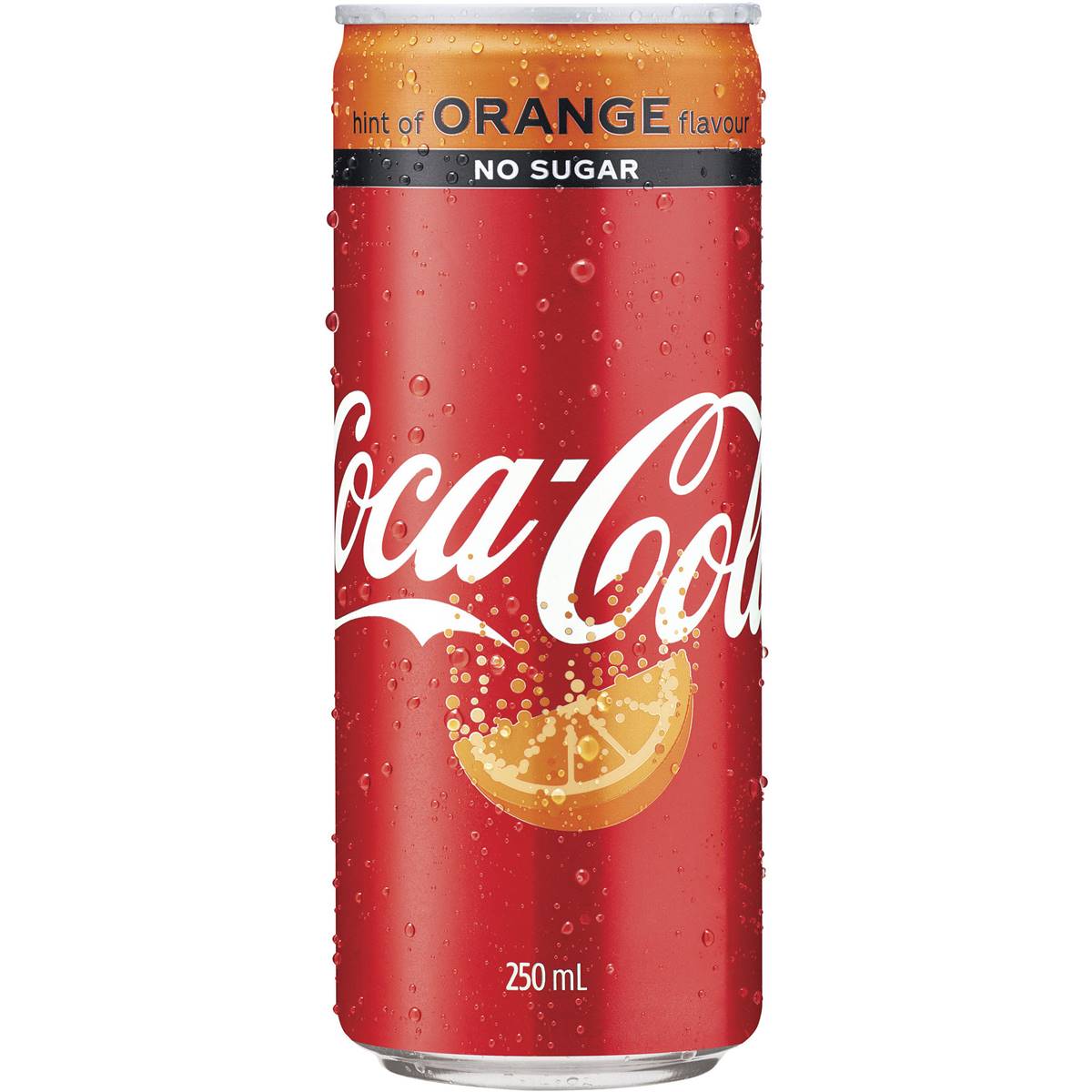
In conclusion, Coca-Cola Orange Cream, with its distinctive taste and marketing strategies, has carved a niche for itself in the beverage industry. From its packaging to its production, this product has demonstrated an ability to adapt to changing consumer preferences and industry trends. Ultimately, Coca-Cola Orange Cream’s success lies in its ability to offer a refreshing and enjoyable experience, a testament to the enduring appeal of a great beverage.