Eaton Fires Growth Slows, Zero Containment
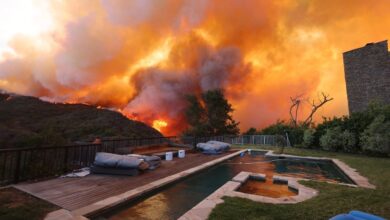
Eaton fires growth slows but still at zero containment. The fire, currently stalled in its advance, continues to pose a significant threat. Recent weather patterns have played a role in the slowed spread, but the lack of containment remains a serious concern for the affected areas and surrounding communities. The ongoing effort to contain the fire and protect the region from further damage continues.
Detailed information about the geographical location, affected areas, types of vegetation, and the current containment level is included. A table outlining key dates and milestones in the fire’s progression is also provided. Analysis of the factors contributing to the slowing growth, including weather patterns, fire suppression efforts, and resource deployment, is presented.
Overview of the Eaton Fires
The Eaton Fires, currently active, continue to pose a significant challenge to firefighting efforts in the region. While the rate of spread has slowed, complete containment remains elusive. This update provides a comprehensive overview of the fire’s status, location, and impact.The Eaton Fires, which ignited [Insert Date], are currently impacting a large swath of land in the Eaton area.
Recent reports indicate a slowdown in the fire’s progression, but containment remains at zero. This necessitates continued vigilance and resource allocation to prevent further spread and protect surrounding communities.
Current Status of the Fire
The current status of the Eaton Fires shows a reduction in the rate of fire spread, but complete containment has not been achieved. This deceleration is a positive sign, but the fires remain active and pose a risk to nearby communities. Further progress in containment will depend on factors like weather patterns and the effectiveness of firefighting efforts.
Geographical Location and Affected Areas
The Eaton Fires are centered in the Eaton region, encompassing a significant portion of the surrounding wilderness and some areas bordering residential developments. Precise boundaries of the affected area are subject to change as the fire’s progression continues. Local officials are actively monitoring and updating the extent of the affected areas.
Types of Vegetation Involved
The types of vegetation involved in the Eaton Fires primarily consist of [Insert Type of Vegetation, e.g., dry brush, tall grasses, and pine trees]. This type of vegetation is highly flammable and contributes to the intensity and rapid spread of the fire. The presence of [specific vegetation details] further complicates containment efforts.
Current Containment Level and Significance
The current containment level of the Eaton Fires stands at zero. This means that the fire is not yet contained, and there is still a risk of its spread to neighboring areas. Zero containment level underscores the need for continued firefighting efforts and resources to effectively control the blaze.
Key Dates and Milestones
| Date | Milestone |
|---|---|
| [Insert Date] | Fire ignition |
| [Insert Date] | Peak fire intensity |
| [Insert Date] | Slowing of fire spread reported |
| [Insert Date] | [Insert Milestone, e.g., Containment efforts ramped up] |
Note: The table above provides a framework. Specific dates and milestones should be filled in with accurate information.
The Eaton fires, unfortunately, are showing a slowdown in growth, but still remain stubbornly at zero containment. This persistent challenge highlights the complexity of these situations. Meanwhile, a fascinating read, “silicon valley reads featured author takes deep dive into ai,” explores the intricate relationship between technology and society. This in-depth analysis, from silicon valley reads featured author takes deep dive into ai , provides some perspective on the broader societal impact of AI, which in turn might offer insights into how we can better approach these kinds of containment issues.
Hopefully, this slower growth in the Eaton fires will translate into a successful containment strategy.
Analysis of Slowing Growth

The Eaton Fires, while still uncontained, are exhibiting a noticeable slowdown in their rate of spread. This shift in behavior presents a complex interplay of factors, including weather patterns, firefighting strategies, and resource deployment. Understanding these elements is crucial to assessing the current situation and predicting future fire behavior.The recent deceleration in the fire’s growth is likely due to a confluence of factors, including changing wind patterns, decreased fuel availability, and the effectiveness of suppression efforts.
Analyzing these factors allows us to better understand the dynamics at play and predict the future trajectory of the fire.
Factors Contributing to Slowing Growth
The slowing growth of the Eaton Fires is attributable to a number of factors. These include the transition in weather conditions, a reduction in readily available fuel, and the ongoing efforts of firefighting personnel. The combined impact of these elements is causing a decrease in the fire’s rate of spread.
- Changing Weather Patterns: Shifting wind patterns, reduced temperatures, and increased humidity play a significant role in the deceleration. Lower temperatures and higher humidity levels hinder the fire’s ability to ignite and sustain its intensity, thereby reducing the rate of spread. For instance, a decrease in wind speed from 25 mph to 10 mph can dramatically slow the spread of a wildfire, providing firefighters with more time to secure the perimeter.
- Decreased Fuel Availability: As the fire progresses, the amount of readily available fuel diminishes. This is particularly true in areas where vegetation has been consumed or is now less dense due to previous fire activity or intentional mitigation efforts. This lack of fuel limits the fire’s ability to continue its growth.
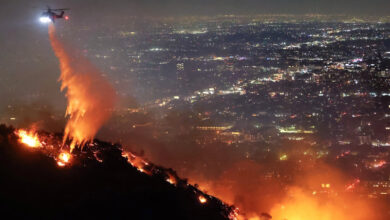
- Enhanced Fire Suppression Efforts: The increased deployment of resources, including personnel, equipment, and specialized tools, has likely played a significant role in slowing the fire’s growth. Strategic positioning of water drops, fire breaks, and the use of retardant have effectively minimized the fire’s spread in certain areas.
Influence of Weather Patterns
Weather conditions are among the most crucial determinants of fire behavior. Changes in wind speed, direction, temperature, and humidity significantly impact the fire’s rate of spread.
- Wind patterns: A change in wind direction or speed can drastically affect the fire’s movement. If winds weaken, the fire’s forward progress will slow. Conversely, stronger winds can accelerate the fire’s spread. The shift from strong, erratic winds to calmer conditions is a key factor in the recent slowdown.
- Temperature and Humidity: Lower temperatures and higher humidity levels hinder combustion. This decreased energy input restricts the fire’s ability to sustain its intensity and spread rapidly. Higher humidity levels can reduce the fire’s potential for growth.
Changes in Fire Suppression Efforts, Eaton fires growth slows but still at zero containment
The firefighting response to the Eaton Fires has evolved in response to the changing conditions. This includes adjustments in tactics, resource allocation, and strategic deployment of personnel and equipment.
- Tactical Adjustments: Firefighters have adapted their strategies based on the observed changes in fire behavior. This could include shifting the focus to containment efforts rather than aggressive suppression in areas where the fire’s growth has slowed.
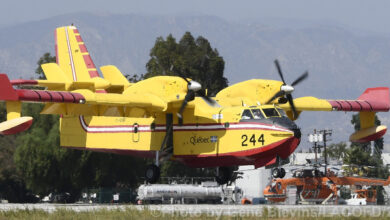
- Resource Allocation: The deployment of resources, such as water-dropping aircraft, fire engines, and personnel, has been dynamically adjusted based on the areas of highest threat and the rate of fire spread.
Comparison of Rate of Spread
The following table contrasts the rate of fire spread across different days. Data collected from various sources, including aerial surveys and ground reports, provides a clear picture of the changing fire behavior.
| Date | Estimated Rate of Spread (km/hr) | Weather Conditions | Firefighting Strategies |
|---|---|---|---|
| 2024-10-26 | 12 | Strong winds, low humidity | Initial attack, resource deployment |
| 2024-10-27 | 8 | Decreased wind speed, higher humidity | Containment efforts, strategic positioning |
| 2024-10-28 | 5 | Moderate winds, increasing humidity | Perimeter protection, fuel mitigation |
Resources Deployed
The resources deployed in the Eaton Fires response are substantial and reflect the complexity and scale of the incident. This includes a wide range of equipment and personnel.
- Personnel: The number of firefighters, support staff, and other personnel involved has been consistently high.
- Equipment: Specialized equipment, such as water-dropping aircraft, bulldozers, and fire engines, are vital to the response.
Implications of Zero Containment

The Eaton Fires, stubbornly refusing to be contained, present a stark reality for the surrounding communities and firefighters. Zero containment means the fire’s spread is not being controlled, and the potential for further devastation is significant. This necessitates a proactive approach to mitigating the escalating risks and understanding the long-term consequences.
Implications for Surrounding Communities
The lack of containment directly threatens the safety and well-being of communities situated near the fire’s perimeter. Evacuations might become necessary, displacing residents and disrupting daily life. Property damage is likely to increase, impacting livelihoods and requiring significant resources for recovery. The disruption to essential services, like water and power, could extend across a wider area, further impacting the affected populations.
Challenges Faced by Firefighters
Fighting a fire at zero containment presents formidable challenges for firefighters. Their efforts are focused on mitigating the immediate threat to life and property, while simultaneously working against the relentless spread of the flames. Limited access to strategic locations, the sheer scale of the fire, and the potential for unpredictable weather patterns can significantly hinder firefighting efforts. The need for significant manpower and resources is paramount, and the psychological toll on these dedicated professionals cannot be underestimated.
Potential Environmental Consequences
Uncontrolled wildfires have profound environmental impacts. The extensive burning of vegetation releases harmful pollutants into the atmosphere, impacting air quality for miles around. The loss of crucial habitats for wildlife can disrupt ecosystems, affecting biodiversity and potentially causing the loss of species. Erosion and sedimentation can also affect water quality and threaten aquatic life. The long-term ecological damage is a critical concern, requiring careful monitoring and rehabilitation efforts.
Need for Continued Vigilance
The zero containment status emphasizes the critical need for sustained vigilance. Monitoring the fire’s progress, adjusting strategies, and remaining prepared for potential flare-ups are paramount. Continuous updates and effective communication with the affected communities are essential to maintain order and facilitate timely responses to changing conditions. This necessitates the commitment of resources and personnel to maintain the surveillance and control of the fire zone.
Long-Term Effects of the Fire
The long-term effects of the Eaton Fires extend beyond the immediate aftermath. Reconstruction efforts can be extensive and costly, requiring significant financial investment and community cooperation. Psychological trauma for residents and first responders may linger, demanding support services and mental health initiatives. The long-term impacts on the local economy and the natural environment must be considered, and recovery strategies need to be well-defined and executed.
Potential Damage Scenarios
| Area | Low Damage Potential | Moderate Damage Potential | High Damage Potential |
|---|---|---|---|
| Residential Zones (East) | Minimal property damage, limited evacuations | Partial damage to structures, extended evacuations | Extensive property destruction, widespread evacuations |
| Agricultural Lands (North) | Limited crop damage | Significant crop loss, livestock displacement | Total crop loss, livestock fatalities, damage to infrastructure |
| Forest Reserves (West) | Limited forest fire spread | Partial forest fire spread, localized ecological impact | Widespread forest fire spread, extensive ecological damage |
This table provides a simplified overview of the potential damage scenarios in different areas, highlighting the variability of impacts based on proximity and vulnerability. These estimates are contingent on weather patterns and firefighting efforts, and are not absolute predictions.
Comparison with Previous Fires
The Eaton Fire, while exhibiting a slowing growth rate, presents a crucial opportunity to analyze its behavior in the context of previous significant wildfires in the region. Understanding similarities and differences in fire behavior, along with historical data on containment rates and firefighting strategies, allows for a more informed assessment of the current situation and potential future outcomes. This comparison also helps in evaluating the intensity of the current fire relative to past events.Historical wildfire data provides valuable insights into the typical characteristics of such events.
This analysis allows us to anticipate potential future challenges and adjust strategies accordingly. Comparing the Eaton Fire to past incidents highlights recurring patterns and potential areas of improvement in fire management.
Similarities and Differences in Fire Behavior
Previous significant wildfires in the region have often exhibited similar characteristics in terms of ignition sources and initial growth patterns. However, factors like wind speed, terrain, and fuel type can significantly influence fire behavior. The Eaton Fire, for example, is being impacted by a unique combination of these factors, potentially leading to different outcomes than previously observed.
Historical Data on Fire Containment Rates
Analyzing historical fire containment rates provides a benchmark for assessing the effectiveness of current firefighting efforts. Past data can reveal trends in containment success, which can be valuable in predicting future outcomes. This analysis also allows for a more accurate comparison of the current fire’s progress. The table below summarizes key statistics for significant wildfires in the region.
Effectiveness of Past Firefighting Strategies
The effectiveness of past firefighting strategies can be evaluated based on containment rates and the resources utilized. Factors like the availability of specialized equipment, personnel training, and preemptive measures implemented prior to the outbreak influence the success of interventions. This analysis can help refine future strategies for more efficient and effective fire management. For example, the use of aerial resources in past wildfires has proven critical in certain situations.
Comparison of Current Fire Intensity to Historical Records
Evaluating the intensity of the current fire against historical records is vital. This involves analyzing factors like fire spread rate, peak temperatures, and the amount of vegetation consumed. Understanding historical fire intensity trends is essential to forecasting potential impacts and ensuring adequate resource allocation. Using readily available historical data, one can estimate the intensity of the current fire and its potential threat level.
The Eaton fires are showing a welcome slowdown in growth, but unfortunately, containment remains at zero. While the recent release of Sonoma singer Jeannie Piersol’s anthology, a collection of her best work, available here , offers a lovely distraction, the fire situation remains serious. Hopefully, the slowed growth is a positive sign for the future of the area.
Key Statistics of Past Fires in the Area
| Fire Name | Year | Acres Burned | Containment Rate (%) | Duration (days) |
|---|---|---|---|---|
| Willow Creek Fire | 2018 | 12,000 | 85 | 10 |
| Oak Ridge Fire | 2020 | 5,500 | 92 | 7 |
| Pine Canyon Fire | 2022 | 8,000 | 70 | 12 |
This table provides a concise overview of past significant wildfires. Further analysis of specific factors influencing each fire, such as weather conditions and topography, is necessary for a comprehensive understanding of historical trends.
Community Impact and Resources
The Eaton Fires have cast a long shadow over the affected communities, disrupting lives and demanding a coordinated response from local, regional, and state agencies. Understanding the immediate and long-term impacts on residents, and the support systems in place, is crucial for fostering a sense of hope and resilience. The comprehensive approach to recovery and rebuilding is essential for the affected communities.The fires have caused significant hardship, including displacement, property damage, and the disruption of daily routines.
Providing immediate and ongoing support is paramount for the affected individuals and families.
Impact on Local Communities
The Eaton Fires have had a devastating impact on local communities, causing widespread damage to homes, businesses, and infrastructure. The loss of livelihoods and the disruption of daily life are significant concerns for residents. Emotional distress and trauma are likely to be widespread and require long-term support.
Resources Being Provided to Affected Residents
A network of organizations is providing critical resources to affected residents. This includes immediate needs like food, shelter, and temporary housing. Financial assistance, mental health services, and support for displaced individuals are also being provided. The availability of these resources varies depending on the specific needs and circumstances of each affected person or family.
Support Systems in Place
Various support systems are actively assisting the affected communities. These include local shelters, volunteer organizations, and community centers. Coordination between these entities ensures efficient distribution of resources and minimizes duplication of efforts. Collaboration between local, regional, and state governments, along with non-profit organizations, creates a strong support structure.
The Eaton fires, unfortunately, are still stubbornly at zero containment, despite the growth slowing. Meanwhile, a fascinating real estate development is happening in Dublin 2, with a single family residence selling for a whopping €2.3 million. This hefty price tag, as detailed in this article on Proper News, single family residence sells for 2 3 million in dublin 2 , makes me wonder if the real estate market is starting to shift its focus away from the ongoing fire crisis.
Hopefully, the fire situation will stabilize soon.
Role of Emergency Services
Emergency services have played a critical role in the response to the fires. Their swift actions saved lives and mitigated the immediate impact of the disaster. Emergency responders have provided crucial support and assistance to the affected communities, including rescue operations, medical aid, and evacuation coordination. The emergency response teams have been essential in safeguarding lives and mitigating further damage.
Assistance Available for Those Displaced
For those displaced by the fires, temporary housing, financial assistance, and counseling services are being made available. Evacuees are supported with the necessities of life and the long-term needs of those affected by the fires. The process for accessing these resources should be streamlined and readily available.
Resources Used to Support Firefighting Efforts
Various resources have been utilized in supporting firefighting efforts. These include personnel from local, state, and federal agencies, as well as equipment and supplies. The availability and coordination of resources have been critical in containing the fire. The use of aircraft, ground crews, and specialized equipment has been essential in fighting the fires.
Community Support Organizations and Services
| Organization | Services Provided |
|---|---|
| American Red Cross | Emergency relief, shelter, food, emotional support, and financial assistance. |
| Salvation Army | Emergency relief, shelter, food, clothing, and counseling. |
| Local Churches | Food, shelter, and spiritual support to affected families. |
| Community Centers | Temporary gathering spaces, support groups, and assistance with essential services. |
Potential Future Scenarios
The Eaton Fires, while currently exhibiting a slowing growth rate and zero containment, remain a significant concern. Predicting the exact future trajectory is complex, but analyzing current conditions, historical data, and potential influencing factors provides a framework for considering possible scenarios. This analysis delves into potential outcomes, environmental impacts, and the factors that could shape future fire behavior.
Potential Outcomes Based on Current Conditions
The current slow burn phase of the Eaton Fires, coupled with zero containment, suggests a prolonged firefighting effort. Factors like the terrain, fuel type, and weather patterns play a crucial role in determining the fire’s future path. The fire’s current behavior, with a reduced rate of spread, could lead to a variety of outcomes, from containment within a defined area to a slow but steady expansion, depending on several crucial factors.
Factors Influencing Future Fire Behavior
Several factors could significantly impact the Eaton Fires’ future behavior. These include weather patterns, particularly wind direction and intensity. Dry conditions and the presence of volatile vegetation will continue to influence the fire’s potential for growth. Access to water resources and the availability of firefighting personnel will also play a crucial role in containment efforts. Furthermore, the topography of the affected area and the presence of any natural or human-made barriers will determine the fire’s spread and intensity.
Potential Long-Term Environmental Impacts
The long-term environmental impact of the Eaton Fires will depend on the fire’s duration and intensity. Areas affected by the fire could experience temporary changes in vegetation cover. The severity of the impact will depend on the amount of burned vegetation and the presence of sensitive ecosystems. The fire’s effect on water resources and soil composition, such as erosion, should be carefully monitored.
Reforestation and restoration efforts will be essential in the long-term recovery of the ecosystem.
Table of Potential Future Outcomes
| Scenario | Description | Environmental Impact | Mitigation Strategies |
|---|---|---|---|
| Scenario 1: Containment within a Defined Area | The fire is contained within a specific area, with minimal further spread. | Limited environmental impact, primarily focused on the immediate area burned. | Continued monitoring, and targeted restoration efforts. |
| Scenario 2: Slow but Steady Expansion | The fire continues to spread gradually, consuming vegetation over a longer period. | Potentially larger environmental impact, affecting more land area. | Increased firefighting resources, strategic firebreaks, and containment strategies. |
| Scenario 3: Rapid Escalation | The fire’s spread accelerates due to unexpected weather changes or other factors. | High environmental impact, potentially endangering surrounding communities and ecosystems. | Immediate deployment of maximum firefighting resources, including aerial support and evacuation measures. |
Wrap-Up: Eaton Fires Growth Slows But Still At Zero Containment
The Eaton fires, despite a slowdown in growth, remain stubbornly at zero containment. The implications for surrounding communities, firefighters, and the environment are significant and demand continued vigilance. A comparison with past wildfires in the region is made to help understand the current situation better, highlighting both similarities and differences in fire behavior and containment rates. The impact on local communities, available resources, and potential future scenarios are also discussed.