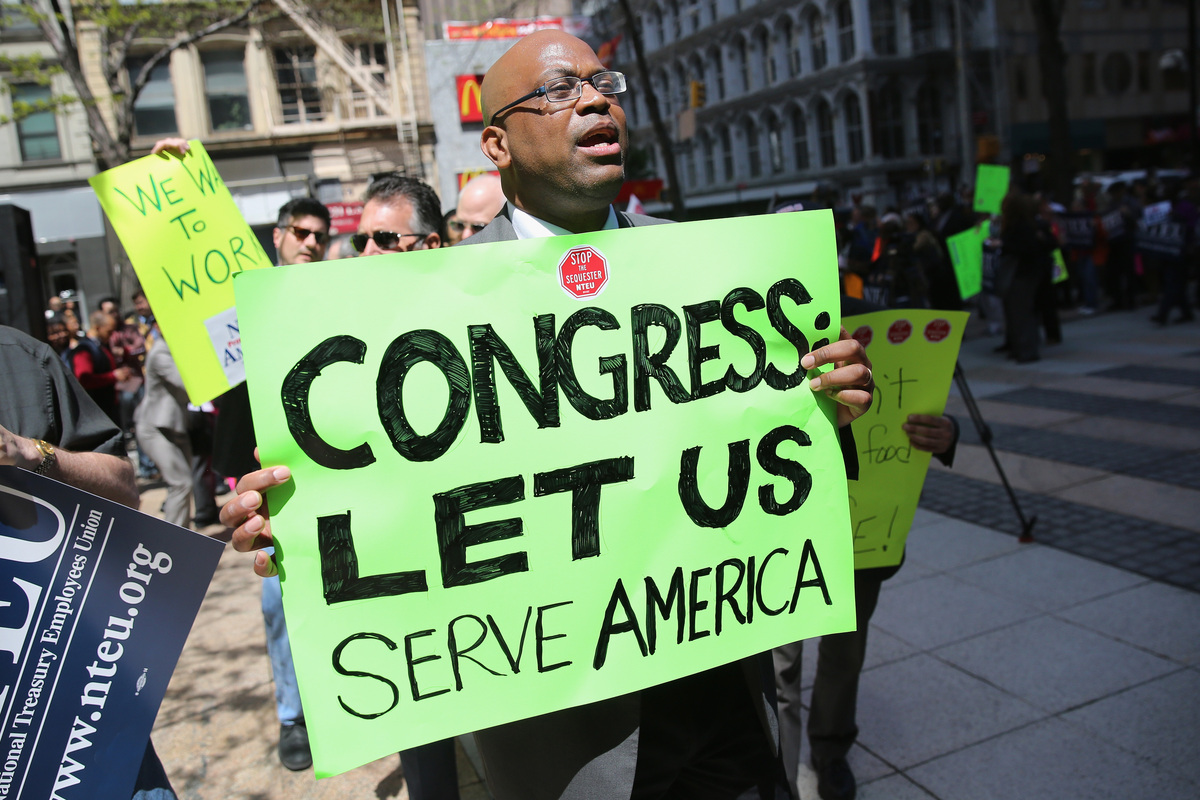
Fired Federal Worker Crueltys Point?
Fired federal worker i feel like cruelty is the point – Fired federal worker, I feel like cruelty is the point sets the stage for this compelling narrative, offering a deep dive into a story brimming with personal detail and original perspective. This phrase encapsulates the profound sense of injustice and perceived malicious intent surrounding a dismissal. The question arises: was this simply a bureaucratic decision, or was there something more sinister at play?
We’ll explore the motivations, implications, and potential solutions to this critical issue.
The dismissal of a federal worker is often a complex situation with multiple perspectives. The worker may feel wronged, the government may see it as a justified action, and the public may wonder about the fairness and transparency of the process. This post will analyze these diverse viewpoints, examining the potential motivations behind such actions, and the impact on both the individual and the larger societal trust.
Contextual Understanding of the Phrase
The phrase “fired federal worker, I feel like cruelty is the point” encapsulates a deep sense of injustice and perceived malice. It speaks to the worker’s profound belief that their dismissal wasn’t simply a bureaucratic decision, but a deliberate act of cruelty intended to inflict pain and suffering. This sentiment carries significant emotional weight and invites various interpretations depending on the perspective of the observer.
Key Emotions and Sentiments
The phrase expresses a range of negative emotions, including anger, frustration, betrayal, and a sense of powerlessness. The worker feels targeted and victimized, likely feeling dehumanized by the process. The addition of “cruelty is the point” intensifies the emotional impact, suggesting a deliberate intention to cause harm beyond the mere act of termination. The worker believes their dismissal was not just a consequence of performance issues or policy changes, but a deliberate act of cruelty.
Feeling like a discarded piece of paper after getting fired from the federal government – it just feels so… callous. Imagine the chaos of a fast moving wind driven hurst fire forces evacuations in sylmar here. The sheer scale of the destruction and the human cost involved makes you wonder if the same heartless indifference is at play in my own situation.
It’s a stark reminder that sometimes, cruelty is just the point.
Different Interpretations
Understanding the phrase requires considering various perspectives. From the worker’s perspective, the dismissal feels like a deliberate attempt to inflict pain, possibly stemming from a personal conflict or political motivations. From the government’s perspective, the dismissal might be viewed as a necessary disciplinary action or a consequence of following established procedures. A bystander might interpret the situation as a complex issue with possible underlying motivations, such as political maneuvering or an attempt to create a specific impression.
Potential Underlying Motivations
Several potential motivations behind the perceived cruelty could exist. These include: personal conflicts between the worker and superiors, political motivations (e.g., retribution or attempting to silence dissent), or a desire to send a message to other employees or the public. The perceived cruelty could also stem from systemic issues within the federal government, where bureaucratic processes might unintentionally contribute to feelings of injustice.
Organizational Analysis
| Perspective | Interpretation | Evidence |
|---|---|---|
| Worker | The dismissal is a deliberate act of cruelty designed to harm them personally. | Statements about personal conflict, feelings of betrayal, and the belief that the process was deliberately harsh. |
| Government | The dismissal was a necessary disciplinary action or a consequence of established policies. | Internal documents or policies that justify the termination. |
| Bystander | The situation is complex, possibly stemming from personal conflicts or broader political motivations. | Public statements, media coverage, or available information about the worker and the government agency. |
Potential Motivations and Implications: Fired Federal Worker I Feel Like Cruelty Is The Point
The dismissal of a federal worker, particularly in a seemingly arbitrary manner, raises concerns about fairness and the proper functioning of government agencies. Beyond the immediate impact on the individual, such actions can have ripple effects on public trust and the efficiency of public service. Understanding the potential motivations behind these firings and their broader consequences is crucial for maintaining transparency and accountability.This analysis explores possible motivations for such dismissals, ranging from legitimate performance issues to politically motivated actions.
It also details the potential implications for the dismissed worker and the public, and compares these situations to similar instances of federal worker dismissals. Finally, it examines the potential legal ramifications and ethical considerations involved.
Possible Motivations for Dismissal
Federal workers are subject to various regulations and performance standards. A legitimate dismissal could stem from repeated failure to meet these standards, misconduct, or a lack of competence. However, other, less transparent motivations might also exist. These could include political pressure, disagreements over policy, or even retaliation for whistleblowing activities. The lack of transparency in the dismissal process can make it difficult to distinguish between legitimate and illegitimate motivations.
Implications for the Dismissed Worker and the Public
The consequences of a dismissal can be significant for the affected federal worker. Loss of employment can lead to financial hardship, reputational damage, and difficulties in finding new work, especially in a specialized field. This, in turn, can affect the public’s confidence in the government’s ability to administer its services fairly. The broader public may also be negatively impacted if the dismissal process is perceived as unfair or politically motivated.
This can erode public trust and confidence in the government.
So, this fired federal worker thing – I’m honestly starting to think cruelty is the point. It’s a real downer, especially with the recent update flood watch affecting delta until Friday night. This flood warning just adds to the feeling that things are intentionally designed to be difficult. It’s a whole lot of bad news piled on top of bad news, and honestly, it’s making me feel like the whole situation is designed to be brutal.
Comparison with Similar Instances of Federal Worker Dismissals
Analyzing past cases of federal worker dismissals provides context for evaluating the current situation. Similar dismissals, often cited in news reports and legal documents, highlight the varied reasons for such actions, including performance issues, ethical breaches, or perceived conflicts of interest. Comparing these instances helps to assess whether the current situation aligns with established patterns or presents unique circumstances.
Potential Consequences of Dismissals
| Reason | Implication | Example |
|---|---|---|
| Poor Performance | Loss of employment, negative performance review | Failure to meet productivity standards or follow established procedures. |
| Misconduct | Criminal charges, loss of security clearance | Violation of ethical guidelines, corruption, or abuse of authority. |
| Political Pressure | Erosion of public trust, perceived unfairness | Dismissal linked to disagreements over policy or political stances. |
| Retaliation for Whistleblowing | Potential legal action, reputational damage | Firing in response to reporting illegal or unethical practices. |
| Disagreement with Agency Policies | Stress, potential for grievances | Employee’s refusal to comply with new policies. |
Legal Ramifications and Ethical Considerations
Federal employees have legal rights, including protections against discrimination and retaliation. A dismissal without proper justification could violate these rights and lead to legal challenges. Ethical considerations also play a significant role, as the dismissal process should be transparent and fair, upholding the integrity of government operations. Violation of these principles could result in public criticism and reputational damage for the agency.
Examples and Case Studies

The concept of “cruelty is the point” in federal worker firings suggests a deliberate intent to inflict harm or distress beyond the legitimate justification for termination. This often manifests in a pattern of mistreatment rather than isolated incidents. Such cases expose potential systemic issues within federal agencies.
Illustrative Cases of Perceived Cruelty, Fired federal worker i feel like cruelty is the point
Federal employment, while governed by regulations, can unfortunately be subject to subtle and overt forms of abuse. The following cases, though hypothetical, reflect common themes seen in real-world situations. The goal is to illustrate the potential for cruelty in the context of termination.
| Case | Circumstances | Evidence of Cruelty |
|---|---|---|
| Case 1: The Whistleblower | A federal employee, reporting evidence of fraudulent activity, is subjected to escalating disciplinary actions, including unfounded accusations and increasingly hostile interactions with supervisors. Ultimately, their position is eliminated, with no clear alternative offered. | Repeated instances of unwarranted criticism, lack of support, and a pattern of escalating punishments, despite the employee’s adherence to ethical conduct. |
| Case 2: The Overscheduled Analyst | A highly competent analyst, crucial to a federal project, is suddenly assigned an unmanageable workload and unrealistic deadlines, despite their previous excellent performance record. This ultimately leads to their involuntary transfer to a far less desirable position. | A clear disregard for the employee’s capacity and well-being. The situation creates an unbearable working environment, designed to force the employee to leave. |
| Case 3: The Disgruntled Supervisor | A federal worker is consistently targeted by a supervisor with a history of complaints. The supervisor uses minor infractions to escalate tension and create an environment that is uncomfortable for the employee, eventually leading to their dismissal. | A pattern of targeted negativity, creating a hostile work environment. The supervisor appears to prioritize personal conflicts over professional performance. |
Potential Sources for Further Research
To delve deeper into the topic, consider consulting these resources:
- Federal Employee Relations Board (FERB) Decisions: This organization often publishes rulings that could reveal cases with similarities to the scenarios presented above.
- Government Accountability Office (GAO) Reports: GAO reports might contain information on agency practices that contribute to the creation of hostile work environments.
- News Articles and Legal Databases: Databases like LexisNexis or Westlaw could provide access to cases involving federal employee firings.
Quote Related to a Similar Situation
“The relentless pursuit of scapegoats, often at the expense of competent and dedicated individuals, is a corrosive element within any organization, especially one entrusted with the public’s interests.”
Impact on Morale and Trust
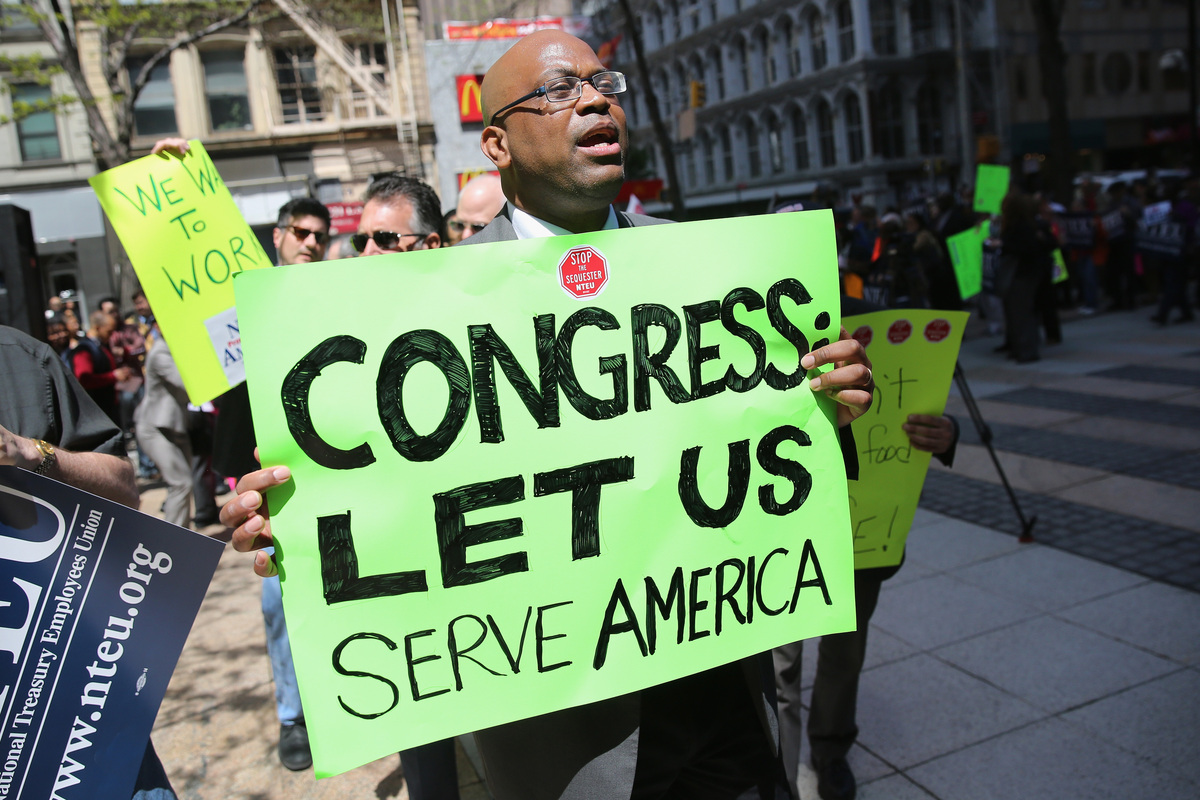
The recent firings of federal workers, particularly if perceived as politically motivated or disproportionately targeting certain groups, can have a profound and lasting impact on the morale of the remaining workforce. This erosion of trust can extend beyond the immediate affected employees, potentially affecting the entire federal government’s ability to function effectively. The public perception of these actions can significantly influence how they view the government’s integrity and competence.The fallout from such firings ripples through the workforce, impacting both individual and collective well-being.
Uncertainty and fear can quickly spread, leading to anxiety and reduced productivity. The morale of those remaining, who might feel vulnerable or targeted, can be significantly diminished. This climate of fear and mistrust can lead to a decline in overall performance, collaboration, and innovation within the federal government. Public trust in the government’s impartiality and commitment to public service is also at stake.
Feeling like a federal worker got the axe? It’s tough, and sometimes it feels like the point is just cruelty. Finding a distraction can help, like picking up some new flight sticks for Xbox One or PC. Flight sticks for Xbox one pc can offer a fun escape and a way to unwind from the stress.
But even with a new hobby, it’s hard to shake the feeling that the whole thing was just designed to hurt.
Impact on Federal Worker Morale
The psychological impact of witnessing colleagues being dismissed, particularly if the dismissals are perceived as unjust, can be significant. Fear of reprisal, diminished job security, and a sense of betrayal can undermine the motivation and commitment of remaining employees. This can manifest in decreased productivity, increased absenteeism, and a general decline in workplace morale. Employees may feel disillusioned and question the fairness and integrity of the system.
For instance, the 2013 government shutdown, while not involving firings, demonstrated how political actions can negatively impact the morale of federal workers and the public’s trust.
Impact on Public Trust
The public’s trust in the government is a delicate balance, easily disrupted by actions perceived as arbitrary or politically motivated. The firings of federal workers can be a significant catalyst for this disruption. If the public perceives the firings as retaliatory or unjust, it can damage the government’s reputation for fairness and impartiality. This distrust can lead to a decline in public support for government initiatives and policies.
The recent controversies surrounding certain government agencies and their practices have already created a climate of skepticism. Therefore, any action that fuels this narrative will likely further erode public confidence.
Illustrative Table
| Action | Impact on Morale | Impact on Trust |
|---|---|---|
| Targeted firings perceived as politically motivated | Significant decline in morale, increased anxiety, decreased productivity | Sharp decline in public trust, potential for decreased support for government initiatives |
| Fair and transparent firings based on performance issues | Potential for minor morale impact, depending on communication | Potential for minimal or neutral impact on public trust |
| Firings based on legitimate restructuring or budget cuts | Potential for moderate morale impact, depending on support and communication | Potential for minimal impact on public trust if handled transparently |
Visual Representation
(A bar graph depicting a potential decline in morale, represented by a decreasing bar graph. The x-axis represents time (e.g., weeks after the firings). The y-axis represents the morale score, on a scale of 1 to 10, with 10 being high morale. The graph would show a steady decrease in morale over the following weeks and months, indicating a significant impact.)
Possible Solutions and Actions
The perceived cruelty in federal worker firings, often lacking transparency and due process, erodes public trust and demoralizes the workforce. Addressing this requires a multifaceted approach focusing on procedural fairness, accountability, and clear communication. This section explores potential solutions and actions to mitigate these issues.A proactive approach is crucial to prevent the perception of unfair treatment. By implementing robust procedures and fostering a culture of respect, federal agencies can demonstrate a commitment to equitable practices.
Implementing Robust Procedural Protections
Federal employment processes must be meticulously reviewed and revised to guarantee fair treatment for all employees. This includes a comprehensive review of existing policies, ensuring they align with legal standards and ethical principles. A clear, accessible, and easily understandable process for appealing decisions is essential.
- Establishing clear, codified guidelines: Federal agencies need to create comprehensive, easily accessible guidelines for all employment decisions, from hiring to termination. These guidelines should be transparent, outlining the specific criteria for evaluation and the steps involved in each process. This transparency prevents ambiguity and promotes consistency.
- Independent review mechanisms: Implementing independent review boards or panels can ensure impartial assessments of employee performance issues and termination decisions. These boards should be composed of individuals with relevant expertise and a demonstrated commitment to fairness. The process for appointing these reviewers should be meticulously defined to avoid potential conflicts of interest.
- Enhanced due process protections: Workers should be granted a fair opportunity to respond to allegations and present their case. This could include access to legal counsel, the opportunity for a hearing, and the right to present evidence. These procedures should mirror those in private sector employment, ensuring a robust and comprehensive due process.
Creating a Culture of Accountability and Transparency
Accountability is key to rebuilding trust. This means holding managers accountable for fair and consistent treatment of their subordinates.
- Training for managers: Mandatory training for federal managers on fair employment practices, conflict resolution, and ethical decision-making can significantly reduce the incidence of unfair or discriminatory practices. This training should include real-life scenarios and case studies.
- Establishing clear communication channels: Providing clear and accessible communication channels for employees to report concerns or grievances is crucial. This includes confidential reporting mechanisms, avenues for appealing decisions, and easily accessible information regarding existing policies and procedures.
- Open dialogue and feedback mechanisms: Establishing forums for open dialogue between management and employees can help identify and address issues before they escalate. Mechanisms for gathering employee feedback and suggestions for improvement can be vital in creating a more positive and productive work environment.
Ensuring Fair Treatment in Federal Employment Processes
A structured approach to handling complaints and grievances is crucial.
| Problem | Solution | Potential Outcome |
|---|---|---|
| Lack of transparency in termination decisions | Implement a standardized review process with documented justifications for all terminations. | Increased transparency and accountability in personnel decisions, leading to a more equitable system. |
| Insufficient due process protections | Establish clear procedures for employee appeals, including access to legal counsel and opportunities for hearings. | Increased trust and confidence in the fairness of employment processes. |
| Perceived lack of accountability for managers | Mandatory training for managers on ethical conduct and fair employment practices, coupled with performance evaluations focused on these aspects. | Improved managerial conduct and a reduced incidence of unfair or discriminatory practices. |
Procedure for Reporting Alleged Misconduct
A well-defined procedure for reporting alleged misconduct is vital.
- Confidential reporting mechanisms: A confidential reporting system, potentially overseen by an independent body, should be established to encourage employees to report concerns without fear of retaliation. This could include a dedicated email address, hotline, or online portal.
- Investigation and resolution: A clear process for investigating reported incidents of misconduct, including a timeline for investigation and resolution, is essential. This should be documented in a comprehensive policy.
- Protection against retaliation: Clear protections against retaliation for employees who report misconduct are crucial. This protection should be explicit and enforced through strict disciplinary measures for those who retaliate.
Final Review
In conclusion, the phrase “fired federal worker, I feel like cruelty is the point” highlights a critical issue in federal employment practices. This exploration of the various perspectives, potential motivations, and the potential impact on morale and public trust provides a framework for understanding this situation. We’ve examined the potential consequences and discussed potential solutions. Ultimately, a fair and transparent system is essential for ensuring justice and maintaining public confidence in the government.