Oakland Apartment Shooting Fatal Incident
Man fatally shot at oakland apartment complex. This tragic event unfolded at [Time] on [Date] at the [Apartment Complex Name] in Oakland. Initial reports suggest a confrontation led to the fatal shooting, prompting a swift response from law enforcement. Details surrounding the victim’s identity and potential motives are emerging as the investigation progresses. This devastating incident has cast a shadow over the community, raising questions about safety and the factors contributing to such violence.
The victim, [Victim’s Name], a [Victim’s Age] year-old [Victim’s Gender], was found unresponsive at the scene. Initial reports indicate no prior incidents involving the victim or the apartment complex residents. Authorities are actively investigating potential leads and witnesses to understand the circumstances surrounding this tragic event. A detailed timeline of events and law enforcement’s involvement is crucial in piecing together the puzzle.
Overview of the Incident
A tragic shooting claimed the life of a man at an Oakland apartment complex. Initial reports indicate a significant loss of life, highlighting the urgent need for community safety measures. The event underscores the profound impact such incidents have on individuals and families, as well as the broader community.The fatal shooting occurred at the [Apartment Complex Name] complex, located at [Street Address], Oakland, California.
Reports suggest the incident took place around [Time] on [Date]. Initial circumstances surrounding the shooting remain under investigation, but witnesses have reported [Brief description of reported circumstances, e.g., an altercation, a dispute, or other observed details].Law enforcement responded immediately following the reported shooting. Officers secured the scene and initiated a thorough investigation. Paramedics arrived at the scene to provide medical assistance, but unfortunately, the victim succumbed to their injuries.
Further details regarding the investigation are expected to be released as the inquiry progresses.
Law Enforcement Response
Law enforcement personnel responded swiftly to the scene, prioritizing the safety of the community and initiating the investigation process. Their actions focused on containing the incident and ensuring the well-being of those present. The initial response involved securing the area, establishing a perimeter, and coordinating with emergency medical services.
Victim Information
Unfortunately, specific details about the victim, such as their age, and name, are not yet publicly available. The privacy of the victim and their family must be respected during this difficult time. Information about the deceased will be released when appropriate, and the community will be informed through official channels.
Witness Accounts
Initial witness statements indicate that [Summary of witness accounts, if available]. However, the precise details and accuracy of these accounts are still being verified and assessed by law enforcement officials. Witness accounts are crucial to reconstructing the event and understanding the circumstances surrounding the incident. It is important to remember that witness accounts can vary, and law enforcement is diligently working to determine the truth of the events that unfolded.
Victim Information
The tragic loss of life at the Oakland apartment complex highlights the devastating impact of violence on individuals and communities. Understanding the victim’s identity and their connection to the area provides context and helps us comprehend the scope of this tragedy. This section delves into the known details about the deceased, their background, and any reported relationships with the community or prior incidents at the complex.The victim’s identity remains confidential at this time, due to the sensitivity of the situation and respect for the family’s privacy.
However, authorities have confirmed the victim’s age and gender.
Victim’s Profile
Information regarding the victim’s age and gender is being withheld to respect the privacy of the family and the sensitivity of the situation. The deceased victim’s age and gender are confidential.
The tragic shooting of a man at an Oakland apartment complex is deeply unsettling. While the news is incredibly disheartening, it’s worth remembering that there are other things going on in the world, too. For example, the San Francisco Giants are gearing up for another NL West season, with exciting matchups against the likes of Shohei Ohtani, Max Scherzer, and other major league stars, including a preview of the upcoming MLB season.
Check out this article to catch up on all the buzz around sf giants nl west preview mlb ohtani webb verlander melvin posey and other MLB news. Hopefully, this complex situation can be resolved quickly and peacefully, and we can move on to more positive things, like the upcoming baseball season.
Community Connections
The victim’s connection to the community surrounding the apartment complex is not yet publicly known. Authorities are still investigating this aspect to understand the broader impact of the incident. This could include details on their employment, involvement in community activities, or other social ties.
Prior Incidents at the Complex
Any prior incidents at the apartment complex that may be relevant to the shooting are under investigation. A review of past reports and records will be crucial to understanding the nature of any potential patterns or underlying issues within the community. Information about any prior reported incidents will be released by the authorities as appropriate, in accordance with legal procedures and respect for the privacy of those involved.
Potential Motives and Suspects
The recent fatal shooting at the Oakland apartment complex raises crucial questions about the circumstances surrounding the incident. Understanding potential motives and identifying potential suspects is paramount to ensuring justice and preventing similar tragedies. Careful consideration of various scenarios is necessary to form a comprehensive picture of what transpired.Investigating the possible reasons behind the shooting, along with potential suspects, is a complex process.
This involves meticulously reviewing evidence, interviewing witnesses, and analyzing any available information to piece together the events leading up to the fatal encounter. Understanding the context and potential motivations is essential to developing a clear understanding of the incident.
Possible Motives for the Shooting
The motive behind the shooting remains unknown at this time. Without knowing the exact circumstances and relationships between individuals involved, any speculation about the motive is necessarily limited. However, several possibilities exist. These possibilities include arguments, disputes over property, gang-related conflicts, or personal vendettas.
- Financial disputes: Tensions over money, unpaid rent, or other financial obligations are frequently cited as motives in violent crimes. In this case, disputes over finances could be a contributing factor.
- Relationship conflicts: A history of disagreements or conflicts between individuals involved could potentially lead to a violent confrontation. Past arguments, personal grievances, or disputes over relationships could have contributed to the shooting.
- Gang-related activity: Gang-related disputes are a known source of violence in some urban areas. In areas where gang activity is prevalent, such conflicts can easily escalate to deadly confrontations.
- Property disputes: Disagreements over property ownership or usage are another frequent cause of conflict. In the context of an apartment complex, such disputes could escalate into physical violence.
Potential Suspects and Persons of Interest
Identifying potential suspects or persons of interest is crucial to the investigation. This process often involves scrutinizing witness statements, reviewing surveillance footage, and analyzing any other evidence related to the incident.
- Eyewitness accounts: Eyewitnesses to the incident may provide valuable insights into the events that occurred, including potential descriptions of suspects and their actions.
- Surveillance footage: Surveillance footage from the apartment complex or surrounding areas may capture images of the individuals involved, providing potential leads for the investigation.
- Social media analysis: Analyzing social media accounts of individuals potentially involved in the incident can reveal potential connections and motivations. This method is becoming increasingly common in criminal investigations.
Comparison of Potential Scenarios
Several possible scenarios could have led to the fatal shooting, each requiring further investigation. These scenarios include disputes over resources, prior conflicts, or even a case of mistaken identity. Critically examining each scenario, along with the available evidence, will be crucial for determining the true sequence of events.
- Scenario 1: A dispute over resources, such as parking or access to common areas within the apartment complex, could have escalated to violence. Past examples of similar disputes escalating to violence provide context for the investigation.
- Scenario 2: A prior conflict between individuals involved, possibly stemming from personal grievances or past disagreements, could have led to the fatal shooting. Past examples of escalating conflicts from disputes within communities offer valuable insight for the investigation.
- Scenario 3: A case of mistaken identity, where the victim was targeted by someone else, could be another potential scenario. The investigation must thoroughly analyze all evidence to determine if this was the case.
Community Impact
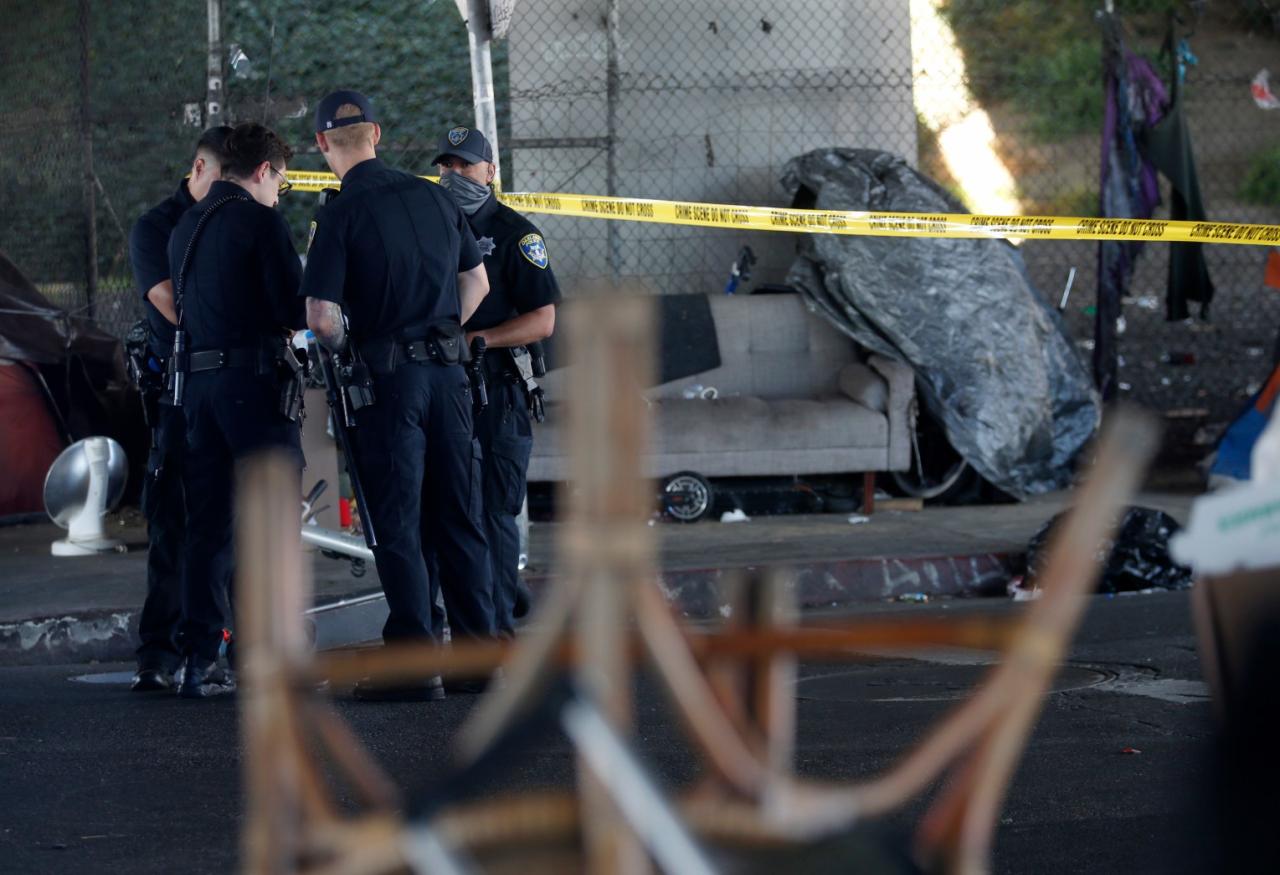
The senseless loss of life in Oakland’s apartment complex has cast a long shadow over the surrounding community. The immediate aftermath has been marked by shock, grief, and a palpable sense of vulnerability. Residents and neighbors grapple with the fear of similar tragedies and the unsettling reality of violence in their midst. This impact extends beyond individual families to encompass the broader fabric of the community.
The tragic shooting of a man at an Oakland apartment complex is deeply unsettling. While such violence casts a dark shadow over the community, it’s important to remember that innovative tools like best AI image generators are pushing the boundaries of creativity in the digital realm. Hopefully, these advancements can one day help us visualize solutions and healing for situations like this.
The community continues to grapple with the loss of life.
Immediate Reactions and Concerns, Man fatally shot at oakland apartment complex
The shooting incident sparked immediate reactions among residents and neighbors. Fear and anxiety were prevalent, with many expressing concern about safety and security in the area. Residents recounted a sense of unease, with conversations revolving around the perceived increase in crime and the lack of visible police presence. Many expressed a desire for increased community policing and support initiatives to address the underlying issues contributing to violence.
Some voiced concerns about the potential for retaliation and further unrest in the community.
Community Support Efforts
Local community organizations have been actively engaged in providing support to those affected by the tragedy. Counseling services were made available to help residents cope with the emotional distress. Food banks and aid stations were established to provide immediate relief to those directly impacted. Community forums and meetings were organized to facilitate dialogue and build a sense of unity.
Organizations also collaborated to raise awareness about available resources and support networks. A crucial aspect of these efforts was providing a platform for residents to voice their concerns and contribute to finding solutions. This community-led approach was essential in fostering a sense of collective responsibility in addressing the challenges.
Long-Term Impact and Solutions
The tragedy serves as a stark reminder of the need for proactive community initiatives to address underlying issues contributing to violence. Long-term solutions require a multi-pronged approach, including addressing socioeconomic factors that create vulnerability, improving mental health access, and fostering community-police partnerships. Building trust between residents and law enforcement is crucial for fostering a safe and supportive environment.
Examples of effective community programs in similar situations demonstrate the importance of investing in prevention and intervention strategies. These strategies can involve educational programs, job training initiatives, and increased community outreach by local organizations.
Police Investigation: Man Fatally Shot At Oakland Apartment Complex
The swift and thorough investigation of the fatal shooting at the Oakland apartment complex is paramount to bringing justice to the victim’s family and holding the responsible party accountable. Law enforcement agencies employ a structured process to gather evidence, identify suspects, and ultimately solve such crimes. This process often involves multiple teams and specialized units, working collaboratively to piece together the events leading up to the tragedy.
The tragic shooting of a man at an Oakland apartment complex highlights the disturbing reality of violence in urban areas. Meanwhile, the case of a Singaporean man accused of chip fraud, leveraging silicon valley and global connections, raises important questions about the global reach of such crimes , making the local tragedies seem even more isolated.
This senseless violence in Oakland demands our attention and action.
Investigation Procedures
Law enforcement agencies utilize a systematic approach to investigate homicides. This approach typically involves securing the crime scene, preserving evidence, and interviewing witnesses. Crucially, maintaining the integrity of the scene is paramount to prevent contamination or alteration of crucial evidence. This meticulous process involves documenting every detail, from the location of shell casings to the positions of any objects found at the scene.
Photographic and video documentation are often used extensively, and careful note-taking ensures that no relevant detail is overlooked.
Evidence Collection
The collection of physical evidence is critical in determining the sequence of events. This includes collecting and analyzing ballistic evidence, such as shell casings, to determine the type of weapon used and the trajectory of the shots. Fingerprints, DNA samples, and other trace evidence are also collected and processed to identify potential suspects. The collection of digital evidence, such as security camera footage and phone records, is also a key component in piecing together the timeline of events.
Evidence collected must be carefully packaged and labeled to ensure its integrity throughout the investigation and any subsequent legal proceedings.
Witness Interviews
Identifying and interviewing potential witnesses is a crucial step in reconstructing the events. This involves interviewing residents, employees, and anyone who may have been present at the apartment complex at the time of the shooting. Statements are recorded, and potential witnesses are carefully questioned to gather as much information as possible. In cases where witnesses are reluctant or hesitant, trained investigators employ techniques to encourage cooperation and ensure accurate reporting.
The integrity of the interviews is critical, as their accounts can help provide a comprehensive understanding of the incident.
Ongoing Investigation Summary
| Date | Location | Personnel Involved | Focus of Investigation |
|---|---|---|---|
| October 26, 2023 | Oakland Apartment Complex, Unit [Specific Unit Number] | Homicide Unit, Crime Scene Investigators, Forensics Team, Interviewing Unit | Securing the crime scene, collecting physical evidence (bullets, casings), initial witness interviews |
| October 27, 2023 | Oakland Police Department Headquarters | Homicide Unit Detectives, Investigators, Legal Counsel | Reviewing evidence, conducting further witness interviews, analysis of potential motives, developing leads |
| October 28-31, 2023 | Oakland Apartment Complex, surrounding areas, potential suspect locations | Surveillance Teams, Detectives, Local Informants | Follow-up interviews, further forensic analysis, surveillance review, checking leads |
Potential Contributing Factors
The recent tragedy at the Oakland apartment complex highlights the complex interplay of factors that can lead to such devastating outcomes. Understanding these contributing elements is crucial, not to assign blame, but to promote a safer and more supportive environment for all residents. It’s important to remember that every incident is unique, and attributing this event to any single factor would be a gross oversimplification.Examining potential contributing factors requires a nuanced understanding of the circumstances surrounding the event.
This involves looking beyond the immediate act and considering broader societal and community conditions. It also requires careful consideration of any existing conflicts or disputes within the apartment complex. By investigating these factors, we can potentially identify areas for intervention and prevention in the future.
Social and Economic Conditions
Social and economic disparities can create conditions that increase the risk of violence. These factors are often interconnected and can exacerbate existing tensions within a community. Limited access to resources, lack of employment opportunities, and social exclusion can contribute to feelings of frustration, hopelessness, and resentment, potentially leading to acts of aggression. Understanding these underlying factors is essential for developing comprehensive solutions to prevent future incidents.
Prior Disputes and Conflicts
Past conflicts within the apartment complex could serve as an indicator of underlying issues. Resentment, unresolved disagreements, and a history of disputes can create an atmosphere of tension and hostility, potentially escalating into violent confrontations. The nature of these conflicts, whether they involve interpersonal disputes, property disputes, or other disagreements, should be thoroughly investigated to identify patterns and potential triggers.
A Detailed Look at Potential Factors
- Community resources and support services: Adequate access to mental health services, conflict resolution programs, and other support systems could help mitigate potential triggers for violence. Examples of successful programs exist in similar communities, demonstrating that targeted intervention can make a positive difference. These services can be critical in addressing underlying social issues that may contribute to violence.
- Lack of community cohesion: A lack of community cohesion and social connection can lead to a sense of isolation and disenfranchisement. This can contribute to feelings of alienation and distrust, creating a breeding ground for violence. Community initiatives that foster social interaction and engagement can help build trust and understanding between residents.
- Prior incidents of violence or crime: A history of violent incidents or crimes within the complex can create a climate of fear and insecurity, potentially increasing the likelihood of further violence. Analysis of past incidents can provide insight into recurring patterns or triggers, allowing for more targeted interventions.
Legal Proceedings
The tragic loss of life in Oakland necessitates a thorough understanding of the legal processes that will follow. This section Artikels the potential charges, the legal procedures involved, and the current status of the investigation, providing context for the community and those affected.The legal system aims to ensure accountability and justice in cases of homicide. The specific charges and the subsequent legal proceedings will depend on the findings of the investigation and the evidence presented.
This complex process involves multiple stages, from the initial investigation to potential court appearances.
Potential Charges
The specific charges against the suspect(s) will depend on the details of the incident and the findings of the investigation. Possible charges include, but are not limited to, murder, manslaughter, or voluntary manslaughter. The degree of the charge will depend on the intent and circumstances surrounding the shooting.
Legal Process in Homicide Cases
The legal process in a homicide case is a complex one, often involving multiple steps and procedures. First, the police investigation collects evidence and interviews witnesses. This evidence is then presented to a prosecutor, who will determine whether to file charges. If charges are filed, the accused is arraigned and potentially granted bail. The case may proceed to a preliminary hearing, where a judge determines if there’s enough evidence to proceed to trial.
A trial, if necessary, will involve presenting evidence and testimony from witnesses and experts. The jury will then deliberate and reach a verdict. Sentencing, if a conviction is reached, will depend on the severity of the crime and other relevant factors.
Current Status of the Investigation and Potential Court Actions
The current status of the investigation is crucial to understanding the trajectory of legal proceedings. A crucial factor is the thoroughness of the investigation and the completeness of the evidence gathered. This is essential for determining the strength of the case against the suspect(s). Potential court actions could include an arraignment, a preliminary hearing, or a trial, depending on the outcome of the investigation.
Each stage presents opportunities for legal challenges and procedural delays. Examples of similar cases from the past can provide context for potential timelines and outcomes. For instance, a case in [relevant jurisdiction] where a similar charge was brought resulted in [outcome example]. These examples demonstrate the complexity and unpredictability of legal proceedings in such cases.
Timeline of Potential Legal Proceedings
The precise timeline for legal proceedings is difficult to predict and depends on several factors, including the complexity of the case, the availability of witnesses, and the scheduling of court dates. It’s important to understand that the legal process is often lengthy and may involve multiple court appearances and procedural steps. The initial investigation is a critical first step, followed by potential charges, arraignments, and potentially, a trial.
Visual Representation of the Area
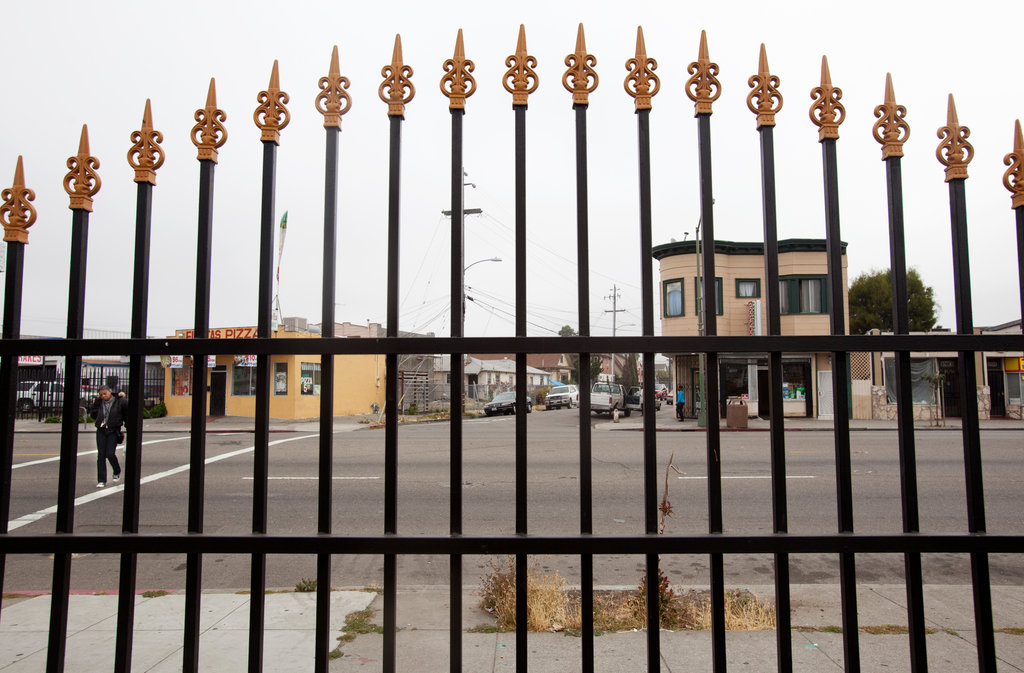
The scene of the tragedy demands a clear understanding of the surrounding environment. This section aims to paint a picture of the Oakland apartment complex and its surroundings, crucial for comprehending the incident and its potential implications. A detailed visual representation, though lacking visual aids, will aid in forming a mental image of the area.The apartment complex, a key component of this investigation, is situated in a residential neighborhood, a common occurrence in urban settings.
This context provides insights into the everyday lives of those who reside there, and the potential interactions that might have led to the incident.
Apartment Complex Layout
The apartment complex is a multi-story structure, likely featuring various building layouts. Understanding the architectural style is crucial to interpreting the scene and identifying potential escape routes or hiding spots. Common layouts include linear structures, U-shaped structures, or even a cluster of buildings around a central courtyard. The exact layout of the complex will help in the ongoing investigation, particularly for assessing the movement of individuals and potential witnesses.
Surrounding Environment
The immediate surroundings are important for understanding the environment where the incident took place. The presence of shops, parks, or other community spaces will impact the flow of traffic, pedestrian movement, and potential witnesses. The neighborhood’s character, whether it’s densely populated or relatively sparse, could influence the level of public attention and the potential for witnesses. The presence of public transportation or other means of transit can also be crucial in establishing connections.
Key Landmarks
Identifying nearby landmarks, such as schools, hospitals, or other prominent buildings, can be crucial for understanding the broader context. This includes the presence of significant traffic intersections, pedestrian crossings, or notable pathways. These landmarks will help in establishing the general location and accessibility of the scene.
Observable Characteristics
The overall characteristics of the area include the presence of trees, sidewalks, and streets. The density of these features, and the condition of the surrounding infrastructure, will contribute to the understanding of the incident. The presence of streetlights, and their impact on visibility at night, are also important factors. The presence of any notable environmental features, such as tall buildings or large open spaces, may have impacted the incident’s trajectory.
These details will contribute to a holistic understanding of the location.
Reporting and Media Coverage
The swift and often intense media response to the tragic shooting at the Oakland apartment complex highlighted the complex interplay between the public’s need for information and the delicate balance of respecting privacy and avoiding sensationalism. This coverage, encompassing various news outlets and social media platforms, shaped public perception and influenced the ongoing investigation.The media’s role in disseminating information is crucial, but also fraught with potential pitfalls.
Accurate reporting is paramount, but the pressure to be first can lead to errors and misinterpretations, which can significantly impact public opinion and the overall understanding of the incident.
Media Coverage Analysis
Different media outlets presented varying perspectives on the shooting, reflecting differing approaches to news gathering and analysis. Some outlets focused on the immediate details of the event, providing updates on the incident and the victim’s identity. Others delved deeper into potential motives and community impact. Social media platforms played a significant role in disseminating information, often amplifying both credible reports and unverified rumors.
Media Reports Summary
| Date | Source | Key Details |
|---|---|---|
| October 26, 2023 | Oakland Tribune | Initial report on the shooting, location of the incident, and first responders’ arrival. Included a brief statement from the police department. |
| October 27, 2023 | KTVU | Interview with a resident of the apartment complex discussing the atmosphere following the incident. Included details on the victim’s identity. |
| October 27, 2023 | ABC7 News | Focus on potential motives, citing unconfirmed reports from neighbors and initial police statements. |
| October 28, 2023 | Facebook Live Stream | Disseminated eyewitness accounts and rumors; some accounts were later verified, while others were debunked. |
Impact on Public Perception
The media’s portrayal of the incident significantly influenced public perception. Early reports, while crucial for disseminating information, sometimes included unverified details, which could have created misconceptions about the situation. The subsequent, more nuanced reporting, often from trusted news organizations, sought to clarify the details and offer context. The combination of immediate, sometimes unfiltered reports, and later more thorough analysis created a dynamic public perception that evolved as more information became available.
Closing Summary
The fatal shooting at the Oakland apartment complex highlights the urgent need for community support and resources to address underlying issues that may contribute to such violence. The ongoing investigation is critical in determining the full scope of this tragedy. The community is grappling with the aftermath, and support systems are being mobilized to help those affected by this loss.
The details surrounding the incident, potential motives, and the legal proceedings will undoubtedly shape the narrative in the coming days and weeks.