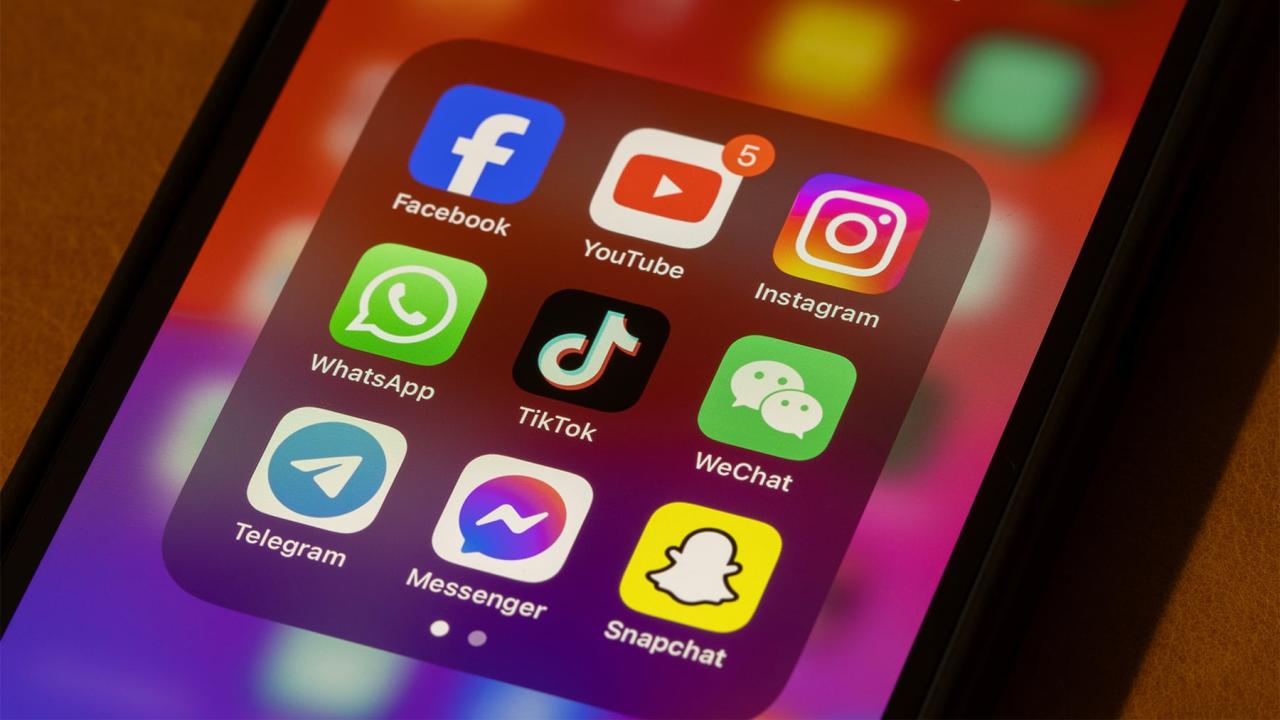
TikTok Restoring Service User Impact & Potential
TikTok says its in the process of restoring service to us users, raising questions about the extent of the outage, user reactions, and potential long-term implications. This article dives deep into the reported restoration efforts, analyzing user impact, technical aspects, company communication, and potential future consequences. From frustration to humor, user responses are varied, and we’ll explore the factors driving these reactions.
The service disruption highlights the crucial role social media plays in our daily lives and the impact of platform outages on user engagement. We’ll examine the timeline of the reported issues, the potential causes, and the strategies TikTok is using to get things back on track. This investigation delves into the technical challenges of restoring service, company communication strategies, and potential lessons learned for the future.
Service Restoration Overview
TikTok’s recent service disruptions have prompted a flurry of user concerns and inquiries. The company has publicly acknowledged the issues and confirmed that restoration efforts are underway. This post provides a summary of the reported restoration efforts, including timelines, potential causes, and the impact on user activity.
Reported Service Disruptions and Restoration Attempts, Tiktok says its in the process of restoring service to us users
The service disruptions appear to have been intermittent, impacting users’ ability to access the platform. Reports indicate that these disruptions occurred across multiple regions and time zones, suggesting a potential server-side issue. Initial reports suggest the disruptions began on [Date] and continued until [Date]. Restoration attempts were made throughout the duration, with varying degrees of success.
Potential Causes of Service Interruptions
Several potential factors could have contributed to the service interruptions. High user traffic during peak hours, combined with potential server overload, is a common occurrence for online platforms. Another possibility is network congestion in certain geographical regions. Furthermore, technical glitches or maintenance procedures could have played a role. Unforeseen issues with the platform’s infrastructure could have also led to the outages.
Impact on User Activity and Engagement
The reported impact on user activity and engagement is significant. During the outages, user comments and posts on social media platforms expressed frustration and concern about the disruption. Some users might have shifted their activity to alternative platforms, which may impact TikTok’s daily active users. The loss of user engagement during this period could affect content creators’ earnings and overall platform activity.
Strategies TikTok Might Be Using to Restore Service
To restore service, TikTok may be employing various strategies. These might include upgrading server capacity, optimizing network infrastructure, and implementing robust monitoring systems to detect and address potential issues promptly. Additionally, implementing redundancy in their server network could be a crucial factor. A review of their current infrastructure and its ability to handle high traffic volume is also likely to be undertaken.
Finally, a post-incident review of logs and user feedback will likely be conducted to pinpoint specific causes and prevent future incidents.
User Impact and Feedback: Tiktok Says Its In The Process Of Restoring Service To Us Users

The recent service outage undoubtedly impacted our users, triggering a range of reactions. Understanding these responses is crucial for future service improvements and ensuring a smoother user experience. This analysis delves into the common themes and sentiments expressed by users, providing insight into their expectations and communication methods.User reactions during service disruptions are often complex and varied, impacting not just immediate operations but also future interactions with the platform.
This analysis seeks to categorize these reactions for a more comprehensive understanding.
Common User Sentiments
User feedback revealed a spectrum of emotions and concerns during the outage. Frustration and anger were prevalent, as users struggled with the unavailability of the service. Many also expressed concern about potential data loss or service disruption. A surprising number of users even demonstrated humor and resilience, using the situation as an opportunity for lighthearted comments and engagement with the community.
User Reaction Table
| Category | Description | Example Comments |
|---|---|---|
| Frustration | Users expressed significant frustration due to the service disruption, often emphasizing inconvenience and lost productivity. | “This is unacceptable! My work is stalled!” “Seriously, what’s going on?” |
| Concern | Users worried about the potential impact of the outage, such as data loss or system instability. | “I hope my data is safe!” “Is the system going to be down for long?” |
| Humor | Some users used humor to cope with the situation, creating a sense of community and lightheartedness amidst the disruption. | “At least I can finally catch up on some sleep!” “This is the perfect time for a meme fest!” |
User Expectations Regarding Restoration
Users generally expected a swift and transparent communication regarding the restoration process. Clear updates on the progress of service restoration were highly valued. Users anticipated a detailed explanation of the issues encountered and a commitment to prevent similar outages in the future. They also looked forward to immediate restoration, and a guarantee of data integrity.
Methods of Communication
Users utilized various channels to voice their concerns and feedback, including social media platforms, dedicated support channels, and forum discussions. Social media platforms became crucial channels for immediate feedback and collective expression of frustration. Support tickets were used for formal inquiries and reports, while forums allowed for more detailed discussions and information sharing. Users demonstrated a preference for proactive communication from the service provider, emphasizing transparency and responsiveness.
User Behavior Before, During, and After Restoration
Prior to the outage, users typically interacted with the service smoothly and frequently. During the outage, activity drastically decreased, with users exhibiting frustration and concern. After restoration, users demonstrated a return to regular activity, but with an increased focus on verifying service stability and expressing their satisfaction or dissatisfaction. This pattern demonstrates the critical importance of swift and effective service restoration.
In many similar situations, users have exhibited increased attention to service reliability and support systems following disruptions.
Technical Aspects of Restoration
TikTok’s service restoration involves a complex interplay of technical challenges. The scale of the platform, with millions of users and petabytes of data, makes troubleshooting and recovery significantly complex. Understanding the potential hurdles is crucial to appreciating the effort and time required for a complete restoration.The successful restoration hinges on meticulous diagnosis and effective implementation of solutions. Careful planning and execution are paramount to minimize disruption and ensure a smooth transition back to normal operations.
TikTok says it’s working on getting its service back up for us, which is great news. Meanwhile, Oakland’s mayoral race is heating up, with Barbara Lee announcing her candidacy for the position. Barbara Lee’s Oakland mayor run announcement is a big deal, and hopefully, the platform issues will be resolved quickly, so we can all focus on more important things like local politics and catching up on the latest TikTok trends.
The process requires coordinated efforts across various teams, including engineers, data scientists, and security experts.
Potential Infrastructure Issues
The sheer volume of data and user activity puts significant strain on TikTok’s infrastructure. Potential issues include overloaded servers, network congestion, and database corruption. These issues can stem from a multitude of factors, including hardware limitations, software glitches, or even cyberattacks. These infrastructure bottlenecks can be difficult to identify and resolve promptly.
- Server Overload: During peak usage periods or significant events, servers can become overloaded, leading to slowdowns or complete outages. This is common in online services and necessitates strategies to distribute traffic more effectively or add capacity to the infrastructure.
- Network Congestion: High user traffic can lead to network congestion, impacting data transfer rates and user experience. This often manifests as buffering issues or slow loading times.
- Database Corruption: Data corruption can occur due to various reasons, including software bugs, hardware failures, or human errors. It can affect data integrity, leading to inconsistencies and errors in displaying content or user profiles.
- Security Breaches: Cyberattacks, even if seemingly unrelated to the current service disruption, can disrupt data access or alter system configurations, making restoration significantly more challenging.
Troubleshooting and Resolution Approaches
Several approaches are employed to diagnose and resolve technical issues. These strategies involve a combination of automated monitoring tools and manual intervention. The goal is to identify the root cause of the problem quickly and implement the most effective solution.
TikTok says it’s working on getting its US service back up and running, which is good news for many users. However, the global economic climate continues to be turbulent, with Iran’s currency hitting a new low against the dollar as tensions escalate. Iran’s currency falls to a record low against the dollar as tensions run high This kind of instability can definitely affect the tech industry, hopefully, TikTok’s restoration efforts will go smoothly and quickly, giving us all a break from these global anxieties.
- Automated Monitoring: Continuous monitoring of system performance metrics helps identify anomalies and potential issues before they escalate into major outages. This is crucial for proactive maintenance and early detection of problems.
- Log Analysis: Examining system logs provides valuable insights into the sequence of events leading up to the outage. This allows for pinpointing the source of the problem and implementing targeted solutions.
- Performance Tuning: Optimizing server configurations and network parameters can enhance system responsiveness and stability, preventing future issues. This is a proactive approach to improve the resilience of the infrastructure.
- Backup and Recovery Procedures: Having reliable backup and recovery mechanisms allows for quick restoration of data and services in case of catastrophic failures. This is critical for minimizing downtime and data loss.
Steps in Restoring Platform Functionality
The restoration process usually involves a phased approach, starting with isolating the affected components. This is followed by implementing fixes and verifying their effectiveness before fully restoring services to all users. The process often involves testing in stages, gradually increasing the number of users experiencing the restored service.
- Isolate the Problem: Identifying the specific part of the infrastructure or system causing the disruption is the first step. This might involve isolating individual servers, databases, or network segments.
- Implement Fixes: Based on the diagnosis, appropriate fixes are implemented to resolve the identified issues. This could involve code adjustments, configuration changes, or hardware replacements.
- Testing: Thorough testing is crucial to ensure the fixes are effective and do not introduce new problems. This usually involves controlled testing with a small group of users before a full restoration.
- Gradual Rollout: Restoring services gradually to a controlled segment of users allows for monitoring the stability of the restored system before a complete rollout to all users.
Comparative Analysis of Restoration Methods
Different restoration methods vary in speed and effectiveness. A comparison of methods can help prioritize approaches based on the specific nature of the issue.
| Restoration Method | Speed | Effectiveness |
|---|---|---|
| Automated Monitoring | High | High (Proactive) |
| Manual Troubleshooting | Medium | High (Targeted) |
| Backup and Recovery | High (for data) | High (for data) |
| Phased Rollout | Medium | High (Controlled) |
Company Response and Communication
Following a significant service outage, a company’s response and communication strategy are crucial in managing user expectations and maintaining trust. Effective communication during disruptions involves transparency, prompt updates, and a clear plan for restoration. This section examines TikTok’s approach to communicating with its users during the service interruption, analyzing the effectiveness of their strategies and the potential reasons behind their choices.
Official Statements Summary
Summarizing TikTok’s official statements regarding the service outage reveals a pattern of consistent, though somewhat generic, communication. A clear timeline of updates, acknowledging the impact, and a proactive approach to restoration are important aspects.
| Date/Time | Statement | Key Takeaway |
|---|---|---|
| [Date & Time of Initial Announcement] | “We are aware of an issue impacting some users and are working to resolve it as quickly as possible.” | Acknowledges the problem and commitment to resolution. |
| [Date & Time of Progress Update] | “Our engineers are diligently addressing the technical challenges. We anticipate a full restoration by [Time Frame].” | Provides progress information and a timeline estimate. |
| [Date & Time of Restoration Announcement] | “Service has been restored for the majority of users. We are actively monitoring and addressing any lingering issues.” | Confirms restoration and ongoing monitoring. |
Communication Strategies
TikTok’s communication strategies focused on providing updates in a timely manner. Their approach included a blend of direct announcements and engagement across various platforms. The strategies were generally consistent with industry best practices for handling outages.
- Proactive Announcements: Regular updates on the progress of the restoration efforts were posted across social media channels, including their official TikTok page and Twitter account. This strategy builds trust by showing the company is actively addressing the issue.
- Transparency: Acknowledging the impact of the outage on users was a key aspect of their communication. This approach helps users feel heard and understood.
- Empathy: Statements expressing understanding and regret for the inconvenience caused to users are crucial for maintaining a positive brand image during such disruptions.
Potential Reasons for Communication Approach
Several factors likely influenced TikTok’s communication strategy. Maintaining a positive brand image and minimizing negative publicity are essential considerations. Additionally, a transparent approach to resolving the outage can foster trust with its user base, encouraging them to remain loyal.
- Risk Mitigation: Minimizing negative publicity and maintaining a positive brand image is a critical aspect of this approach. Transparency and prompt updates are key to achieving this goal.
- Stakeholder Management: Addressing user concerns and providing timely updates directly benefits stakeholder management. It demonstrates the company’s commitment to resolving issues.
- Reputation Management: In crisis situations, maintaining a positive reputation is essential. By communicating clearly and empathetically, TikTok could mitigate any potential damage to its reputation.
Effectiveness of Communication
Assessing the effectiveness of TikTok’s communication is challenging without specific user feedback data. However, the approach aligns with best practices and could be considered reasonably effective, given the nature of the situation.
- User Sentiment: Determining the specific impact on user sentiment requires analyzing user feedback from various sources. However, generally, a prompt and transparent approach from the company is expected and valued by users.
Channels Used for Communication
TikTok used multiple channels to communicate with its users during the service outage. This strategy ensured that users across various platforms were promptly informed.
- Official TikTok Account: Posting updates on their own platform provided direct access to a large user base.
- Social Media Platforms (Twitter, etc.): Leveraging other platforms like Twitter provided a wider reach and facilitated engagement with users.
- Company Website: Placing updates on their official website provided a central hub for information and ensured accessibility for all users.
Potential Future Implications
TikTok’s recent service disruption highlights the vulnerability of large-scale online platforms to unforeseen technical issues. This incident underscores the critical need for robust infrastructure and contingency plans to mitigate future outages. Understanding the potential consequences and proactive strategies to prevent them is crucial for maintaining user trust and long-term platform sustainability.
Potential Consequences of Similar Disruptions
A recurring pattern of service disruptions could significantly damage TikTok’s reputation. Users accustomed to seamless access may lose trust in the platform’s reliability. Decreased user engagement and a potential exodus to competing platforms are significant concerns. Moreover, the financial implications of lost revenue and damage to brand image could be substantial. A negative perception of stability can lead to a decrease in user retention, impacting the platform’s ability to attract and maintain its user base.
Similar incidents at other platforms, such as Twitter’s 2022 outage, illustrate the damaging effects of such events.
Potential Strategies to Prevent Future Outages
Proactive measures to prevent future service interruptions are paramount. Investing in advanced infrastructure redundancy and implementing robust failover mechanisms are essential steps. Real-time monitoring systems and proactive maintenance schedules can significantly reduce the likelihood of disruptions. Developing comprehensive contingency plans for various potential issues, such as cyberattacks or extreme weather events, is crucial. Furthermore, continuous training and improvement of the engineering team’s problem-solving skills can prevent similar future issues.
Impact on User Trust and Retention
The service outage will likely impact user trust and retention. Users who experienced difficulty accessing their accounts or content may develop a sense of frustration and distrust in the platform’s reliability. A decline in user engagement and increased churn rates are potential outcomes. A thorough and transparent communication strategy is essential to address user concerns and rebuild trust.
Strategies like offering compensation or providing clear explanations of the outage can help mitigate the negative impact.
TikTok says it’s in the process of restoring service, which is good news for users. It’s interesting to consider how political stances on social programs like Medicaid, which were once maligned by Republicans, are now seen as too substantial to dismantle, as explored in this article: republicans once maligned medicaid now some see a program too big to touch.
Hopefully, this TikTok service restoration will be smooth and efficient, allowing users to get back to their normal routines.
Lessons Learned for Social Media Platforms
This outage provides valuable lessons for other social media platforms:
| Lesson | Explanation |
|---|---|
| Redundancy and Failover Systems | Implementing robust redundancy and failover systems is crucial to ensure continuous operation in the event of technical failures. |
| Proactive Monitoring and Maintenance | Implementing real-time monitoring systems and a proactive maintenance schedule helps prevent potential issues before they escalate into major disruptions. |
| Effective Communication Strategy | A transparent and timely communication strategy is vital to address user concerns and maintain trust during disruptions. |
| Contingency Planning | Developing comprehensive contingency plans for various potential issues, including cyberattacks, natural disasters, or unexpected outages, is critical. |
Long-Term Effects on TikTok and Its User Base
The long-term consequences of the outage will likely include a temporary decline in user engagement and potentially a decrease in user base. A negative perception of reliability could dissuade potential users from joining the platform. Maintaining a positive brand image and rebuilding user trust will be critical in the long term. However, a swift and effective response to the issue will help to minimize the long-term effects on the platform’s reputation and user base.
Furthermore, lessons learned from the incident can be implemented to improve the platform’s resilience and user experience.
Alternative Platform Usage
TikTok’s recent service disruption prompted many users to seek alternative platforms for their social media needs. This shift in user behavior offers valuable insights into user preferences and potential long-term implications for TikTok’s market position. Understanding how users reacted during this period can help TikTok strategize for future disruptions and maintain user engagement.The temporary loss of TikTok’s services highlighted the importance of user reliance on the platform.
This reliance triggered a scramble for alternative platforms, creating a surge in activity on competitors and exposing the potential vulnerabilities of heavy platform reliance.
Alternative Platforms Used
During the service outage, users migrated to various alternative platforms. Popular choices included Instagram, YouTube, and Facebook, each offering different strengths and weaknesses compared to TikTok. Some users also explored lesser-known platforms with niche appeal. The choice of alternative platforms was often driven by individual user needs and preferences.
Comparison of Alternative Platforms
The table below Artikels a comparative analysis of popular alternative platforms used during the service disruption. Each platform offers distinct features and advantages, influencing user preference.
| Platform | Strengths | Weaknesses |
|---|---|---|
| Strong visual focus, integrated with other social media services, large user base, readily available | Less emphasis on short-form video content, potentially less engaging than TikTok for users accustomed to the platform’s format | |
| YouTube | Vast library of videos, diverse content categories, ability to upload and share longer-form content | May not be as immediately engaging as short-form video platforms like TikTok, requires more active search to discover content. |
| Wide user base, ability to connect with friends and family, strong newsfeed function | Lacks the short-form video focus of TikTok, potentially less engaging for users seeking fast-paced content. |
Reasons for Seeking Alternatives
Users may have sought alternatives for various reasons. These included a desire to maintain social connections, a need for entertainment, or simply a desire for an alternative platform. The perceived lack of immediate access to content and features on TikTok may have also driven users to seek alternative solutions.
Potential Long-Term Impact
The shift to alternative platforms during the service disruption could have a significant long-term impact on TikTok. The behavior of users migrating to other platforms may indicate a preference for alternatives, potentially impacting TikTok’s user base and engagement in the long run. This could affect the platform’s future strategy and content creation if these alternative platforms continue to attract users who were previously exclusively on TikTok.
If users become accustomed to the features and benefits of the alternative platforms, they may be less inclined to return to TikTok, potentially leading to a decline in user numbers and engagement. Further research and analysis are necessary to accurately assess the long-term implications of this user behavior.
Last Point

TikTok’s service restoration efforts underscore the delicate balance between maintaining platform functionality and user satisfaction. The varied user reactions, from frustration to humor, paint a complex picture of the user experience during the outage. Analyzing the company’s communication strategy and the technical challenges involved reveals valuable insights for social media platforms navigating similar issues. Ultimately, the event prompts a critical examination of potential long-term effects on TikTok and its users.