The Sensory Heritage of Champagne An Exploration of Terroir Tradition and the Evolution of the Modern Palate

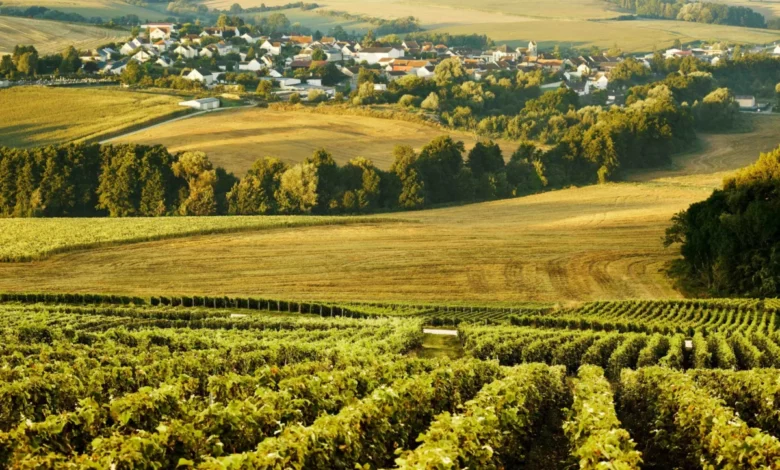
The Champagne region of France, situated approximately 90 miles east of Paris, remains the global epicenter for sparkling wine production, defined by a rigorous set of regulations and a deep-seated connection to its unique limestone-rich soil. For travelers and professionals alike, the journey from Paris to the cities of Reims and Épernay serves as an immersion into the Appellation d’Origine Contrôlée (AOC) standards that dictate every aspect of production, from grape cultivation to the secondary fermentation process that creates the wine’s signature effervescence. This exploration of the region reveals a complex interplay between the "Grandes Marques" (the storied, large-scale houses) and the rising "Grower Champagne" movement, highlighting how personal history and professional expertise shape the interpretation of flavor.
The Rise of Grower Champagne and Artisanal Production
In the traditional hierarchy of the region, large Champagne houses often purchased grapes from hundreds of individual farmers to create a consistent "house style" year after year. However, recent decades have seen a significant shift toward "Grower Champagnes"—wines produced by the same estates that grow the grapes. A primary example of this movement is Bérêche et Fils, a family-owned producer located in Ludes. Unlike the larger operations that prioritize volume and consistency, growers like Bérêche emphasize the specificities of the harvest year and the nuances of the "terroir," the environmental factors that affect a crop’s phenotype.
During the post-harvest period in late October, the cellars of these estates become hubs of biological activity. The fermentation process, which transforms grape juice into alcohol, releases significant amounts of carbon dioxide, requiring cellar workers and visitors to exercise extreme caution when inspecting open barrels. The olfactory environment of a working cellar is distinct, characterized by the scents of active yeast, fresh fruit, and raw dough. For professionals, such as sommeliers, these visits provide a rare opportunity to taste wines in their "vin clair" (still wine) stage before they undergo the secondary fermentation that adds bubbles.

Historical Foundations and the Role of the Cooperage
The architectural and historical landscape of Champagne is defined by its "crayères"—deep, subterranean chalk pits originally excavated by the Romans, which now serve as the ideal aging environment for millions of bottles. These caverns maintain a constant temperature of approximately 10 to 12 degrees Celsius (50 to 54 degrees Fahrenheit) and high humidity, which is essential for the slow maturation of the wine.
At Champagne Bollinger, an estate founded in 1829 in Aÿ, the commitment to traditional methods is visible in their maintenance of a professional cooperage. Bollinger is one of the few remaining houses to employ a full-time cooper (tonnelier) to manufacture and repair the oak barrels used for fermentation. Some of these barrels are over a century old, sourced frequently from the Burgundy region. The use of older oak is a deliberate choice; it allows for a micro-oxygenation of the wine without imparting the heavy, "toasty" flavors associated with new wood.
Similarly, the sister houses of Champagne Delamotte and Salon in Le Mesnil-sur-Oger represent the extreme ends of production philosophy. Delamotte, established in 1760, is the fifth oldest house in the region and is known for its consistency and elegance. In contrast, Salon is famous for its rarity, producing only a single "cuvée de prestige" from 100% Chardonnay grapes (Blanc de Blancs) and only in years deemed to have exceptional harvest quality. The historical archives of these houses, featuring vintage menus from legendary Parisian establishments like Maxim’s, underscore Champagne’s long-standing status as a staple of global high gastronomy.
The Science of Sensory Perception and Memory
A critical component of the Champagne experience is the "tasting," a process that bridges the gap between chemical analysis and personal memory. Professional wine tasters utilize a standardized vocabulary to describe "notes" such as hazelnut, stone fruit, or brioche. However, sensory science suggests that the ability to detect these flavors is not merely a matter of physical palate sensitivity but is deeply linked to the olfactory bulb’s connection to the brain’s limbic system, which governs memory and emotion.

This phenomenon explains the disparity between a professional sommelier’s interpretation and that of a layperson. While a professional may identify "ripe peach" or "sun-warmed cherries" based on years of comparative tasting, an individual’s personal "flavor library" is built through their unique cultural and culinary background. For instance, a person raised with the pungent, fermented flavors of East Asian cuisine may detect notes in a beverage—such as the "stinky tofu" finish found in certain fermented coffees—that a Western-trained sommelier might miss.
Comparative Sensory Analysis: Coffee and Wine
The principles of wine tasting are increasingly being applied to other artisanal beverages, notably specialty coffee. In Paris, establishments such as Laïzé, a Taiwanese-influenced café, have adopted a "terroir-focused" approach to coffee service. Baristas describe blends from specific regions like Taipei or Tainan using descriptors typically reserved for wine, such as "floral" or "fermented."
The Tainan blend, for example, undergoes a fermentation process that yields a profile remarkably similar to the funkier, yeast-forward notes of certain Champagnes. This cross-disciplinary approach to flavor highlights that the "palate" is a dynamic tool. The ability to "access an imagistic reach into the past" allows tasters to connect a current sensory experience with a historical memory, making the act of consumption a form of personal storytelling.
Economic Impact and Global Market Trends
The Champagne industry remains a vital pillar of the French economy. According to the Comité Champagne, the trade association representing the region, Champagne exports reached a value of approximately €6.4 billion in 2023. While the volume of bottles shipped has seen a slight decrease from the post-pandemic highs of 2022, the "value-over-volume" strategy remains successful, as consumers increasingly seek out premium, vintage, and grower-specific labels.

Wine tourism, or "enotourism," has also become a significant revenue driver. The UNESCO World Heritage designation of the "Champagne Hillsides, Houses, and Cellars" in 2015 has solidified the region’s status as a cultural destination. Visitors contribute millions of euros annually to the local economy, supporting not only the vineyards but also the hospitality and retail sectors in Reims and Épernay.
Chronology of the Champagne Production Cycle
To understand the complexity of the region, one must look at the annual cycle of production:
- Pruning and Budburst (Winter/Spring): Precise pruning ensures the health of the vines and controls yields.
- Flowering (June): A critical period where weather conditions determine the potential size of the harvest.
- The Harvest (Late August/September): Grapes must be hand-picked to ensure they are not bruised, a legal requirement in the AOC.
- Pressing and Primary Fermentation: Grapes are pressed immediately. The juice is fermented into a still, acidic wine.
- Assemblage (Blending): The "Chef de Cave" (cellar master) blends different grape varieties and reserve wines to create the final profile.
- Tirage and Secondary Fermentation: A mixture of sugar and yeast is added to the bottle, creating the CO2 that produces the bubbles.
- Maturation (Sur Lie): Bottles age for a minimum of 15 months (3 years for vintage) in the chalk cellars.
- Riddling and Disgorgement: Dead yeast cells (lees) are moved to the neck of the bottle and removed.
- Dosage: A small amount of sugar (liqueur d’expédition) is added to determine the final sweetness level (e.g., Brut, Demi-Sec).
Conclusion: The Enduring Appeal of the Region
The journey through Champagne is more than a study of viticulture; it is an examination of how a specific geographic location can become synonymous with a global standard of luxury and celebration. From the steep, rain-slicked slopes of "La Côte aux Enfants" at Bollinger to the industrial-chic stone cafés of Paris, the experience of tasting Champagne is an exercise in presence and recollection.
As the industry evolves to face modern challenges—including climate change affecting harvest dates and the growing demand for sustainable, organic viticulture—the core identity of Champagne remains tied to its history. Whether through the lens of a sommelier’s technical expertise or a traveler’s personal memories of "delicate electricity" in a glass, the region continues to offer a sensory experience that is, by legal and cultural definition, unparalleled. The "salty" finish of a Bérêche or the "floral" aroma of a Delamotte are not just flavors; they are the result of centuries of labor, geography, and a relentless commitment to the art of the bubble.
Related posts: