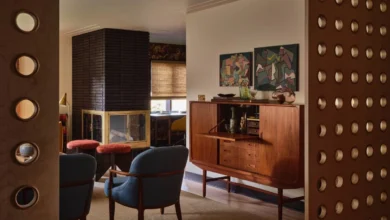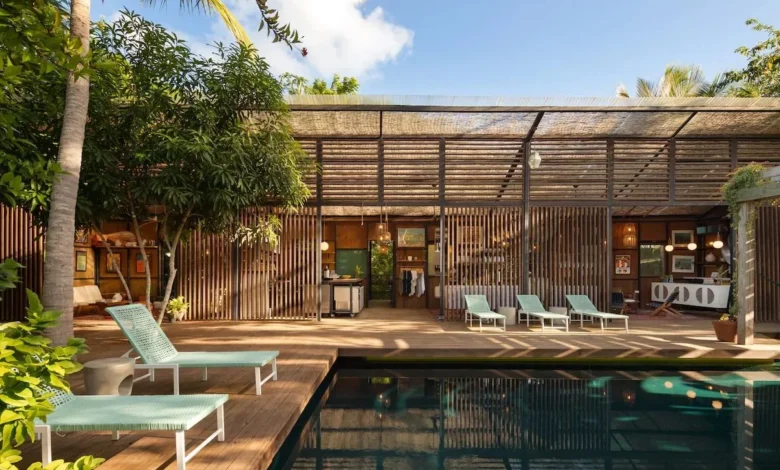
Puerto Rico is currently experiencing a historic resurgence in its tourism sector, driven by a convergence of cultural influence, infrastructure recovery, and a growing global appetite for authentic, design-led travel experiences. While the island has long been a staple of Caribbean travel, recent years have seen a marked shift in visitor demographics. This "new wave" of travelers is increasingly drawn not just by the traditional allure of tropical beaches and year-round warmth, but by the island’s sophisticated architectural landscape and its burgeoning status as a global cultural powerhouse. The "Bad Bunny effect," following the artist’s record-breaking albums and high-profile performances at the Grammys and the Super Bowl, has cast a spotlight on the Puerto Rican lifestyle, prompting a surge in interest for accommodations that reflect the island’s unique aesthetic identity.
The Evolution of Puerto Rican Tourism and Infrastructure
The trajectory of Puerto Rico’s travel industry over the past decade is a study in resilience. Following the catastrophic impact of Hurricane Maria in 2017 and the subsequent challenges of Hurricane Fiona in 2022, the island has undergone a rigorous period of reconstruction. According to data from Discover Puerto Rico, the island’s official Destination Marketing Organization (DMO), 2023 marked a record-breaking year for the tourism industry, with over 6.1 million passengers arriving at Luis Muñoz Marín International Airport and a significant increase in lodging revenue.
A critical component of this growth has been the short-term rental market. As travelers move away from large-scale resorts in favor of more intimate, localized experiences, high-end Airbnb properties have become essential to the tourism ecosystem. These properties often showcase "Tropical Modernism"—a design philosophy that prioritizes natural ventilation, indoor-outdoor fluidity, and the use of raw, local materials like concrete and cedar to withstand the Caribbean climate while maintaining a minimalist, high-design edge.
Regional Diversity: From Colonial History to Mountainous Retreats
Puerto Rico, though comparable in geographic size to the state of Connecticut, offers a topographical and architectural diversity that significantly dictates the traveler’s experience. The island is divided into distinct regions, each offering a different pace of life.
- San Juan and Santurce: The metropolitan heart of the island serves as a bridge between the past and the future. Old San Juan is defined by its 16th-century Spanish colonial architecture, characterized by cobblestone streets and pastel-hued facades. In contrast, the Santurce and Condado neighborhoods have become hubs for contemporary art, brutalist-inspired renovations, and high-concept boutique stays.
- The Central Cordillera: The mountainous interior, including areas like Cayey and Villalba, offers a cooler climate and a retreat into the "green lung" of the island. Architecture here often focuses on "stilt" construction and floor-to-ceiling glass to maximize views of the jagged peaks.
- The West Coast (Isabela and Rincón): Known for its world-class surfing, the west coast maintains a "slow travel" ethos. The architecture leans toward eco-conscious tiny homes and beachfront bungalows that emphasize a connection to the Atlantic Ocean.
- The Offshore Islands (Vieques and Culebra): These islands offer a more rugged, off-the-grid experience. Vieques, in particular, has seen a rise in architectural villas that utilize open-air concrete structures to harmonize with the surrounding wildlife refuge and bioluminescent bays.
A Curated Portfolio of Design-Forward Accommodations
The following selection represents the pinnacle of Puerto Rico’s current short-term rental offerings, categorized by their architectural merit and integration into the local landscape.
Urban Sophistication in San Juan
MARU by Dreamers Welcome (Condado): This property challenges the traditional Caribbean "white-and-blue" palette by utilizing deep olive and teal tones. It exemplifies the efficient use of compact urban space, featuring a sculptural stone soaking tub and a private outdoor shower. Its proximity to the Dreamcatcher Boutique Hotel allows guests to integrate into a wider wellness community, offering a hybrid between a private apartment and a boutique hotel experience.
Villa Blanca (Old San Juan): For those seeking historical immersion, Villa Blanca preserves the integrity of Spanish colonial design. High ceilings, ornate wooden doors, and arched windows are paired with a curated collection of contemporary Puerto Rican art. This stay provides a direct link to the island’s heritage while offering the modern amenities required for a luxury stay.
Chic Escape (Santurce): Located in the artistic epicenter of San Juan, this one-bedroom unit emphasizes earthy textures. A concrete soaking tub and stone-slab furniture create a grounding environment amidst the vibrant nightlife of the surrounding neighborhood.
Mountainous and Inland Retreats
Mountain Home in Cañabón (Barranquitas): Perched in the Central Cordillera, this residence uses floor-to-ceiling windows to treat the landscape as a living element of the decor. The use of handcrafted cedar doors and a private plunge pool creates a sanctuary that feels disconnected from the urban hustle of the coast.
Casamerica (Cayey): A sprawling hillside villa, Casamerica is designed for group travel, accommodating up to eight guests. The interior design draws inspiration from African aesthetics, creating a "safari-style" escape in the heart of the Caribbean. The property includes a koi pond and a swimming pool, emphasizing a tranquil, water-centric environment.
Tiny Home in Caonillas Arriba (Villalba): This villa is a masterclass in minimalist architecture. Oriented entirely toward the jungle, its black-framed windows provide uninterrupted sightlines of the dense greenery, effectively erasing the boundary between the inhabitant and the environment.
Coastal and Island Sanctuary
Baez Haus Tiny Treehouse (Vieques): Part of the Finca Victoria estate, this property focuses on biophilic design. The treehouse structure allows for constant airflow and views of the verdant surroundings, while the inclusion of vegan breakfast and yoga classes aligns with the growing trend of wellness-oriented tourism.
Yuma at Shacks Beach (Isabela): Located on a quiet stretch of sand known for snorkeling, Yuma is a tiny home that utilizes a moody, earthy color palette. It represents the "tiny house" movement’s expansion into the luxury market, providing a high-end, low-footprint way to experience the Atlantic coast.
Socio-Economic Implications of the Rental Market
The rise of high-end short-term rentals in Puerto Rico is not without its complexities. The influx of capital into the lodging sector has provided significant economic opportunities for local property managers, designers, and artisans. However, it has also sparked a national dialogue regarding housing affordability and the impact of "Act 60" tax incentives for non-resident investors.
Journalistic analysis suggests that the most successful and sustainable properties are those that integrate with the local community. Many hosts are now encouraging "regenerative tourism," where guests balance their leisure time with volunteer opportunities or support for local agricultural projects. This shift is essential for ensuring that the tourism boom benefits the island’s residents as much as its visitors.
Chronology of Modern Puerto Rican Travel (2017–2024)
- September 2017: Hurricane Maria causes widespread damage, leading to a temporary halt in tourism and a massive migration to the U.S. mainland.
- 2018–2019: The "Puerto Rico Se Levanta" (Puerto Rico Rises) movement begins; major hotels reopen, and the first wave of design-forward Airbnbs enters the market.
- 2020–2021: The COVID-19 pandemic prompts a surge in "work-from-anywhere" travelers, who seek long-term stays in rural and coastal Puerto Rico.
- 2022: Hurricane Fiona tests the new infrastructure; the rapid recovery of the tourism sector demonstrates increased resilience.
- 2023: Discover Puerto Rico reports record-breaking visitor numbers and lodging taxes, solidifying the island’s status as a top-tier global destination.
- 2024: The market matures with a focus on high-design, eco-conscious, and culturally integrated accommodations.
Future Outlook and Sustainable Growth
As Puerto Rico continues to evolve as a premier travel destination, the focus is shifting toward sustainability and reliability. The inclusion of "perks" such as backup solar power and water cisterns in rental listings is a pragmatic response to the island’s aging power grid, but it also reflects a broader move toward self-sufficient, eco-friendly architecture.
The future of Puerto Rican tourism lies in the balance between luxury and authenticity. By prioritizing design that honors the island’s natural beauty and colonial history, while simultaneously addressing the needs of the local economy, Puerto Rico is setting a standard for Caribbean travel in the 21st century. Travelers are no longer just looking for a place to sleep; they are looking for a curated experience that connects them to the "soul" of the island—a demand that these 13 premier properties are uniquely positioned to meet.