Floating shelves have transcended their origins as simple DIY home improvement hacks to become a cornerstone of modern interior design and architectural planning. By eliminating visible supports, these structures offer a seamless, minimalist aesthetic that maximizes vertical storage without overwhelming a room’s visual footprint. As urban living spaces continue to shrink in square footage—with the average new-build apartment in major metropolitan areas like New York and London often hovering under 700 square feet—the demand for wall-mounted, space-saving solutions has surged.
.jpeg)
The evolution of floating storage reflects broader shifts in interior design trends, moving from the heavy, enclosed cabinetry of the mid-20th century to the open, airy, and highly curated displays popular today. This shift is driven by a desire for both functionality and aesthetic personalization, allowing homeowners to turn everyday objects into decor.

The Mechanics and Evolution of Wall-Mounted Storage
The structural integrity of a floating shelf relies on an internal bracket system, typically a metal bar or frame anchored directly into the wall studs. This design allows the shelf to bear significant weight while appearing to "float" effortlessly against the wall. Historical data suggests that the popularity of this style peaked in the mid-century modern era, particularly in the 1950s and 60s, as architects sought to emphasize clean lines and structural honesty.
.jpeg)
In recent years, the market for these fixtures has expanded to include diverse materials—from powder-coated steel and solid oak to marble and tempered glass. Retailers have responded to this demand by offering specialized configurations, such as the West Elm Volume Floating Shelf, which utilizes thick-edge construction to provide a sense of stability and warmth, or the Ebern Designs River Ridge Metal collection, which caters to those seeking a more industrial, slim-profile aesthetic.
.jpeg)
Key Considerations for Installation and Utility
While the installation of floating shelves is often marketed as a straightforward weekend project, industry experts emphasize the importance of load-bearing calculations. According to home construction guidelines, a shelf is only as strong as its anchor point. Installing shelves into drywall without hitting a stud significantly reduces the maximum weight capacity, posing a risk of collapse.
.jpeg)
When evaluating potential purchases, consumers should consider the following metrics:
.jpeg)
- Weight Capacity: Most standard wood shelves can handle between 15 and 30 pounds per linear foot if properly anchored. Heavy-duty options, like the Crate & Barrel Black Elm Floating Shelf, can support up to 150 pounds, making them suitable for heavy kitchenware or extensive book collections.
- Material Durability: For high-moisture areas like bathrooms, solid wood (such as Acacia or Oak) or powder-coated steel is recommended over particleboard, which can swell or warp when exposed to humidity.
- Depth and Projection: A 6-inch depth is typically sufficient for decorative objects or perfume bottles, while an 8- to 12-inch depth is required for standard books or dinnerware.
A Curated Selection of Market Leaders
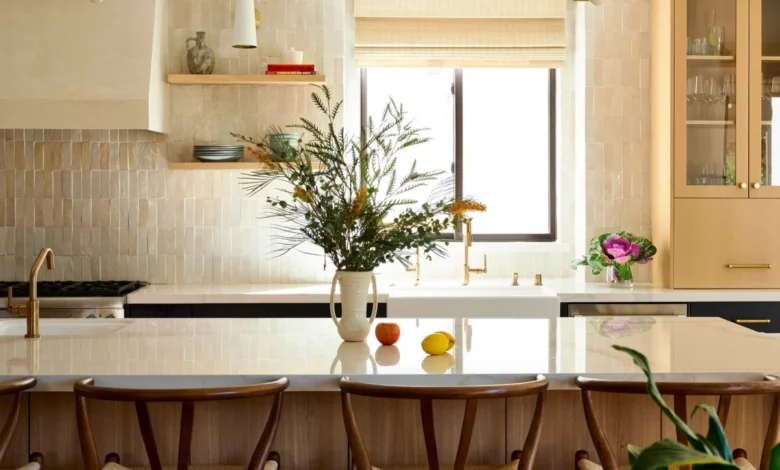
The current market offers a spectrum of designs to suit various interior styles. For those seeking minimalist elegance, the Frama Single Shelf provides a sophisticated, hardware-free look that is highly regarded by design professionals for its simplicity and clean lines. Conversely, for those leaning into maximalist or retro aesthetics, the Raawii Pipeline Duo Shelf offers bold, saturated colors and playful geometric shapes that act as focal points in a room.
.jpeg)
For entryways and mudrooms, multifunctional designs have become increasingly popular. The Article Liv Shelf & Coat Rack is a primary example of this shift, combining a display surface for mail or keys with integrated brass hooks for outerwear. This dual-purpose design addresses the "drop zone" needs of busy households while maintaining a clean visual profile.
.jpeg)
Budget-conscious consumers are also well-served by brands like Mustard Made, whose "The Ledge" brings professional-grade, powder-coated steel to the residential market at a competitive price point. The versatility of such designs—which can be mounted with a raised lip to prevent items from sliding—highlights the industry’s focus on user-centric engineering.

The Broader Impact on Home Organization
The resurgence of floating shelving is intrinsically linked to the "decluttering" movement popularized by modern lifestyle influencers and professional organizers. By moving items off the floor and onto walls, homeowners can create a more organized environment that feels larger and more breathable. This shift has implications for real estate staging as well; realtors often recommend wall-mounted storage to improve the perceived value of a property by highlighting wall height and floor space.
.jpeg)
Furthermore, the environmental impact of these storage solutions is being addressed by major manufacturers. Many are moving toward sustainable materials, such as FSC-certified wood and recyclable metals, responding to a consumer base that increasingly prioritizes eco-conscious manufacturing.

Addressing the Question of Longevity
Critics occasionally ask if the floating shelf trend is nearing its expiration date. Design historians argue that the "floating" concept is not a trend but a standard of modern architecture. Unlike faddish decor elements, shelving serves a fundamental human need: the storage and display of personal items. As long as urban dwellings remain constrained, the necessity for efficient, wall-mounted storage will persist.
.jpeg)
The future of this product category likely lies in smarter integration. We are already seeing the emergence of shelves with integrated LED lighting, such as the Ebern Designs Sluiter Floating Shelf, which serves the dual purpose of storage and ambient room lighting. This evolution toward "smart furniture" suggests that the floating shelf will continue to adapt to the changing technological and spatial needs of the modern home.
.jpeg)
Final Analysis: Selecting the Right Fit
Before finalizing a purchase, users should assess the intended function of the space. A gallery wall of shelves, such as those created with the Lulu and Georgia Nomi series, can turn a blank hallway into a curated display. In contrast, a single, high-capacity shelf in a kitchen should prioritize durability and weight capacity above aesthetic flourishes.
.jpeg)
The diversity of the current market—ranging from the $17 IKEA FLORSJÖN wall shelf to the $599 Pierce & Ward Notch Floating Bookshelf—ensures that these pieces remain accessible to a wide demographic. Whether the goal is to create a library, a bar, or a minimalist gallery, the floating shelf remains the most versatile tool in the decorator’s arsenal. By selecting pieces that align with both the structural requirements of the wall and the aesthetic goals of the room, homeowners can create spaces that are both highly organized and deeply personal.
.jpeg)
As architectural trends shift toward more flexible, adaptable living environments, the floating shelf stands as a testament to the enduring power of simple, functional design. It is not merely a piece of furniture; it is a fundamental element of how we curate our lives, one wall at a time.