Star-Studded Reception for Florian Zellers Marriage Drama Bunker at the 83rd Venice Film Festival Masks Mixed Critical Response

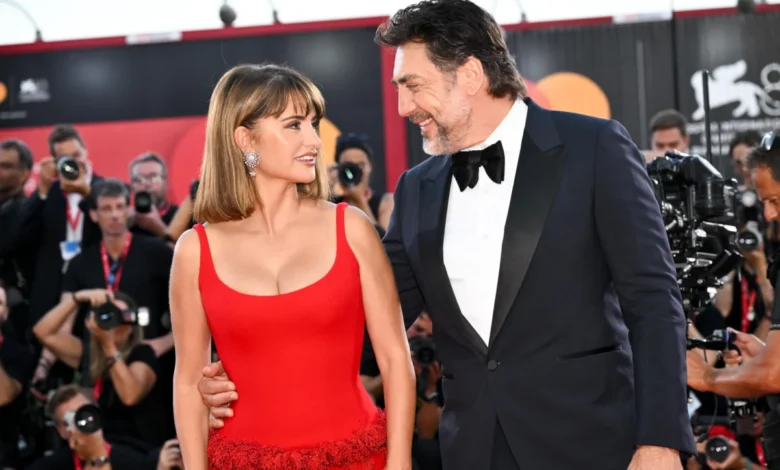
The 83rd Venice Film Festival played host to one of the most high-profile premieres of its international slate with the world debut of Bunker, a marital drama directed by Florian Zeller. Starring real-life power couple Javier Bardem and Penélope Cruz, the film generated a massive wave of adulation inside the Palazzo del Cinema, underscored by what is widely reported to be the longest standing ovation of the festival thus far. Yet, despite the theatrical display of affection from the audience—which was championed by festival artistic director Alberto Barbera—the picture walked a precarious line between red-carpet glamour and a distinctly muted critical appraisal.
While the auditorium resonated with cheers that lasted well past standard festival protocols, professional critics exiting the earlier press screenings offered a far more temperate assessment. The disparity between public enthusiasm and critical reservation immediately ignited debate regarding the trajectory of the film, its distributor Sony Pictures Classics, and the broader awards season implications for its celebrated lead actors.
A Chronology of Anticipation and Mixed Reception
Florian Zeller entered the upper echelon of contemporary filmmaking with his 2020 feature directorial debut, The Father. Adapted from his own critically acclaimed stage play, the poignant drama captivated audiences and critics alike, ultimately securing Academy Awards for Best Adapted Screenplay and Best Actor for Sir Anthony Hopkins. However, Zeller’s sophomore effort, The Son, endured a notoriously hostile critical reception upon its release, failing to capture the magic of its predecessor.
Bunker, therefore, arrived at the Lido carrying immense pressure. Written specifically with Bardem and Cruz in mind, the narrative explores a modern marital breakdown brought to a literal and psychological head when an architect husband accepts a lucrative commission to construct a luxury fallout shelter for a reclusive tech billionaire.

Following morning press screenings, reviewers offered a tepid verdict. While the film escaped the aggressive takedowns that plagued The Son, it failed to scale the heights of The Father. Observers noted that the fervent applause on premiere night owed less to cinematic consensus and more to the palpable star power of Bardem and Cruz, alongside the theatricality of a real-life couple exploring the frayed edges of fictional matrimony on screen.
Blurring Lines Between Reality and Fiction
During the official festival press conference, Zeller addressed the unique casting decision, explaining his intent to leverage the inherent chemistry and shared history of his lead actors.
"I felt it would be a unique way to capture something special as a real couple, to give layers to all the scenes of this film, to blur the line of course between reality and fiction," Zeller told journalists gathered at the Palazzo del Cinema.
The strategy yielded complex performances from both actors, though industry analysts suggest the project functions primarily as an auxiliary component of their respective, broader Oscar campaigns rather than a vanguard vehicle for major Academy recognition. For Cruz, Bunker arrives during an exceptionally prolific production cycle. The Spanish actress has already appeared in four prominent features this year, including a critically praised turn in the A24-distributed Sundance hit The Invite. Much like Bunker, The Invite positions Cruz as an anchor of domestic drama, continually interrogating the fragility and resilience of long-term relationships.
Bardem, meanwhile, navigates a more comedic register within Zeller’s script—a stylistic choice that historically encounters resistance from Academy voters. Nevertheless, his portfolio remains robust; his commanding performance in Kino Lorber’s upcoming awards-contender The Beloved, which debuted earlier this year at the Cannes Film Festival, firmly establishes his extraordinary range across diverse cinematic landscapes.

Supporting Players and Societal Commentary
Beyond its central couple, Bunker features a carefully curated supporting ensemble that anchors its thematic explorations of modern paranoia and isolation. Recent Emmy winner Stephen Graham delivers a disquieting turn as an intrusive, unsettling neighbor, grounding the suburban tension of the narrative.
However, it is Paul Dano who commands considerable post-premiere discussion through a singular, extended appearance as a shadowy Silicon Valley tech mogul. Dano’s performance injects sharp, timely social commentary into the narrative, echoing contemporary societal anxieties regarding the influence and lifestyle choices of technology oligarchs. Within the context of the film’s awards potential, Dano’s brief yet potent contribution emerges as the production’s most viable contender for individual supporting actor recognition.
Awards Season Calculus for Sony Pictures Classics
As a high-prestige acquisition for Sony Pictures Classics, Bunker initially entered the fall festival circuit bearing the unofficial designation of the distributor’s premier Oscar hopeful. This status largely explains the concerted promotional push and the celebratory atmosphere generated at its Venice premiere.
Industry veterans, however, note that Sony Pictures Classics maintains a diverse and formidable slate for the upcoming awards cycle. The studio’s internal hierarchy of contenders may favor other high-profile projects, such as John Turturro’s transformative lead performance in The Only Living Pickpocket in New York, or A Statement, directed by Academy Award winner Tom McCarthy, which is slated for a high-profile showcase at the New York Film Festival.
Furthermore, historical precedent suggests that festival standing ovations do not automatically translate into Academy Award nominations. The past two consecutive winners of the festival’s prestigious Golden Lion, despite benefiting from rapturous post-premiere receptions, ultimately departed the subsequent Academy Awards cycle empty-handed. Should Bunker manage to secure the festival’s top prize, its Oscar momentum could see a significant resurgence; absent that distinction, the film will likely rely on the enduring goodwill and individual prestige of its creators and cast.

Broader Implications for Festival Strategies
The reception of Bunker at the 83rd Venice Film Festival underscores a recurring phenomenon in contemporary cinema: the tension between red-carpet pageantry and rigorous critical analysis. For international film festivals, high-wattage star arrivals generate essential global media coverage and fan engagement. For distributors like Sony Pictures Classics, the challenge lies in translating emotional festival moments into sustainable, long-term theatrical campaigns.
As Bunker prepares for its commercial rollout, its commercial and critical legacy will depend on whether audiences resonate with its intimate exploration of marital decay or view it merely as a vehicle to witness two of international cinema’s most revered performers sharing the screen. Regardless of its ultimate awards fate, Zeller’s latest endeavor has successfully dominated the early conversation of the autumn festival season, setting the stage for a competitive and unpredictable race to the Oscars.