On Friday nights, IndieWire After Dark dedicates itself to celebrating the vibrant and often unconventional landscape of fringe cinema in the streaming era. Each week, we spotlight a "midnight movie" from any period of film history, exploring its unique place in the cinematic universe. This week, our focus falls on Cryptina, a burgeoning horror hostess whose journey from a short film pilot to a cult following is a testament to the enduring power of independent creativity and the evolving nature of fandom.
The Genesis of Cryptina: From Concept to Cult Darling
The story of Cryptina, the white-blonde horror hostess, began not on a grand studio set, but in the buzzing atmosphere of McKibbins’ Irish Pub in Montreal. It was during the 2026 Fantasia Film Festival, a renowned international showcase for genre cinema, that IndieWire contributor Alison Foreman encountered filmmakers Steph and Ryan Twyford-Rigley. The couple, in town to promote their crowdfunded debut feature "Goat Sword," were initially discussing their upcoming project. However, the conversation soon veered towards a passion project that had captured their imaginations: Cryptina.
The character first emerged in a 12-minute proof-of-concept pilot titled "Cryptina’s Spook-Time Variety Show" in 2017. This initial foray into horror hosting showcased a unique blend of awkward charm and genre homage. While the pilot was well-received within niche circles, Cryptina’s presence expanded during the COVID-19 pandemic. The Twyford-Rigleys produced several feature-length anthology hosting segments, further developing the character and her distinct persona. These segments, along with the original pilot, are now accessible through streaming platforms like Troma Now and publicly available on YouTube, allowing a wider audience to discover Cryptina’s peculiar brand of entertainment.

The character’s early success was underscored by its recognition from seasoned horror aficionado Joe Bob Briggs, who featured Cryptina in the competition for "The ABCs of Death 2.5." This inclusion hinted at the potential for Cryptina to transcend the festival circuit and find a broader platform. However, as is often the case with independent productions, the envisioned expansion into a full-fledged television series never materialized, leaving the character in a state of cult appreciation rather than mainstream stardom.
The Challenges and Triumphs of an Independent Creation
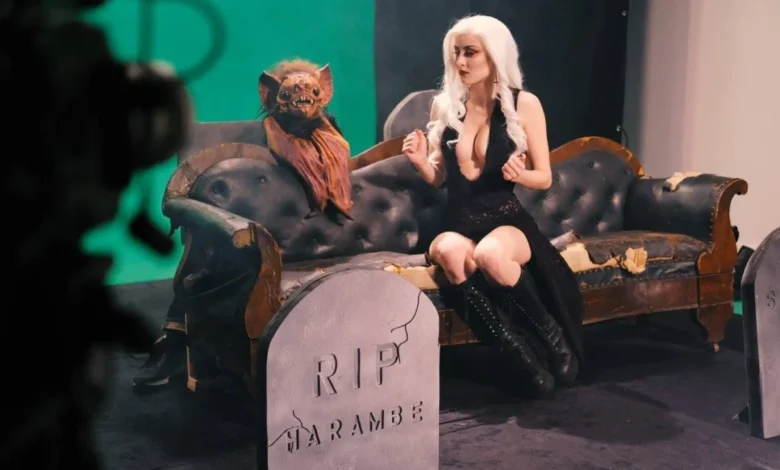
Despite the unfulfilled promise of a dedicated series, Cryptina’s journey has been far from uneventful. The production of the original pilot itself was a testament to the DIY spirit of independent filmmaking. Steph Twyford-Rigley, who embodies the character, recalled the chaotic yet joyful process of building a graveyard-themed set in their living room, while Ryan Twyford-Rigley humorously recounted running around in his underwear due to the intense heat generated by the fog machine in their city apartment. These behind-the-scenes anecdotes highlight the personal investment and creative passion that fuels such projects.
The character’s narrative has also encountered unexpected challenges. Most recently, an AI imitator posing as Cryptina became a significant nuisance, prompting the filmmakers to issue a cease-and-desist order. This incident, while frustrating, also serves as an unintended validation of Cryptina’s growing cultural footprint, indicating that the character has become recognizable enough to be mimicked. The filmmakers’ dedication to protecting their creation underscores its value to them, not just as a past project, but as a living entity with ongoing relevance.
Steph Twyford-Rigley’s reflections on her past work are particularly poignant. She states, "Whenever someone asks me if I’m embarrassed by my old work, I always say no. I love everything I’ve ever done. I don’t even want to call it a stepping stone because that implies that it’s a lesser thing of the past. It was a different time, and it forever brings me joy." This sentiment encapsulates the intrinsic value of creative endeavors, regardless of their commercial success, and emphasizes the personal growth and artistic satisfaction derived from their creation.

The couple’s relationship itself is intertwined with their creative output. They first met after a Ghost concert, leading to a remarkable 14-hour first date. Their subsequent long-distance relationship, maintained through letters and themed care packages, further solidified their bond and creative synergy. This shared history imbues Cryptina with an added layer of personal significance, representing a tangible artifact of their enduring partnership and artistic collaboration.
The "Bait": Cryptina as a Modern Horror Host Archetype
The "Bait" section of IndieWire After Dark delves into the conceptual underpinnings of the featured film, exploring its niche and current relevance. In the case of Cryptina, the discussion centers on her potential to fill a void in the horror hosting landscape, a role largely defined by the iconic Elvira, Mistress of the Dark.
Elvira, portrayed by Cassandra Peterson, became a cultural phenomenon through her blend of campy humor, sultry allure, and genuine affection for the B-movies she presented. Her effervescent personality made her a universally beloved figure in the horror community, transcending genre boundaries. However, with Peterson’s retirement of the character, a distinct niche in horror hosting has been left open.
Wilson Chapman, writing for IndieWire, posits that Cryptina offers a compelling alternative for the modern era. Unlike Elvira’s polished persona, Cryptina embodies a more contemporary sensibility, characterized by social awkwardness and a palpable sense of self-consciousness. This approach resonates with the anxieties and digital saturation of today’s audience. Steph Twyford-Rigley’s portrayal captures a horror hostess who is "desperately trying to be a mysterious, seductive horror host but who’s just a little too self-conscious and uncomfortable in her own skin to pull it off." This relatable vulnerability, rather than detracting from the character, enhances her appeal.

The pilot film itself, "Cryptina’s Spook-Time Variety Show," features a delightfully silly "Twilight" parody where Count Orlok, from F.W. Murnau’s "Nosferatu," replaces the brooding Edward Cullen. This absurd premise, coupled with Cryptina’s awkward delivery, exemplifies the so-bad-it’s-good comedic style that often defines cult cinema. The anthology hosting segments, while lacking the actual films being presented, showcase Twyford-Rigley’s charm and her ability to create engaging banter with her monstrous sidekick, Ghoulsby. Her self-aware humor, from forgetting cues to over-explaining jokes, makes the character endearing and relatable.
Chapman concludes that while Cryptina may not directly replicate Elvira’s legendary status, the very fact that the comparison is being made signifies her potential. The character’s inherent anxiety and online presence make her a compelling figure for a generation that navigates the world through digital interfaces and often grapples with similar social anxieties.
The "Bite": Is Cryptina Worth Recommending?
The "Bite" segment offers a spoiler-filled evaluation of the film’s merit. In this case, the question is whether Cryptina, as a horror hostess and her presented content, is genuinely worth recommending.
Wilson Chapman argues that Cryptina’s appeal lies in her authenticity and her connection to the current cultural zeitgeist. He highlights the accessibility of her work, noting how platforms like Troma Now and YouTube have democratized access to independent cinema, allowing viewers to engage with creators like the Twyford-Rigleys from anywhere. This accessibility is crucial for fostering a dedicated fanbase for unconventional content.

The "so-dumb-it’s-genius" nature of the presented material, particularly the "Twilight" parody, is cited as a key strength. The humor derived from the juxtaposition of classic horror iconography with contemporary pop culture phenomena, delivered through Cryptina’s awkward yet charming persona, creates a unique viewing experience. The pandemic-era anthology segments, though surreal in their presentation, further emphasize Twyford-Rigley’s charisma and her ability to command attention even without visible on-screen films.
Chapman’s analysis suggests that Cryptina’s value is not solely in her comedic timing or the quality of the films she introduces, but in her embodiment of a particular kind of modern horror fandom. She represents a generation of creators and viewers who are deeply immersed in internet culture, unafraid of embracing the absurd, and finding connection in shared niche interests. The fact that her character has inspired fan art, garnered recognition from industry figures, and even prompted legal action against imitators speaks volumes about her impact.
The article concludes with a powerful observation about the enduring legacy of independent film. Cinema, it suggests, has an unparalleled ability to preserve memories, not just of grand artistic achievements, but of the smaller, idiosyncratic efforts that become deeply intertwined with the lives of their creators. Cryptina’s story is a prime example of this phenomenon. Years after her initial appearance, the character continues to resonate, finding new fans and demonstrating that sometimes, the most enduring creations are those fueled by passion and a refusal to be forgotten. The anecdote of a doctor recognizing Ryan Twyford-Rigley from the pilot in an emergency room serves as a poignant illustration of the unexpected ways in which independent art can leave a lasting impression. Cryptina, it seems, is not just a character; she is a testament to the power of persistent creativity and the unpredictable ways in which art finds its audience.