The United Nations Security Council has convened an emergency session at UN Headquarters in New York to address a sharp and alarming escalation of hostilities in Yemen. The urgent gathering follows a turbulent week marked by intensified Houthi offensive operations, cross-border drone and missile attacks targeting Saudi infrastructure, the strategic capture of a vital Red Sea port, and the brazen seizure of humanitarian assets, including multiple United Nations vehicles.
Diplomatic sources indicate that the rapid deterioration of the situation on the ground has alarmed international mediators, threatening to completely derail fragile peace initiatives and plunge the war-torn nation back into intensive, large-scale warfare. The open briefing and closed consultations aim to forge a unified international response to the escalating crisis, protect vital humanitarian supply chains, and address the growing threat to regional security and international maritime trade routes.
Chronology of the Escalation
The sequence of events leading to Thursday’s emergency Security Council session unfolded rapidly over a matter of days, catching international observers and aid organizations off guard.
Late last week, Houthi forces intensified their movements along Yemen’s western coastline, focusing their operational efforts on remaining government-held or contested districts near the Red Sea. By early this week, reports confirmed that militant forces had successfully captured another key port facility along the strategic coastline. This maritime hub is critical not only for commercial imports but also for the delivery of humanitarian aid to millions of vulnerable Yemenis suffering from acute food insecurity.
Parallel to the coastal offensive, monitoring groups and regional authorities reported a surge in cross-border aerial assaults. On Tuesday, a series of explosive-laden drones and ballistic projectiles were launched from Houthi-controlled territory toward targets in the Kingdom of Saudi Arabia. While regional air defense systems intercepted a significant portion of the incoming threats, the attacks underscored the persistent danger cross-border hostilities pose to regional stability and civilian infrastructure.
Compounding the military escalation, Houthi fighters reportedly breached a major United Nations humanitarian logistics base situated near the newly captured port. During the raid, militants seized eight active UN operational vehicles, alongside critical communication and logistics equipment. This incident severely hampers the ability of international relief organizations to safely deploy mobile medical teams, assess community needs, and distribute life-saving rations to displaced persons camps across the region.
Humanitarian Toll and Operational Constraints
The timing of this fresh flare-up could not be more catastrophic for the civilian population in Yemen. Years of sustained conflict have devastated the country’s civic infrastructure, crippled its healthcare system, and left an estimated two-thirds of the population entirely dependent on humanitarian assistance for survival.
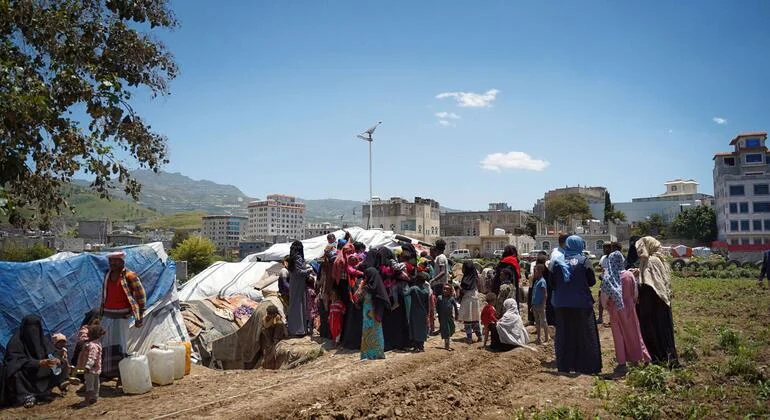
According to data compiled by the United Nations Office for the Coordination of Humanitarian Affairs (OCHA) and partner agencies like the World Health Organization (WHO), malnutrition rates among children under the age of five remain near critical thresholds in several governorates. Mobile medical teams, which rely heavily on secure transport and unhindered access corridors, have been a lifeline for populations stranded in remote displacement camps.
The seizure of UN operational vehicles and the ongoing insecurity around critical Red Sea ports threaten to paralyze these aid operations entirely. International NGOs and UN agencies have repeatedly emphasized that humanitarian assets must remain strictly neutral and protected under international law. The diversion or seizure of these vehicles not only directly impacts the immediate delivery of aid but also forces organizations to suspend missions in high-risk zones, leaving hundreds of thousands of vulnerable civilians without access to clean water, medicine, and nutritional support.
Geopolitical Implications and Regional Stability
The latest developments carry profound geopolitical implications, threatening to unravel years of painstaking diplomatic efforts brokered by the United Nations and regional partners. The Red Sea corridor is one of the world’s most critical maritime choke points, through which a substantial percentage of global commerce and energy supplies transit daily.
Security analysts point out that the combination of cross-border missile strikes and the consolidation of Houthi control over key coastal areas introduces a volatile dynamic that could draw regional powers back into active military confrontation. Saudi Arabia, which has sought to stabilize its southern border and foster a lasting political settlement through direct talks, views the recent drone and missile salvos as a direct provocation.
Furthermore, international shipping firms and maritime insurers are closely monitoring the situation. Heightened instability along the Yemeni coastline raises the specter of renewed disruptions to commercial shipping, evoking memories of previous maritime security crises that rattled global supply chains and drove up shipping and insurance costs worldwide.
Official Responses and Statements
As the emergency session commenced at 3:00 PM EST, high-ranking UN officials briefed the 15-member Council on the gravity of the humanitarian and security landscape. Special Envoy for Yemen Hans Grundberg is expected to provide a detailed assessment of the diplomatic deadlock, warning that military escalations will only inflict further suffering on the Yemeni populace and complicate ongoing peace negotiations.
Member states on the Security Council have expressed profound dismay over the deteriorating security situation. Several delegations have issued strong condemnations of the cross-border attacks against Saudi Arabia, characterizing them as violations of international norms and a direct threat to regional peace. Concurrently, Western and regional members have strongly denounced the seizure of UN humanitarian assets, demanding their immediate and unconditional return to international custody.
While permanent members navigate differing strategic priorities regarding the broader Middle East, the immediate consensus within the chamber centers on the imperative of safeguarding humanitarian space, ensuring freedom of navigation in the Red Sea, and compelling all parties to return to the negotiating table.
Path Forward and What to Watch
The immediate outcome of Thursday’s Security Council meeting will likely set the tone for international diplomacy concerning Yemen in the coming months. Observers will be closely analyzing the official statements and potential resolutions or presidential statements emerging from New York to gauge whether the international community can exert sufficient leverage to halt the current momentum toward renewed warfare.
Key indicators of future trajectory will include:
- Whether Houthi leadership responds to international pressure by returning the seized UN vehicles and guaranteeing safe passage for aid workers.
- The nature and scale of any potential regional military response to the recent cross-border drone and missile strikes.
- The resilience of the existing ceasefire and de-escalation frameworks in other contested regions of Yemen, notably around Marib and Taiz.
- Continued updates from UN agencies regarding the operational status of Red Sea ports and their capacity to process incoming food and fuel shipments.
As the situation remains highly fluid, the United Nations continues to urge maximum restraint from all belligerents, reminding parties to the conflict of their obligations under international humanitarian law to protect civilians, respect the neutrality of aid operations, and prioritize a peaceful, inclusive political solution to the enduring crisis.