BF Goodrich Launches Enhanced Trail-Terrain T/A + Tire to Meet Growing Demand for High-Performance Crossover Adventure Vehicles.

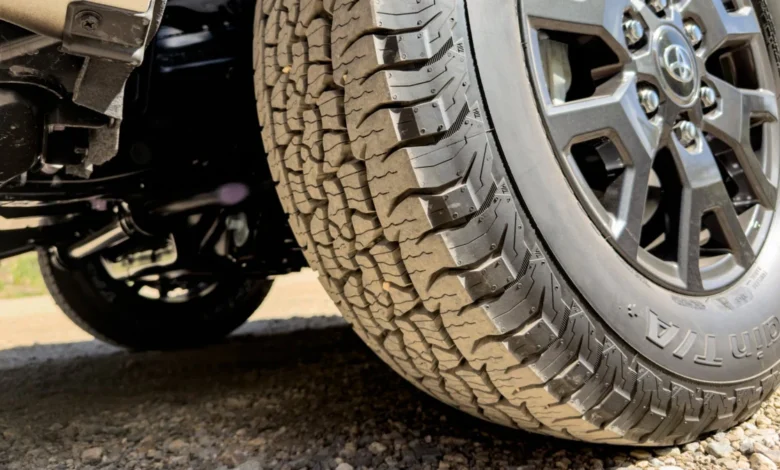
The automotive landscape has undergone a seismic shift over the last decade, transitioning from traditional sedans and heavy body-on-frame SUVs toward the versatile crossover utility vehicle (CUV). As these vehicles become the primary choice for families and outdoor enthusiasts alike, the demand for specialized equipment has surged. In response to this evolving market, BF Goodrich has officially released the Trail-Terrain T/A +, a tire specifically engineered to bridge the gap between high-performance highway comfort and rugged off-road capability. This latest iteration, launched in mid-2026, represents a significant technical update to the original Trail-Terrain T/A series first introduced in 2021.
A New Paradigm for Crossover Versatility
For years, tire manufacturers focused their all-terrain research and development on heavy-duty trucks and dedicated off-roaders like the Jeep Wrangler or Toyota Tacoma. However, the rise of "soft-roading"—a trend where owners of unibody vehicles like the Subaru Outback, Honda CR-V, and Toyota RAV4 seek to explore forest service roads and dispersed camping sites—created a void in the market. Standard all-season tires often lack the puncture resistance and traction required for rocky paths, while traditional all-terrain tires, such as the BF Goodrich KO3, are often too heavy and noisy for the lighter suspension systems of a Crossover.
The Trail-Terrain T/A + is positioned as the solution to this dilemma. It is designed for drivers who prioritize on-road manners and fuel efficiency but refuse to be limited by the fragility of a standard street tire. By focusing on the specific weight ratings and handling characteristics of CUVs, BF Goodrich has developed a product that offers "adventurer cred" without the typical drawbacks of aggressive off-road rubber.
Technical Innovations in Tread Compound and Design
The primary advancement in the Trail-Terrain T/A + lies in its proprietary rubber chemistry. BF Goodrich engineers have introduced a revised compound with a significantly higher concentration of silica. In tire manufacturing, silica is a critical component used to improve treadwear and enhance grip on wet surfaces. By optimizing the silica-to-polymer ratio, the T/A + achieves a 10 percent improvement in wet-road traction compared to its predecessor. This is a vital safety metric for vehicles that serve as daily commuters in rainy or coastal climates.
Beyond chemical composition, the tire’s architecture has been reinforced to combat "cut-and-chip" damage. This phenomenon occurs when sharp gravel or jagged rocks tear small pieces of rubber away from the tread blocks, eventually leading to premature tire failure or a loss of balancing. The T/A + utilizes a specialized tread design that ejects stones more efficiently and provides a tougher barrier against the abrasive nature of unpaved surfaces.
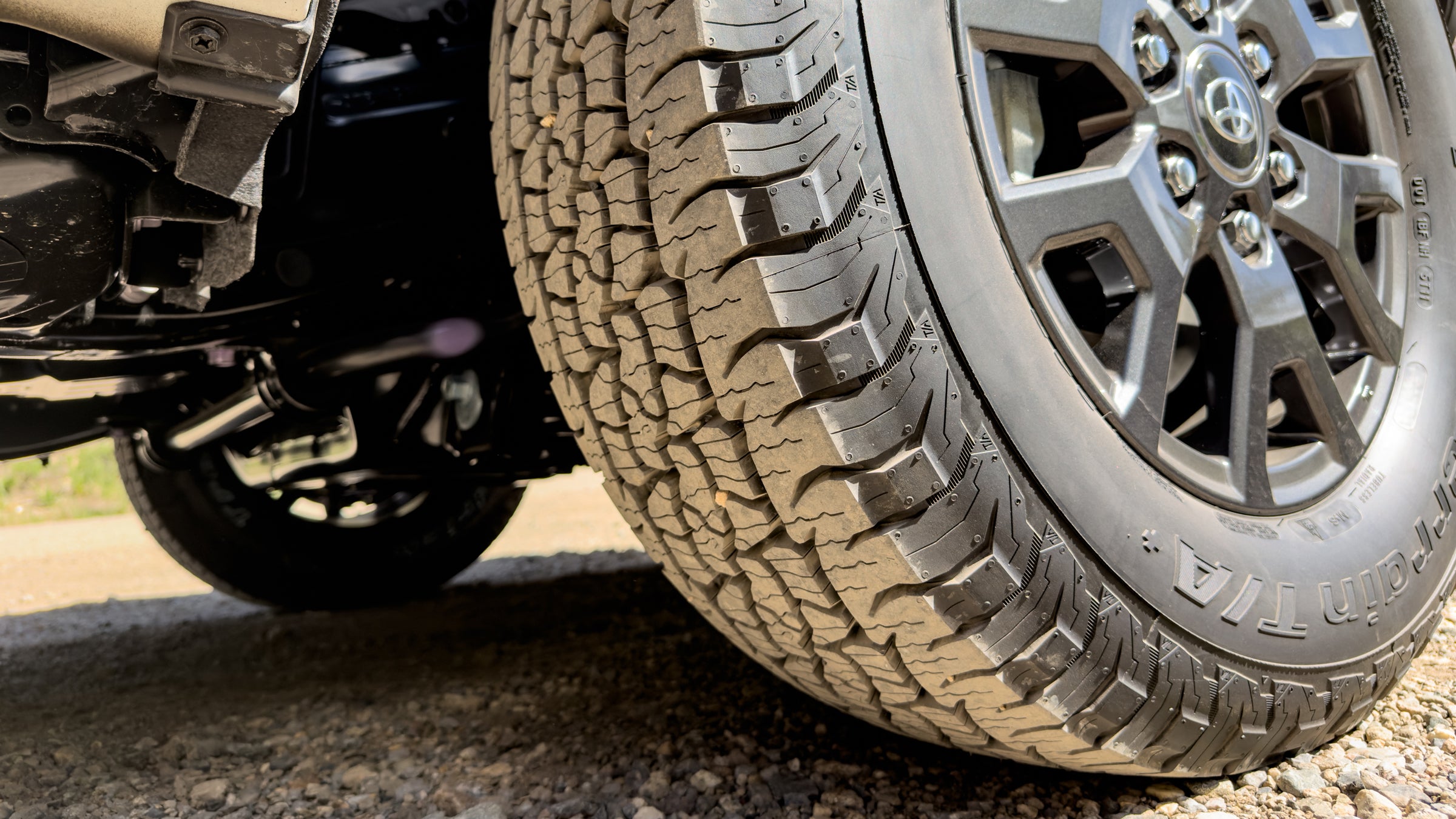
Furthermore, the tire features a 5 percent reduction in rolling resistance. In an era where fuel economy and electric vehicle (EV) range are paramount, this reduction is a critical engineering achievement. Lower rolling resistance means the engine—or electric motor—does not have to work as hard to maintain forward momentum, directly translating to better miles-per-gallon (MPG) or watt-hours per mile.
Performance Metrics and All-Weather Certification
One of the most sought-after designations in the modern tire market is the Three-Peak Mountain Snowflake (3PMSF) symbol. The Trail-Terrain T/A + carries this certification, indicating that it has exceeded the industry requirements for severe snow traction. Unlike standard "Mud and Snow" (M+S) rated tires, which only meet basic geometry requirements, 3PMSF tires are subjected to rigorous testing in actual winter conditions.
This makes the T/A + an "all-weather" solution rather than just an "all-season" one. For drivers living in regions with fluctuating winter weather, this eliminates the need for a secondary set of dedicated winter tires, provided they do not encounter extreme ice on a daily basis. The ability to maintain grip on snowy mountain passes while heading to ski resorts is a core component of the tire’s value proposition.
BF Goodrich has backed these technical claims with a robust warranty program. The Trail-Terrain T/A + comes with a 65,000-mile limited treadwear warranty, an increase of 5,000 miles over the previous generation. Internal company data suggests that the new compound allows for a 25 percent longer lifespan than the original model, addressing consumer concerns regarding the cost of frequent tire replacements.
Comparative Market Analysis
The crossover-specific all-terrain category is becoming increasingly competitive. The Trail-Terrain T/A + enters a field that includes established rivals such as the Falken Wildpeak A/T Trail, the Goodyear Wrangler TrailRunner AT, and the Cooper Discoverer Road+Trail AT.
Industry analysts note that while many of these competitors offer similar aesthetic appeal, BF Goodrich is leveraging its decades of racing heritage in the Baja 1000 to market the T/A + as the most durable option in the segment. While the Falken Wildpeak A/T Trail has long been the favorite for Subaru enthusiasts, the updated T/A + seeks to reclaim market share through its superior rolling resistance and enhanced wet-weather performance.
"The challenge for manufacturers in this segment is balance," says automotive industry analyst Mark Henderson. "If you make the tire too aggressive, you ruin the quiet ride of a luxury crossover. If you make it too soft, it fails on the first rocky trail. BF Goodrich is betting that their new compound provides the exact middle ground the market is currently demanding."
Testing and Real-World Application in Rugged Terrains
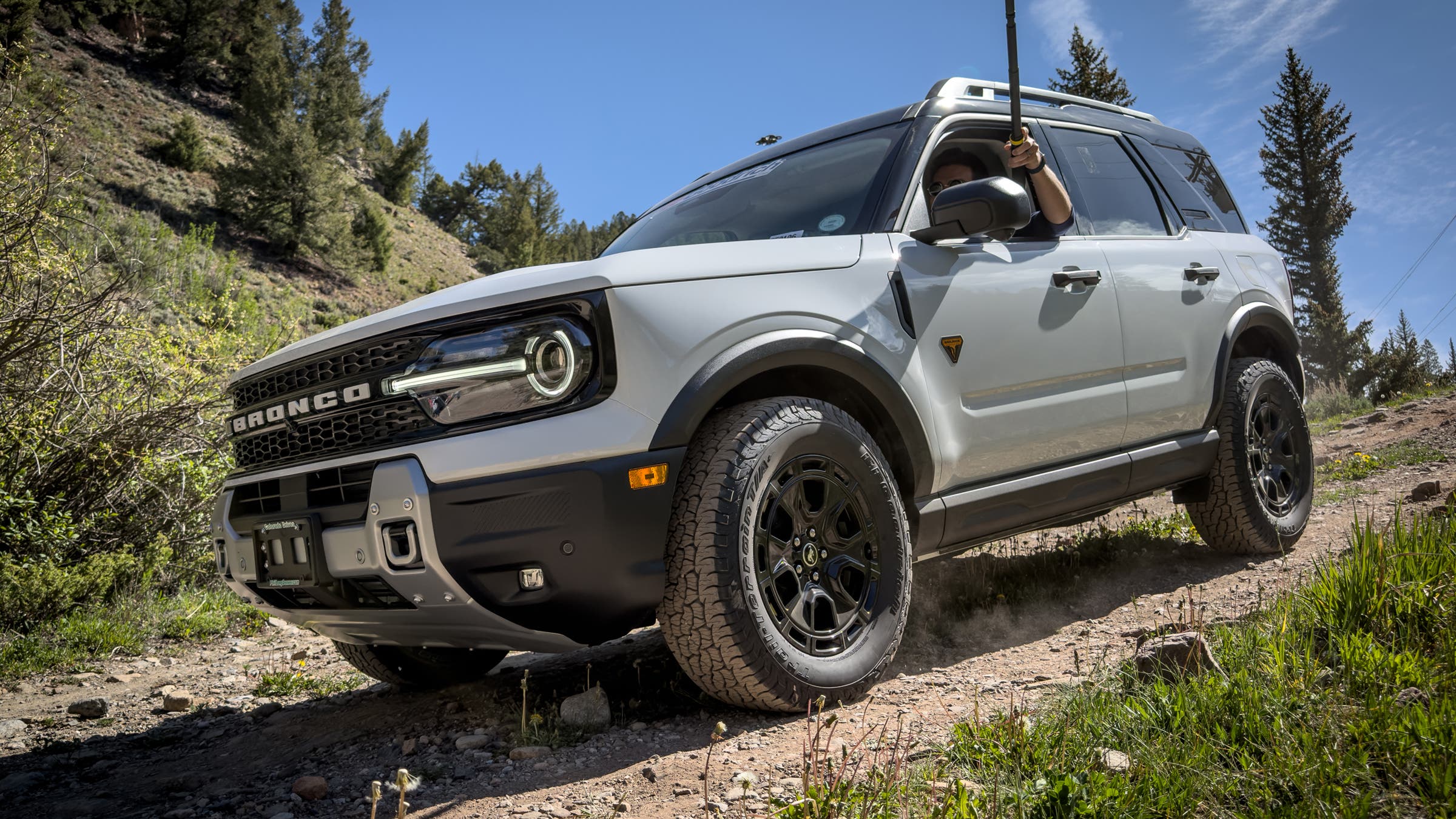
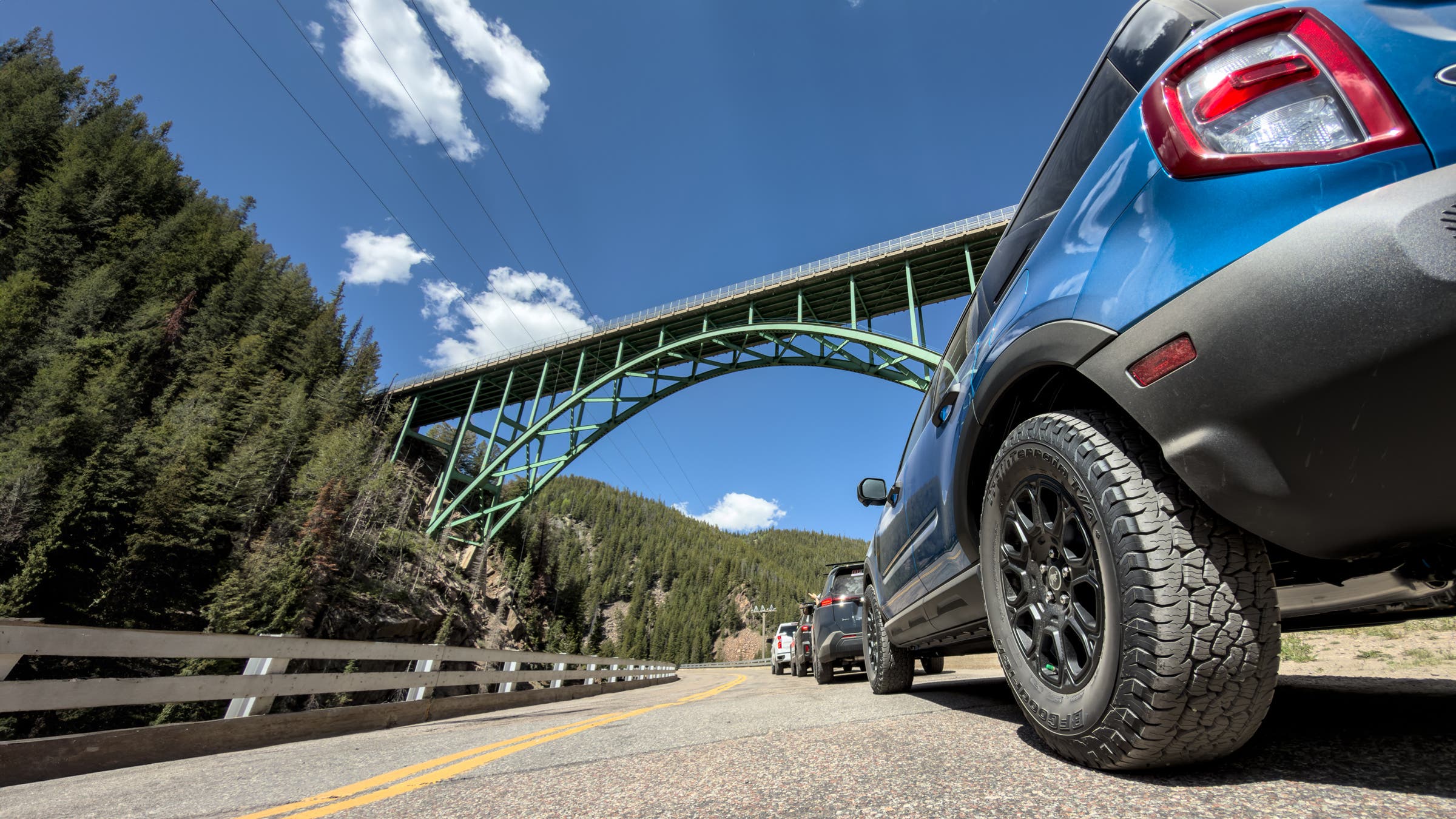
To demonstrate the capabilities of the new tire, BF Goodrich conducted extensive field testing in the high-altitude environment of Vail, Colorado. The testing fleet included a diverse range of vehicles, from the unibody Ford Bronco Sport and Subaru Outback to the larger Chevy Tahoe and Toyota 4Runner. This variety was intended to show the tire’s versatility across different weight classes and drivetrain configurations.
During highway evaluations on Interstate 70, the tires were noted for their lack of "road hum," a common complaint with all-terrain tires. Even at speeds of 75 miles per hour, the cabin noise remained comparable to that of standard equipment tires. The stability of the sidewalls was also tested on the steep, winding descents of the Rockies, where the tires maintained a consistent contact patch without the "squirm" often felt in deep-lugged tires.
The off-road portion of the testing involved navigating "washboard" gravel roads and moderate rocky ascents. The T/A + provided sufficient mechanical grip to climb loose switchbacks without excessive wheel spin. While it is not intended for "rock crawling" or deep mud bogging—territory still reserved for the Mud-Terrain T/A KM3—it proved more than capable of handling the types of terrain encountered by 90 percent of outdoor enthusiasts.
Economic and Environmental Implications for the Modern Driver
The release of the Trail-Terrain T/A + also reflects broader economic trends. As the average price of a new vehicle continues to rise, consumers are keeping their cars longer and demanding components that offer better longevity. The 65,000-mile warranty is a strategic move to appeal to budget-conscious families who view their tires as a long-term investment.
Environmentally, the tire’s improved lifespan and reduced rolling resistance contribute to a smaller overall carbon footprint. By extending the interval between tire changes, BF Goodrich is reducing the volume of rubber waste. Additionally, the improved fuel efficiency helps mitigate the environmental impact of internal combustion engines, while also preserving the range of the growing number of electric crossovers, such as the Ford Mustang Mach-E or the Tesla Model Y, which are increasingly being fitted with "adventure-ready" modifications.
Conclusion: The Future of the Crossover Segment
The BF Goodrich Trail-Terrain T/A + is more than just a product update; it is a recognition of the "everyday adventurer" demographic. It acknowledges that for most people, the "adventure" begins after a long highway drive, and the vehicle must perform flawlessly in both environments.
As more manufacturers release "trail-ready" trims of their popular crossovers—such as the Subaru Wilderness editions or the Toyota RAV4 TRD Off-Road—the demand for tires that can match these vehicles’ capabilities will only grow. With the T/A +, BF Goodrich has established a high benchmark for durability, efficiency, and all-weather safety, ensuring that even the most modest "dad van" or family commuter can confidently take the road less traveled.
The tire is now available in a wide range of sizes, covering the majority of CUV and light SUV fitments on the market today. As the summer travel season approaches, it is expected to become a top choice for those looking to upgrade their vehicles for the challenges of the great outdoors.
Related posts: