For decades, the North American winter tourism landscape has been dominated by a select group of high-profile destinations. Names such as Jackson, Telluride, Park City, Aspen, and Stowe have long served as the industry’s benchmarks, commanding significant market share and driving the lion’s share of seasonal revenue. However, data from the National Ski Areas Association (NSAA) indicates a shifting consumer preference. As lift ticket prices at marquee resorts continue to climb—often exceeding $300 per day during peak windows—and infrastructure at these hubs faces unprecedented congestion, a growing segment of the skiing population is seeking alternatives that prioritize affordability, accessibility, and a return to the traditional alpine experience.
The following analysis profiles seven regions that have maintained their authentic character while providing high-quality skiing, offering a strategic alternative for travelers looking to bypass the crowds of the major corporate-owned resorts.
The Economic Shift in Winter Tourism
The consolidation of the ski industry, marked by the rise of multi-resort passes like the Epic and Ikon, has fundamentally altered the travel patterns of North American skiers. While these passes have democratized access to the largest resorts, they have simultaneously created "mega-destination" bottlenecks. According to industry analysts, the resulting overcrowding has triggered a resurgence of interest in independent, community-focused ski towns. These locations, characterized by lower overhead costs and a higher ratio of local residents to transient tourists, are currently seeing a moderate uptick in visitation as families and core enthusiasts look for alternatives that avoid the friction of modern, high-volume resort life.
Red Lodge, Montana: A Frontier Classic
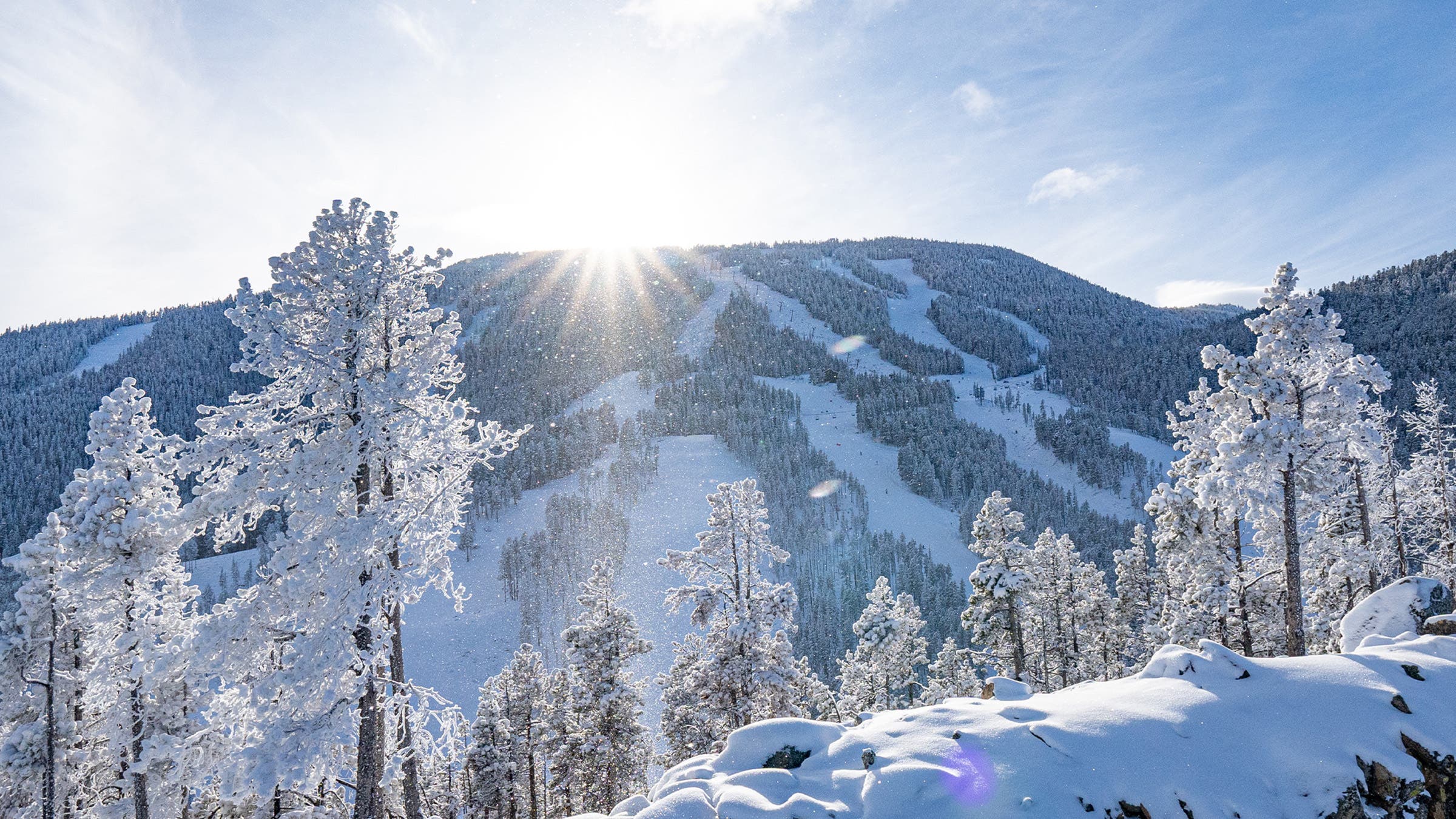
Red Lodge stands as a vestige of Montana’s rugged, non-corporate ski history. Situated at the base of the Beartooth Mountains, the town serves as a gateway to the Absaroka-Beartooth Wilderness. Unlike the rapid luxury development seen in Big Sky, Red Lodge has retained its 19th-century Western storefronts and a local economy centered on year-round residents rather than seasonal real estate speculators.
Red Lodge Mountain, the local ski area, offers 1,600 acres of terrain and a vertical drop of 2,400 feet. Meteorological data for the region indicates that the mountain benefits from consistent, dry snow patterns typical of the Northern Rockies. From an infrastructure perspective, the town’s location 60 miles southwest of Billings provides a level of isolation that acts as a natural buffer against mass-market tourism.
Ruidoso, New Mexico: Southwestern Alpine Diversity
Ruidoso represents a departure from the conventional perception of a ski town. Located in the Sierra Blanca mountains of southern New Mexico, it serves as a cultural intersection of Indigenous, Hispanic, and Anglo influences. The nearby Ski Apache, owned and operated by the Mescalero Apache Tribe, is unique in the industry for its tribal ownership and its commitment to integrating cultural heritage with winter recreation.
Economically, Ruidoso offers a distinct value proposition. The proximity of the Lincoln National Forest and local casino gaming creates a year-round revenue stream that protects the town from the "ghost town" syndrome that can plague seasonal ski areas during lean snow years. With an average of 15 feet of snowfall annually, the area remains a reliable, if overlooked, regional hub.
Waitsfield, Vermont: Preserving the Independent Spirit
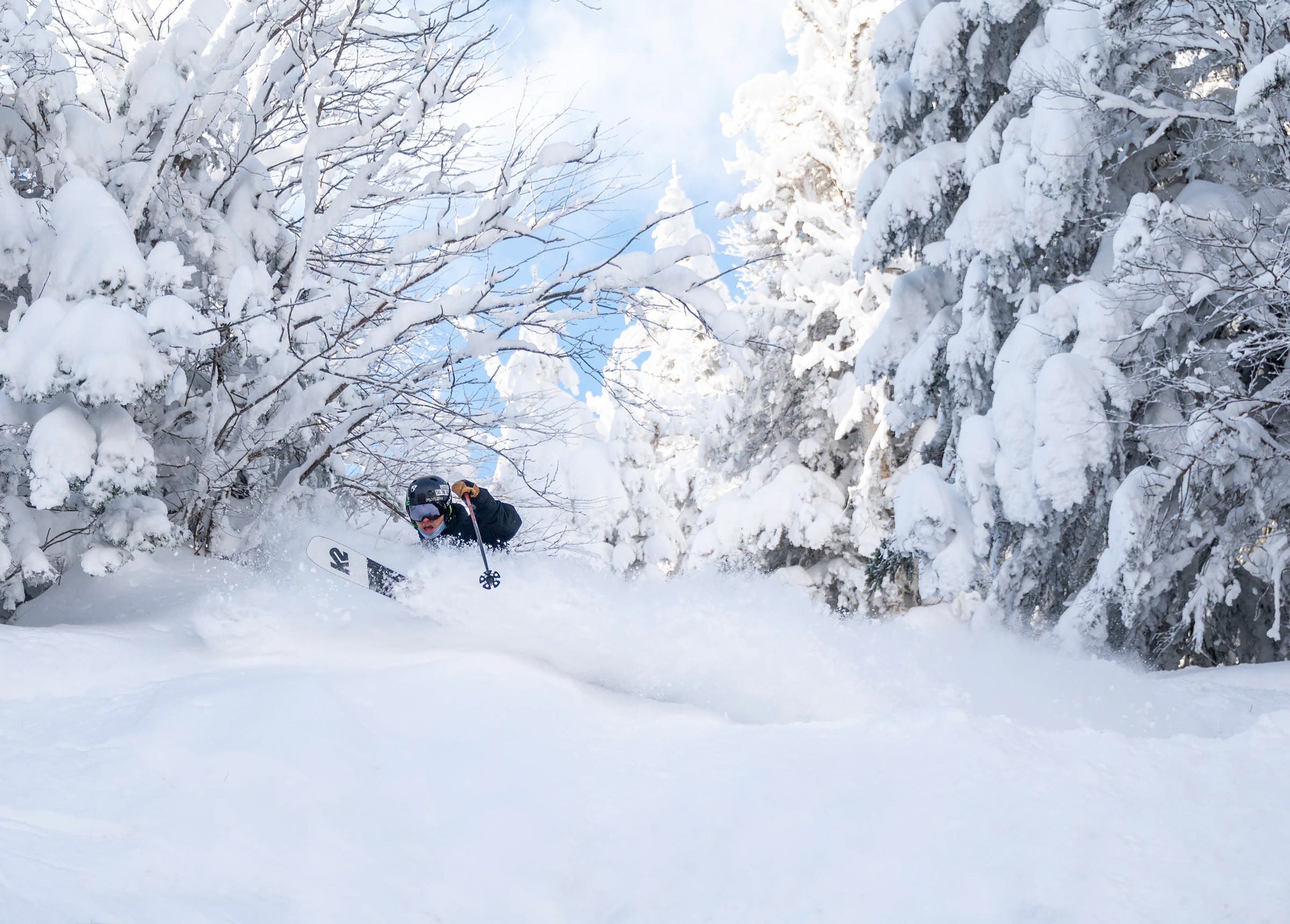
In the context of the East Coast, the Mad River Valley—comprising the towns of Waitsfield and Fayston—is an outlier. While Vermont has seen significant consolidation among its major ski areas, the valley remains protected by a strict local zoning philosophy that favors small-scale commerce over large-scale resort expansion.
Mad River Glen, one of the few cooperatively owned ski areas in the United States, is the anchor of this philosophy. The cooperative model ensures that decisions are made by shareholders who prioritize mountain longevity and community access over maximizing short-term profits. This has fostered a unique environment where the sport is treated as a cultural staple rather than a commercial product. The area’s reliance on natural snow, supported by its high elevation, reinforces its status as a destination for purist enthusiasts.
McCall, Idaho: The Seasonal Pivot
McCall is an example of a town that has successfully navigated the transition from a timber-based economy to a balanced recreational hub. Situated on the shores of Payette Lake, the town experiences a consistent winter season that facilitates both alpine skiing at Brundage Mountain and extensive Nordic trail networks.
The "McCall Winter Carnival," a tradition dating back to the early 20th century, highlights the town’s focus on community cohesion. During this period, the influx of tourists is managed through local infrastructure that emphasizes public spaces over private, gated developments. Statistics from regional tourism boards suggest that McCall attracts a high percentage of repeat visitors, indicating a strong level of brand loyalty driven by the town’s authentic, non-resort aesthetic.
Leadville, Colorado: High-Altitude Authenticity
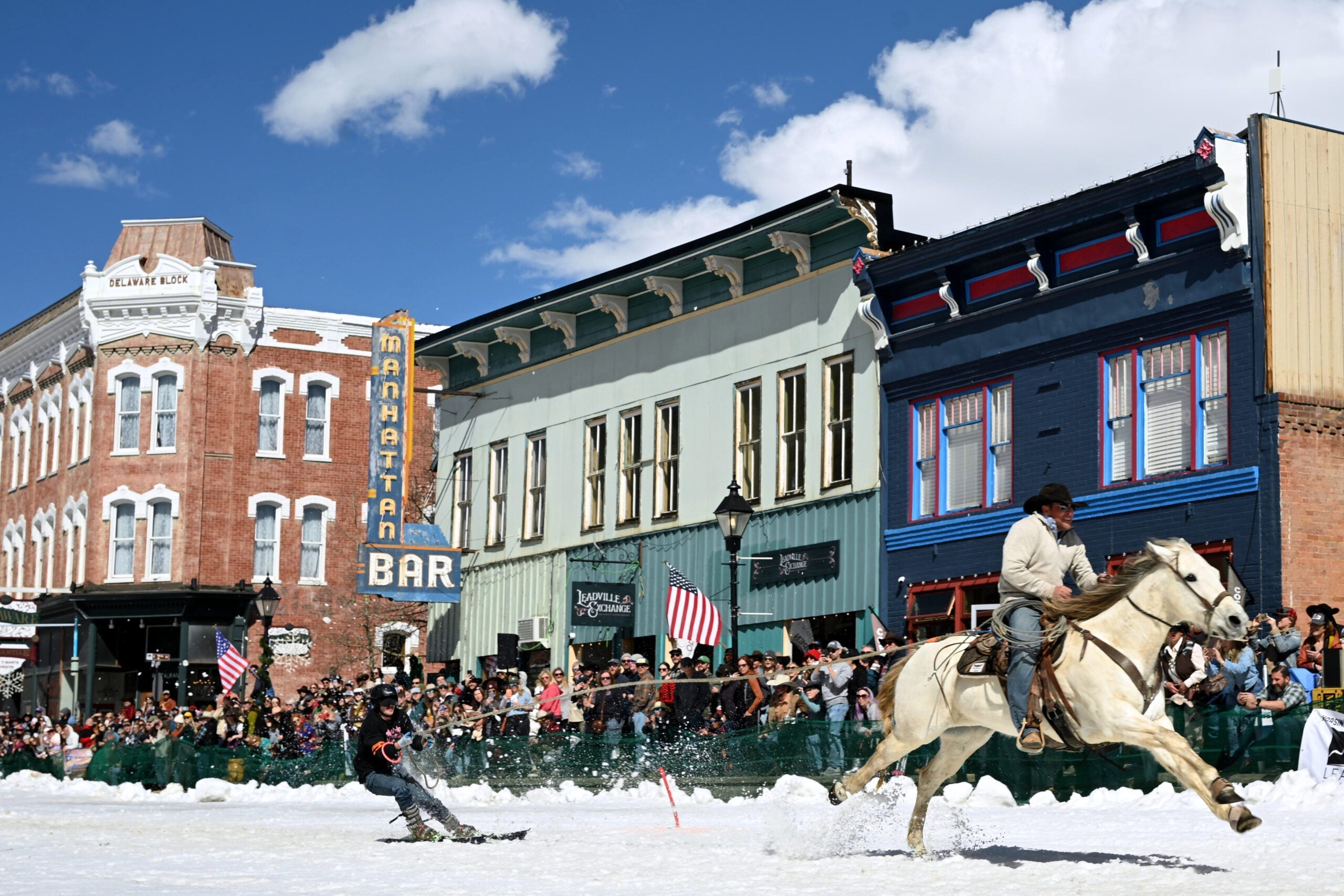
At an elevation of 10,152 feet, Leadville is the highest incorporated city in North America. Its history as a silver-mining center provides a stark contrast to the polished, purpose-built ski villages of the I-70 corridor. The town’s economy is anchored by a working-class demographic that has resisted the trend of "resort-ification" seen in nearby Aspen or Breckenridge.
Ski Cooper, located on the site of the former Camp Hale (the training ground for the 10th Mountain Division), provides a historical and logistical link to the origins of the American ski industry. The area’s commitment to providing an affordable, accessible experience makes it a critical component of Colorado’s ski landscape, serving as a primary destination for residents who are increasingly priced out of the state’s larger resort markets.
Sisters, Oregon: The Cascades Alternative
Sisters, Oregon, serves as the primary gateway to the high desert and the nearby Hoodoo Ski Area. While the town maintains a aesthetic tied to its Old West roots, it has developed a sophisticated local economy supported by an influx of remote workers and outdoor recreationists.
Hoodoo, known for its status as one of the oldest ski areas in the Pacific Northwest, offers a low-cost, high-snowfall experience. The implication for travelers is clear: by staying in Sisters, visitors gain access to the deep powder of the Cascades while avoiding the high costs and logistical complexity of destinations like Mount Bachelor or Whistler. The town’s focus on small-batch manufacturing and independent dining creates an ecosystem that is highly resistant to the homogenization of the modern ski industry.
Harbor Springs, Michigan: The Midwest Standard
Harbor Springs represents the endurance of the Midwestern ski scene. Despite the lack of massive vertical relief found in the West, the area surrounding Little Traverse Bay has cultivated a robust skiing culture. Nub’s Nob and Boyne Highlands are frequently cited in industry reports for their exceptional snow-making and grooming capabilities, which allow them to maintain high-quality surfaces despite the variable climate of the Great Lakes region.
The town itself serves as a case study in effective land-use planning. By maintaining its Victorian-era architecture and focusing on year-round boutique tourism, Harbor Springs has avoided the typical seasonal boom-and-bust cycle. It remains a key destination for families seeking a predictable, safe, and community-oriented winter environment.
Conclusion: The Implications for the Future
The emergence of these seven towns as viable alternatives to the industry’s marquee names is a reflection of a broader, more structural change in North American travel. As the cost of entry for major resorts rises, and as the desire for "authentic" experiences increases, these smaller towns are positioned to play an increasingly important role in the industry. For the consumer, the choice is no longer limited to the most advertised resorts; instead, it has expanded to include regions where the local culture is as significant as the quality of the snow. The continued success of these destinations depends on their ability to manage growth while preserving the very qualities that make them currently desirable: accessibility, affordability, and independence.
Related posts: