Robert Eggers to Direct Period-Appropriate Romeo and Juliet Adaptation for Focus Features

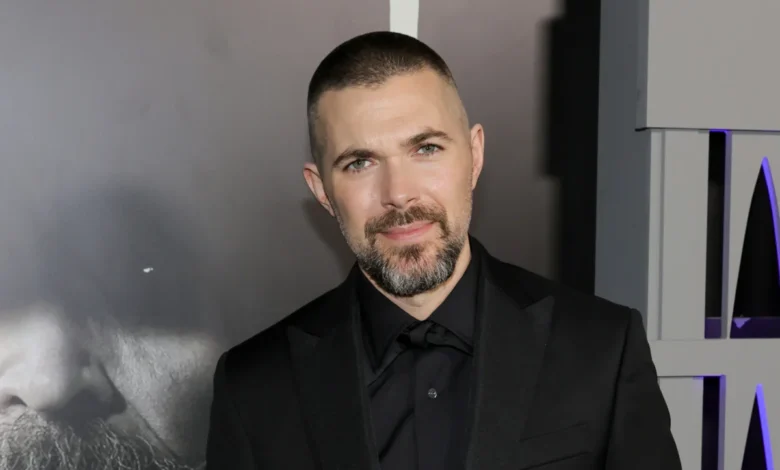
Acclaimed auteur Robert Eggers is expanding his cinematic footprint with a project that blends his signature historical meticulousness with one of the most enduring tragedies in Western literature. According to exclusive reports, Focus Features is finalizing a distribution deal to back Eggers as he directs and produces a brand-new, period-accurate adaptation of William Shakespeare’s Romeo and Juliet.
The acquisition follows a competitive bidding war for the package, cementing what has become one of the most fruitful director-studio partnerships in contemporary independent cinema. Should the deal officially close as expected, it will reinforce the symbiotic relationship between Eggers and Focus Features, a label that has championed his distinct brand of uncompromising, visually arresting filmmaking from his early breakout successes to his most recent historical epics.
A Perfect Match: Historical Rigor Meets Shakespearean Tragedy
While the prospect of Robert Eggers tackling a romantic tragedy may initially seem unconventional for a filmmaker best known for folk horror and gritty historical dramas, a closer look at his filmography reveals a natural alignment. Eggers has built an entire career on obsessive, hyper-realistic period detail, going to extraordinary lengths to ensure his worlds—whether 17th-century New England in The Witch, 19th-century maritime isolation in The Lighthouse, or Viking-age Iceland in The Northman—feel authentically lived-in, historically grounded, and steeped in the folklore of their eras.
According to early details surrounding the production, audiences hoping for a contemporary reimagining, stylized neon aesthetics, or anachronistic pop soundtracks à la Baz Luhrmann’s 1996 hit Romeo + Juliet should look elsewhere. True to form, Eggers is expected to lean heavily into the historical context of the play’s origins, offering a gritty, rigorously researched vision of Renaissance-era Verona—or wherever the production chooses to anchor its physical aesthetic—steeped in the tactile grit, superstition, and sociopolitical volatility of the period.

The announcement positions Eggers to dismantle and reconstruct a text that has been adapted for the screen dozens of times. While Franco Zeffirelli’s 1968 classic remains celebrated for its traditional casting and lush period beauty, and Baz Luhrmann’s modern-day Los Angeles-style Verona grossed $147 million worldwide with Leonardo DiCaprio and Claire Danes, Eggers’ iteration promises an entirely different texture—one likely to prioritize psychological intensity, atmospheric dread, and stark realism over romanticized sheen.
Deepening Ties with Focus Features
The forthcoming adaptation keeps Eggers firmly within the Focus Features fold. The studio has acted as the domestic home for his grand-scale Viking epic The Northman, his holiday breakout gothic horror Nosferatu, and his upcoming folk-horror venture Werwulf. Additionally, Focus handled international distribution for his seminal debut The Witch and his sophomore feature The Lighthouse.
This ongoing collaboration highlights a rare Hollywood dynamic: a major specialty studio consistently backing an uncompromising auteur whose films demand substantial budgets for historical recreation while refusing to water down their mature, challenging tones. Nosferatu, released during Christmas 2024, proved that Eggers’ dark sensibilities could achieve mainstream commercial traction, pulling in an impressive $181 million worldwide at the box office.
Focus Features is banking on that same commercial and critical momentum carrying over to Werwulf, which stars Aaron Taylor-Johnson, Willem Dafoe, and Lily-Rose Depp. The film pairs Eggers once again with Icelandic poet Sjón, with whom he previously collaborated on The Northman. With early footage from Werwulf generating strong buzz among exhibitors at CinemaCon, Focus Features moved aggressively to secure the rights to Eggers’ Romeo and Juliet before it could land at a rival studio or streaming conglomerate.
Production Timeline and Shelved Projects
Because Romeo and Juliet has now emerged as a top priority for Eggers, the filmmaker’s bustling development slate is expected to undergo a temporary shift. Industry insiders note that if the Shakespearean adaptation moves immediately into pre-production, several other high-profile projects previously associated with the director will likely be placed on the back burner.

Among the affected titles are Eggers’ planned sequel to Jim Henson’s fantasy classic Labyrinth and his heavily anticipated dark, atmospheric take on Charles Dickens’ A Christmas Carol, which had previously been discussed as a potential vehicle for frequent collaborator Willem Dafoe. While neither project has been officially canceled, the sudden acceleration of the Romeo and Juliet packaging process means fans of Eggers’ darker fantasy ambitions will have to exercise patience.
As of press time, no additional producers have been publicly attached to the Romeo and Juliet venture, and casting remains entirely under wraps. Given Eggers’ tendency to assemble powerhouse ensemble casts—frequently drawing upon actors like Dafoe, Anya Taylor-Joy, Ralph Ineson, and Alexander Skarsgård—speculation regarding who might don the doublets and daggers of the Montague and Capulet households is already dominating industry circles.
Industry Implications and Cultural Legacy
The decision by a major specialty studio to finance a traditional, hard-period Shakespeare adaptation directed by an uncompromising arthouse auteur signals a notable shift in studio risk management. In an era dominated by intellectual property reboots, cinematic universes, and algorithmic franchise building, backing an original-vision director to tackle a classic text is a calculated bet on prestige and director-driven branding.
William Shakespeare remains the most adapted author in the history of cinema, with the IMDb database logging hundreds of versions of Romeo and Juliet alone, ranging from high-art foreign language interpretations to Bollywood blockbusters and animated gnome features (Gnomeo & Juliet). However, few modern American directors with Eggers’ specific aesthetic pedigree have attempted to stake a claim on the text.
By filtering the world’s most famous tale of star-crossed lovers through the lens of a director celebrated for his unflinching gaze at human darkness, superstition, and historical authenticity, Focus Features is positioning the film not merely as a high school English class staple, but as a major cinematic event. As the distribution deal crosses the finish line, all eyes will turn to casting announcements and pre-production updates to see how the master of modern folk horror breathes new life into the tragedy of Verona.