As the high-level general debate of the United Nations General Assembly entered its fifth day on Saturday, September 27, 2026, world leaders confronted a complex array of twenty-first-century challenges. Moving past traditional geopolitical rhetoric, the speeches and ministerial addresses converged heavily on the dual imperatives of rapid technological disruption and deeply entrenched human mobility crises. Throughout the day, delegates grappled with a defining global dilemma: how to harness profound technological and social change without allowing it to exacerbate the widening economic and societal divisions separating nations and communities.
Against the backdrop of an increasingly fractured multilateral order, Day 5 offered a critical diagnostic of the forces reshaping the contemporary globe. Artificial intelligence emerged not merely as a tool for economic advancement, but as a potential vector for systemic risk, while discussions on global migration tested the limits of international solidarity. Meanwhile, alternative perspectives on demographic shifts—most notably regarding Africa’s burgeoning youth population—offered a glimpse into potential pathways for sustainable development. As the 2026 high-level week hurtles toward its conclusion, the deliberations in New York underscore an urgent international demand for adaptive governance and renewed global cooperation.
Artificial Intelligence: Promises, Perils, and the New Global Divide
Artificial intelligence dominated a significant portion of the day’s discourse, transitioning from a peripheral topic of scientific curiosity to a central pillar of international security and economic policy. Speakers across various regional blocs acknowledged the transformative potential of AI, noting its capacity to revolutionize healthcare diagnostics, optimize agricultural yields, and accelerate the transition toward renewable energy. However, this optimism was consistently tempered by grave warnings regarding its capacity to widen existing inequalities, erode public trust through misinformation, and destabilize global security architectures.
A core concern articulated by numerous delegations was the danger of a deepening technological apartheid. The global discourse on AI has increasingly highlighted a dangerous concentration of technological power and decision-making infrastructure within a handful of advanced industrial economies and corporate monoliths. Developing nations expressed profound anxiety that without deliberate structural interventions, knowledge transfers, and capacity-building initiatives, the AI revolution will replicate—and potentially accelerate—historical patterns of dependency and economic exploitation.
Compounding these fears is the unprecedented velocity of technological evolution. Governments and international regulatory bodies are finding themselves starkly outpaced by private-sector innovation that transcends traditional borders with impunity. While localized frameworks are emerging to address data privacy and algorithmic bias, a cohesive, universally enforceable international standard for AI governance remains elusive. Delegations stressed that the absence of robust multilateral guardrails leaves developing nations vulnerable to predatory technologies, automated workforce displacement, and sophisticated cyber threats that domestic legal systems are ill-equipped to counter.
Migration and the Crisis of International Solidarity
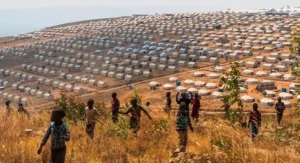
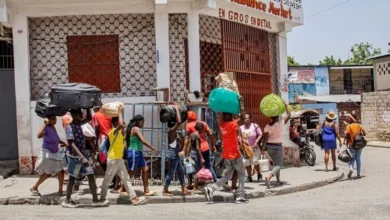
Moving from the abstract realms of algorithms and computing power, the debate shifted sharply toward immediate human realities as representatives addressed the persistent complexities of global migration. The movement of populations across borders—driven by the compounding pressures of violent conflict, severe economic disenfranchisement, and the accelerating impacts of climate change—served as a stark litmus test for international solidarity.
For decades, the international community has struggled to operationalize a comprehensive, rights-based approach to migration that balances national sovereignty with humanitarian obligations. On Day 5, several nations highlighted the growing tendency toward externalized border controls and restrictive deterrence policies, which many argued undermine international refugee law and human rights standards. The debate underscored a troubling paradox: while demographic trends in aging industrialized nations point to a critical future demand for migrant labor, political discourse in those very regions frequently frames migration through a securitized lens of crisis and cultural threat.
Speakers called for a recalibration of global migration governance, emphasizing that sustainable solutions require addressing the root causes of displacement rather than merely managing symptoms at transit hubs and fortified borders. Proposals centered on expanding legal pathways for labor mobility, enhancing international burden-sharing frameworks, and increasing development aid to fragile states. Yet, the sharp divergence in national interests among origin, transit, and destination countries continued to obstruct decisive multilateral action, leaving vulnerable populations exposed to exploitation by trafficking networks and increasingly hostile political environments.
Demographic Resilience: Viewing Youth Through an Asset Lens
Amidst widespread anxieties surrounding population pressures, demographic decline, and forced displacement, Zambia offered a refreshing and forward-looking perspective on population dynamics, reframing demographic change not as a crisis, but as an extraordinary developmental opportunity.
Focusing on the African continent, Zambian representatives emphasized that Africa’s youthful population constitutes one of its greatest strategic assets. With the median age across the continent resting well below that of Europe and North America, sub-Saharan Africa possesses a vast, dynamic labor force poised to drive innovation, economic growth, and cultural revitalization in the decades ahead. However, realizing this demographic dividend is contingent upon aggressive, targeted investments in human capital.
Delegates noted that unlocking the potential of a youthful population requires systemic transformations in education, healthcare, and employment generation. Traditional educational models must be overhauled to impart digital literacy, critical thinking, and technical skills aligned with the demands of a modern, automated global economy. Furthermore, expanding access to finance, entrepreneurship incubators, and civic participation platforms is essential to harness the energy of youth and prevent the social disenfranchisement that often fuels unrest and irregular migration. The Zambian intervention served as a crucial reminder that demographic vitality, when properly supported, can act as a powerful counterweight to global economic stagnation.
Contextual Background and the Chronology of the 2026 General Debate
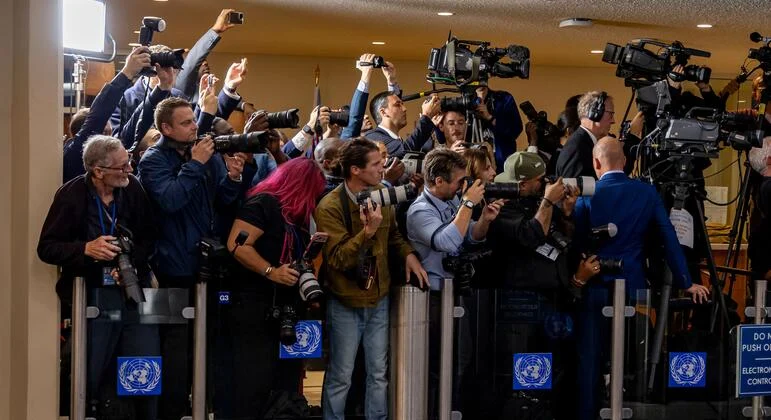
The high-level general debate of the 81st session of the UN General Assembly opened on Tuesday, September 22, 2026, convening heads of state, government ministers, and high-ranking diplomats at the United Nations Headquarters in New York. Operating under a thematic focus on rebuilding trust and reigniting global solidarity, the annual gathering serves as the premier global forum for multilateral diplomacy.
- Day 1 (September 22): Focused heavily on traditional geopolitical conflicts, the reform of the UN Security Council, and the escalating financial crises affecting developing nations.
- Day 2 (September 23): Centered on climate action, loss and damage financing, and the urgent necessity to meet the Sustainable Development Goals (SDGs) ahead of the 2030 target window.
- Day 3 (September 24): Addressed global health security, post-pandemic pandemic preparedness treaties, and the humanitarian crises ravaging the Horn of Africa and the Middle East.
- Day 4 (September 25-26): Explored the intersections of international trade, debt restructuring for low-income countries, and the burgeoning impacts of outer space commercialization on global security.
- Day 5 (September 27): Synthesized concerns regarding technological transformation, specifically artificial intelligence, alongside human mobility, migration, and demographic dividends.
This structured progression of themes reflects the shifting priorities of the international community, where non-traditional security threats—such as technological disruption and climate-induced displacement—increasingly rival traditional interstate conflicts in urgency and destructive potential.
Broader Impact and Implications for Global Governance
The deliberations of Day 5 carry profound implications for the architecture of international governance. The convergence of artificial intelligence and migration as core agenda items signals a maturation—and perhaps an existential necessity—in how the United Nations addresses transnational challenges that respect no sovereign borders.
The primary takeaway from Saturday’s sessions is that fragmentation is the single greatest impediment to effective global governance. Whether in regulating frontier technologies or managing human migration, unilateral or fragmented national approaches have consistently proven inadequate. When individual states attempt to regulate globally integrated systems like AI or digital currency in isolation, regulatory arbitrage occurs, and loopholes are systematically exploited. Similarly, uncoordinated migration policies lead to humanitarian bottlenecks and shifting burdens onto fragile neighboring states rather than fostering sustainable solutions.
Looking forward, the international community faces a narrow window of opportunity to adapt multilateral institutions to the realities of the twenty-first century. Analysts suggest that the debates of this General Assembly week will shape treaty negotiations, regulatory frameworks, and financial commitments for years to come.
As the General Assembly prepares to convene on Monday for the final day of the 2026 general debate, bringing a grueling week of speeches, warnings, and policy prescriptions to a close, the onus shifts from rhetoric to implementation. The ultimate test of this year’s high-level week will not be the eloquence of the statements delivered in the iconic General Assembly Hall, but the political will of member states to translate shared diagnoses into binding, cooperative action. Observers and delegates alike will continue tracking these developments through the official UN Meetings Coverage portals and specialized digital archives as the global community braces for the implementation phase of the commitments forged in New York.