The Evolution of Comfort: How the On Cloudsurfer 3 is Redefining the Daily Running Experience

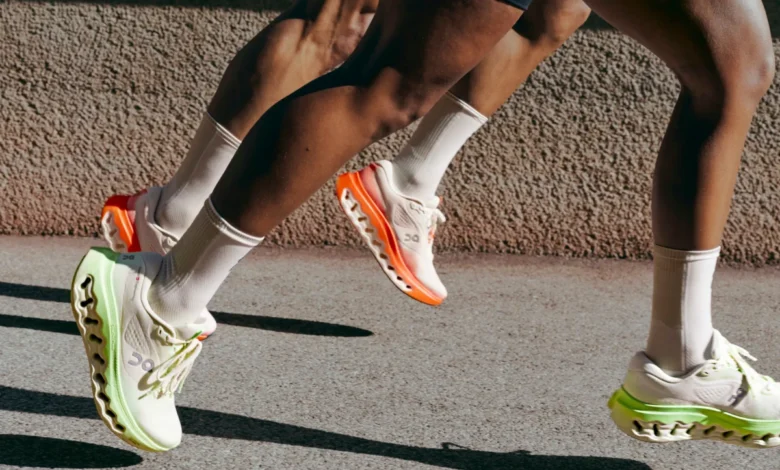
While the modern running landscape is often dominated by high-stakes discourse surrounding carbon-fiber plates, energy-return percentages, and rigid propulsion geometry, the fundamental requirement for the average runner remains unchanged: comfort. Despite the rapid pace of footwear innovation—driven by computational design and advanced material science—the most sophisticated engineering is rendered ineffective if a shoe fails to provide a seamless, pain-free experience over the course of a long-distance training cycle or a standard recovery run. The On Cloudsurfer 3 emerges as a direct response to this necessity, prioritizing the tactile sensation of the ride over the hyper-aggressive performance metrics that have characterized the last half-decade of footwear development.
The Shift in Footwear Philosophy
For over a decade, On, the Swiss performance brand, has distinguished its product line through the use of its signature CloudTec—hollow pods engineered to collapse upon impact. This design has provided both a visual identity and a distinct mechanical advantage, characterized by a decoupled midsole that allows for independent movement of the shoe’s structural elements.
The introduction of the Cloudsurfer 3 marks a significant evolution in this design philosophy. By integrating the brand’s proprietary CloudTec Phase technology with the newly developed Surreal Superfoam, the company has transitioned from simple impact absorption to a more sophisticated, sequence-based compression system. This evolution is not merely aesthetic; it represents a fundamental change in how the shoe manages kinetic energy during the gait cycle. In early prototypes and subsequent production models, the goal was to eliminate the "slap" sensation often associated with firmer racing shoes, replacing it with a fluid, rolling motion that mitigates stress on the lower kinetic chain.

Technical Specifications and Performance Data
The technical foundation of the Cloudsurfer 3 rests upon its internal geometry. According to internal testing conducted by the manufacturer, the combination of CloudTec Phase and the Surreal Superfoam achieves 15.5 percent deeper compression compared to the standalone use of the superfoam material. This increased depth of compression is critical for runners who log significant weekly mileage, as it translates to a measurable reduction in peak ground reaction forces during the landing phase.
Furthermore, the brand’s data suggests a 9.9 percent improvement in the perceived "smoothness" of the ride. This metric is derived from the reorientation of the CloudTec pods, which are now angled to facilitate a more natural transition from the heel strike to the terminal toe-off. This is a crucial distinction in an industry that has spent significant capital on "rocker" geometries that can sometimes feel unstable. By focusing on the sequential collapse of the foam pods rather than relying solely on a rigid, curved sole, the Cloudsurfer 3 maintains a more stable, grounded platform that feels intuitive to a wider range of foot-strike patterns.
Chronology of Design Innovation
The trajectory of the Cloudsurfer series reflects the broader history of the Swiss athletic brand. When On first entered the market, the design was purely modular. As the brand expanded, it began to incorporate high-performance foams, such as Helion, to compete with industry giants. However, the move toward CloudTec Phase, which began appearing in premium trainers roughly 18 to 24 months ago, signaled a shift toward "computer-optimized" cushioning.
The Cloudsurfer 3 is the culmination of this three-year development cycle. Engineers moved away from the traditional rubber-encased clouds to a more integrated, foam-first approach. This design, which relies on the deformation of the midsole material itself rather than the physical displacement of plastic pods, allows for a lower overall weight without sacrificing durability. During testing phases, developers noted that the mesh upper, now engineered with a higher degree of elasticity and breathability, acted as a "second skin" that minimized friction—a frequent contributor to blister formation during endurance efforts.

The Science of Perception and Injury Prevention
A 2025 study published in the field of sports biomechanics underscores the importance of perceived comfort in injury prevention. The research indicates that runners who subjectively report a higher degree of comfort in their footwear demonstrate a statistically lower incidence of common overuse injuries, such as plantar fasciitis and medial tibial stress syndrome. The study suggests that when a shoe feels inherently "right," the runner’s subconscious neuromuscular control remains more relaxed, preventing the compensatory movement patterns that often lead to acute injury.
This finding validates the design approach taken by On. By focusing on the user’s "ride sensation," the company is catering to the reality that most runners are not elite athletes seeking marginal gains in efficiency, but rather individuals looking for a reliable, injury-resistant tool for their daily exercise. The padding around the collar and tongue, while seemingly a minor feature, contributes to this psychological and physical comfort, ensuring the shoe feels secure from the moment of entry.
Industry Implications and Future Outlook
The launch of the Cloudsurfer 3 reflects a broader pivot in the running shoe industry. After years of chasing the "super shoe" status—defined by carbon plates and extreme stack heights—there is a palpable return to the "workhorse" trainer. Professional runners and recreational enthusiasts alike are increasingly alternating between high-performance carbon-plated footwear for race day and soft, forgiving, highly cushioned trainers for base-building.
This bifurcation of the market benefits the average consumer. It signals an end to the "one-size-fits-all" approach, where brands attempted to force racing technology into daily trainers. Instead, the current trend favors purpose-built shoes. The Cloudsurfer 3 is, by design, not a race-day shoe. It does not contain a carbon plate, nor is it tuned for maximum energy return at threshold speeds. Instead, it is tuned for the thousands of steps that occur between races—the recovery days, the long, slow distance runs, and the daily commutes on pavement.

An Expert Perspective on Material Integration
Industry analysts suggest that the "Surreal Superfoam" represents a move toward more sustainable, high-rebound polymers. Unlike the EVA (ethylene-vinyl acetate) foams of the past, which tended to pack out or lose their responsiveness after 200 miles, newer superfoams are designed to maintain their structural integrity over a longer lifespan. This longevity is a key economic factor for the modern runner, who expects a premium shoe to provide consistent performance for at least 350 to 400 miles.
The integration of this foam into the CloudTec architecture solves a long-standing challenge for On: how to maintain the brand’s signature "hollow" look while preventing debris from becoming trapped in the midsole. By closing off certain gaps and optimizing the density of the foam in the lateral and medial zones, the company has created a shoe that is both distinct in its aesthetic and practical for diverse environments, ranging from gravel paths to city asphalt.
Concluding Summary of Impact
The Cloudsurfer 3 represents a synthesis of data-driven engineering and human-centric design. By prioritizing the subjective "ride" experience through the objective application of 15.5 percent deeper compression, the brand has created a product that addresses the most common grievances of the modern runner: discomfort, premature foam degradation, and the need for a versatile trainer.
As the industry moves toward 2026, the success of the Cloudsurfer 3 will likely be measured not by world records or marathon podiums, but by its adoption rate among the everyday running population. In an era of increasing technological complexity, there is a clear demand for simplicity—or at least, the kind of simplicity that is supported by sophisticated, behind-the-scenes engineering. Whether for the casual jogger or the dedicated marathon trainee, the focus remains clear: if the run feels good, the runner is more likely to return for another mile, and another after that. By delivering a ride that is consistently soft and stable, the Cloudsurfer 3 positions itself as a benchmark for the next generation of daily training footwear.