The Psychedelic Blueprint: Psilocybin Triggers Lasting Brain Changes, Unlocking Therapeutic Potential

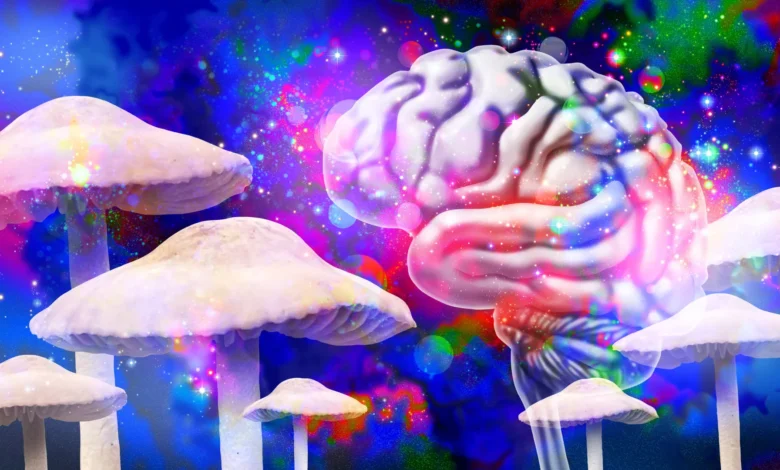
A groundbreaking study has revealed that a single dose of psilocybin, the active compound in magic mushrooms, can induce physical changes in the brain that persist for up to a month, offering profound insights into its therapeutic potential for mental health conditions. Researchers from the University of California, San Francisco (UCSF) and Imperial College London have uncovered evidence suggesting that these lasting neural alterations may be the key mechanism behind psilocybin’s reported benefits for depression, anxiety, and addiction.
Unveiling the Entropic Brain: A New Understanding of Psychedelic Effects
The study, published in the esteemed journal Nature Communications, meticulously examined the brain activity of healthy adults who had no prior experience with psychedelic substances. This controlled approach allowed researchers to isolate and observe the direct effects of psilocybin without confounding factors. A central focus of the investigation was the concept of brain "entropy," a measure of the variety and unpredictability of neural activity. The findings strongly suggest that psilocybin temporarily increases this entropy, leading to a more diverse and dynamic pattern of brain function. This heightened neural flexibility, researchers propose, may be instrumental in fostering psychological insight and unlocking the long-term therapeutic effects observed in psychedelic therapy.
The study’s design was meticulously crafted to differentiate between the effects of a sub-perceptual dose and a full psychedelic experience. Initially, 28 healthy volunteers were administered a 1 mg dose of psilocybin, treated as a placebo. Their brain activity was monitored using electroencephalography (EEG) throughout this phase. Over the subsequent weeks, participants underwent a battery of psychological assessments to evaluate their levels of insight, overall well-being, and cognitive performance. Functional magnetic resonance imaging (fMRI) was employed to study patterns of brain activity, while diffusion tensor imaging (DTI) was used to map the intricate connections between different brain regions.
Following this initial phase, the same participants received a significantly higher dose of 25 mg of psilocybin, known to induce a potent psychedelic experience. Brain activity was again recorded via EEG during the peak of the experience. Crucially, the psychological and neuroimaging assessments were repeated in the weeks following this high-dose administration. This comparative design enabled the research team to directly contrast the neural and psychological impacts of a full psychedelic dose against those observed after the placebo.
Quantifying the Neural Shift: From Placebo to Profound Change
The results were striking. Within 60 minutes of ingesting the 25 mg dose of psilocybin, EEG recordings revealed a significant increase in brain entropy. This surge indicated that the brain was engaged in generating and processing a far broader spectrum of information, moving beyond its typical, more constrained patterns of activity. This heightened state of neural exploration is theorized to be the fertile ground upon which psychological insights can blossom.
The impact of psilocybin extended beyond immediate brain activity. One month after the high-dose experience, DTI scans revealed evidence of increased density and integrity in neural tracts. DTI, which measures the diffusion of water molecules along neural pathways, is a sensitive indicator of the structural organization of the brain. The observed pattern—denser and more organized neural connections—was the inverse of changes typically associated with aging, where neural tracts tend to become more diffuse and less interconnected. While the precise implications of these structural findings require further investigation, the researchers highlighted them as a novel and compelling indication that psychedelics can induce lasting physical changes in the brain.
The Ripple Effect: Insight, Well-being, and Cognitive Gains
The psychological ramifications of the psilocybin experience were equally profound. The day following the 25 mg dose, an overwhelming majority of participants—27 out of 28—described the experience as the "single most" unusual state of consciousness they had ever encountered. The remaining participant ranked it among their top five most extraordinary life experiences. This profound shift in subjective experience was accompanied by a substantial increase in reported psychological insight compared to the placebo dose.
The benefits were not fleeting. Measures of well-being, which included self-reported optimism about the future and effective coping mechanisms for problems, showed significant improvements two and four weeks after the high-dose psilocybin administration. Furthermore, participants demonstrated enhanced cognitive flexibility one month post-experience, indicating an improved ability to adapt their thinking and respond effectively to changing circumstances.
Dr. Taylor Lyons, a research associate at Imperial College London and the study’s lead author, articulated the significance of these findings: "Psilocybin seems to loosen up stereotyped patterns of brain activity and give people the ability to revise entrenched patterns of thought. The fact that these changes track with insight and improved well-being is especially exciting."
The Psychedelic Journey as a Catalyst for Healing
The study meticulously traced the pathway from neural activity to psychological benefit. Researchers observed a clear correlation: participants who exhibited the largest increases in brain entropy during the initial hours after taking psilocybin were more likely to report greater psychological insight the following day. This newfound insight, in turn, was strongly associated with sustained improvements in well-being one month later. This suggests a causal chain where the psychedelic experience, by altering brain dynamics and fostering insight, acts as a catalyst for lasting positive change in mental health.
Dr. Robin Carhart-Harris, the senior author and Ralph Metzner Distinguished Professor of Neurology at UCSF, elaborated on this connection. "Psychedelic means ‘psyche-revealing,’ or making the psyche visible," he stated. "Our data shows that such experiences of psychological insight relate to an entropic quality of brain activity and how both are involved in causing subsequent improvements in mental health. It suggests that the trip—and its correlates in the brain—is a key component of how psychedelic therapy works."
Implications for Mental Health Treatment and Future Research
The implications of this research for the future of mental health treatment are substantial. The findings provide a scientific basis for understanding why psilocybin has shown such promise in clinical trials for conditions like depression, anxiety, and addiction. By elucidating the mechanisms by which psilocybin operates, clinicians may be better equipped to tailor psilocybin-assisted therapies. For instance, future research could focus on identifying optimal psilocybin dosages that reliably induce sufficient brain entropy to foster meaningful insight without creating an overwhelming or unnecessarily intense experience for patients.
The study’s success in recruiting healthy adults who had never used psychedelics allowed for a cleaner examination of psilocybin’s effects. This approach, unlike studies conducted solely with patient populations, can reveal the fundamental neurobiological impacts of the substance before any pre-existing mental health conditions might influence the results. This foundational understanding is critical for developing safe and effective therapeutic protocols.
The research was supported by significant philanthropic donations, underscoring the growing interest and investment in psychedelic science from both private and charitable sectors. Funding came from organizations such as the Centre for Psychedelic Research at Imperial College London, the Alex Mosley Charitable Trust, and the Beckley Foundation, alongside support for Dr. Carhart-Harris’s professorship and lab at UCSF. This collaborative and well-funded effort highlights the commitment to advancing our understanding of psychedelics and their potential to revolutionize mental healthcare.
As Dr. Carhart-Harris concluded, "We already knew psilocybin could be helpful for treating mental illness. But now we have a much better understanding of how." This study marks a significant step forward, offering a tangible glimpse into the biological underpinnings of psychedelic therapy and paving the way for more targeted and effective interventions for individuals struggling with mental health challenges. The "psychedelic blueprint" is slowly being deciphered, revealing a complex interplay between brain dynamics, subjective experience, and lasting psychological healing.