For decades, international travel has been defined by a model of consumption: tourists arrive, visit landmarks, frequent establishments recommended by guidebooks, and depart after a brief period. This extractive approach to travel often limits meaningful interaction between visitors and local populations, keeping the traveler in a bubble of superficial observation. However, a significant shift is currently occurring in the travel industry as a growing number of individuals seek to move beyond traditional tourism in favor of long-term immersion through working holidays and structured volunteer programs.
The Shift from Passive Tourism to Global Integration
Data from various travel industry reports suggest that the modern traveler is increasingly prioritizing experiential depth over convenience. While the concept of the "digital nomad"—individuals who work remotely while traveling—gained significant traction over the last decade, it remains a model accessible primarily to those with established remote careers and high income stability.
In response to these limitations, a new segment of the market has emerged: the "working holiday" traveler. Unlike digital nomads, who bring their existing professional lives with them, working holiday makers integrate directly into the local economy upon arrival. By securing employment within the destination country, these travelers engage with local colleagues, navigate regional labor markets, and establish a residence rather than a temporary base. This structural shift allows for a more grounded experience, moving the traveler from the periphery of a society to an active participant within it.
The Role of Structured Global Placement Agencies
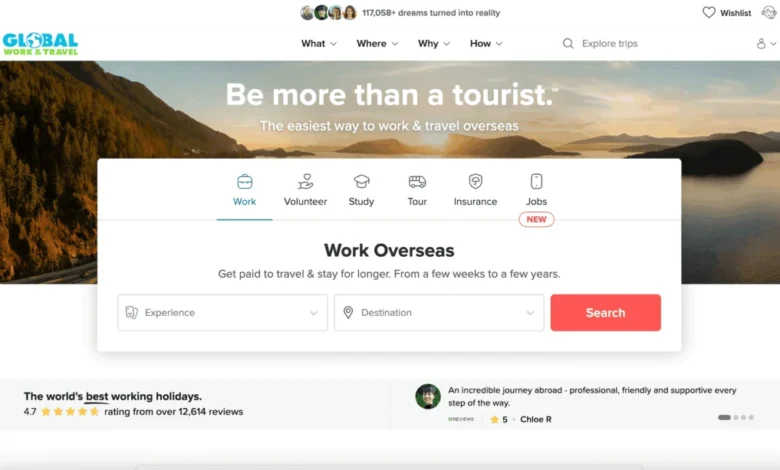
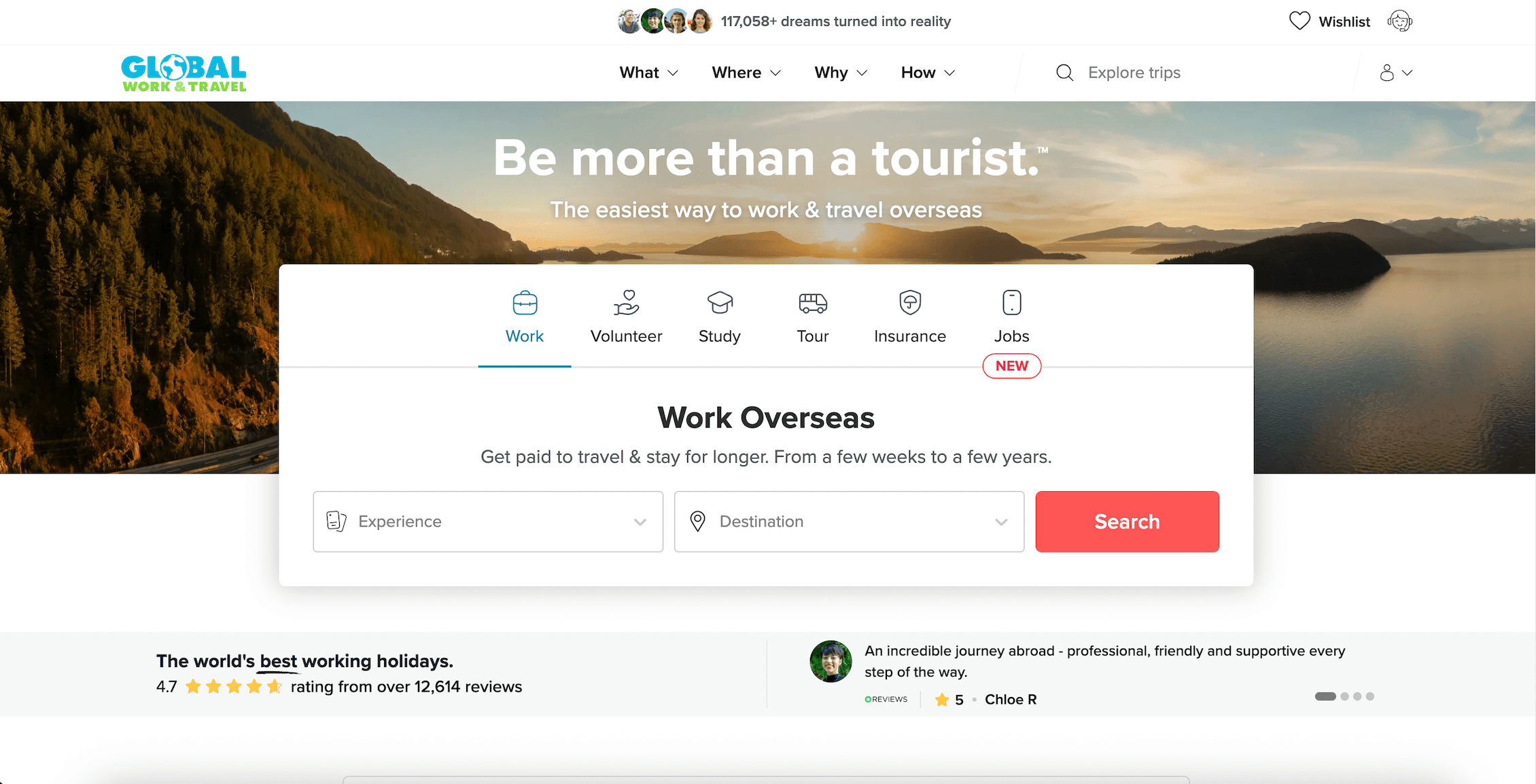
The logistical complexities of moving abroad—ranging from visa procurement and legal compliance to finding gainful employment and stable housing—often act as a barrier for prospective travelers. Companies like Global Work & Travel have stepped in to provide a necessary scaffold for this transition. Founded nearly two decades ago, the organization has facilitated placements for over 116,000 individuals across the UK, Europe, the Americas, Asia, Africa, and the Pacific.
The industry model for such agencies typically involves providing end-to-end support, including:
- Pre-departure guidance: Assistance with visa applications, which are often subject to strict quotas and age limitations.
- Job matching: Connecting travelers with local employers to ensure a sustainable income stream.
- Safety and logistical support: Providing a central portal, such as the gWorld app, for emergency contact, housing coordination, and legal documentation.
- Post-arrival integration: Facilitating introductions to local communities and other international workers to mitigate the isolation often associated with moving solo.
For first-time travelers, this support structure is frequently cited as the deciding factor in moving from the planning phase to the execution of a long-term trip.
Chronology and Evolution of the Sector
The concept of the working holiday gained institutional backing in the mid-20th century, notably with programs like the Australia-United Kingdom reciprocal visa scheme. Over the last 20 years, these programs have expanded globally, evolving from simple backpacker-centric initiatives into robust professional development paths.
In the late 2010s, the sector saw an influx of technology-driven platforms that digitized the placement process. The integration of mobile applications for trip management and real-time support represents the latest phase in this evolution, allowing travelers to maintain a safety net while navigating foreign labor laws and cultural nuances.
Ethical Volunteering and Global Development
Parallel to the rise of working holidays is a transformation in the volunteering sector. Historically, international volunteering has faced criticism for "voluntourism," where programs were perceived as profit-driven initiatives that prioritized the donor’s experience over the host community’s needs.
Industry standards have shifted toward a more rigorous vetting process. Modern, responsible organizations now focus on:
- Community-led priorities: Ensuring that volunteer projects, such as those in Zanzibar or South African wildlife reserves, are identified by local stakeholders as actual needs rather than manufactured opportunities.
- Long-term sustainability: Utilizing funds to support local infrastructure and ongoing conservation efforts, such as the Global Animal Welfare Fund, which allocates resources directly to site-specific conservation goals.
- Educational training: Programs, such as TEFL (Teaching English as a Foreign Language) certification, are now standard requirements to ensure that volunteers provide a genuine, measurable benefit to the communities they serve.
This shift toward evidence-based volunteering is essential for ensuring that the presence of international travelers results in a net positive for the local environment and population.
Economic and Social Implications
The trend toward long-term, work-integrated travel carries significant implications for both the travelers and the host countries.
For the host, international workers often fill critical labor gaps in industries such as hospitality, agriculture, and seasonal tourism. By living and working in these regions, travelers contribute directly to the local tax base and support small-scale enterprises that are often overlooked by mass-market tourism.
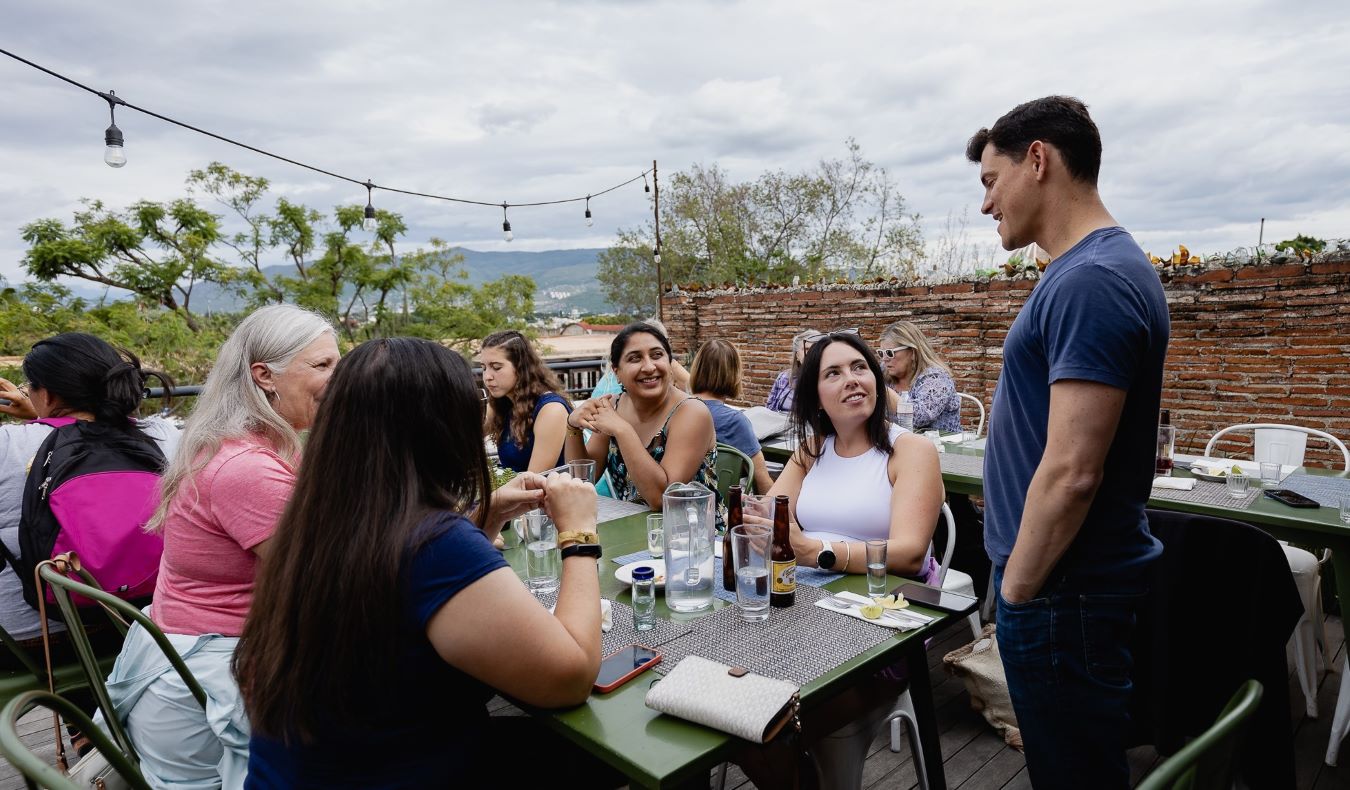
For the traveler, the implications are primarily developmental. Studies on international work experiences suggest that living and working in a foreign culture improves soft skills, including cross-cultural communication, adaptability, and complex problem-solving. Furthermore, the financial model of working while traveling makes long-term international exposure more accessible to a broader demographic, including younger individuals who have not yet reached senior career milestones.
Statistical Overview and Market Reach
Market analysis indicates that the demand for these programs is highest among individuals aged 18 to 35, the primary demographic for working holiday visas. However, volunteer and teaching placements have seen a rise in participation from older demographics, including professionals seeking sabbaticals or career breaks.
- Geographic reach: Coverage now extends to six continents, with increasing interest in emerging economies in Africa and Southeast Asia.
- Program diversity: Placements range from agricultural work and conservation to professional internships in multinational corporations.
- Financial accessibility: The growth of installment payment plans and "start for as little as $1" entry points has democratized access to these international programs.
Future Outlook: The Normalization of Global Work
The distinction between "tourist" and "resident" is becoming increasingly blurred. As global mobility policies continue to fluctuate, the role of agencies in navigating these changes becomes more vital. The industry is currently moving toward a standard of "travel as a lifestyle," where the goal is no longer the rapid collection of experiences, but the sustained, deep-level engagement with diverse environments.
As more individuals seek to align their travel habits with their personal and professional growth, the demand for structured, safe, and ethical international placement programs is expected to rise. This growth suggests that the era of passive tourism may be ceding ground to a new era of active, contribution-based global citizenship.
For the prospective traveler, the current landscape offers a variety of tools to facilitate this transition. Whether through working holiday visas or specialized volunteer placements, the barriers to entry—which were once insurmountable for the average traveler—are being dismantled by technology and dedicated support systems. The resulting shift in travel habits may hold the potential to redefine how people relate to the world, turning short-term vacations into a more permanent and meaningful way of life.