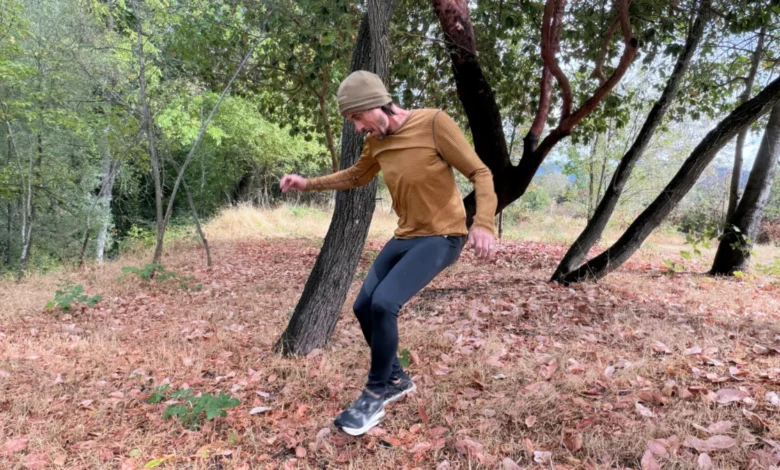
The base layer serves as the critical foundation of any functional outdoor apparel system, acting as the primary interface between the skin and the external environment. As the winter season approaches, selecting the correct garment is essential for maintaining thermoregulation during high-output activities such as backcountry skiing, alpine touring, and winter trail running. Following an extensive testing period spanning several months and involving 46 unique tops and bottoms, industry experts have finalized their recommendations for the top-performing base layers of 2026. This comprehensive evaluation prioritized moisture management, material durability, odor mitigation, and ergonomic fit across a variety of climate conditions and sporting applications.
Chronology of Evaluation: A Season of Unpredictable Conditions
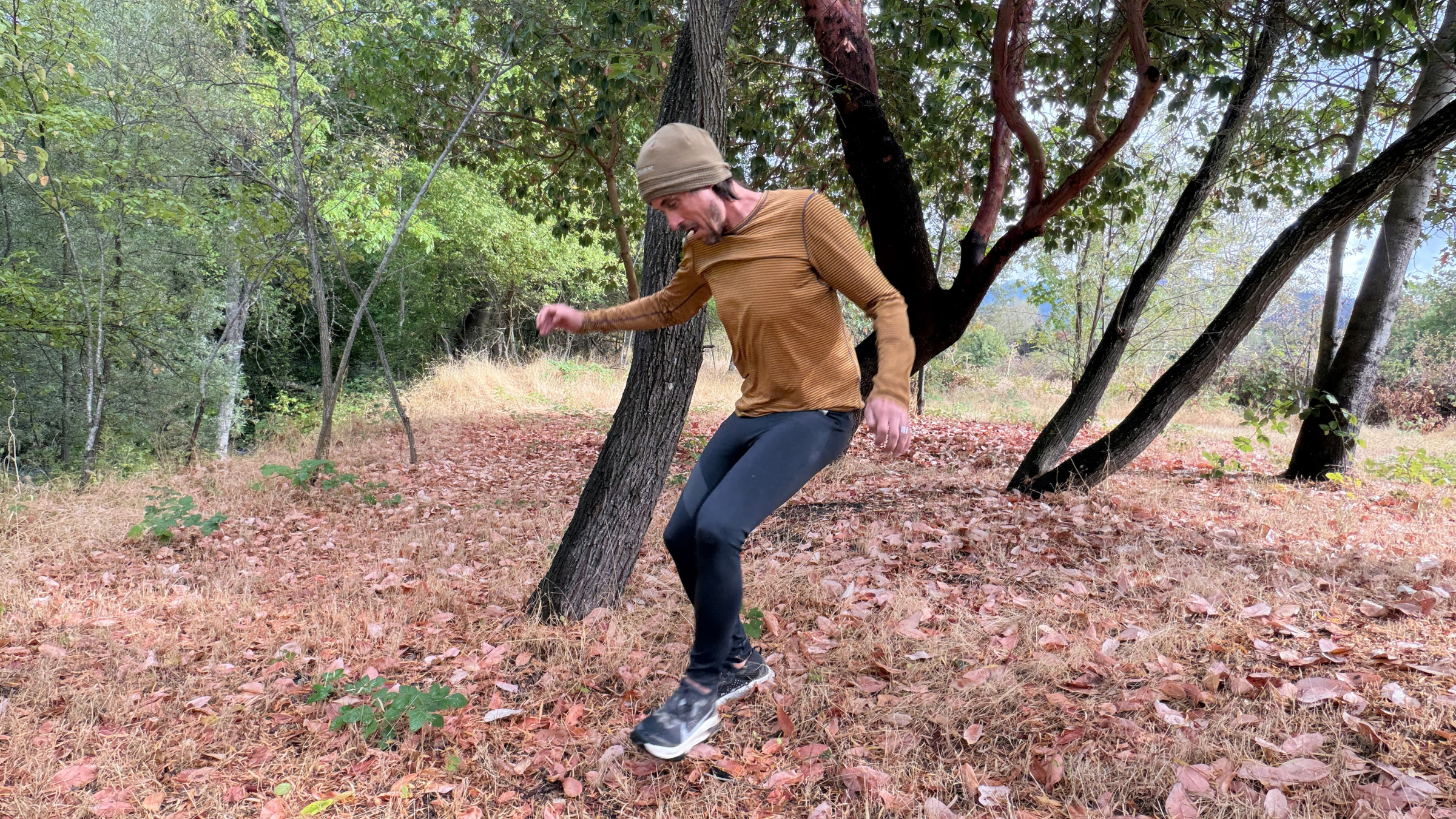
The testing process, conducted by a team of professional gear reviewers, took place between late 2025 and the fall of 2026. The methodology was uniquely shaped by the environmental challenges presented by the Western United States during the previous winter. Due to an unusually thin and inconsistent snowpack in the Pacific Northwest and fluctuating temperatures in the Rocky Mountains, the testing team was forced to adapt their protocols. Instead of focusing solely on resort skiing, testers utilized the gear across a diverse spectrum of disciplines, including high-intensity mountain biking, early-morning gym sessions, and shoulder-season excursions.
This shift allowed for a more robust analysis of versatility. By June 2026, the data collection phase concluded, with reviewers having logged thousands of hours of active wear. The final selection process focused on identifying garments that could manage moisture during sweat-inducing climbs while providing sufficient insulation during static periods on chairlifts or at base camps.
Data-Driven Performance: Top Tier Selections
Based on the cumulative data from the 2026 testing cycle, the following garments emerged as industry leaders in their respective categories:
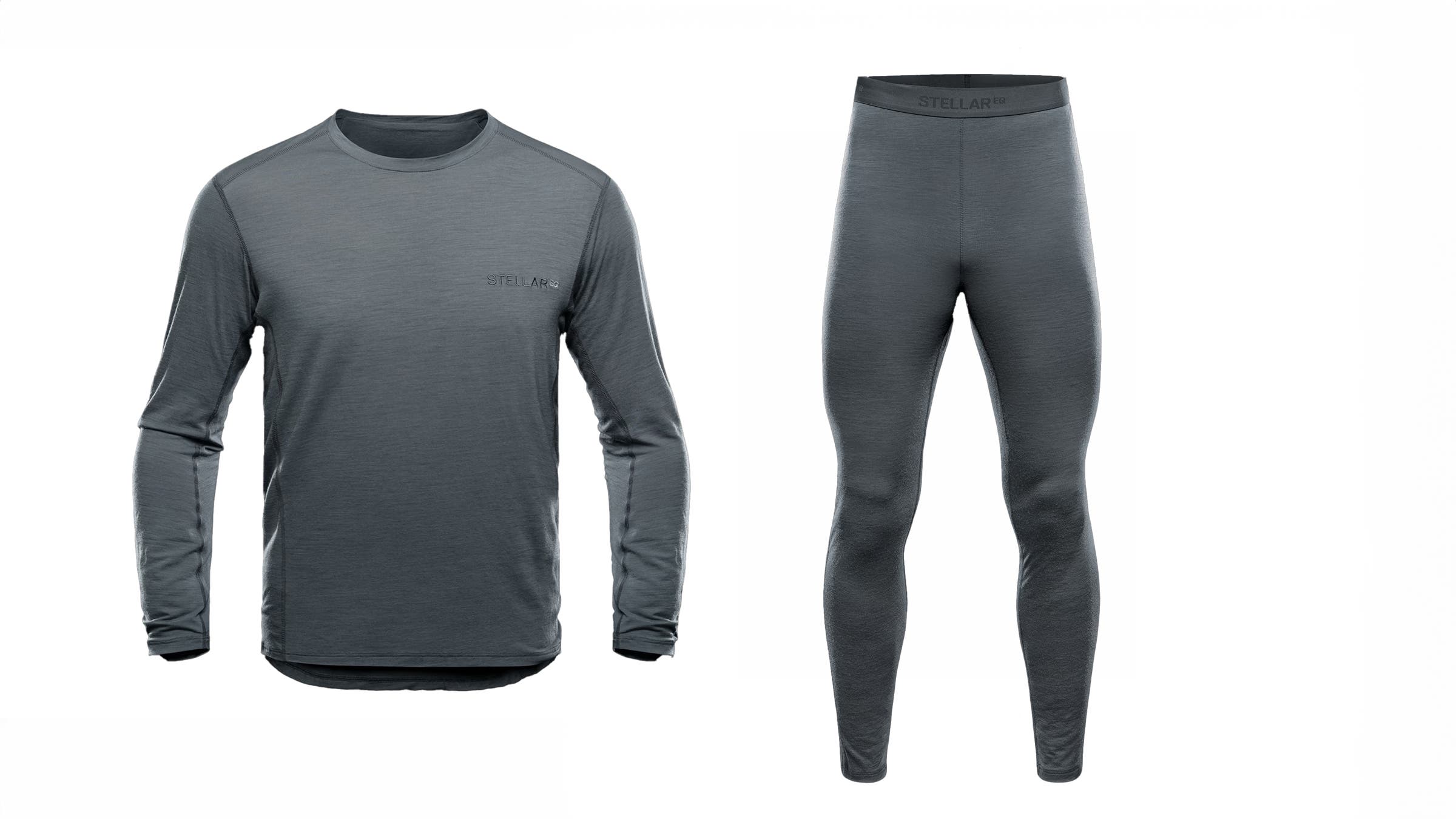
Best Overall: Stellar Merino Base Top and Tights
The Stellar Merino set, produced in a family-owned facility in Portugal using 19.5-micron Uruguayan merino wool, outperformed competitors in moisture management and comfort. Data indicates that these layers maintain structural integrity through repeated cycles of moisture absorption and evaporation, drying in under 30 minutes during high-output activities. The inclusion of flatlock seams and gusseted underarms contributed to a high mobility score, making them the most consistent performers across varying elevations.
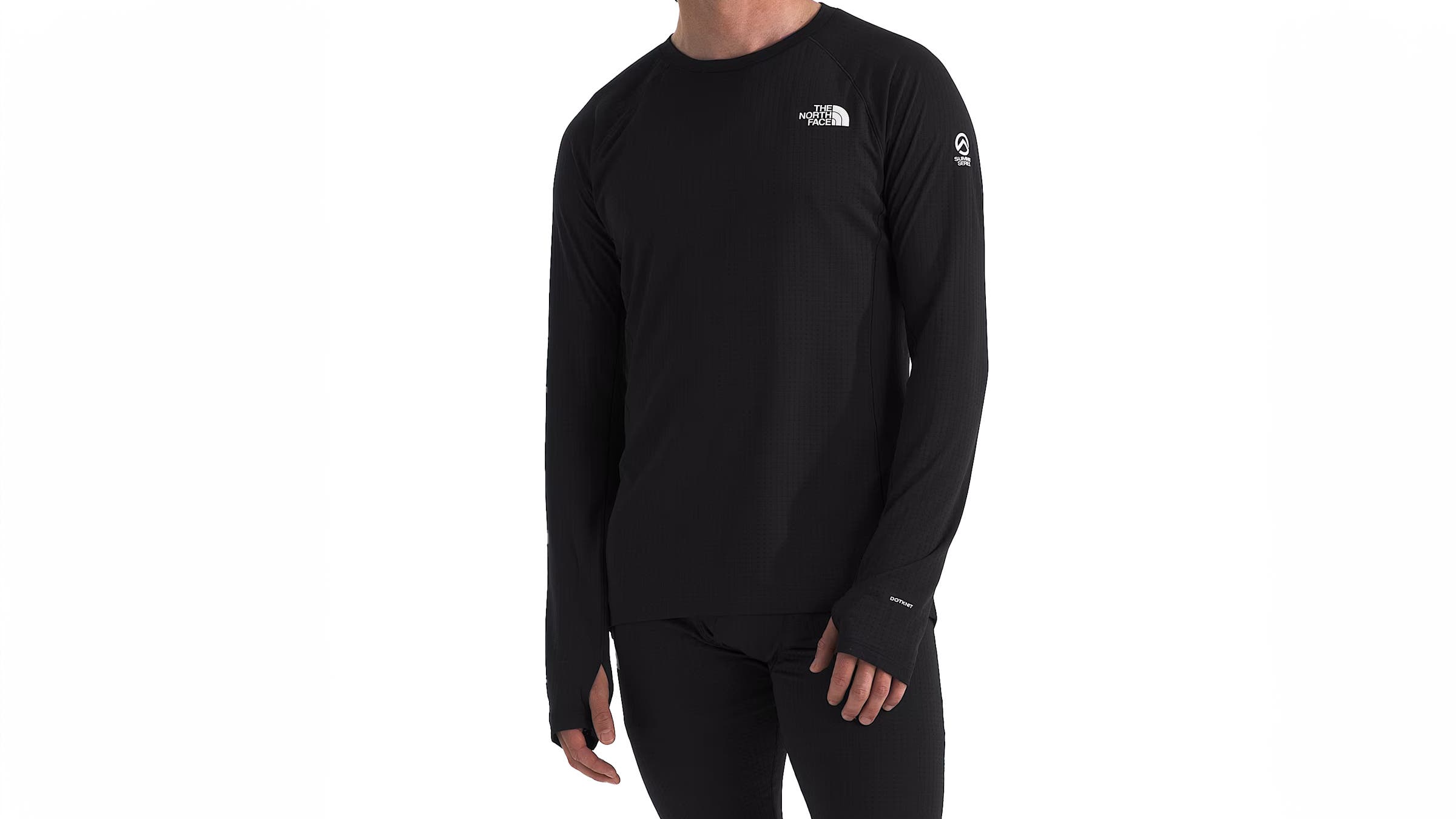
Best Multisport: The North Face Summit Series Pro 120 Crew
Engineered with the proprietary DOTKNIT polyester fabric, this top utilizes a specialized double-knit construction. Testing showed that the strategic placement of wider-knit zones in high-heat areas, such as the axillary region, significantly accelerates cooling. Weighing only 6.67 ounces, it serves as a primary option for athletes seeking a lightweight, friction-free experience during repetitive movements like cycling or skinning.
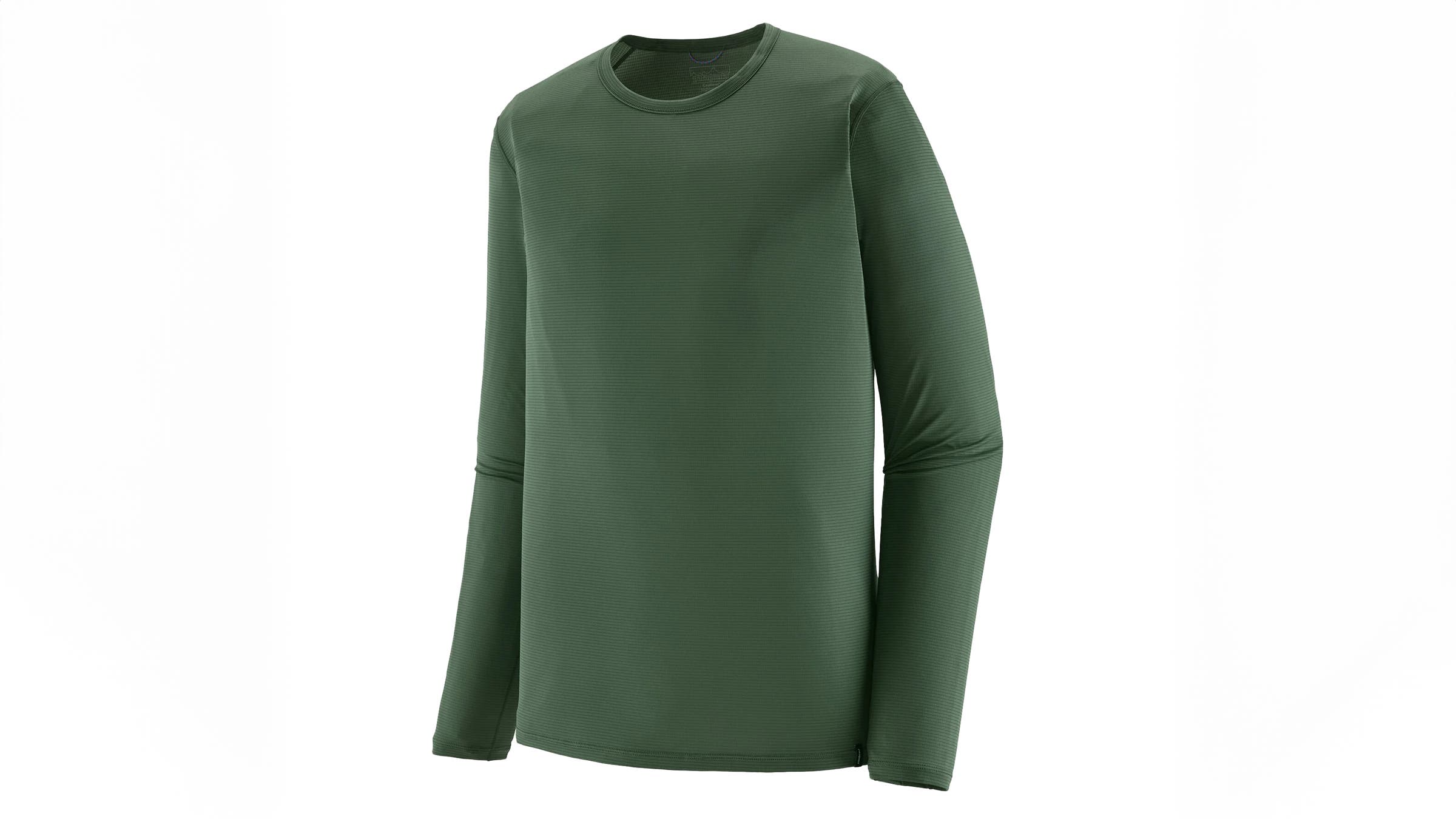
Best Lightweight: Patagonia Capilene Lightweight Crew
For athletes operating in mild temperatures or those who prioritize maximum breathability, the 3.3-ounce Patagonia Capilene remains the industry standard. Integrating HeiQ Mint odor control, this garment demonstrated exceptional resilience against bacterial buildup, with testers reporting the ability to utilize the top for three consecutive weeks of heavy use without significant odor retention.
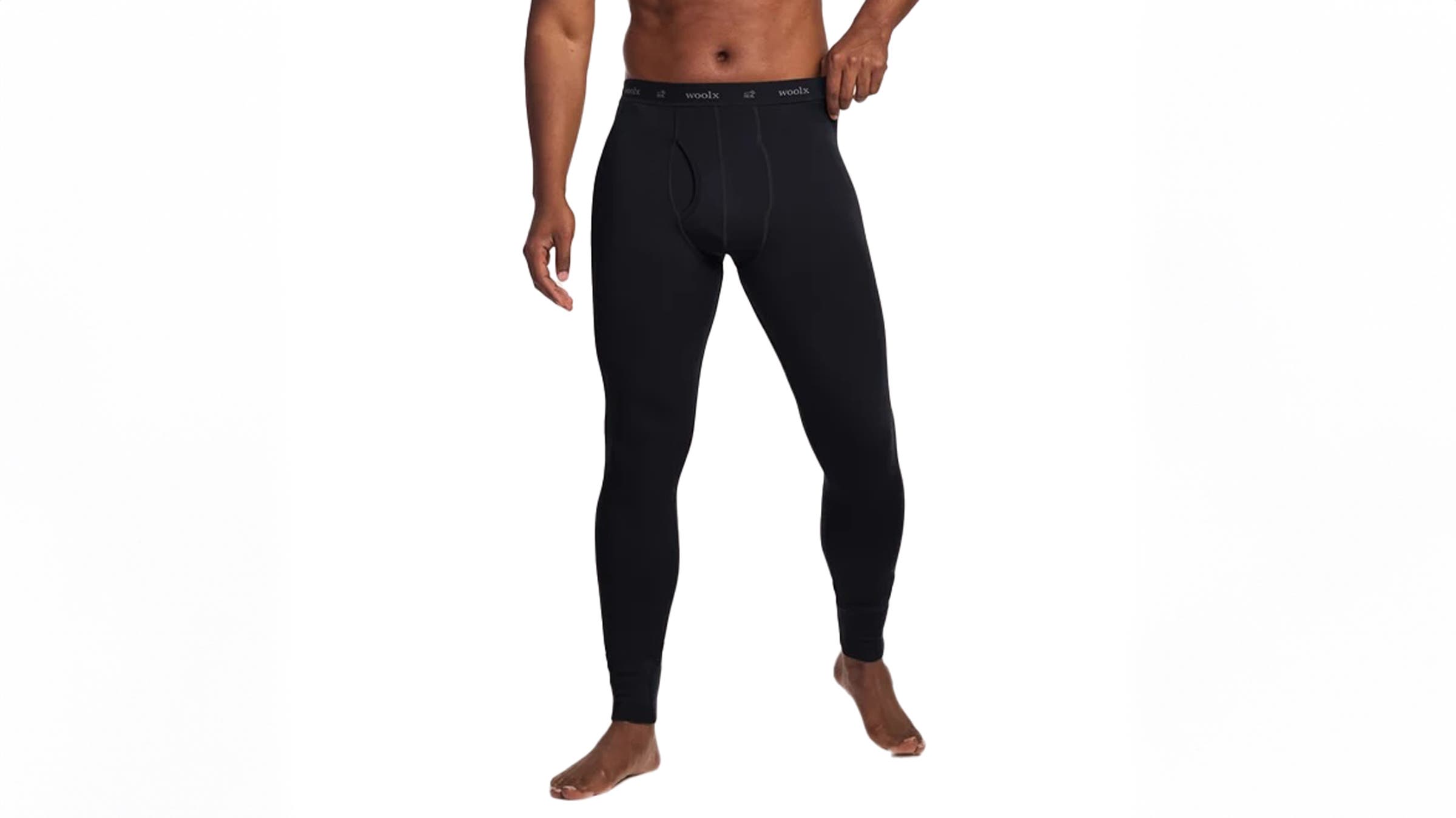
Best Wool Bottoms: Woolx Backcountry Leggings
The Woolx leggings were recognized for their superior warmth-to-breathability ratio. Constructed from heavyweight merino, these leggings are optimized for frigid conditions. Analysis of the fabric’s performance during deep-flex movements, such as squats and climbing steps, confirmed that the material maintains its elasticity, preventing the "bunching" effect commonly associated with thicker base layers.
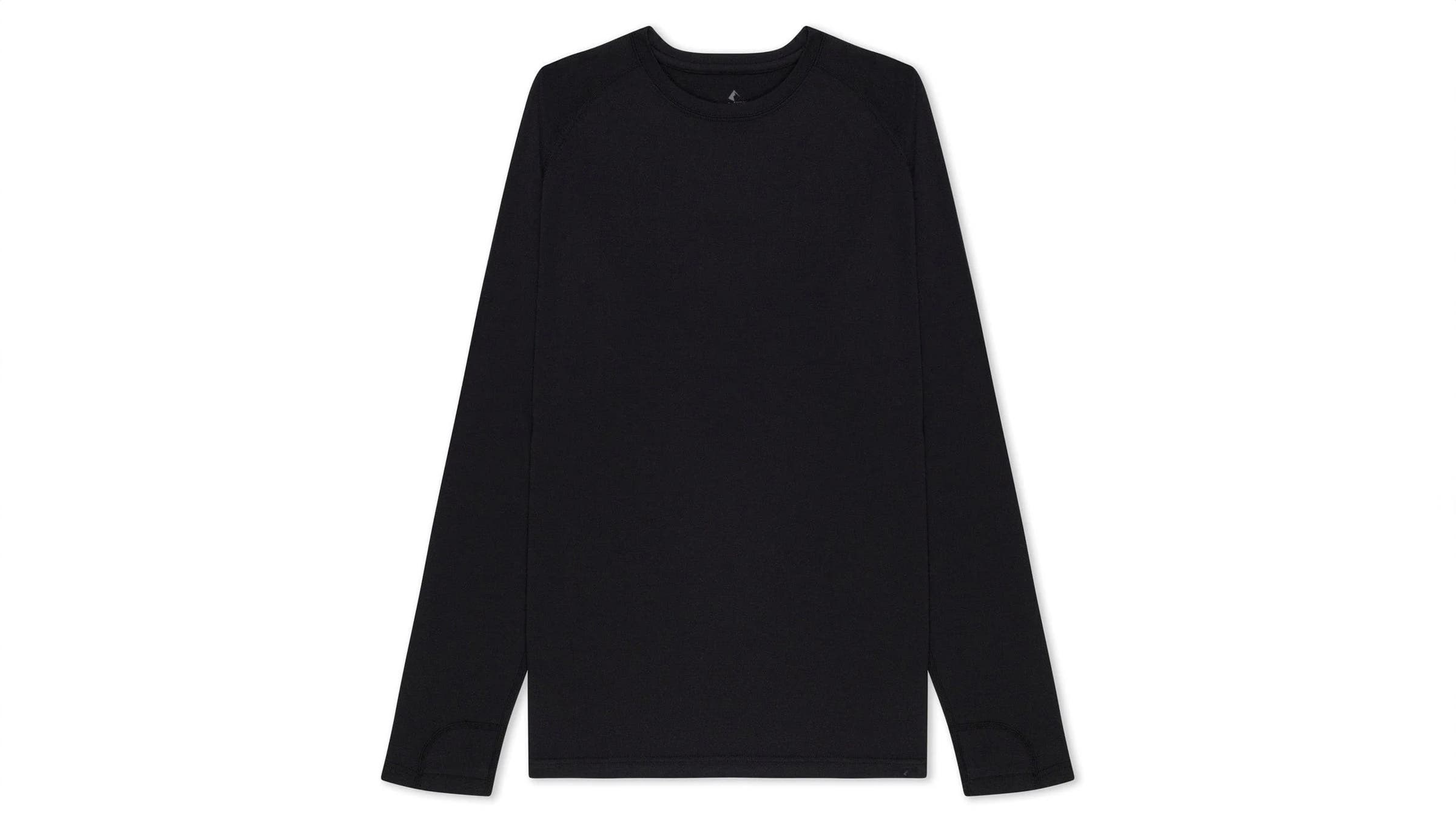
Best Wool Top: Ridge Merino Heavyweight Inversion Crew
This garment provides a high-thermal-output solution for users in sub-zero environments. Featuring 18.5-micron fibers, it offers a soft tactile experience while providing immediate insulation. Despite its heavyweight designation, the top demonstrated surprising temperature regulation during transition phases, though it is notably less suited for high-output aerobic efforts compared to synthetic alternatives.
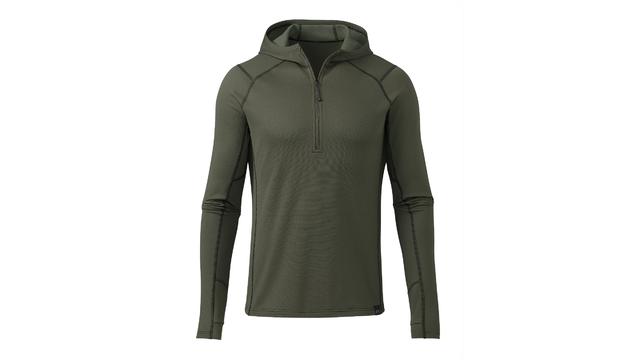
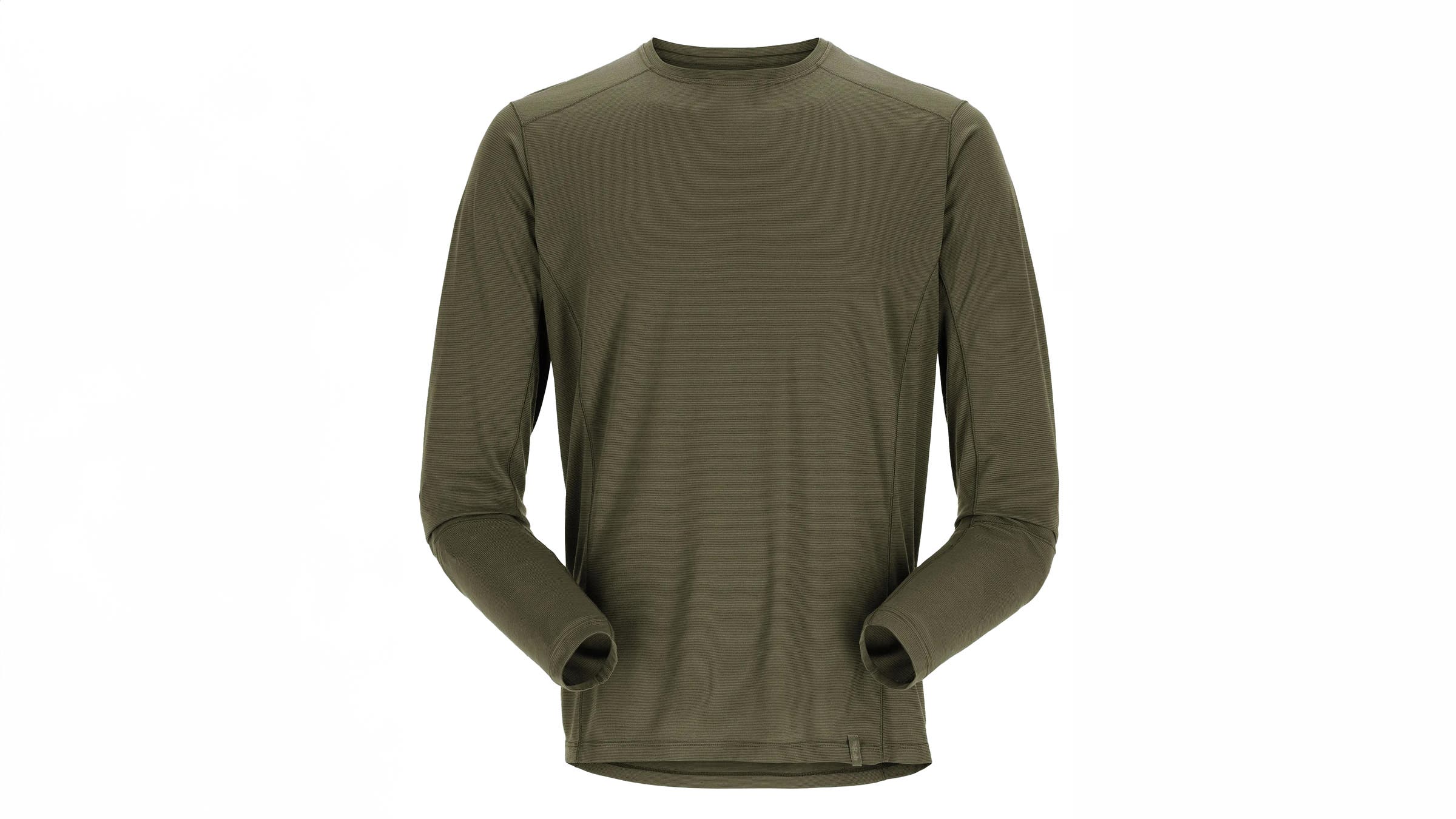
Best for Backcountry Touring: Rab Syncrino Base LS Tee
Utilizing the Syncrino 125 blend—a fusion of merino wool and synthetic polyester—this top is designed for backcountry enthusiasts who prioritize packability. The garment compresses to the size of a standard fruit, making it an ideal "safety layer" for multi-day hut trips. It offers the odor-resistant properties of wool with the rapid drying speed of synthetics.
Most Versatile: Flylow Hanmer Wool Baselayer Top
The Flylow Hanmer earned high marks for its dual-purpose aesthetic and technical utility. The merino-nylon blend provides increased durability, with tests showing no signs of pilling after a full season of use. Its ability to serve as both a high-performance technical layer and a casual garment highlights a growing consumer demand for "crossover" apparel.
Material Science and Selection Criteria
The distinction between synthetic and natural fibers remains the most significant consideration for consumers. Polyester, the primary component of most synthetic layers, is characterized by its hydrophobic properties, which allow for rapid moisture transfer. This makes synthetics the preferred choice for athletes prone to heavy sweating. Conversely, merino wool is hydrophilic; it absorbs moisture into its core, which allows the wearer to remain warm even when the fabric is damp.
The industry is currently moving toward "engineered blends," where the placement of synthetic and natural fibers is mapped according to the body’s heat and sweat zones. Experts warn against "intimate" blends—where fibers are woven together indiscriminately—as these often result in a "tug-of-war" effect regarding moisture management, leading to the dreaded "clammy" sensation. Consumers are advised to check the micron count on wool products; a lower number indicates finer, softer fibers that are less likely to cause skin irritation.
Implications for the Outdoor Industry
The 2026 test results underscore a broader shift in the outdoor gear market: the move away from specialized, activity-specific clothing toward multi-functional apparel. As climate patterns become more volatile, outdoor enthusiasts are increasingly seeking garments that can adapt to rapid temperature fluctuations.
Industry analysts suggest that the rise of "fast-wicking" synthetic technology is influencing the design of natural-fiber garments. Manufacturers are now pressured to produce merino wool products that match the durability and drying speeds of synthetics while retaining the natural comfort that consumers associate with wool. This competitive landscape is driving innovation in textile engineering, specifically regarding how fabrics are mapped to the human anatomy.
Furthermore, the emphasis on odor-mitigation technology—such as the HeiQ Mint treatment seen in the Patagonia line—reflects an increased focus on product longevity. By reducing the frequency of required wash cycles, manufacturers are extending the lifespan of the garments and minimizing the environmental impact associated with fabric degradation in laundry machines.
Conclusion: Final Guidance for Consumers
Selecting a base layer is inherently subjective. While technical data provides a framework for performance, individual physiology—specifically sweat rate and cold tolerance—remains the final arbiter of comfort. Before purchasing, consumers should consider their primary environment: synthetic layers are generally superior for high-output, intermittent-intensity sports, while merino wool is better suited for sustained, low-to-moderate intensity activities in extreme cold. By prioritizing flatlock seams and proper fit, users can ensure their layering system functions as a cohesive unit, ultimately enhancing safety and performance in the field.