The Sacred Stone Sanctuaries of Mangystau: A New UNESCO Heritage Designation in Kazakhstan

For centuries, the arid expanses of the Mangystau region in western Kazakhstan have served as a spiritual crossroads, defined by a unique architectural tradition that exists in near-total harmony with the geological landscape. This summer, the international community officially recognized this cultural phenomenon as the UNESCO World Heritage Committee inscribed the "Rock Mosques and Associated Sacred Sites of Mangystau" onto its prestigious list of protected landmarks. The designation covers five major sites—Beket-Ata, Shopan-Ata, Karaman-Ata, Shakpak-Ata, and Sultan-Epe—each acting as a testament to the intersection of ancient nomadic survival strategies, Sufi mysticism, and architectural ingenuity.

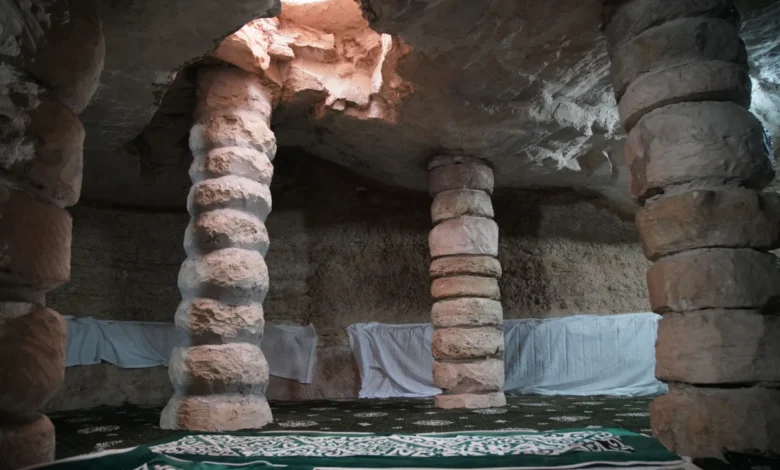
The Mangystau desert, a 64,000-square-mile territory bordering the Caspian Sea, is characterized by its limestone-and-chalk cliffs and extreme climatic fluctuations. Historically, the region was an essential transit point for nomadic tribes and pilgrims traveling along northern branches of the Silk Road. The mosques, dating from the 12th to the 18th centuries, represent a rare typology of sacred architecture: they were not built upon the land but were excavated directly into it. By carving chambers into the soft rock faces, these Sufi masters created structures that were naturally climate-controlled, requiring little maintenance and providing a minimalist, meditative environment for prayer.
A Chronology of Spiritual Persistence
The development of these sites spans six centuries, reflecting the evolving spiritual landscape of the region. The oldest site, Shakpak-Ata, dates back to the 12th century. Its cruciform design is etched into a massive chalk cliff that was formed millions of years ago when the area was submerged under the ancient Tethys Sea. The walls of these chambers bear inscriptions in Arabic, Persian, and Turkic, providing a linguistic record of the diverse groups of pilgrims who sought sanctuary here long before modern navigation technology existed.

Following the initial period of construction, subsequent masters—such as Shopan-Ata in the 12th century and Beket-Ata in the 18th century—further solidified the region’s status as a spiritual nexus. The oral traditions passed down through generations suggest that these masters were not merely religious figures but vital community leaders who identified life-sustaining resources like underground water springs. The sites were strategically placed near these oases, effectively creating a network of life-support systems that allowed for permanent human presence in an otherwise inhospitable environment.
Architectural Symbiosis and Cultural Syncretism
The architectural language of the Mangystau sites is one of extreme humility. Unlike the grand, tile-clad, and gilded mosques of major urban centers like Astana or Samarkand, the rock-cut mosques of Mangystau prioritize functionality and geological integration. The interiors are often dim, illuminated only by shafts of natural light channeled through narrow vertical openings in the cliff ceilings.

Anthropologists and historians have noted a fascinating synthesis of belief systems at these locations. While the sites serve as mosques for the practice of Islam, they frequently incorporate elements of pre-Islamic Shamanic and Tengrian rituals. For example, at the Shopan-Ata complex, visitors continue the tradition of tying strips of white cloth to sacred wooden poles and circling them three times counterclockwise. This practice, intended to ensure that prayers are carried to the divine, mirrors ancient Central Asian customs of honoring nature spirits at mountain passes or near sacred trees. This synthesis is not viewed as a contradiction but rather as an evolution of faith, where local traditions were successfully integrated into the broader framework of Sufi saint veneration.
Supporting Data and The UNESCO Designation
The UNESCO recognition, finalized in July, serves as a significant boost for the preservation of these sites. The nomination process for the "Rock Mosques and Associated Sacred Sites of Mangystau" emphasized not only the physical structures but also the "associated sacred sites," which include vast necropolises and ancient water wells.

- Geographic Scope: The sites are dispersed across the Mangystau peninsula, requiring a 4×4 vehicle to navigate the rugged, unpaved terrain.
- Historical Timeline: Structures range from the 12th-century origin of the Shopan-Ata and Shakpak-Ata complexes to the 18th-century development of the Beket-Ata shrine.
- Cultural Significance: The necropolises, such as the one at Shopan-Ata, contain over 2,000 monuments, including ornate kulpytas (carved stone steles) that are crucial for understanding the genealogy and artistic evolution of the Kazakh nomadic people.
The inclusion on the UNESCO list mandates stricter conservation protocols. While the sites have survived for centuries due to their remote locations and the durability of the rock, increased tourism poses a potential risk to the fragile chalk and limestone structures. Local authorities and international experts are currently working to implement sustainable tourism models that balance the influx of visitors with the preservation of the meditative atmosphere required for these active pilgrimage sites.
Socio-Economic Impact and Pilgrimage Culture
For the local population, these sites remain deeply functional. They are not merely museum exhibits; they are active, living spaces of worship. The communal dining hall at Beket-Ata exemplifies the enduring nature of Central Asian hospitality. It is common for the mosque to provide free food for travelers, while visitors, in turn, leave donations of bread, sweets, tea, and other staples for the next wave of arrivals.

This cycle of mutual support underscores the "generosity of the desert," a concept that defines the experience of visiting Mangystau. Economically, the rise in interest in these sites has fostered a specialized tourism sector. Local operators, such as Mangystau Tour 999 and Red Maya Travel, have developed expertise in navigating the region’s challenging landscape, providing essential logistical support for both domestic pilgrims and international researchers.
Expert Analysis of Broader Implications
The designation of these sites carries weight beyond the borders of Kazakhstan. It highlights the importance of "vernacular architecture"—buildings that emerge from local needs and materials rather than imported architectural styles. The global architectural community increasingly views these rock-cut mosques as a masterclass in passive environmental design. By utilizing the thermal mass of the earth, the builders kept the interiors cool during the sweltering summer months and insulated during the harsh winters, a concept that is being revisited by modern architects interested in sustainable, low-carbon building solutions.

Furthermore, the site’s official status encourages a deeper study of Sufism’s role in Central Asian history. The masters associated with these sites were often intermediaries between different social classes, acting as healers, conflict mediators, and educators. By studying these mosques, historians are gaining a clearer picture of how these spiritual figures managed to maintain cohesion across nomadic groups spanning vast geographic distances.
Challenges and Future Outlook
Despite the prestigious recognition, the management of these sites faces logistical hurdles. The distance between the mosques—some located over 170 miles from the regional gateway of Aktau—means that maintenance and monitoring are inherently difficult. Furthermore, the reliance on unpaved roads and the lack of comprehensive mobile coverage across the desert present risks for independent travelers.

However, the UNESCO designation is expected to catalyze government investment in infrastructure that is sensitive to the landscape. Statements from local cultural departments indicate a move toward developing "pilgrimage circuits" that prioritize the integrity of the sites while providing educational resources for visitors.
As of late 2024, the focus remains on ensuring that the increased global attention does not erode the solemnity of the shrines. The "Rock Mosques and Associated Sacred Sites of Mangystau" stand as a reminder of human persistence. In a world increasingly dominated by rapid, high-impact development, these ancient, carved spaces offer a profound alternative: a form of architecture that does not conquer the landscape, but instead asks for permission to exist within it. The future of Mangystau now depends on the careful balance between sharing this heritage with the world and protecting the quiet, austere sanctity that has defined it for nearly a millennium.