The landscape of holiday retail has undergone a profound structural shift over the past decade, transforming what was once a chaotic, single-day post-Thanksgiving sprint into a prolonged, weeks-long commercial marathon. As consumers prepare for the 2026 holiday shopping season, major retail institutions have already initiated their promotional calendars, blurring the traditional boundaries between early-bird discounts and the official Black Friday event. This evolution is not merely a marketing tactic; it is a calculated response to shifting consumer behavior, supply chain resilience, and a competitive eCommerce environment where digital agility dictates market share.
Understanding the timeline, retailer strategies, and historical context of the upcoming sales events is essential for navigating the deluge of promotions. With inflation considerations, inventory management strategies, and early product rollouts defining the retail sector in late 2026, shoppers must adopt sophisticated approaches to distinguish genuine bargains from routine promotional discounts.
Chronology and Key Dates for the 2026 Holiday Season
The timing of the holiday shopping calendar is anchored to the American Thanksgiving holiday, which falls on the fourth Thursday of November. For the 2026 calendar year, Thanksgiving occurs on November 26, establishing the precise chronology for the peak shopping weekend.
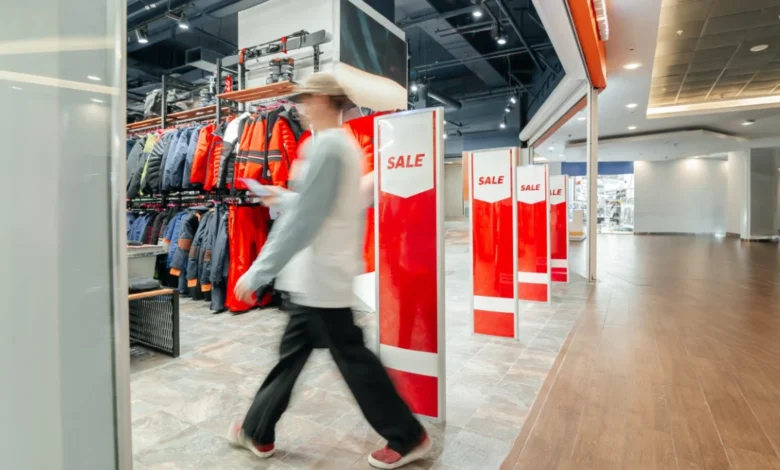
Black Friday officially commences at the stroke of midnight on Friday, November 27, 2026. Historically characterized by predawn queues outside brick-and-mortar superstores and department stores, the modern iteration of Black Friday is predominantly a hybrid experience, with digital storefronts experiencing their highest traffic volumes simultaneously with physical retail locations.
Immediately following the weekend is Cyber Monday, scheduled for Monday, November 30, 2026. Conceived originally in 2005 by the National Retail Federation’s digital division to encourage online shopping when consumers returned to high-speed internet connections at their workplaces, Cyber Monday has evolved into a massive digital extension of Black Friday. In contemporary retail, however, the temporal distinction between the two events has effectively dissolved. Digital promotions cascade seamlessly from Friday through Monday, creating a continuous four-day promotional window often referred to as Cyber Week.
Retailer Strategies and Competitive Landscapes
The roster of participating merchants for the 2026 season features the established heavyweights of the retail sector: Amazon, Walmart, Best Buy, Target, and The Home Depot, alongside a vast ecosystem of specialized online and brick-and-mortar merchants. However, the operational strategies deployed by these entities vary significantly, reflecting their unique market positions and logistical capabilities.
Walmart has historically favored a phased approach to the holiday season, rolling out multiple waves of early Black Friday deals beginning as early as late October and early November. This strategy allows the
world’s largest retailer to capture early-intent spending, ease logistical bottlenecks in its supply chain, and smooth out warehouse fulfillment operations that would otherwise strain under a single-day peak.

Best Buy has structured one of the most comprehensive holiday calendars for 2026, featuring segmented promotional events that target specific consumer electronics categories, ranging from high-end OLED televisions and home audio systems to computing hardware, including early iterations of next-generation laptops and tablets. By spreading promotional depth across multiple weeks, Best Buy attempts to secure consumer commitments before competitors can swoop in with matching or aggressive counter-offers.
Target has emphasized curated, high-impact multi-day events, balancing its extensive inventory of home goods, apparel, and toys with strategic electronics promotions. Meanwhile, smaller independent merchants and direct-to-consumer brands increasingly rely on the Cyber Monday window to capture market share, leveraging specialized digital marketing campaigns and niche product offerings to compete against the expansive discounting power of big-box conglomerates.
Data, Trends, and the Reality of Deal Pricing
Analyzing historical retail data reveals crucial insights for consumers attempting to maximize their purchasing power during the 2026 sales events. Unlike seasonal retail shifts—such as Spring cleaning sales or back-to-school promotions, which target specific product categories like apparel or stationery—Black Friday and Cyber Monday represent universal discount windows. Virtually every retail category, spanning consumer electronics, power tools, fitness equipment, outdoor recreation gear, home furnishings, and luxury bedding, is subject to promotional markdown.
A common consumer dilemma centers on whether Cyber Monday deals consistently surpass those offered on Black Friday. Market analysis indicates that this dichotomy is largely obsolete. While historical precedent suggested that Black Friday favored high-ticket items like major appliances and large-screen televisions, while Cyber Monday focused on smaller electronics and software, modern data analytics show price parity across both days for the vast majority of goods.
Retail economists emphasize that the magnitude of a discount is less dependent on the specific calendar date and more a function of the retailer’s inventory levels and profit margins. Large-scale merchants possessing immense purchasing volume—such as Amazon and Walmart—retain the financial flexibility to absorb lower margins, enabling them to offer the season’s lowest recorded prices. Conversely, specialized or premium brands often maintain strict minimum advertised price (MAP) policies, meaning discounts on luxury or high-end items may remain uniform across multiple retail platforms.
Economic Implications and Consumer Best Practices
The elongation of the holiday shopping season carries significant macroeconomic implications. By distributing consumer spending over a six-to-eight-week period beginning in October and culminating on Cyber Monday, retailers can optimize inventory turnover, reduce the physical congestion of shipping networks, and stabilize labor requirements across fulfillment centers. For consumers, this extended timeline alleviates some of the financial shock associated with end-of-year expenditures, though it simultaneously introduces psychological pressure through artificial urgency and persistent promotional messaging.
To navigate the 2026 sales environment effectively, retail analysts and consumer advocates recommend a structured, disciplined approach:
- Inventory and Need Assessment: Establishing a definitive purchasing list prior to the onset of major sales prevents impulse buying driven by steep percentage-off claims on non-essential items.
- Price Tracking and Historical Context: Utilizing digital price-tracking tools and historical price databases allows shoppers to verify whether an advertised "discount" represents a genuine markdown or merely an inflated baseline price. Platforms that monitor price trajectories over a 90-day window are particularly effective in identifying genuine troughs in pricing.
- Leveraging Curated Resources: Given the overwhelming volume of simultaneous promotions, relying on dedicated deal-tracking journalism, live blogs, and curated shopping guides can filter out low-quality offers and highlight verified historical lows.
- Managing Expectations on Timing: Rather than stressing over whether to purchase on a specific day, consumers are advised to buy when an item reaches their predetermined target price, keeping in mind that supply chain constraints or high demand can cause popular items to sell out well before Cyber Monday concludes.
Broader Impact on the Retail Industry
The 2026 holiday shopping season reinforces a permanent structural evolution in global commerce. The traditional model of a frenzied, single-day retail event has been replaced by an omni-channel ecosystem where data analytics, dynamic pricing algorithms, and predictive inventory management dictate commercial success. As retailers continue to refine their early-deal strategies, the traditional demarcation lines between holiday milestones will likely continue to soften, ultimately redefining how consumers evaluate value, urgency, and purchasing timing in the modern digital economy.