Colorado continues to solidify its position as one of the premier year-round travel destinations in the United States, drawing millions of domestic and international visitors to its diverse landscapes. From the glitzy alpine reputation of Aspen and the burgeoning culinary and cultural renaissance in Denver, to the quieter, historic mining towns tucked away in the Rocky Mountains, the state offers an extraordinary range of experiences. With four distinct national parks—Rocky Mountain, Mesa Verde, Great Sand Dunes, and Black Canyon of the Gunnison—alongside thousands of miles of multi-use trails, world-renowned winter sports infrastructure, and a robust hospitality sector, tourism remains a foundational pillar of the state’s economy.
In recent years, the lodging landscape across the Centennial State has undergone a significant transformation. While traditional luxury hotels and historic grand lodges continue to attract high-end clientele, vacation rental platforms such as Airbnb have captured a substantial share of the accommodation market. Travelers increasingly seek out properties that offer privacy, immersive natural settings, and residential amenities, ranging from isolated mountain cabins with panoramic views to design-forward urban apartments located in the heart of bustling cultural districts. This comprehensive analysis explores the evolving market of Colorado vacation rentals, evaluating the top 13 property categories, regional economic impacts, tourism trends, and regulatory frameworks governing short-term rentals across the state.
The Evolution of Colorado Tourism and Lodging Preferences
To understand the current demand for high-end and unique vacation rentals in Colorado, it is essential to examine the broader historical trajectory of the state’s tourism industry. Historically, Colorado’s tourism economy was sharply divided into two distinct seasons: a booming winter ski season centered around resorts like Vail, Breckenridge, and Steamboat Springs, and a milder summer season focused on camping, hiking, and national park visitation.
However, over the past two decades, the state’s tourism boards have successfully promoted shoulder seasons—specifically the vibrant autumn foliage period and the increasingly popular spring alpine transition. This diversification has smoothed out annual revenue streams for local businesses but has also placed unprecedented demand on local housing inventories. Travelers looking for alternatives to traditional hotel rooms have turned to vacation rentals to accommodate multi-generational family trips, corporate retreats, and extended remote-work stays.
According to data compiled by state tourism authorities, visitors increasingly prioritize properties that blend authentic architectural character with modern conveniences. Superhost and Guest Favorite designations on platforms like Airbnb have become critical trust markers for consumers navigating thousands of localized listings. Consequently, property owners and professional management companies have elevated interior design standards, incorporating high-speed fiber-optic internet for remote workers, wellness amenities such as private hot tubs and saunas, and eco-friendly infrastructure like electric vehicle charging stations.
Categorizing the Top 13 Airbnb Experiences in Colorado
While the vast expanse of Colorado features tens of thousands of short-term rental listings, industry experts and frequent travelers have coalesced around 13 distinct archetypes of exceptional stays that define the state’s hospitality standard. These curated categories cater to diverse travel motivations, spanning winter sports enthusiasts, summer explorers, and urban culture seekers.
1. The Classic Alpine Ski Chalet
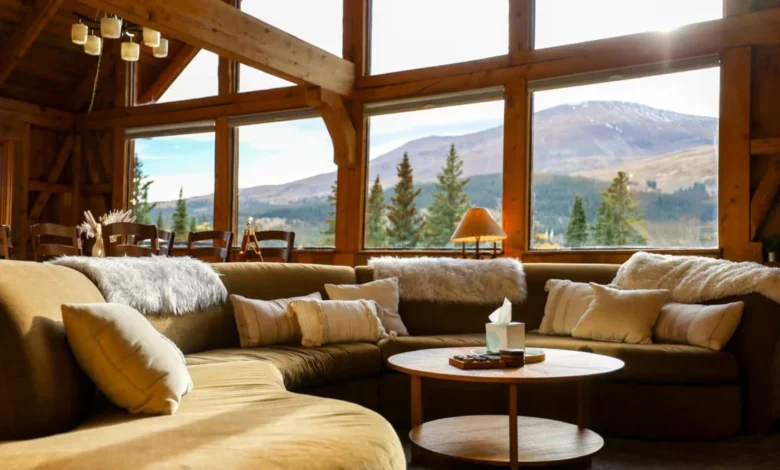
Concentrated primarily in mountain resort corridors such as Summit County, Eagle County, and Routt County, these properties are engineered for winter sports enthusiasts. Characterized by ski-in/ski-out access or proximity to major transit hubs, these chalets typically feature heavy timber construction, stone fireplaces, boot warmers, and expansive picture windows framing snow-covered peaks.
2. The Remote Wilderness Cabin
For travelers seeking isolation and direct immersion in nature, remote cabins located near the fringes of national forests or wilderness areas offer a respite from urban density. Often relying on alternative energy sources or rustic aesthetic touchstones—such as reclaimed wood, wood-burning stoves, and wrap-around porches—these properties serve as basecamps for hikers, wildlife photographers, and stargazers.
3. The Urban Industrial Loft
Shifting away from the mountains, cities like Denver, Colorado Springs, and Boulder feature historic brick-and-beam industrial conversions. Located in up-and-coming culinary districts, these lofts appeal to travelers interested in the state’s craft brewery scene, independent art galleries, and farm-to-table dining establishments.
4. The Luxury Architectural Estate
Designed by notable regional architects, these high-end properties combine modernist glass-and-steel construction with sustainable building practices. Often situated on private multi-acre plots in regions like Telluride or Crested Butte, these estates cater to luxury travelers seeking absolute privacy, gourmet kitchens, wine cellars, and concierge-level services.
5. The Historic Mining-Era Victorian
Preserving the architectural heritage of Colorado’s late 19th-century boom, towns like Leadville, Cripple Creek, and Georgetown feature meticulously restored Victorian homes. These properties offer a tangible connection to the state’s colorful history while integrating modern luxury updates.
6. The Riverside Angler’s Retreat
Positioned along gold-medal fly-fishing waters such as the Arkansas, Eagle, and Roaring Fork rivers, these cabins are tailored for outdoor sportsmen. Features often include private river access, expansive outdoor decks, and gear storage facilities.
7. The High-Desert Canyon Casita
Reflecting the diverse geography of the state’s western slope and southern regions near Moab or Mesa Verde, desert-adjacent properties offer a striking visual contrast to alpine environments. Adobe styling, minimalist aesthetic choices, and stargazing platforms define this category.
8. The Family-Friendly Mountain Compound
Designed specifically for multi-generational group getaways, these sprawling properties feature multiple bunk rooms, game rooms, home theaters, and expansive communal dining areas capable of hosting large gatherings.
9. The Eco-Friendly Off-Grid Dome
Demonstrating the rise of sustainable tourism, geodesic domes and passive-solar earthships provide low-impact lodging options. These properties utilize solar power, rainwater catchment systems, and composting toilets without sacrificing interior comfort.
10. The Prairie and Ranch Homestead
Located in the eastern plains or sprawling mountain valleys, historic working ranch conversions allow guests to experience equestrian culture, wide-open horizons, and authentic Western heritage.
11. The Wellness-Focused Hot Springs Retreat
Tethered to Colorado’s abundant geothermal resources—particularly around Pagosa Springs, Glenwood Springs, and Salida—these rentals feature private soaking tubs supplied by natural mineral waters.
12. The Autumn Foliage Lookout
Strategically positioned in regions dense with stands of quaking aspens, such as Kebler Pass or the San Juan Skyway, these properties are optimized for peak leaf-peeping season during September and October.
13. The Pet-Friendly Mountain Haven
Acknowledging that a significant percentage of Colorado travelers journey with domestic animals, these specialized properties offer fenced yards, durable flooring, pet amenities, and immediate access to dog-friendly trail networks.
Economic Impacts and Local Regulatory Landscapes
The proliferation of short-term rentals in Colorado has generated significant economic benefits alongside notable public policy challenges. On one hand, vacation rentals contribute substantial lodging tax revenues to local municipalities and counties. These tax receipts directly fund public infrastructure, avalanche safety programs, search-and-rescue operations, and tourism promotion initiatives. Furthermore, independent property owners and local cleaning, maintenance, and property management companies form a robust small-business ecosystem that supports thousands of local jobs.
However, the rapid conversion of residential housing stock into short-term rentals has exerted pressure on local housing affordability and availability, particularly in resort communities where service workers struggle to find long-term housing. In response to these pressures, municipal governments across Colorado have implemented varying regulatory frameworks.
Cities and towns such as Vail, Aspen, Telluride, and Crested Butte have enacted strict licensing caps, zoning restrictions, and occupancy limits to balance the economic advantages of tourism with the preservation of residential neighborhoods. Prospective travelers booking an Airbnb in Colorado are increasingly advised to verify that the property holds a valid local operating license, ensuring compliance with municipal ordinances designed to protect community sustainability.
Broader Implications for the Future of Colorado Travel
As the travel and hospitality sector looks toward the future, the integration of short-term rentals into mainstream tourism planning remains permanent. Travelers continue to seek personalized, experiential accommodations that offer a deeper connection to the local community than traditional standardized hotel chains can provide.
At the same time, platforms, property managers, and local governments are moving toward a more regulated, sustainable coexistence. Emphasizing eco-friendly practices, respecting neighborhood carrying capacities, and supporting local economies will determine the long-term viability of the vacation rental market. Whether planning a rigorous winter ski expedition, a summer hiking tour across national parks, or a tranquil autumn retreat, understanding the diverse landscape of Colorado accommodations ensures a well-rounded and responsible travel experience.