This Designer Renovated His Best Friend’s Upper East Side Apartment—Relationship Still Intact

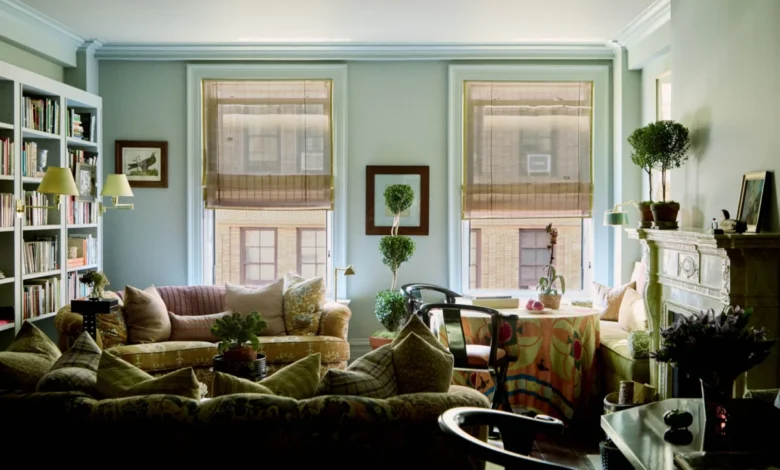
The residence, originally designed by the prolific architect George F. Pelham, possessed the "good bones" characteristic of Manhattan’s pre-war luxury era. However, the apartment’s layout and aesthetic state required a comprehensive rethink to align with the contemporary lifestyle and heritage-driven sensibilities of Zobel de Ayala and her husband. The resulting collaboration not only revitalized the physical space but also birthed a new textile brand, Tela, which became a cornerstone of the home’s interior identity.

Architectural Heritage and the Pelham Legacy
To understand the scope of the renovation, one must consider the architectural context of the building. George F. Pelham was a central figure in the development of New York City’s residential landscape during the late 19th and early 20th centuries. His firms were responsible for hundreds of apartment houses across Manhattan, known for their neoclassical details and robust masonry.
In this particular Upper East Side unit, the challenge lay in honoring Pelham’s original vision while correcting the "choppy" circulation patterns typical of early 20th-century floor plans. Before Ruttenberg’s intervention, the apartment lacked a cohesive flow; residents were forced to traverse multiple rooms to reach central areas like the kitchen. This antiquated "railroad-adjacent" style of room connection was common in an era where domestic service staff and family members utilized separate circulation paths.

A Strategic Reconfiguration of Space
The design process began with targeted structural modifications. While the foyer, primary bedroom, and main living area remained in their original locations at one end of the floor plan, Ruttenberg introduced a new central hallway. This architectural "spine" was designed to streamline movement throughout the home, providing efficient access to the kitchen and secondary bedrooms without compromising the privacy of individual rooms.
"We appreciated that the unit has many rooms as opposed to an open floor plan," Ruttenberg noted regarding the decision to maintain distinct spaces. This choice reflects a growing trend in high-end residential design where homeowners are moving away from the "great room" concept in favor of specialized environments that allow for varied "stories" or moods within a single residence.

The Birth of Tela and the Integration of Filipino Heritage
A significant portion of the project’s emotional and aesthetic weight is carried by its textiles. Eugenia Zobel de Ayala, who grew up in Manila, sought to incorporate the "soul and patina" of Filipino craftsmanship into her New York home. When she and Ruttenberg struggled to find commercial fabrics that met this criteria, they decided to create their own.
This search led to the founding of Tela, a textile line handwoven in the Philippines. The brand utilizes traditional techniques and materials, such as "piña" fabric—a delicate fiber made from pineapple leaves that has been a staple of Filipino high fashion and domestic craft for centuries. Samples from the Tela line are integrated throughout the apartment, from window shades to custom headboards, providing a tactile link to Zobel de Ayala’s roots.

The living room serves as the primary showcase for this "layered" approach. Ruttenberg curated a spirited mix of patterns, including plaid, gingham, stripes, florals, and suzani prints. The designer purposefully avoided an "overly engineered" look, aiming instead for a sense of "je ne sais quoi" or natural haphazardness. This aesthetic requires a high level of skill to execute without appearing cluttered; every texture and tone must be balanced to ensure the room feels lived-in rather than staged.
Room-by-Room Analysis: Functionality and Curation
The renovation extended into every corner of the apartment, with each room serving a specific functional and narrative purpose:

The Living and Dining Zones
Without a formal, isolated dining room, Ruttenberg utilized an unconventional furniture plan to create multiple "perches." The primary gathering spot features a skirted table, while the living room is subdivided into zones. One dining area includes a custom banquette upholstered in Pierre Frey linen, paired with vintage lacquer chairs by James Mont—a designer known for his "Hollywood Regency" style and mid-century flair. Framed antique Filipino blouses hang as art, further reinforcing the home’s cultural narrative.
The Compact Kitchen
To maximize the footprint of the kitchen, Ruttenberg employed clever storage solutions. Push-to-open cabinets provide a sleek, hardware-free look, which the designer then "studded" with Bordallo Pinheiro fish plates—a nod to traditional Portuguese ceramics. The space also includes a cozy dining nook with tiles from Nemo Tile + Stone, proving that even utilitarian spaces can possess a high level of design detail.

The Multi-Functional Den
One of the three original bedrooms was converted into a den that serves as a media room and a home office for Zobel de Ayala’s husband. Ruttenberg designed bespoke built-ins with a niche for a sleeper sofa from Anthropologie. To address the aesthetic challenge of an HVAC unit, the designer created a custom desk inspired by a vintage Hermès wastebasket to conceal the machinery.
The Primary Suite and Studio
In the primary bedroom, Ruttenberg demonstrated his ability to repurpose existing structures. A large closet was transformed into a wood-lined vanity, featuring a 1960s hand-painted mirror and a vintage bamboo stool. Another closet was converted into a compact studio, where the walls are enveloped in Tela fabric, creating a quiet, textured environment for work.

Market Trends and the Value of Bespoke Design
The Ruttenberg-Zobel de Ayala project aligns with several broader trends currently shaping the luxury real estate and interior design markets:
- The Rise of Personal Branding: Homeowners are increasingly using their residential renovations as a springboard for creative ventures. The birth of Tela during this renovation mirrors how modern clients view their homes as living laboratories for their professional and creative identities.
- Heritage Curation: There is a significant shift away from generic "luxury" toward spaces that tell a specific cultural story. The use of Filipino piña fabrics and traditional blouses as high-end art reflects a desire for authenticity over mass-produced decor.
- Adaptive Reuse of Internal Space: In high-density markets like the Upper East Side, the ability to convert closets into functional "jewel box" offices or vanities is a highly sought-after skill. According to recent New York real estate data, apartments with dedicated home office spaces or "flexible rooms" command a 10% to 15% premium over those with traditional layouts.
- Collaborative Longevity: The success of this project highlights the benefits of long-term designer-client relationships. When there is a shared history, the design process can move more quickly through the "discovery" phase, allowing for deeper experimentation with materials and forms.
Conclusion and Future Outlook
The renovation of this Upper East Side apartment stands as a testament to the power of collaborative design. By blending the architectural rigor of George F. Pelham’s pre-war era with the artisanal traditions of the Philippines, Noah Ruttenberg has created a residence that is both a functional modern home and a gallery of personal history.

For Zobel de Ayala and her husband, the apartment is more than a successful real estate investment; it is a space that "inspires joy and happiness" through its thoughtful layers and meaningful objects. As Ruttenberg reflects on the project, he notes that while this was their first formal collaboration, the strength of the result ensures it will not be their last. In the competitive world of New York interior design, where projects can often become strained by conflicting visions, the enduring friendship and creative synergy between Ruttenberg and Zobel de Ayala remain the most significant achievements of the renovation.